

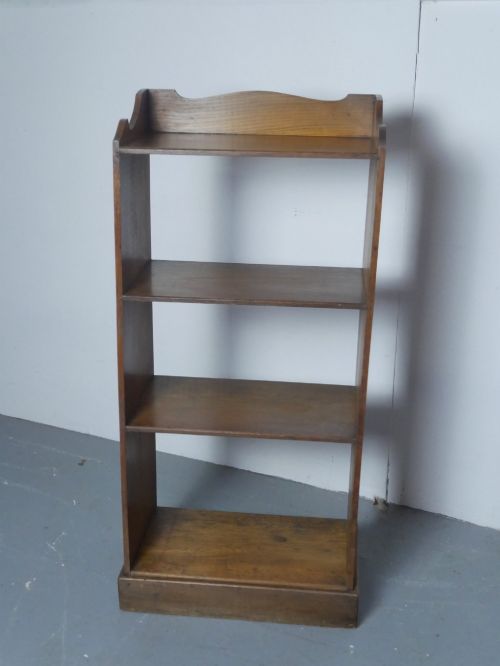
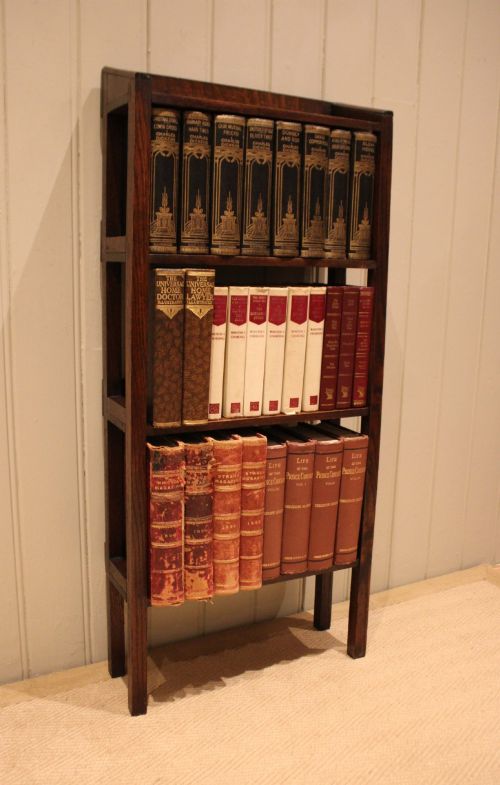
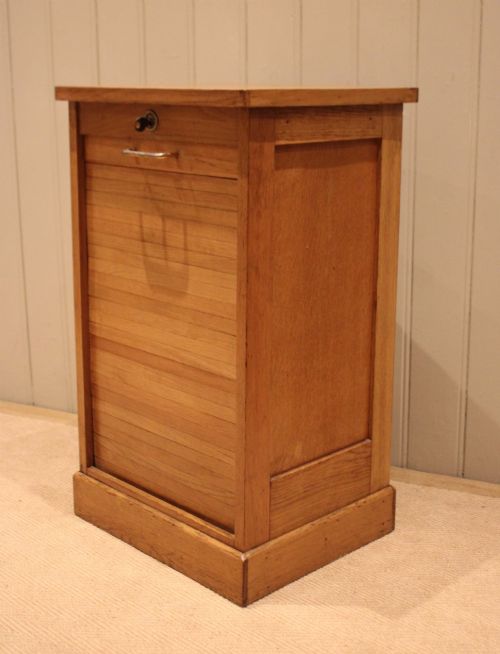
Antique Oak Storage Unit
These pieces give an antique oak storage unit its practical strength, offering sturdy timber housing for books, linen and files.
Antique Oak Storage Unit
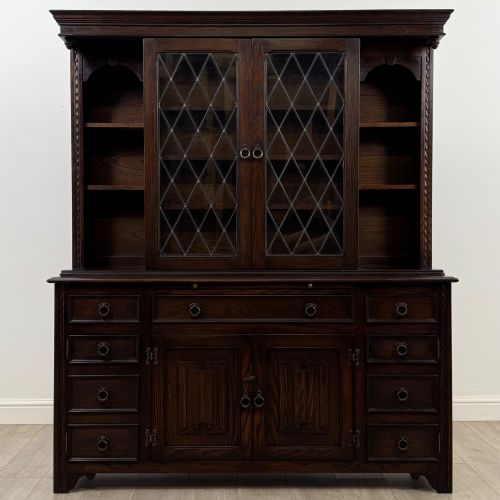
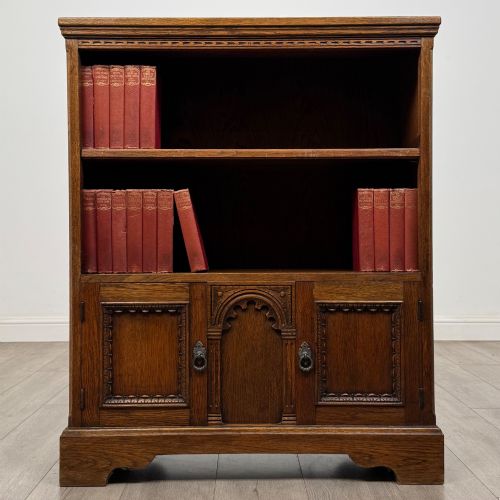
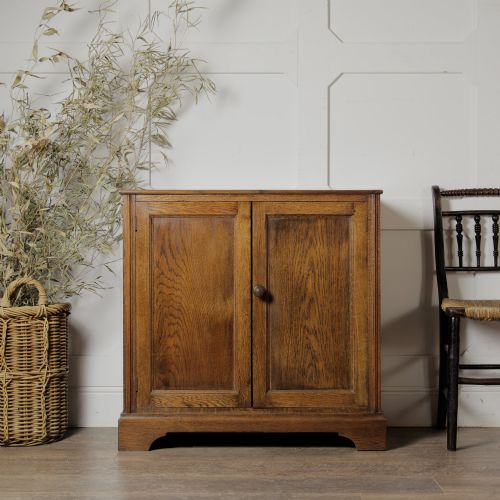
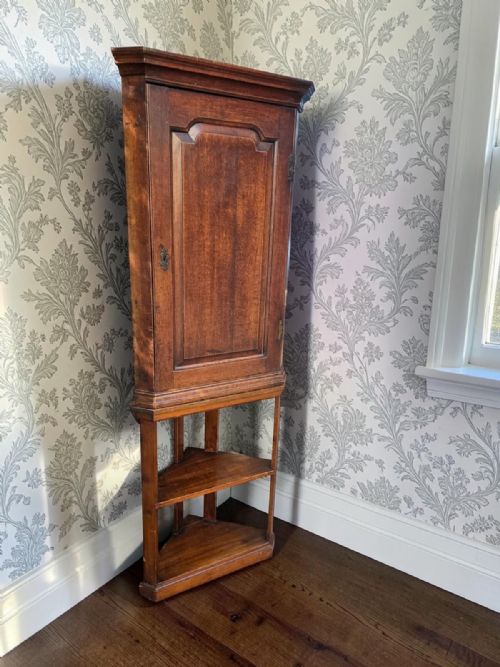
An antique oak storage unit encompasses a wide assortment of functional furniture designed to hold household goods, books and office paperwork. When you search for this phrase, you encounter forms ranging from Georgian and Victorian corner cupboards to Edwardian tambour front filing cabinets, bookcases and chests of drawers.
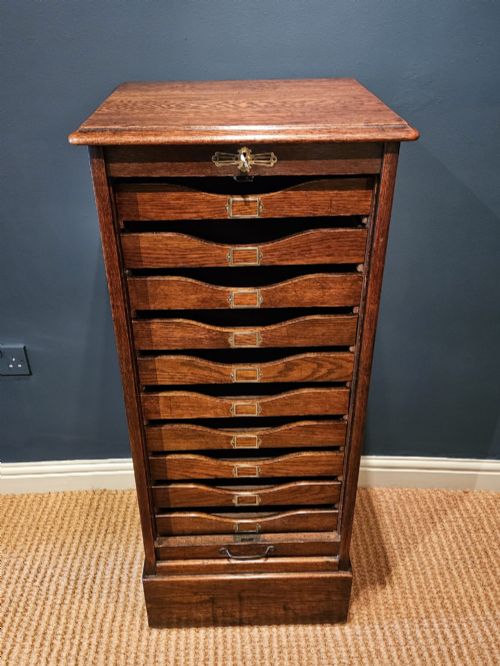
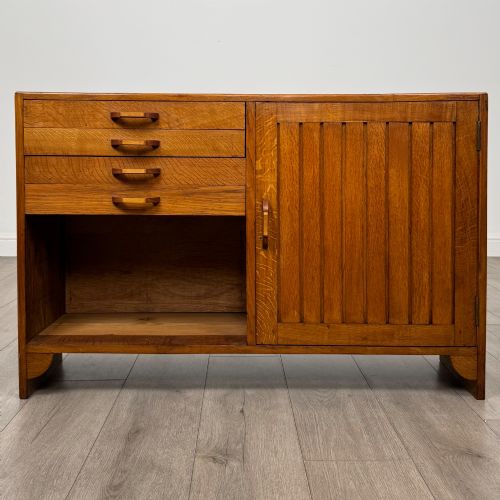
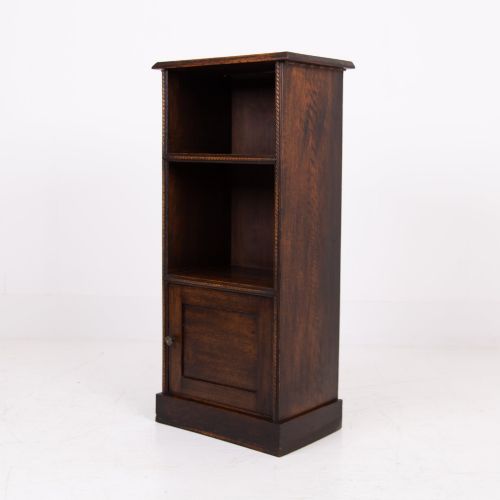
The pieces listed on this page span several centuries, with a strong representation of Edwardian and early twentieth-century examples alongside eighteenth-century Georgian items. You are most likely to meet practical office cabinets with roller shutters, open bookcases, and compact corner cupboards intended to maximise domestic floor space.
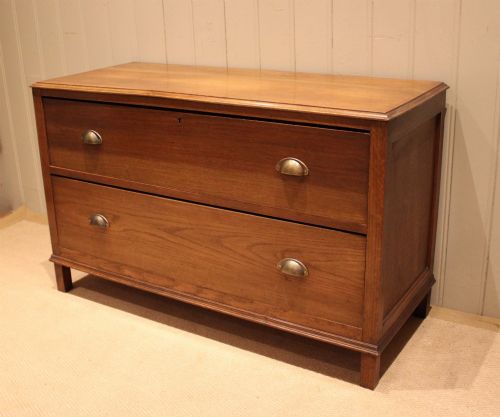
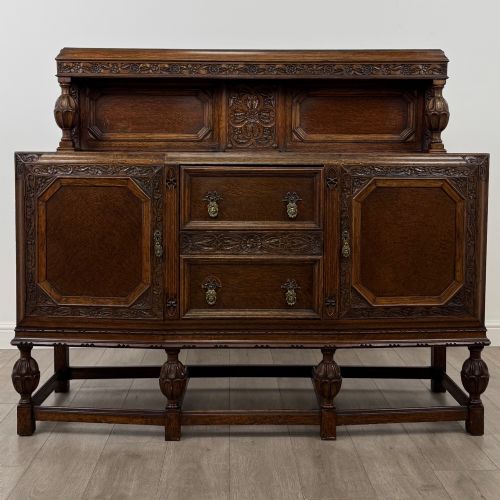
Object types include sideboards, display cabinets, larder cupboards and chests with multiple drawers, all constructed primarily from timber. Their origins cross regional British workshops as well as continental and international examples like French double tambour units.
Materials and construction methods
The primary material across these forms is solid oak, supplemented occasionally by pine and golden oak. Metal, brass, iron and lead hardware such as hinges, handles and glazing bars provide structural support and closure.
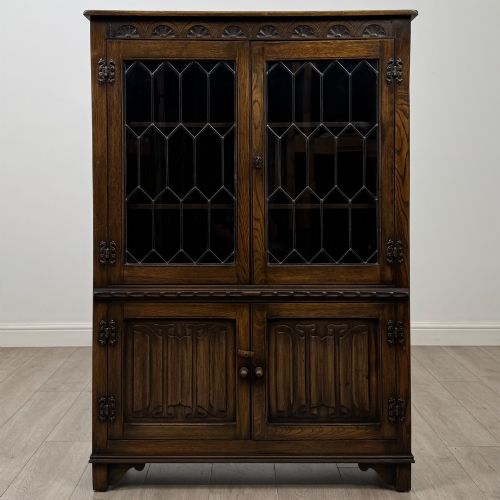
Makers utilised traditional joinery alongside specialised mechanisms, evident in the slatted wooden tambour fronts of office filing cabinets and glazed panels in display bookcases. Carving, linenfold panelling, geometric mouldings and inlay provide decorative detail without compromising the utility of the storage space.
Some chests hide secret compartments alongside five regular drawers, rewarding curious hands with hidden storage spaces.
Evaluating the standard of construction
Quality in an oak storage piece rests on the selection of timber and the precision of the joinery, particularly in moving parts like tambour shutters, drawers and cabinet doors. Superior examples display carefully matched grain, robust corner joints and integrated hardware that operates smoothly.
Finer pieces separate themselves through restrained carving, balanced proportions and thoughtful internal fittings such as fitted shelves or secret drawers. Simpler utilitarian items rely purely on solid timber thickness and straightforward construction to endure daily use.
Heals
The Antique Oak Storage Unit Glossary
- Tambour
- A flexible shutter made from narrow strips of wood glued to a canvas backing, allowing it to slide smoothly around a curved track on office filing cabinets.
- Linenfold
- A style of relief carving resembling folded linen, frequently used on panels of Edwardian cupboards and revival furniture.
- Bow front
- A convex curved cabinet front, seen on Georgian corner cupboards and chests of drawers which soften room angles.
- Glazed cabinet
- A storage unit with glass panels fitted into the doors or sides to display books and porcelain while protecting them from dust.
- Corner cupboard
- A specialised storage unit designed to fit snugly into the corner of a room, saving floor space while utilising neglected angles.
Antique Oak Storage Unit: Frequently Asked Questions
What is a tambour front cabinet?
A tambour cabinet uses a flexible shutter of narrow wooden slats running in a tracked groove to enclose shelves or filing drawers. This clever sliding mechanism saves exterior clearance space compared to standard hinged doors.
Such office and domestic units appear frequently in early twentieth-century oak formats, combining secure document storage with compact desk integration.
How do I use a corner cupboard today?
Corner cupboards provide vertical storage that utilises awkward room angles without dominating floor space. They suit dining rooms for tableware or living spaces for books and collections.
Wall hanging versions mount easily above desks or sideboards, while floor standing models anchor empty room corners with period timber character.
How do I date an oak storage unit?
Dating relies on examining construction methods, hardware materials, and stylistic revival markers such as Jacobean linenfold or Georgian proportions. Eighteenth-century pieces often show hand-cut dovetails and pegged joints, whereas Edwardian and later pieces utilise machine-sawn timber and roller tracks.
Makers' marks, brass handles, and lock types further narrow the manufacturing window across Georgian, Victorian, and twentieth-century eras.
Are these units suitable for modern books?
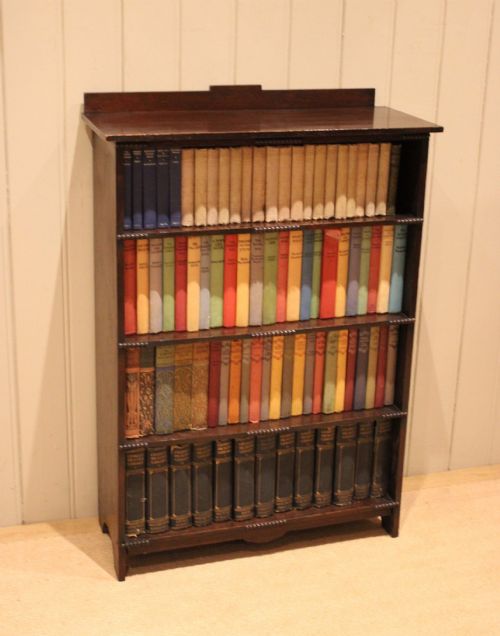
Many open bookcases and cupboards accommodate modern book sizes easily, though older shelf depths can vary. Measuring shelf clearances helps ensure larger volumes or binders fit comfortably inside.
Adjustable shelving remains less common in older pieces, making it wise to check internal dimensions before storing oversized folios.