

Antique Oak Sideboard Drawers
These antique oak sideboard drawers combine utility and grain, offering solid timber storage suited to traditional or modern interiors.
Antique Oak Sideboard Drawers
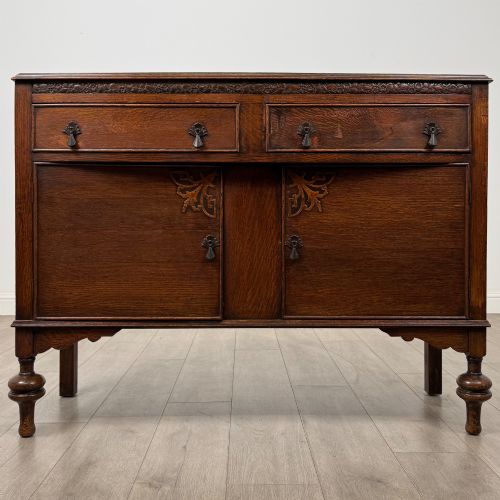
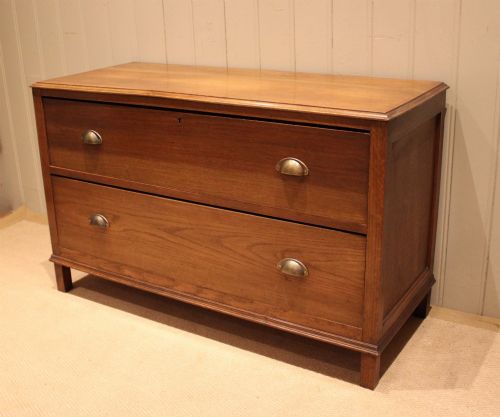
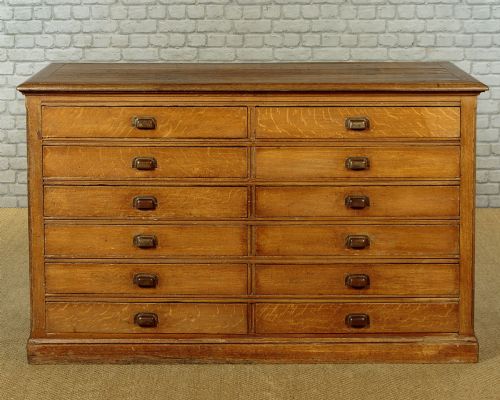
When searching for antique oak sideboard drawers, buyers encounter substantial timber storage units designed primarily for dining rooms and kitchens. These pieces serve practical organizational needs while displaying the prominent grain characteristic of early cabinetmaking.
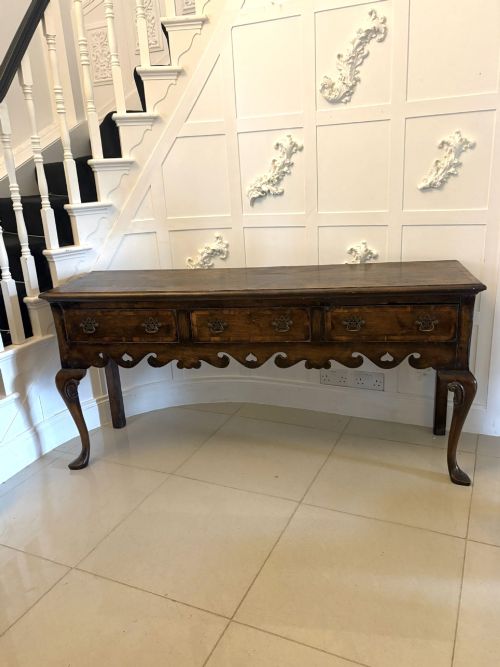
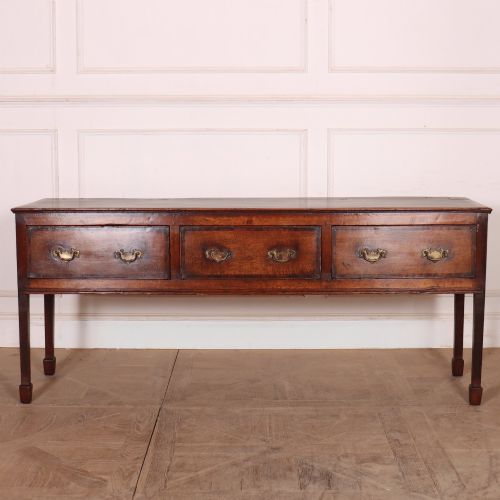
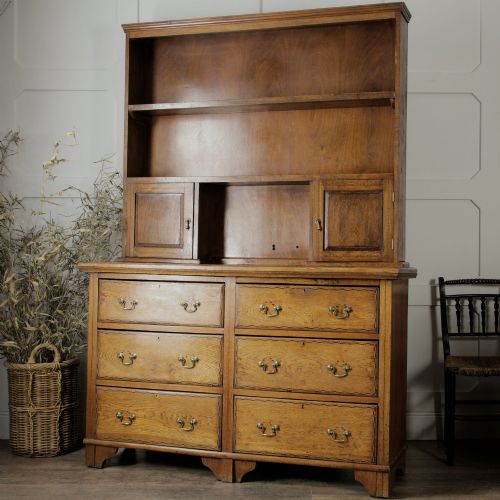
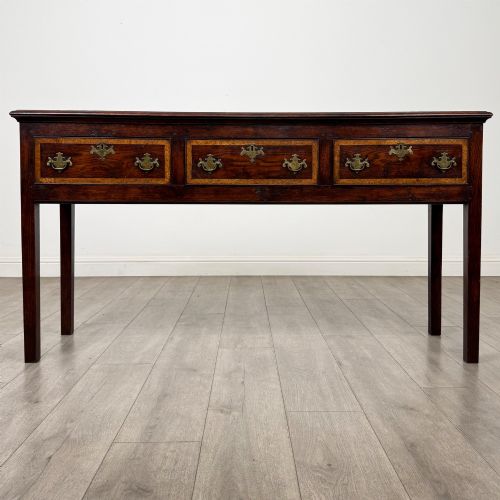
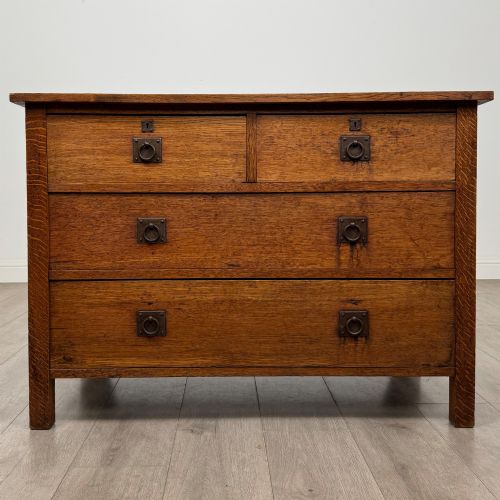
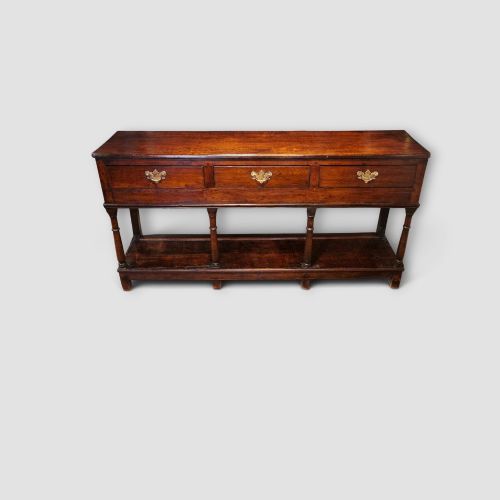
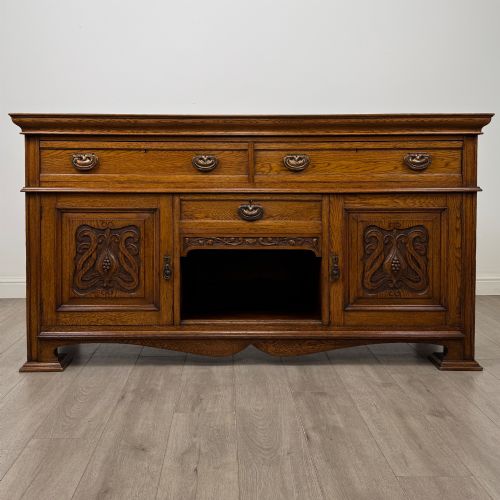
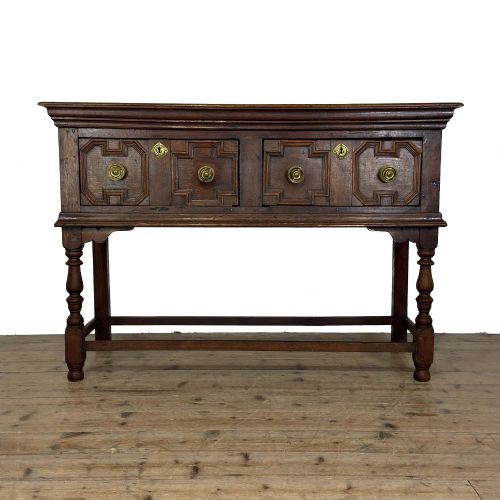
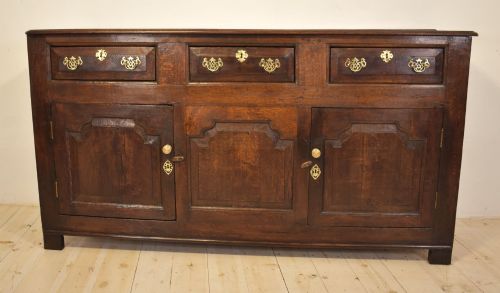
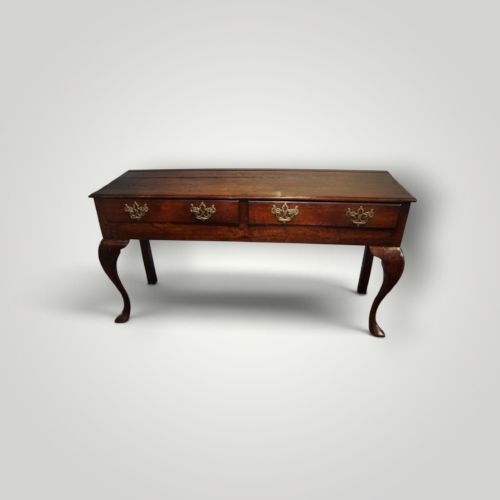
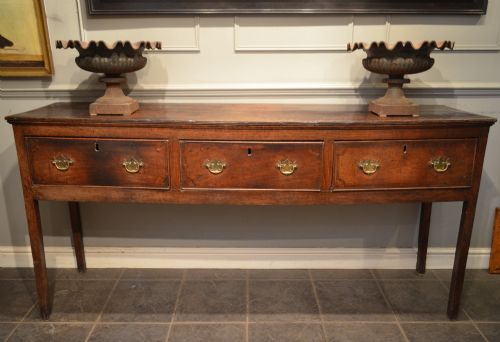
The selections on this page span several distinct forms, most notably dresser bases, potboard dressers, low chests of drawers, and serving tables. Pieces range from straightforward utilitarian furniture to highly decorative examples incorporating period revival details.
Origins stretch across multiple eras, incorporating eighteenth-century Georgian designs alongside nineteenth-century iterations, Victorian examples, and early twentieth-century Edwardian or Arts and Crafts interpretations.
Materials and construction methods
Construction relies heavily on solid oak timber supplemented occasionally by secondary woods such as pine, fruitwood, and mahogany. Cabinetmakers utilised this durable material to build robust frameworks capable of withstanding heavy daily use.
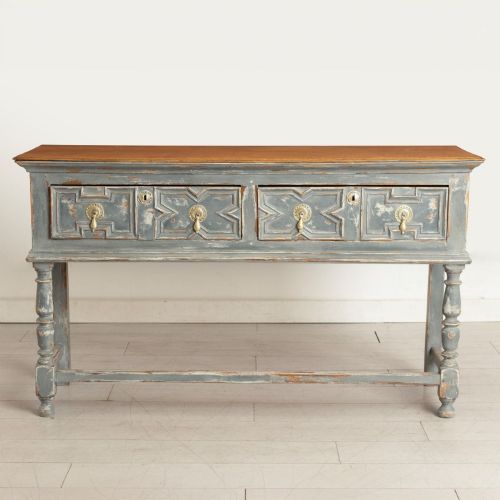
Hardware elements incorporate brass and iron for handles, escutcheons, and hinges, adding functional contrast to the wood surfaces. Some examples also display traces of paint or specialised inlay work to ornament the drawer fronts and panels.
Some nineteenth-century drawers still retain faint traces of old flour or spice dust trapped inside the dovetail corners.
Factors separating standards of craftsmanship
Quality differences depend largely on the selection of timber and the precision of the joinery used in the drawer construction. Superior examples exhibit carefully matched grain patterns and tight, enduring joints that resist movement over centuries.
The presence of period-correct hardware and thoughtful decorative carving separates standard utilitarian pieces from exceptional ones. Refined proportions and untouched original surfaces elevate the standing of a sideboard within its historical category.
The Antique Oak Sideboard Drawers Glossary
- Potboard
- An open lower shelf built into the base of a dresser, historically used for storing pots and domestic utensils.
- Dresser base
- A low sideboard form featuring multiple working drawers above cupboards or an open potboard structure.
- Geometric moulded
- A decorative front treatment utilising raised mouldings applied in rectilinear or geometric patterns.
- Coffer bach
- A small Welsh chest traditionally utilised for storing valuables or linen, often raised on feet or a drawer base.
- Cabriole leg
- A furniture leg that curves outward and then tapers inward, inspired by animal limbs and common in Georgian design.
Antique Oak Sideboard Drawers: Frequently Asked Questions
How do I date an oak sideboard?
Dating relies on examining construction techniques, hardware types, and stylistic indicators such as geometric mouldings or cabriole legs.
Early pieces display hand-cut joinery and signs of ageing on the timber surface, whereas later revival items often incorporate machine-cut elements.
Where should I place a sideboard?
These pieces function effectively in dining rooms, hallways, and large kitchens where sturdy surface space and drawer storage are required.
Keep them away from direct heat sources to prevent the solid oak timber from drying out or splitting over time.
How do I care for antique oak?
Maintain the finish by dusting regularly with a soft, dry cloth and applying natural beeswax sparingly to nourish the grain.
Avoid chemical polishes and excessive moisture, which can damage the historic patina of the wood surface.