



Antique Oak Reading Chair
An antique oak reading chair provides solid support and sturdy comfort for hours with a book.
Antique Oak Reading Chair
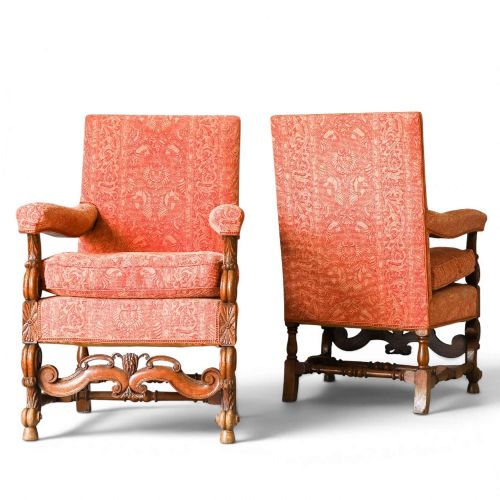
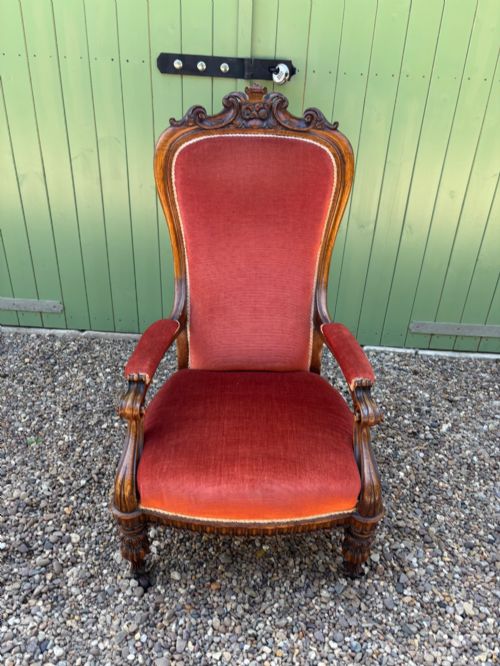
An antique oak reading chair combines sturdy timber construction with upholstered seating designed for extended periods of sitting with a book. These seating forms range from substantial library armchairs and wingbacks to adjustable recliners and Windsor stick-back country chairs.
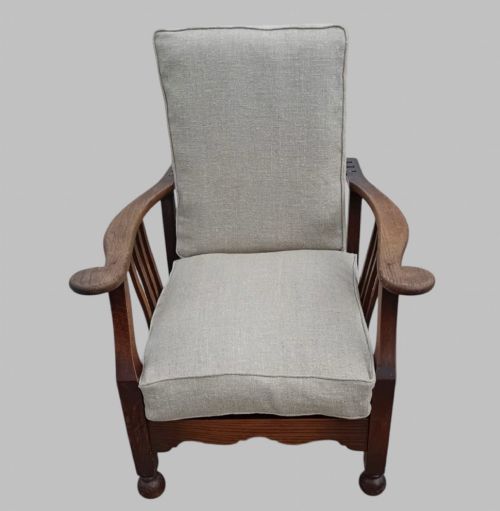
The pieces appearing on this page span the Victorian and Edwardian eras alongside the 19th Century, incorporating Revival styles such as Gothic, Arts and Crafts, and French Renaissance. A buyer most frequently encounters solid oak frames paired with leather or fabric upholstery, alongside cane panels and elm seats.
Materials and construction methods
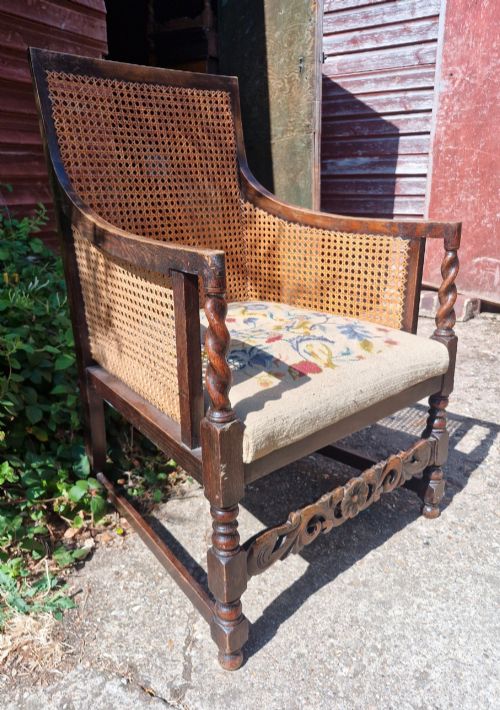
Makers built these frames using heavy oak timbers, frequently augmented by secondary woods like elm for seats and structural elements in country windsor variants. Turnings, barley twist supports, and carved details give architectural presence to the heavier library and Gothic revival forms.
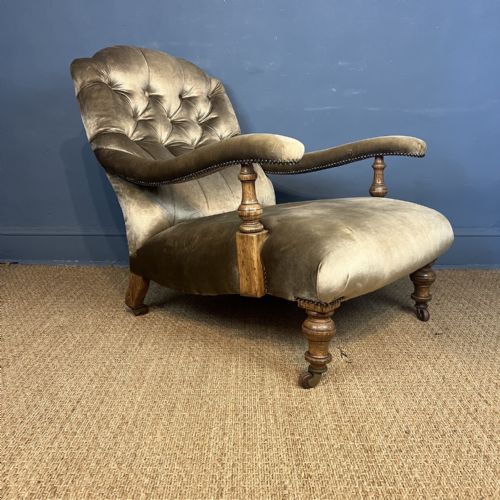
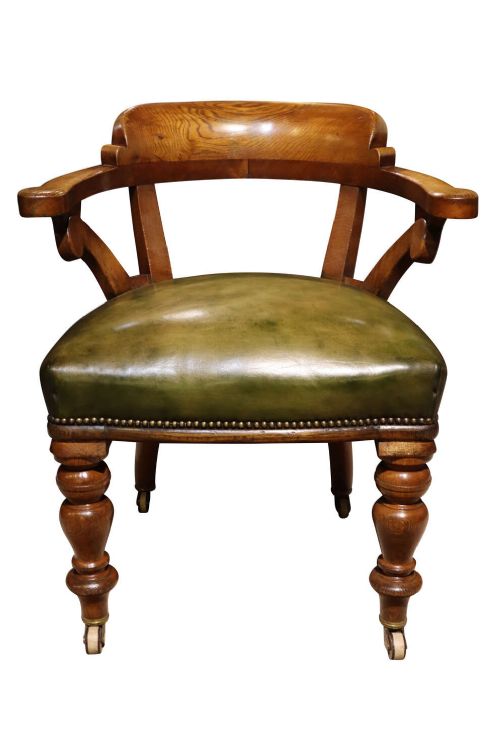
Upholstery relies on traditional stuffing secured within leather, fabric, or velvet coverings, fastened with brass tacks. Cane panels appear woven into bergere frames, while adjustable reclining mechanisms incorporate metal and brass components to alter the back angle.
Listings feature oak combined with brass, leather, fabric, velvet, cane, metal, and elm across Victorian and Edwardian periods.
Distinctions in execution and design
The distinction between standard examples and the finest works rests upon the depth of the carving, the selection of figured timber such as pollard or golden oak, and the integrity of the original frame construction. Generous proportions and matched pairs elevate certain library armchairs above single everyday seating.
Original upholstery materials and functioning mechanical adjustments for reclining influence the standing of a piece. Subtle details like lion carvings or specialised forms such as cockfighting chairs reflect greater ambition from the maker.
Goodyers of London
The Antique Oak Reading Chair Glossary
- Bergere
- A closed-arm armchair with cane woven panels set into the wooden frame. This French-inspired form offers lighter visual weight while retaining solid oak structural support.
- Wingback
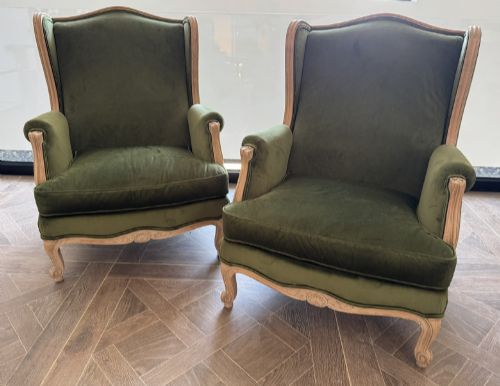
- An armchair featuring high side panels designed to shield the sitter from drafts by the hearth. These upholstered pieces frequently incorporate deep leather coverings and substantial oak legs.
- Library armchair
- A robust upholstered seat intended for prolonged study and reading in domestic or institutional settings. They often feature generous proportions and padded armrests.
- Arts and Crafts
- A style emphasising honest construction, simplified lines, and visible craftsmanship. Oak chairs from this movement highlight the natural grain of the timber without excessive ornamentation.
- Barley twist
- A carved wooden furniture leg or stretcher shaped into a spiral rotation resembling twisted barley sugar. This decorative turning appears frequently on mid-Victorian oak frames.
Antique Oak Reading Chair: Frequently Asked Questions
How were these chairs used historically?
These chairs served readers in private libraries, studies, and fireside settings where comfortable, upright support mattered. Adjustable mechanisms allowed sitters to alter their posture for different tasks.
Library variants provided generous proportions for long hours of study, while country Windsor versions offered durable seating in domestic spaces.
How do I care for leather upholstery?
Leather upholstery requires gentle cleaning with a soft cloth and occasional conditioning to prevent the hide from drying out. Avoid placing the chair in direct sunlight to protect the material.
Maintaining a stable room temperature helps preserve both the leather covering and the underlying oak frame.
How can I tell Victorian from Edwardian pieces?
Victorian oak chairs often display heavier ornamentation, dark finishes, and Revival styles like Gothic or Renaissance details. Their proportions tend to be robust and monumental.
Edwardian examples frequently show lighter construction, simpler lines influenced by the Arts and Crafts movement, and brighter golden oak tones.