


Antique Oak Flap Table
An antique oak flap table offers sturdy timber, folding leaves, and centuries of domestic use, making it a versatile choice for modern dining rooms and studies.
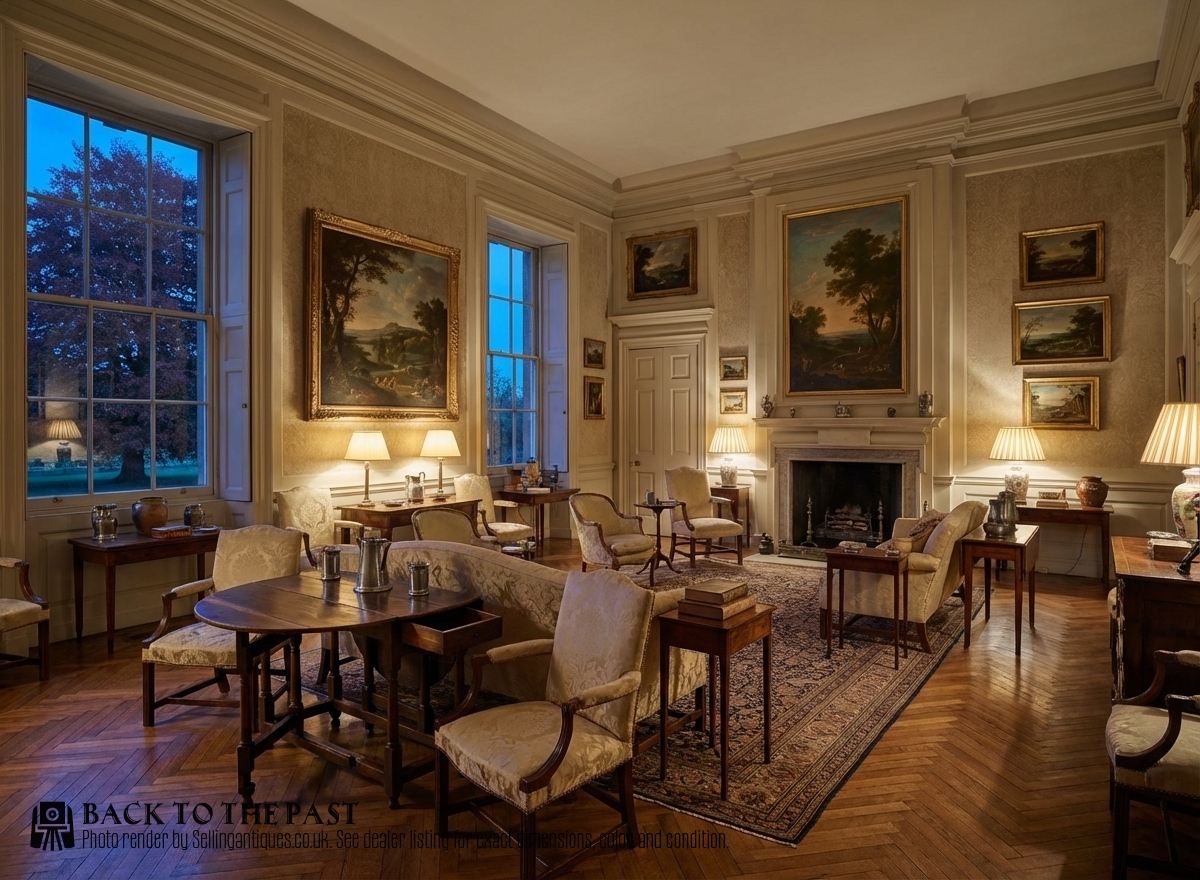
Antique Oak Flap Table
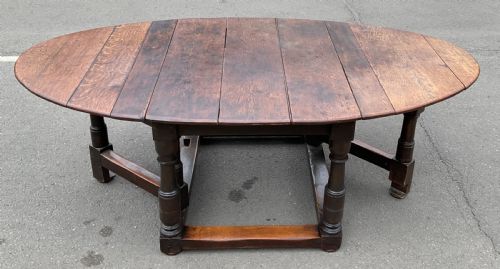
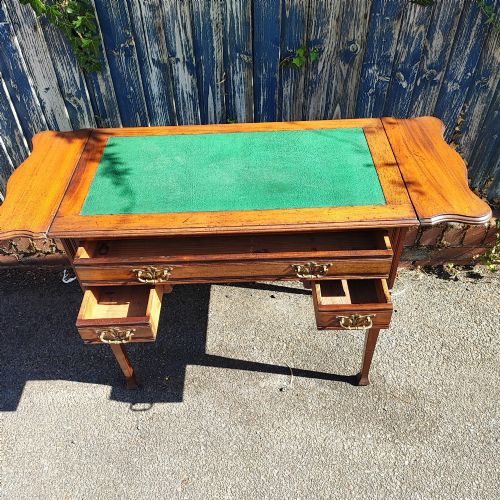
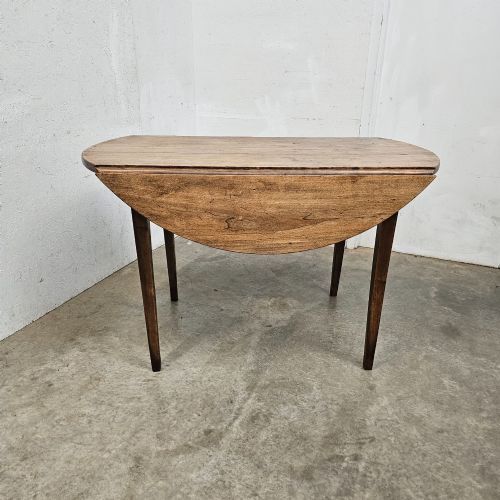
When you search for an antique oak flap table, you encounter practical folding furniture spanning several centuries of British and European cabinet making. The pieces range from substantial dining formats down to compact coffee tables and writing desks.
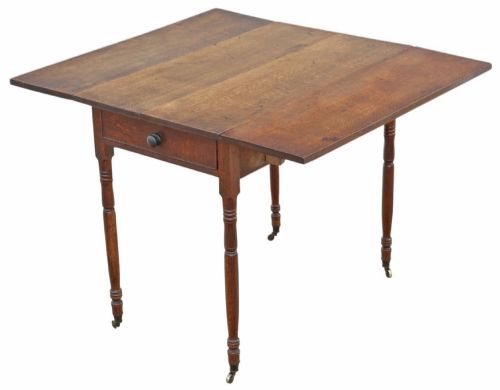
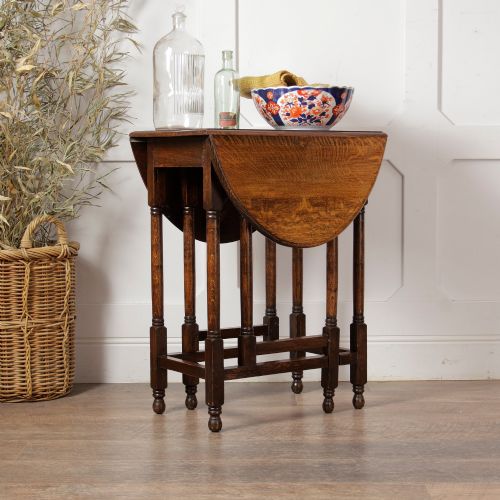
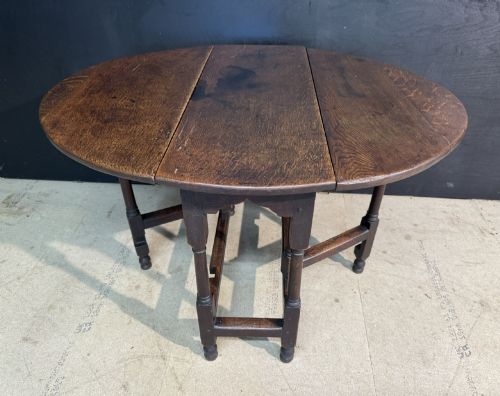
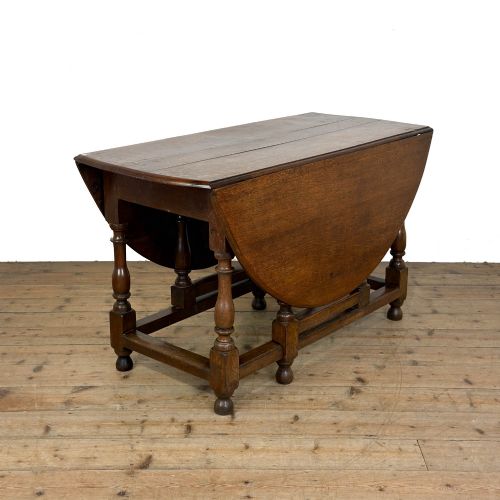
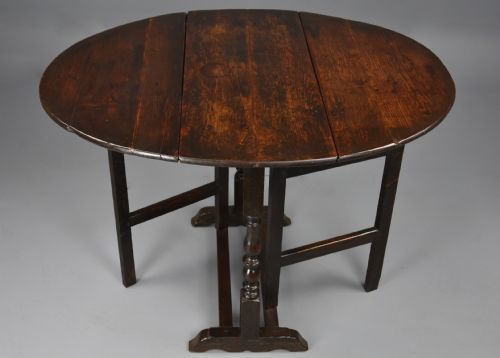
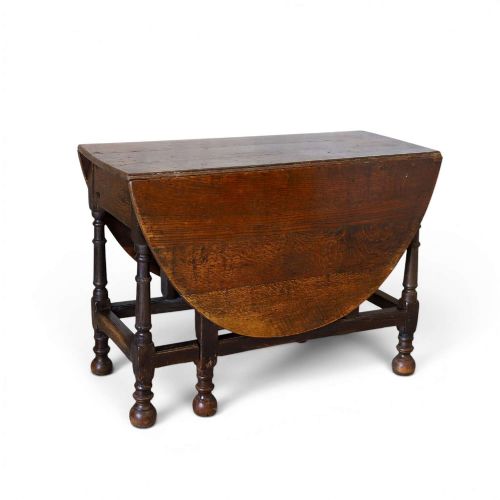
Gateleg construction dominates the selection, where hinged flaps supported by pivoting legs expand the surface area from a narrow profile into an oval or rectangular top. You also meet drop-leaf Pembroke designs and simple side tables with sliding or dropping leaves.
The material palette centres firmly on solid oak, frequently paired with secondary timbers like fruitwood or enhanced with brass and iron hinges. Surviving examples date from the late seventeenth century through the Georgian era and into early twentieth-century revivals.
Materials and construction methods
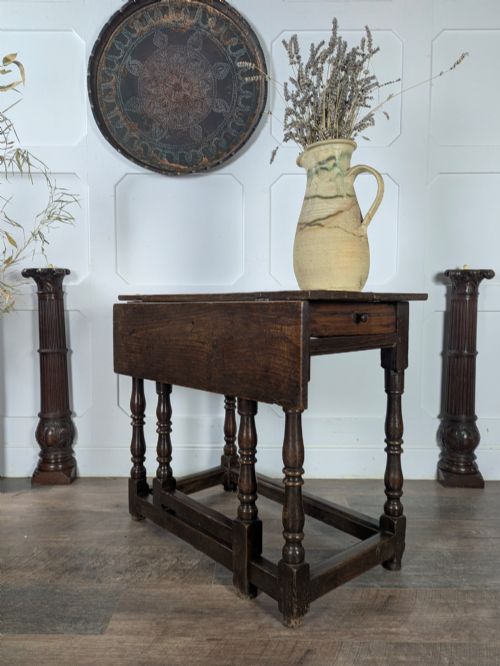
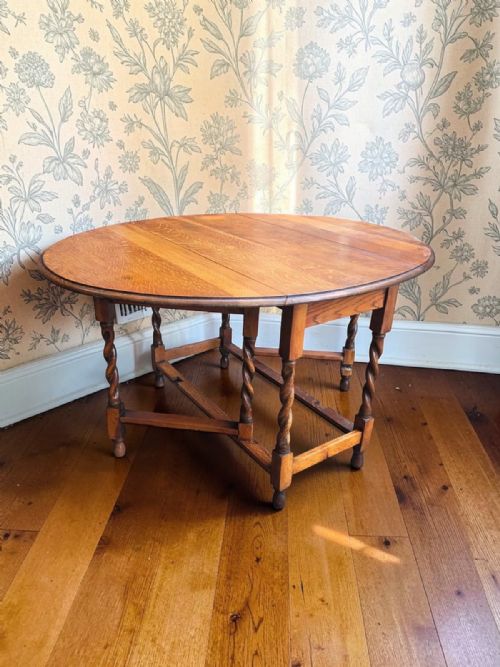
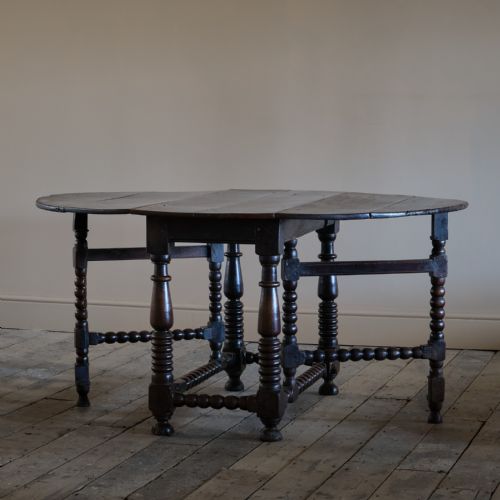
Joiners built these tables primarily from solid oak, utilising heavy timber boards for the tops and framing the bases with pegged mortise and tenon joints. Turned supports such as bobbin turnings, barley twists, or baluster posts provide the structural skeleton for the folding leaves.
Hardware played a fundamental role in longevity, relying on hand-forged iron or brass hinges and pivots to bear the daily stress of raising and lowering the flaps. Surface finishing typically involved wax polishing over decades, building a warm patina across the grain.
Antique Oak Flap Table Retail Price Guide 2026
Typical asking prices for oak flap table among the pieces listed under this phrase on Sellingantiques today, from the lower quarter to the upper quarter. They describe what is for sale here now, not the wider market.
Listings feature oak tables spanning the seventeenth century through to 1930, incorporating Jacobean, Georgian, and Regency stylistic revivals.
Distinctions in craftsmanship and survival
The primary marker of quality lies in the integrity of the timber and the tightness of the original joints, where heavier seventeenth-century gatelegs demand robust frame construction to prevent sagging under the weight of the leaves. Tables retaining their original iron or brass hinges and early surface patination hold significantly more historical integrity than those rebuilt with modern replacements.
Proportion and scale also dictate the desirability of a piece, as smaller seventeenth-century formats and neatly turned barley-twist examples from later revival periods require finer carpentry to balance mobility with structural load.
The Antique Oak Flap Table Glossary
- Gateleg table
- A table with hinged leaves supported by one or more legs that swing outward like a gate. This design provides robust support for drop-down flaps.
- Barley twist
- A spiral turning carved into table legs or stretchers, popular in seventeenth-century English furniture and later revival periods.
- Bobbin turning
- A series of rounded, spool-like shapes carved along the length of a wooden leg or support, common on early oak furniture.
- Pembroke table
- A rectangular drop-leaf table featuring two hinged flaps on opposite sides and usually a drawer beneath the top.
- Patina
- The surface sheen and colour developed over centuries through handling, waxing, and ageing of the timber grain.
Antique Oak Flap Table: Frequently Asked Questions
How do I care for an oak flap table?
Feed the timber periodically with a traditional beeswax polish and avoid placing the piece near direct heat sources that might cause the solid oak top to split.
Keep the humidity in the room stable to protect the antique wooden hinges and moving gateleg joints from warping over time.
Where were gateleg tables used?
These tables served primarily in kitchens and dining parlours where floor space needed to be reclaimed between meals by dropping the leaves.
Smaller formats functioned as side tables or writing desks in parlours, adapting easily to rooms requiring flexible furniture arrangements.
How do I identify a seventeenth-century table?
Look for heavy pegged mortise and tenon joinery, hand-turned bobbin or baluster legs, and heavy oak boards that show deep patination and tool marks.
Early pieces often feature distinct hand-forged iron hinges and lack the machine-cut precision found in later nineteenth-century revival iterations.
What is a drop-leaf Pembroke table?
A Pembroke table is a compact form featuring narrow folding leaves on either side, originally designed for breakfast use or light writing.
These pieces often include a single small drawer and slender legs, distinguishing them from the heavier gateleg dining formats.