

Antique Oak Figure
An antique oak figure brings centuries of hand-carved devotional and secular presence into a room.
Antique Oak Figure
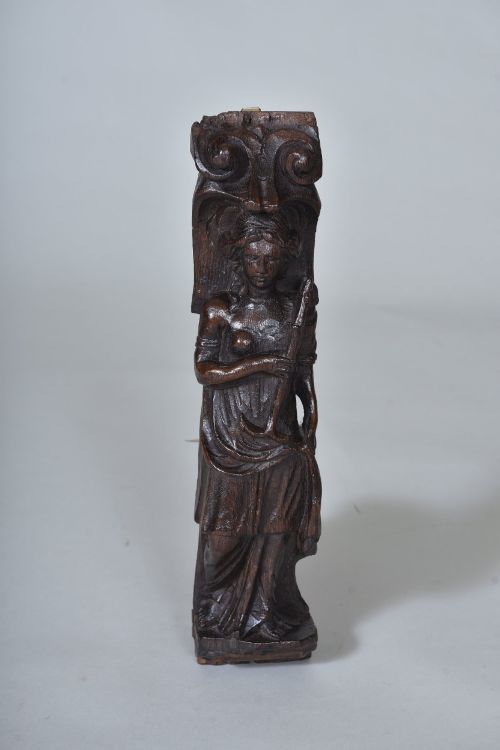
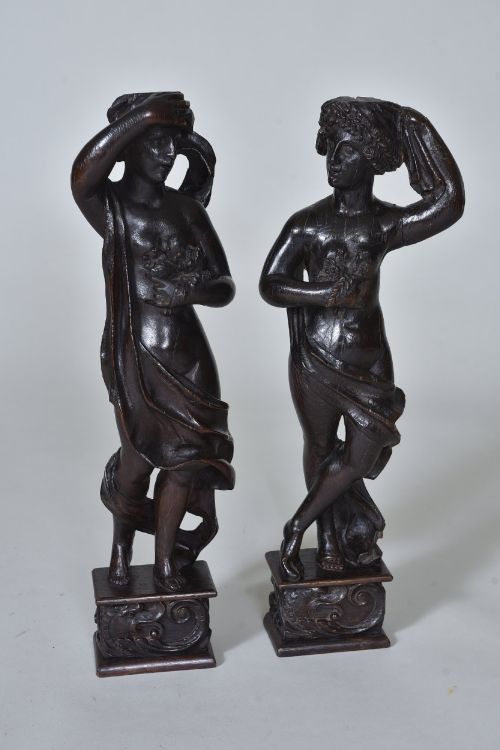
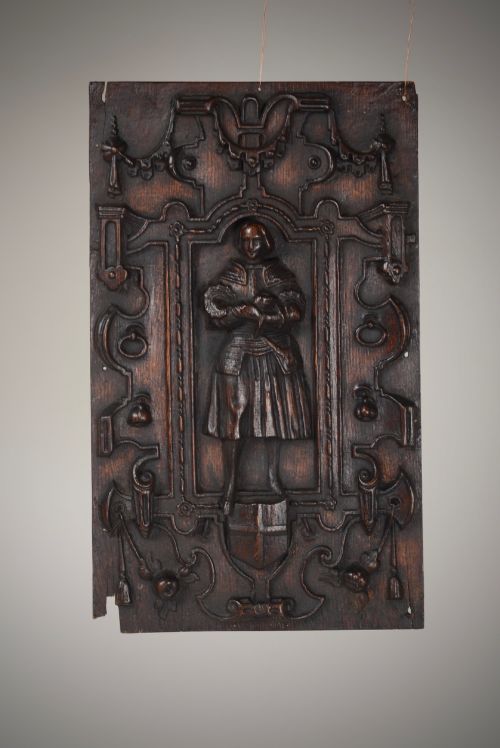
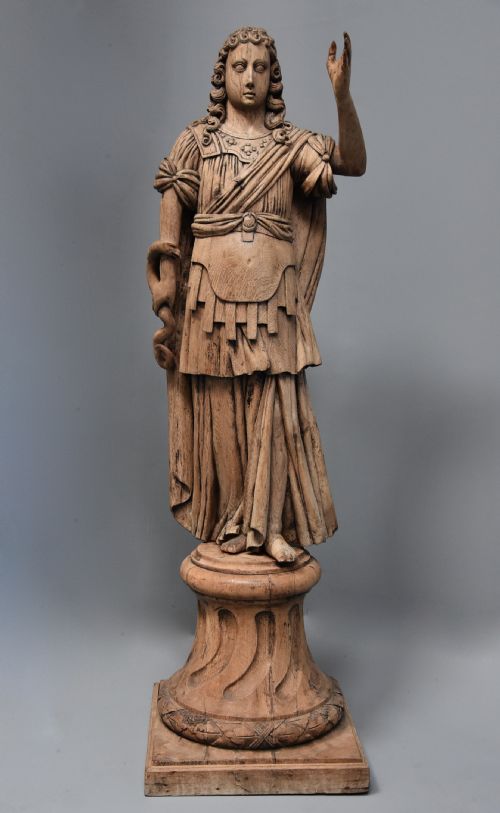
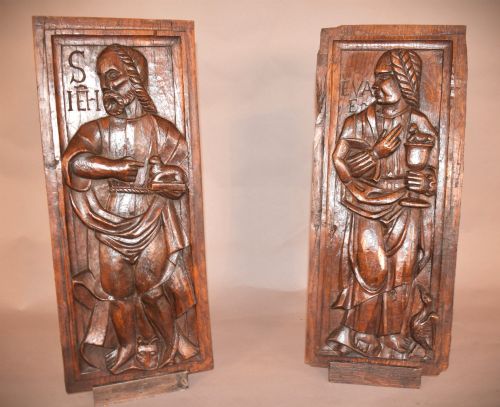
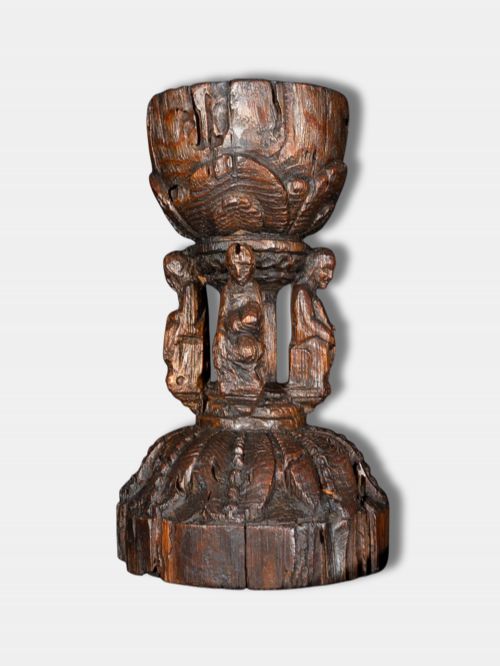
An antique oak figure encompasses carved representations of saints, religious figures, animals, and classical subjects produced across the sixteenth, seventeenth, and eighteenth centuries. These works originate from domestic workshops and continental ecclesiastical settings, shifting from medieval devotional pieces to later decorative interpretations. Buyers encounter standalone sculptures, architectural fragments, and panel reliefs carved from dense timbers.
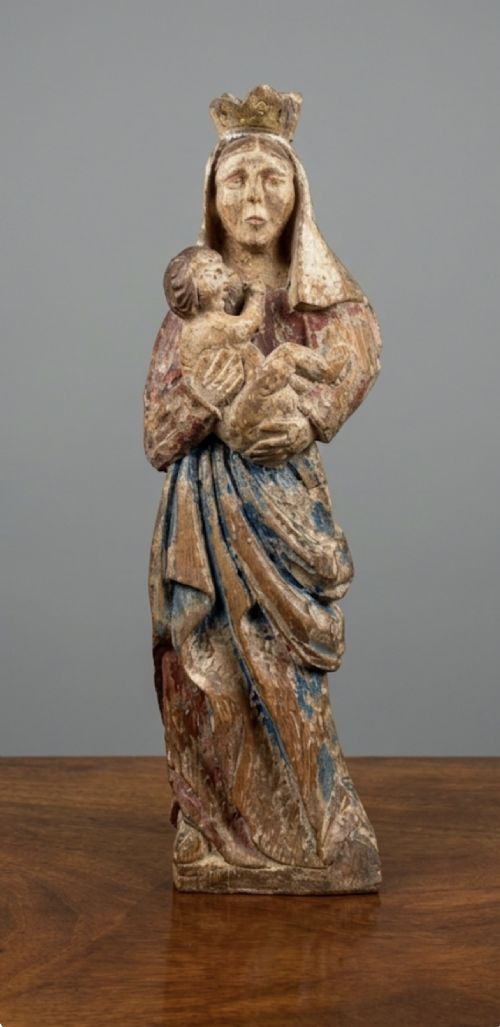
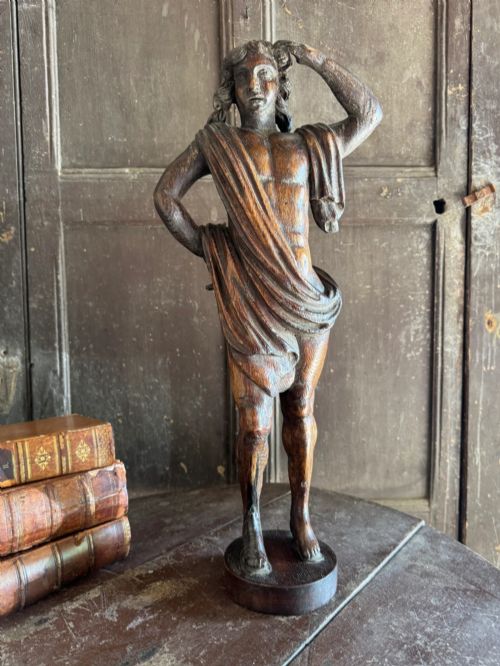
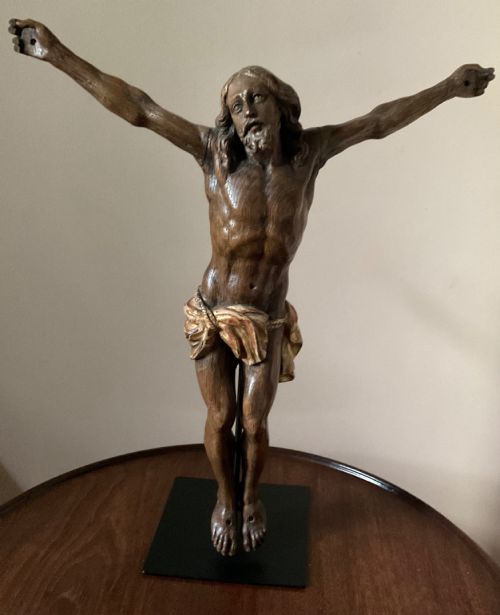
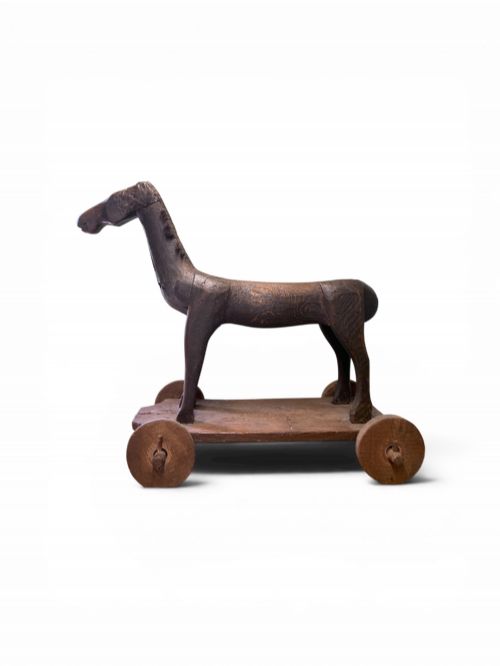
Religious subjects dominate the earlier periods, including depictions of the Madonna and child, saints, and corpus Christi figures carved during the sixteenth and seventeenth centuries. Secular carvings, such as caryatids, lions, and naive farm workers, emerge more frequently in later nineteenth-century revival styles. The surviving examples range from small devotional panels to substantial life-sized Continental sculptures.
Materials and Techniques
Carvers utilised slow-grown oak and related hardwoods such as elm, relying on hand chisels and gouges to shape the dense grain. The material required patient reduction, leaving tool marks that reveal the rhythm of the maker's hand across the surface. Many figures were originally painted or polychromed, though centuries of handling have often left exposed timber with a deep, patinated finish.
Construction methods varied according to scale, with smaller sculptures carved from single blocks of timber while larger figures and architectural panels often joined multiple sections of wood. Regional workshops employed specific jointing techniques to accommodate the natural movement of oak as it seasoned over generations. Subsequent finishes ranged from applied pigments to dark wax polish.
An inquisitive owl carved from Irish oak once served as an inkstand on a Victorian desk.
Markers of Quality
Quality rests in the anatomical conviction and psychological depth of the carving rather than mere scale or decorative elaboration. Master carvers captured drapery that falls with convincing weight and facial expressions with individual character, whereas lesser pieces rely on rigid symmetry and repetitive tool work. The vitality of the form distinguishes a competent workshop product from a truly accomplished sculpture.
Surface preservation significantly influences the standing of a piece, particularly the presence of untouched historic patination versus heavy modern restoration. Intact original polychrome or a deep, natural wax finish over sound timber indicates careful custodianship through the centuries. Structural integrity, including the stability of historical joints, completes the assessment of worth.
Franz Keller·Hindley and Sons·Johnson and Appleyards·Shoolbred
The Antique Oak Figure Glossary
- Caryatid
- A carved architectural figure serving as a structural pillar or support, frequently taking the form of a draped female classical figure. These elements often appeared on chimneypieces, cabinets, and pedestals.
- Corpus Christi
- A representation of the body of Jesus Christ on the cross, often carved in wood during the medieval and seventeenth-century periods. These figures formed the central focus of church roods and private devotional shrines.
- Polychrome
- The practice of decorating architectural elements, sculpture, and pottery in a variety of brilliant colours. Surviving traces on early oak figures indicate their original vivid appearance.
- Donor figure
- A portrait of the person who commissioned a religious work of art, shown kneeling or standing in prayer near saints or the Madonna. These sculptures typically date from the late Gothic and Renaissance periods.
- Pediment
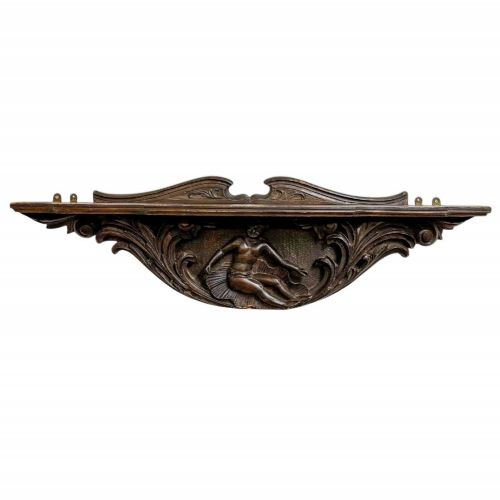
- A triangular or curved architectural crown placed above doors, overdoors, or furniture units. In oak carving, these components often incorporated relief panels or central figural ornaments.
Antique Oak Figure: Frequently Asked Questions
Where were these carvings displayed originally?
Religious sculptures originally stood in churches, private chapels, and domestic shrines as objects of daily devotion or architectural embellishment. Many functioned as altarpieces, panel reliefs, or overdoor pediments within substantial European buildings.
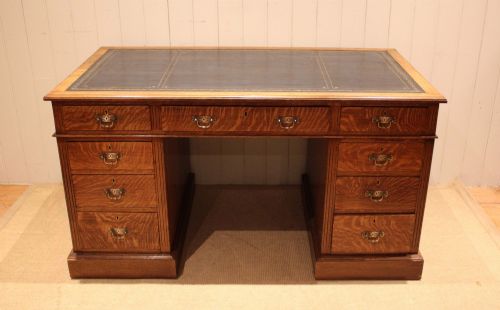
Secular figures often adorned furniture, wall brackets, or library desks in country houses and institutional settings. Today, collectors place them on occasional tables, pedestals, or mount them directly onto walls as standalone works of art.
How should I care for antique oak?
Maintaining carved oak requires stable indoor humidity and protection from direct sunlight, which can dry out the timber and cause splits. Occasional applications of a neutral, high-quality wax help preserve the historic surface without building up excessive residue.
Dusting should be performed gently with a soft, dry brush to avoid catching delicate carved details or fragile paint layers. Modern chemical polishes must be avoided entirely, as they damage the aged patina of the wood.
Are these figures solid wood?
Most antique figures are carved from solid blocks of oak or hardwood, though larger compositions may be constructed from joined panels. This solid construction accounts for their considerable weight and durability over the centuries.
Examining the underside or reverse of a sculpture usually reveals the grain structure and confirms whether the piece is carved from a single log or assembled from multiple seasoned sections.