



Medieval Church
A medieval church antique carries centuries of ritual and devotion, offering a tactile piece of ecclesiastical history for the home.
Medieval Church
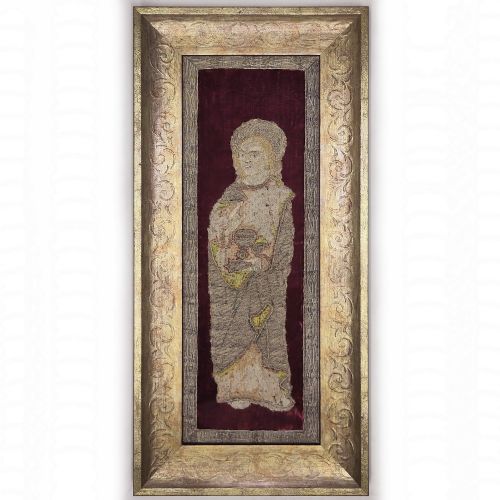
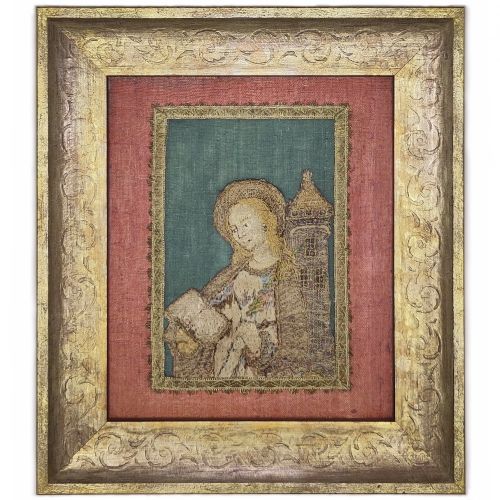
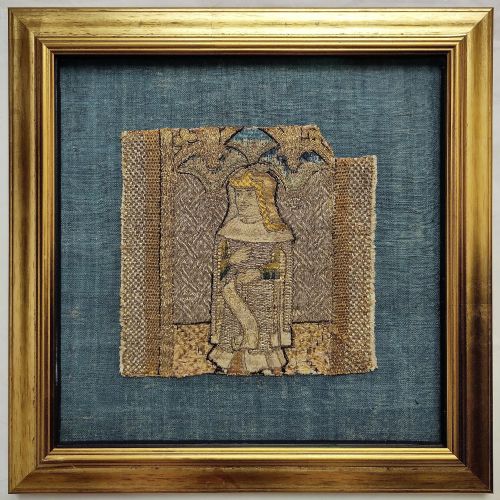
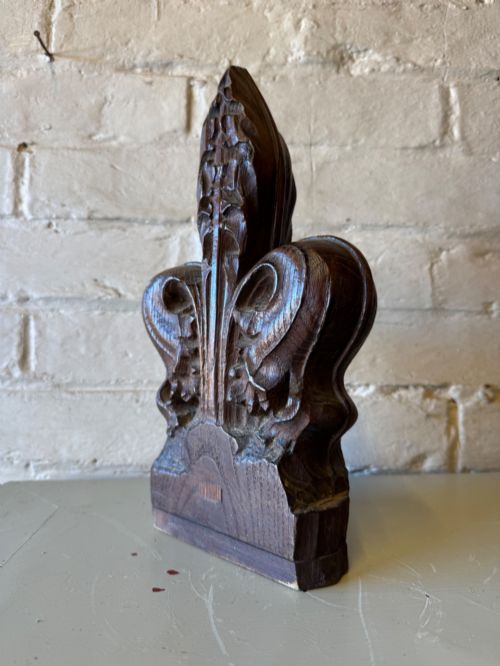
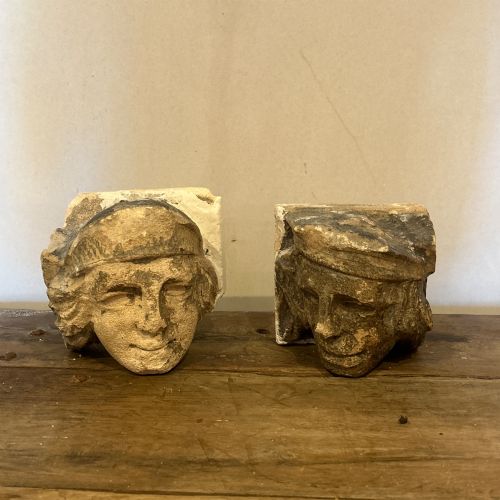
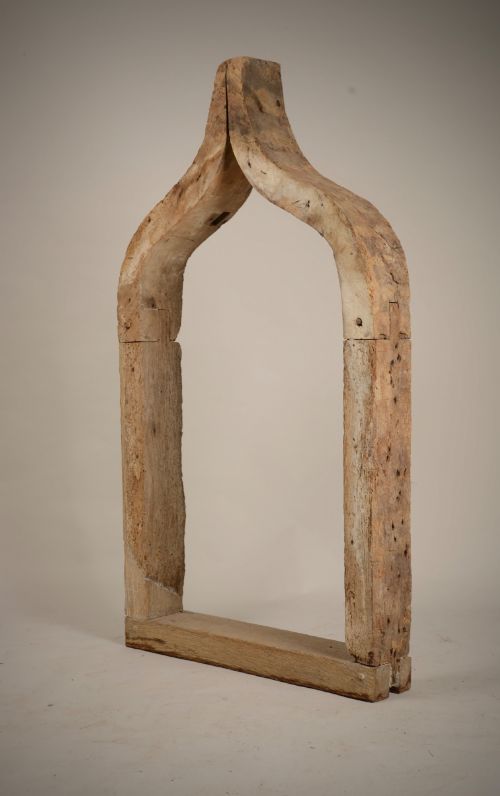
A medieval church antique encompasses sacred artefacts and architectural salvage originating from ecclesiastical spaces, bridging centuries of history. When exploring this category, buyers encounter objects ranging from stone corbels and window frames to carved wooden saints and altarpiece panels.
The selections span from pre-16th century carvings and 16th century sculptures to later Gothic Revival interpretations from the 19th century. English, German, and Franco-Spanish origins appear frequently across the inventory, reflecting diverse European workshop traditions.
The inventory leans heavily towards devotional figures in oak and limestone, alongside ecclesiastical metalwork such as copper pyxes and brass chandeliers. Buyers most often meet timber statues of saints and architectural fragments that once belonged to grand religious buildings.
How they were made
Craftsmen utilised native timber such as oak for statues and panels, carving intricate drapery and facial expressions directly into the dense grain. Stone carvers shaped limestone and sandstone into architectural elements like corbels and window frames using heavy chisels and mallets.
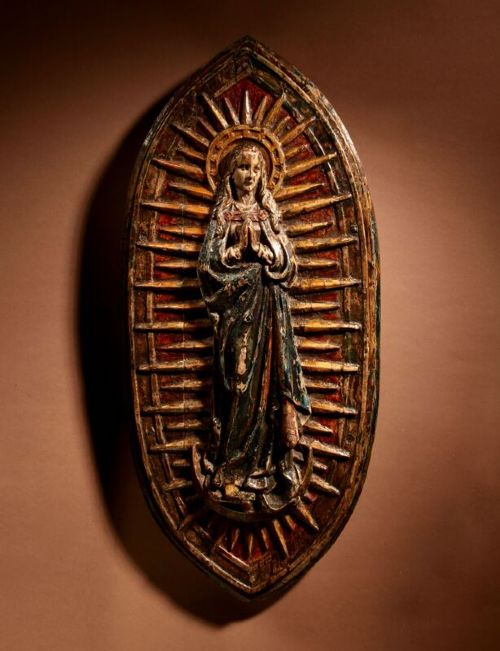
Surfaces often received layers of polychrome paint and gold leaf to enhance the visual drama of religious figures within dim sanctuaries. Metalworkers fashioned copper and brass vessels through engraving and gilding, creating intricate liturgical pieces for sacred rituals.
Medieval Church Retail Price Guide 2026
Typical asking prices for medieval church among the pieces listed under this phrase on Sellingantiques today, from the lower quarter to the upper quarter. They describe what is for sale here now, not the wider market.
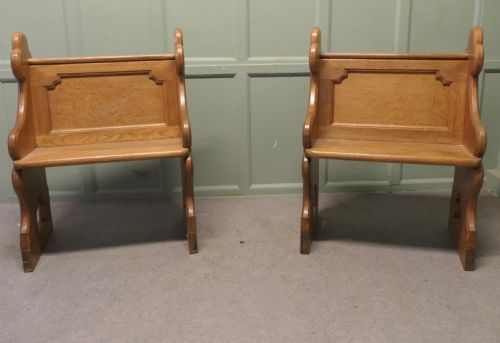
The listings combine pre-16th century stone and wood fragments with 19th-century Gothic Revival seating and metalwork.
What varies in quality
The distinction between ordinary and exceptional pieces rests upon the depth of the carver's anatomical understanding and expression. Master sculptors captured subtle emotion in the faces of figures like the Madonna or donor statues, whereas lesser works remain rigid and formulaic.
The survival of original surface treatments such as polychrome paint and gold leaf elevates the significance of an artefact. Weathered stone elements also vary according to the crispness of surviving detail after centuries of exposure.
The Medieval Church Glossary
- Corbel
- A structural piece of stone projecting from a wall to support a weight, often carved with figurative or foliate designs.
- Pyx
- A small round vessel used in the Catholic Church to carry the Eucharist, frequently fashioned from gilded copper with engraved decoration.
- Polychrome
- The practice of decorating architectural elements, sculpture, or pottery in a variety of colours.
- Altarpiece
- A picture or structure representing a religious subject placed behind the altar of a church, often composed of carved wooden panels.
- Gothic Revival
- An architectural and decorative style originating in the mid-18th century and continuing through the 19th century, drawing inspiration from medieval forms.
Medieval Church: Frequently Asked Questions
How do I date a medieval wooden carving?
Dating relies on tool marks, the choice of timber, and stylistic comparisons with documented ecclesiastical works from specific regions. Wear patterns and the degradation of underlying materials provide further clues to age.
Changes in carving conventions, such as the transition from late medieval stiffness to Renaissance fluidity, help narrow the period of origin.
Where were these stone fragments displayed originally?
Stonework such as corbels and window frames typically formed structural parts of medieval abbeys, cathedrals, and parish churches. They occupied positions high on interior walls or around lancet windows.
Later architectural salvage often stems from restoration projects or the repurposing of historic religious buildings.
How should I care for polychrome wooden sculptures?
These fragile surfaces require stable environmental conditions with minimal fluctuations in relative humidity and temperature to prevent cracking. Direct sunlight must be avoided to protect surviving paint and gold leaf.
Dusting should be undertaken gently with a soft brush, avoiding any moisture or chemical cleaning agents that could lift old pigments.
What is the difference between original medieval and Gothic Revival pieces?
Original medieval pieces date from the pre-16th century eras and carry authentic ritual wear and period construction methods. Gothic Revival works, appearing around the 19th century, recreate these medieval aesthetics for later architectural tastes.
Materials and construction techniques often reveal whether an item is a 15th-century survivor or an 1880 interpretation.