
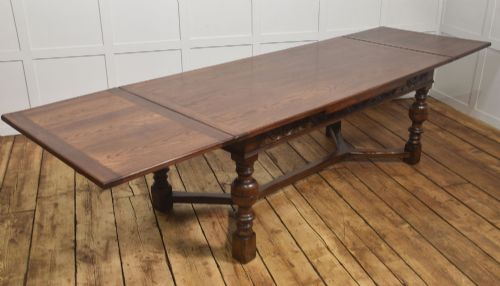
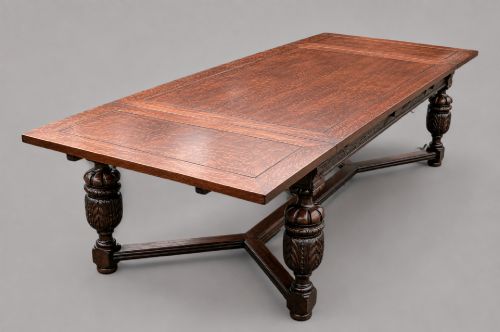
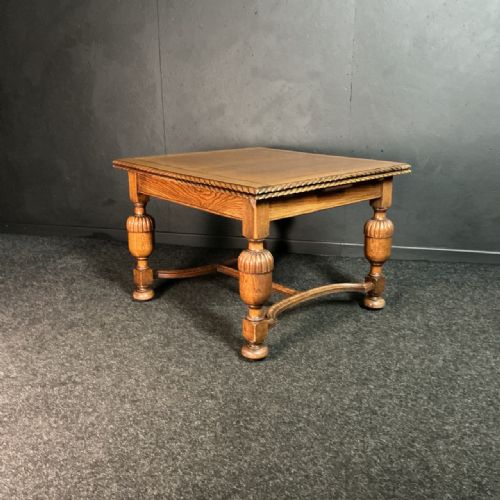
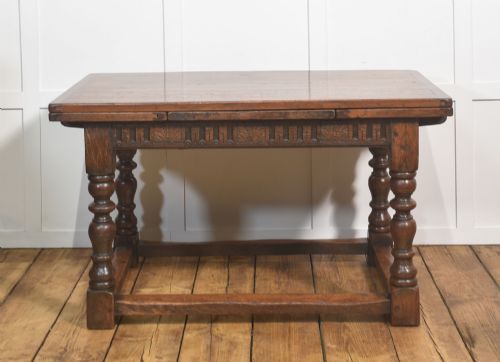
Antique Oak Draw Leaf
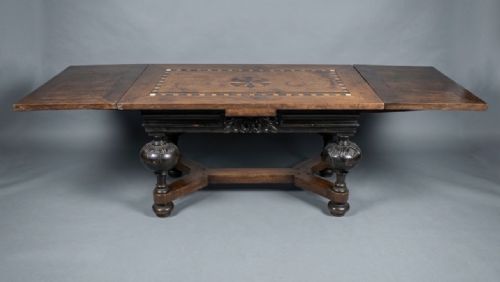
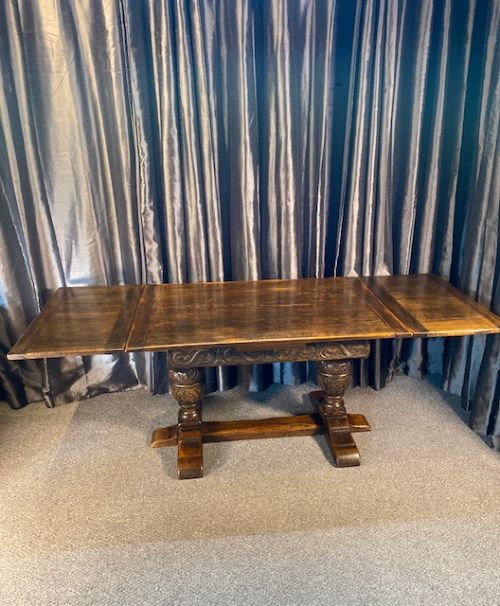
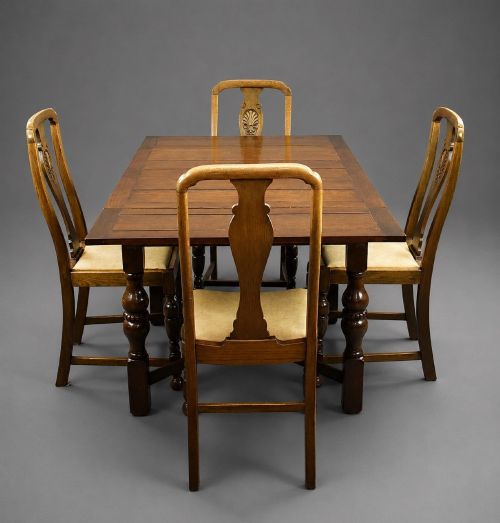
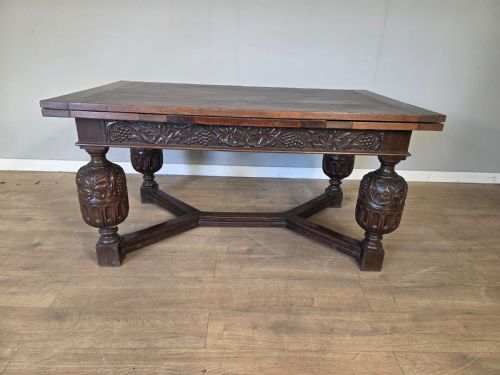
An antique oak draw leaf is a remarkably clever dining table that expands smoothly from beneath its main top to seat extra guests.
Antique Oak Draw Leaf
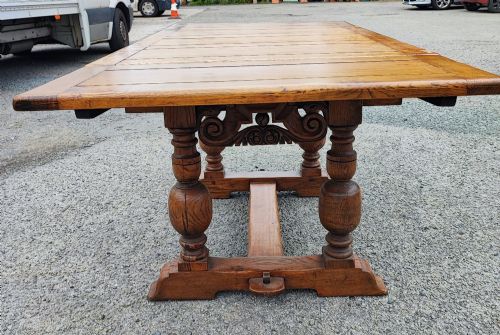
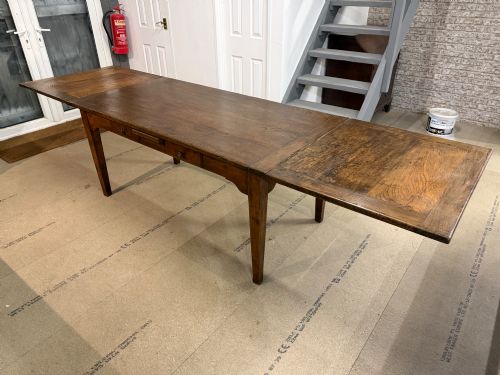
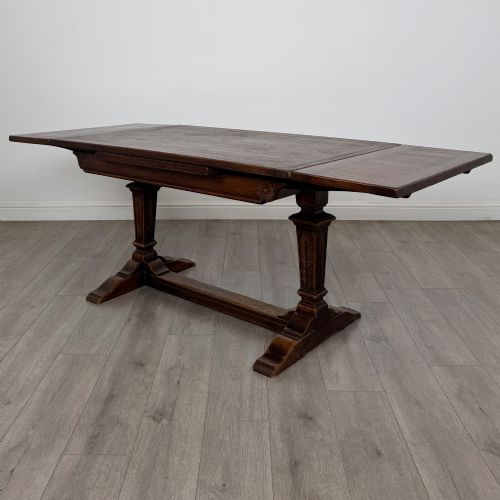
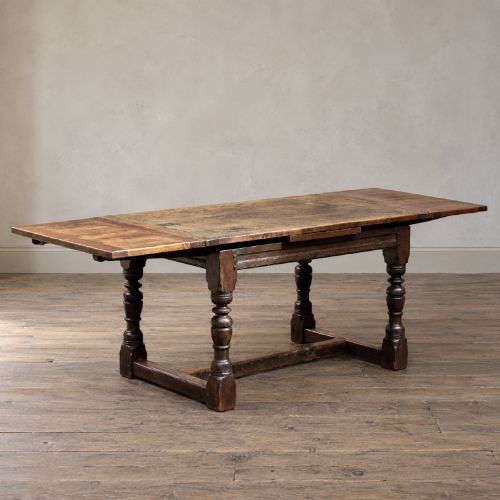
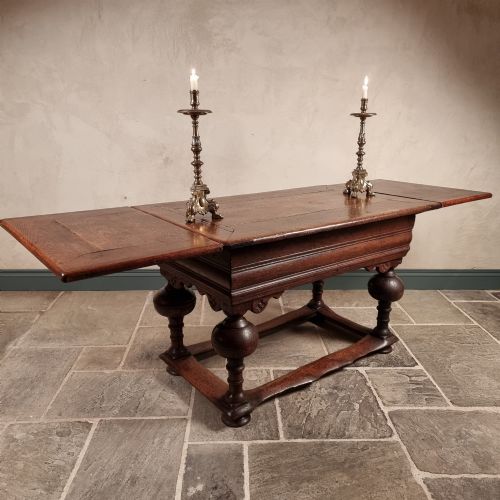
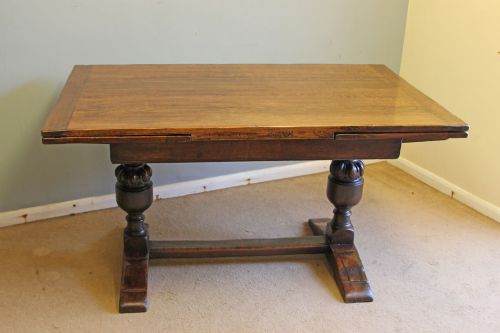
An antique oak draw leaf table combines sturdy timber construction with a sliding leaf mechanism that conceals two extension panels underneath the main top. These pieces appear most frequently as refectory or farmhouse dining tables dating from the seventeenth century through to the early twentieth century.
The format serves practical daily dining while offering immediate expansion without loose boards to store elsewhere. Most examples meet the eye in styles spanning Jacobean and Elizabethan revivals, Edwardian interpretations, and French provincial or Dutch designs.
Makers ranged from large London retailers to provincial workshops, utilising solid timber and sometimes incorporating parquetry or wood inlay on the top surface. The survival of these tables demonstrates the enduring utility of a clever engineering design applied to domestic furniture.
Materials and Technique
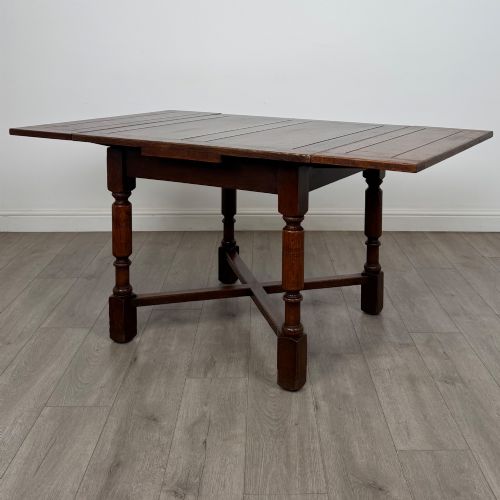
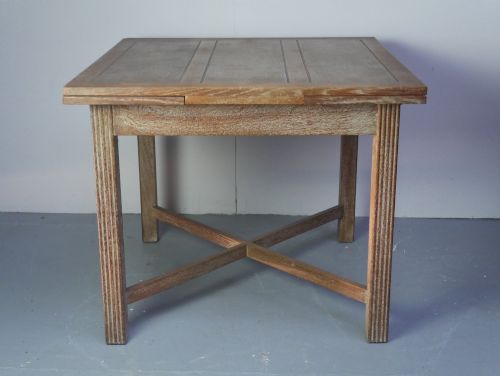
Makers built these tables primarily from solid oak, sometimes applying limed finishes, parquetry, or wood inlay to enrich the timber surface. The draw leaf mechanism relies on parallel bearers beneath the main top that slide outward when pulled, allowing the two end leaves to drop neatly into place as the central top lowers.
Carved details often decorate the friezes and legs, drawing upon Jacobean and Elizabethan revival vocabularies. Joinery typically incorporates traditional pegged mortise and tenon construction to sustain the structural demands of the extending mechanism.
Several tables retain traces of ancient crumbs tucked deep inside the sliding runner grooves, left behind by diners a century ago.
What Varies in Quality
Quality reveals itself in the smoothness of the draw action and the stability of the leaves when fully extended. Superior examples maintain a flush surface across the top boards whether closed or open, with bearers that glide without jamming.
The grade of timber and the crispness of any carved ornamentation further distinguish finer pieces from standard utilitarian formats. Heavier solid oak sections and sophisticated parquetry tops indicate workshop production of a higher order.
Heals·Maple and Co
The Antique Oak Draw Leaf Glossary
- Draw leaf
- A table equipped with two sliding leaves concealed beneath the main top which pull out to extend the surface length. This design provides extra seating capacity without requiring separate storage leaves.
- Refectory table
- A long, narrow dining table traditionally used for communal meals and characterised by substantial legs connected by floor stretchers. These tables form a primary category among surviving oak extending formats.
- Parquetry
- Geometric woodwork formed by fitting small wooden blocks together in patterns such as chequers or diagonals to decorate table tops. French examples frequently employ this technique.
- Limed oak
- Timber treated with a specialised finish that leaves a whitish pigment in the grain pores to create a lighter appearance. This finish appears on twentieth-century pieces.
- Bearer
- A longitudinal wooden support member situated beneath the table top that guides the sliding movement of the draw leaves. Well-made bearers ensure the extension remains level.
Antique Oak Draw Leaf: Frequently Asked Questions
How does a draw leaf table work?
The main top remains fixed while two smaller leaves slide out from underneath the ends on wooden runners. As they are pulled fully outward, the central top drops down slightly to meet them, creating one continuous surface.
This mechanism allows a compact daily dining table to expand quickly for larger gatherings without needing separate boards stored in a cupboard.
Are these tables suitable for everyday family dining?
Solid oak construction and robust underframes make these pieces exceptionally resilient for daily use. The timber surfaces tolerate normal household activity while hiding minor marks within the natural grain.
Owners simply wipe the wood clean and enjoy a stable platform that accommodates both casual meals and formal dinner parties with equal ease.
How do I distinguish earlier periods from later revivals?
Seventeenth-century examples display hand-split timber, pegged joinery, and patination developed over centuries of use. Revival pieces from the Edwardian and early twentieth-century eras show more uniform machining and often feature lighter finishes or specific retailer attribution.
Examining the underside reveals tool marks and construction methods that indicate whether a table dates to the original period or a later revival style.
Do the extension leaves match the main top colour?
Extension leaves generally match the central top because makers cut them from the same timber board during construction. However, leaves that spent more time pushed underneath may exhibit slight variations in tone due to differing exposure to light.
Over time, regular use and sunlight exposure help harmonise the overall surface colour across all sections of the table.