


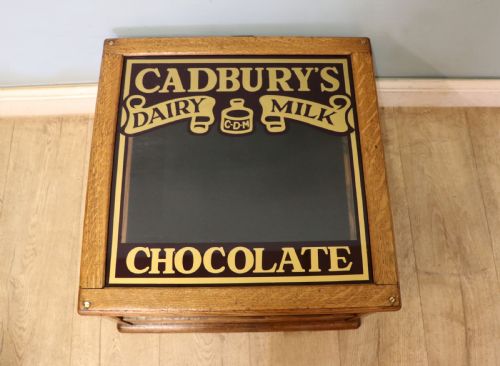
Antique Oak Display Showcase
An antique oak display showcase brings commercial history straight into a room, offering glazed protection for cherished objects.
Antique Oak Display Showcase
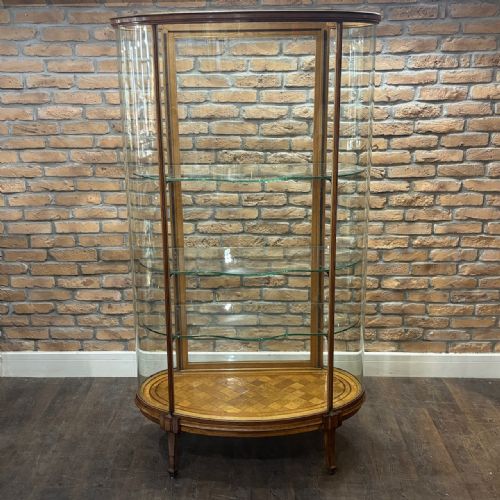
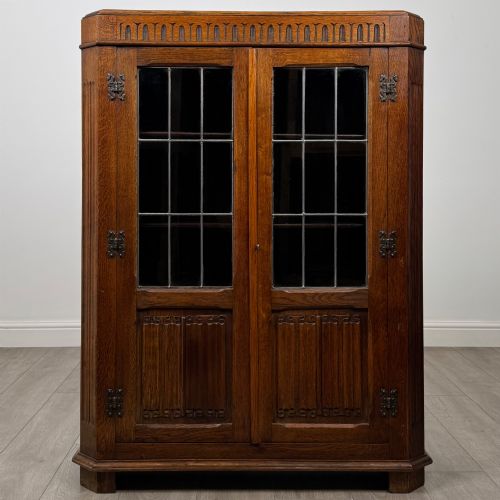
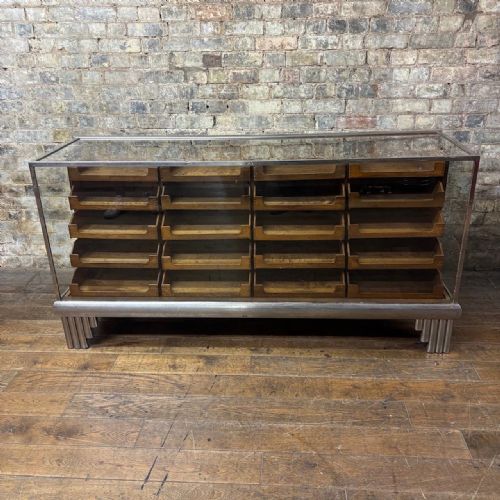
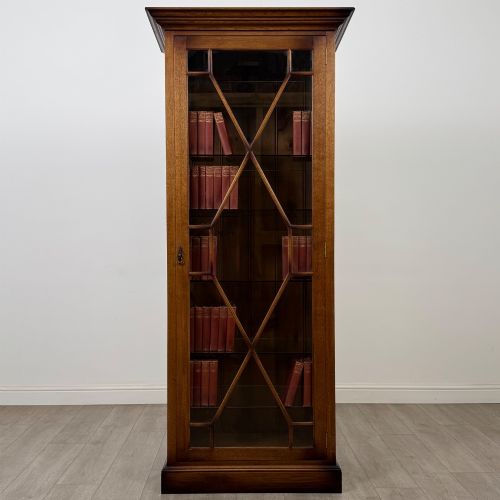
When you search for an antique oak display showcase, you encounter robust timber frames built to present retail merchandise or museum specimens. These pieces range from substantial shop counters and haberdashery units down to modest countertop cabinets.
The Edwardian period and the nineteenth century dominate the forms found here, often taking the shape of glazed display cabinets or shop-fitting furniture. You also discover occasional French museum cases and specialised display domes resting on oak bases.
Commercial origins define many of these items, having served in past decades as retail counters or museum showcases before entering domestic settings. Their proportions suit modern interiors precisely when floor space demands a functional yet transparent storage solution.
Materials and construction
Oak forms the structural skeleton of these showcases, providing a dense and durable framework designed to withstand heavy commercial use. Glass panels insert securely into the timber surrounds to offer clear visibility from multiple angles.
Metal components such as brass, bronze, iron, and chrome appear frequently as hinges, handles, framing elements, or internal fittings. Lead occasionally secures the glass panes within specialised museum cases, while velvet lines the interior surfaces of specific countertop boxes.
Countertop display cabinets and large museum cases represent the most common forms found in this collection.
Assessing the craftsmanship
The caliber of an antique oak display showcase depends heavily on the integrity of its original glazing and the precision of the timber joinery. Superior examples maintain uncompromised glass panels fitted tightly into well-seasoned oak frames without warping.
Hardware execution marks another clear distinction between utilitarian shop fittings and finer retail or museum pieces. Original bronze or brass mountings, smooth-running drawers, and solid backboards separate standard commercial items from exceptional survivals.
F. Sage & Co·Dudley & Co
The Antique Oak Display Showcase Glossary
- Haberdashery counter
- A long retail cabinet featuring multiple glazed drawers or sliding glass doors designed to display small dry goods. These units originated in drapery shops and general stores.
- Display dome
- A blown glass bell jar seated upon a timber base, traditionally utilised for preserving delicate taxidermy or precious ornaments. The oak base secures the glass cover firmly in place.
- Countertop cabinet
- A smaller showcase intended to sit atop an existing shop counter for close customer inspection of goods. They frequently incorporate rear access doors for the shopkeeper.
- Museum case
- A large, heavily glazed cabinet built to display scholarly specimens or artefacts securely. These examples often incorporate robust bronze or brass framing alongside oak structures.
- Sign-written
- The application of hand-painted commercial lettering directly onto the timber or glass surfaces. Retailers utilised this technique to advertise specific confectioneries or brands upon their counters.
Antique Oak Display Showcase: Frequently Asked Questions
What were these cabinets used for originally?
Merchants utilised these showcases in retail shops and department stores to present goods securely while keeping them visible to customers. Museum curators also employed large glazed cases to exhibit delicate historical specimens.
Over time, many of these commercial units transitioned from bustling high street shops into private homes as collectors sought practical ways to display curiosities.
How do I date an oak showcase?
Dating relies upon examining the construction methods, hardware styles, and timber characteristics visible across the frame. Edwardian and Victorian pieces often display distinct moulding profiles and specific brass or iron fixtures tied to their era.
Reference materials and historical shop-fitting catalogues help narrow down the decade, particularly when specific makers' plaques or original sign-writing remain intact.
How should I integrate one into a modern room?
These cabinets suit living rooms, studies, or hallways where their glass panels lighten their visual weight against contemporary walls. They provide dust-free storage for books, ceramics, or collections while acting as focal points.
Ensuring adequate clearance for opening doors or drawers guarantees that the showcase remains fully functional within your daily domestic layout.
Are the glass panels usually original?
Many showcases retain their original glass, which often exhibits subtle imperfections, waviness, or small bubbles characteristic of older manufacturing techniques. Examining the panes closely reveals whether replacements occurred during the lifetime of the piece.
Original glass enhances the historical authenticity of the cabinet, connecting the furniture directly to its nineteenth or early twentieth-century origins.