


Antique Oak Desk Drawers
These antique oak desk drawers bring rich timber grain and period utility to a study, uniting writing surfaces with functional storage.
Antique Oak Desk Drawers
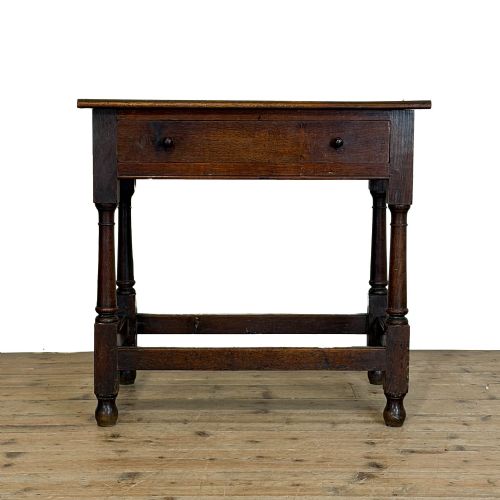
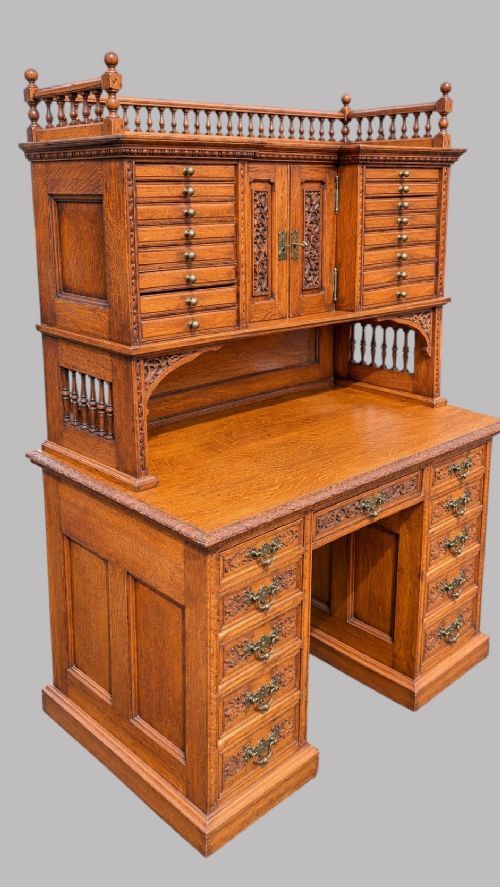
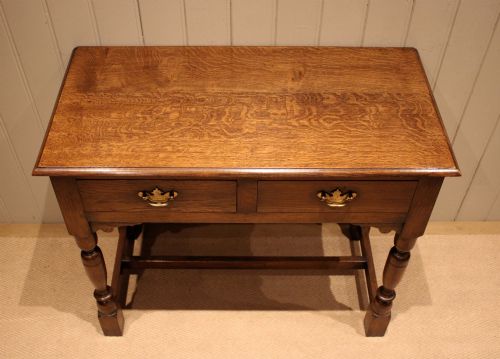
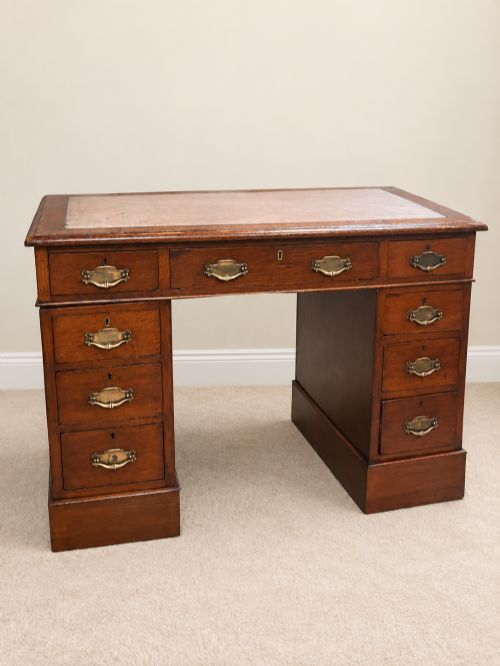
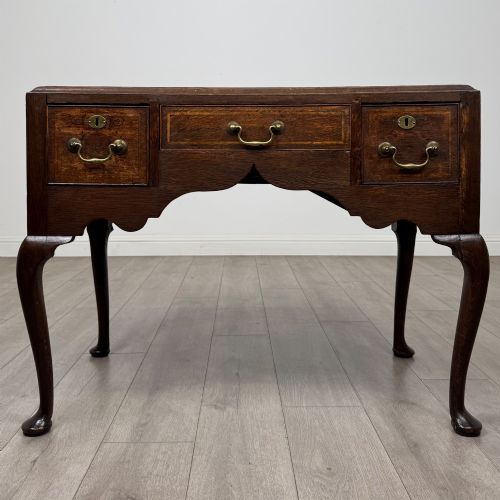
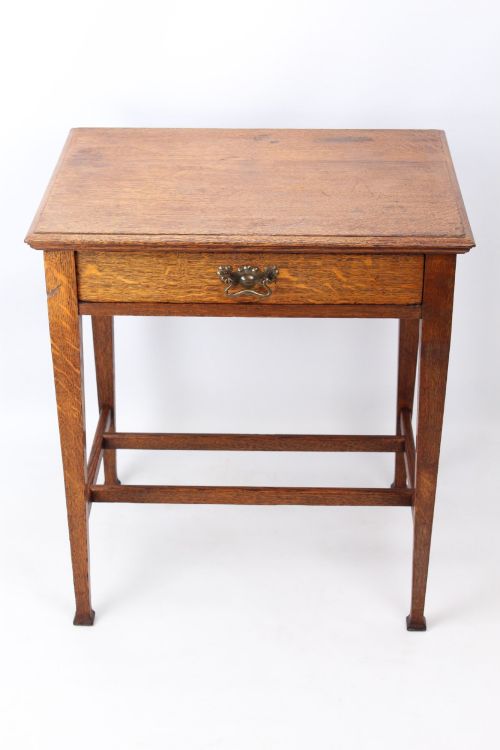
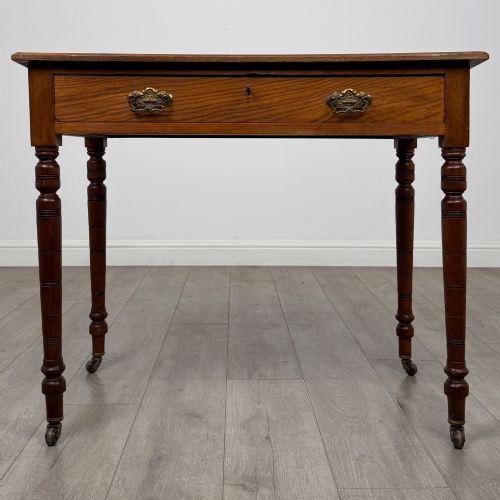
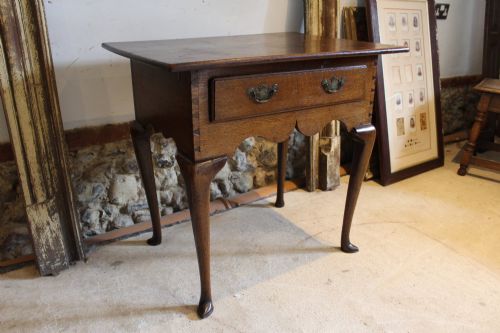
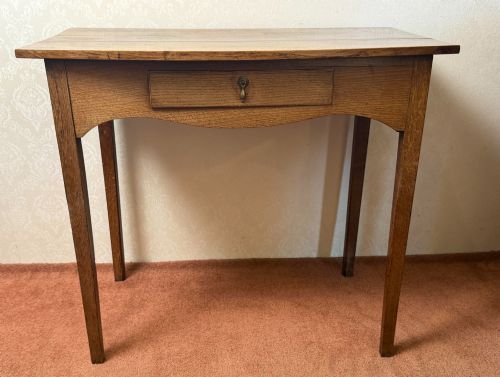
Antique oak desk drawers encompass a diverse variety of forms designed for storage and writing, ranging from compact side tables and lowboys to substantial pedestal desks and bureau bookcases. When searching for antique oak desk drawers, buyers frequently encounter 18th-century Georgian lowboys alongside 19th-century Victorian kneehole desks and Edwardian writing tables.
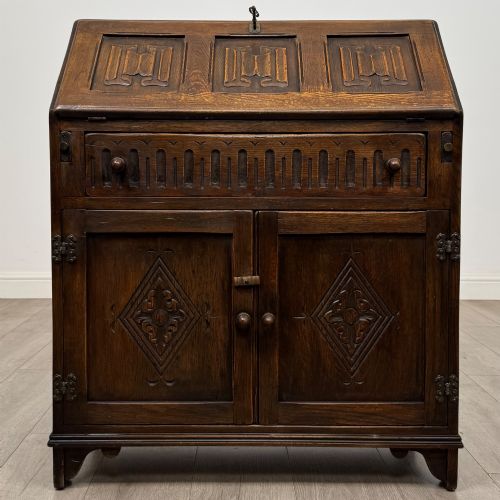
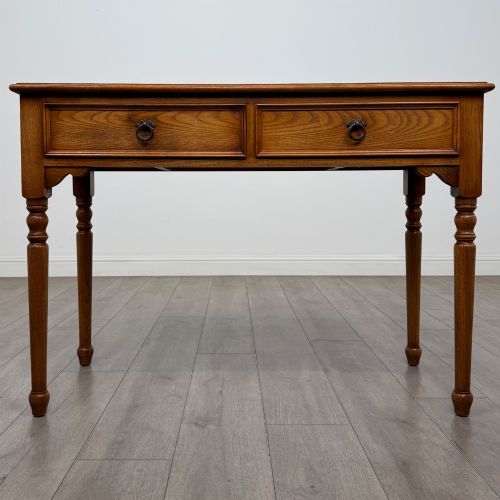
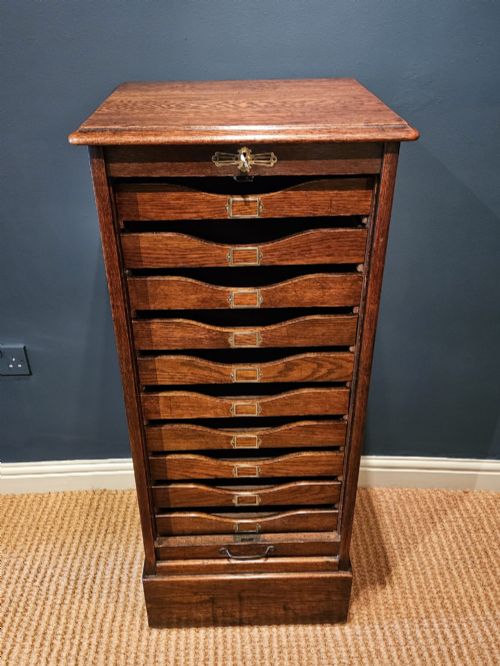
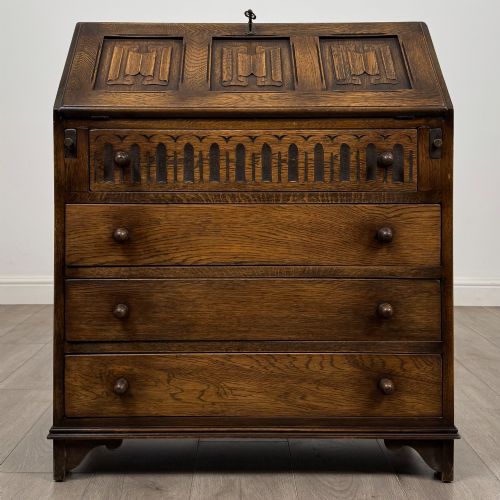
The selection includes specialised pieces such as tambour front filing cabinets and linenfold bureaux, reflecting shifts in administrative needs from the 17th century through the 1920s. Side tables fitted with single or double drawers serve utilitarian writing functions, while more complex pedestal models organise paperwork across numerous internal compartments.
Originating largely from English workshops, these pieces showcase regional variations in construction, utilising native timber to create durable furniture suited for daily service. Whether selecting a modest Arts and Crafts writing desk or a grand George II lowboy, buyers secure functional history built from sturdy oak.
What varies in quality
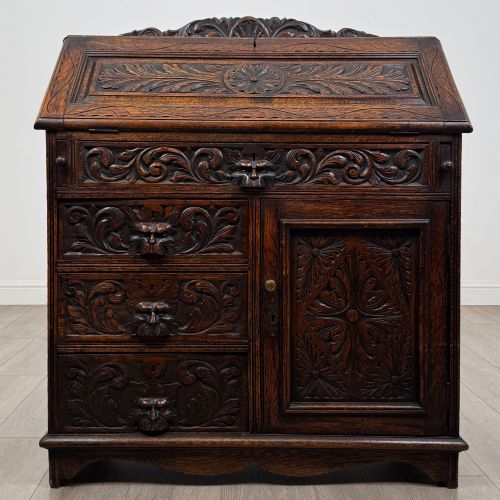
The degree of hand-carved detailing and the selection of timber figure distinguish simpler utility pieces from finer cabinet work, particularly in Georgian lowboys and Victorian pedestal desks. Superior examples exhibit tightly fitted dovetailed drawers that run smoothly within their carcases, retaining original brass hardware and well-matched timber grain across prominent surfaces.
Proportion and architectural balance heavily influence the standing of each piece, where restrained styling and harmonious scaling denote superior workshop origin. Alterations, adapted formats, or extensive replacement of structural elements alter the integrity of the piece and differentiate preserved survivals from heavily modified examples.
The listings span multiple centuries, uniting 17th-century vernacular oak pieces with Georgian lowboys, Victorian pedestal desks, and 1920s Arts and Crafts writing tables.
Heals of London
The Antique Oak Desk Drawers Glossary
- Lowboy
- A small oak side table fitted with one or more rows of drawers, commonly produced during the 18th century for use as a dressing or writing table. These tables stand on slender cabriole or straight legs.
- Bureau
- A desk featuring a sloping fall-front that opens to reveal a cluster of pigeonholes and small secret drawers. They frequently sit atop a chest of drawers or a stand.
- Kneehole desk
- A pedestal desk or table featuring a central recess for the user's legs, flanked by vertical banks of drawers. They emerged as formal writing furniture in the Georgian period.
- Tambour
- A flexible shutter formed of narrow vertical strips of wood glued to canvas backing, sliding horizontally in grooves to enclose the upper compartments of filing cabinets and desks.
- Linenfold
- A style of wood carving representing folded medieval linen fabric, frequently seen on Edwardian and revival oak panels. It provides texture to bureau falls and cupboard doors.
Antique Oak Desk Drawers: Frequently Asked Questions
How do I date an oak desk?
Dating relies on examining construction techniques, such as the transition from hand-cut dovetails to machine-sawn joints, alongside prevailing stylistic movements like Georgian proportions or Arts and Crafts simplicity.
Hardware styles, timber preparation methods, and secondary woods like pine further clarify the period of manufacture.
What is a lowboy used for?
Originally utilised as a dressing table or side table for small valuables and writing implements, a lowboy functions well today as a compact desk or hallway console table.
The inclusion of one or more drawers provides discreet storage for stationery and modern desk accessories.
How do I care for antique oak?
Maintain antique oak by keeping it away from direct heat sources and strong sunlight, which can dry out the timber and crack leather writing inserts.
Apply traditional beeswax periodically to nourish the grain and preserve the natural lustre of the wood without leaving heavy chemical residues.
What is the difference between a bureau and a desk?
A bureau specifically incorporates a sloping writing flap that folds down to expose internal compartments, often concealing documents when closed.
A standard desk provides an open flat writing surface, sometimes accompanied by stationary superstructures or pedestal drawer stacks.