


Antique Oak Bread Cupboard
An antique oak bread cupboard brings centuries of domestic history into the kitchen, offering solid timber construction and practical storage for provisions.
Antique Oak Bread Cupboard
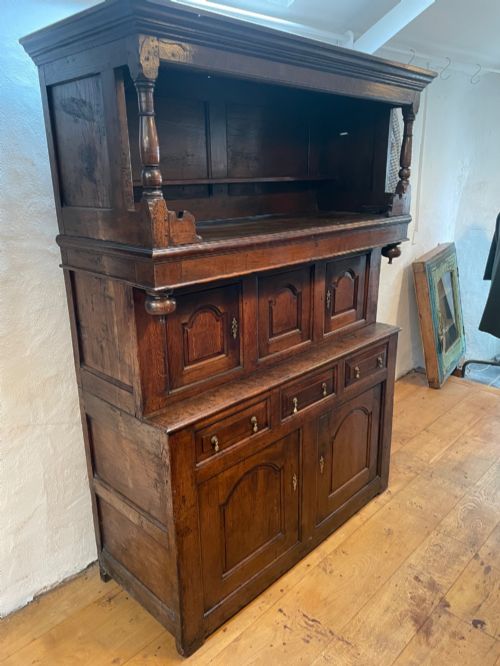
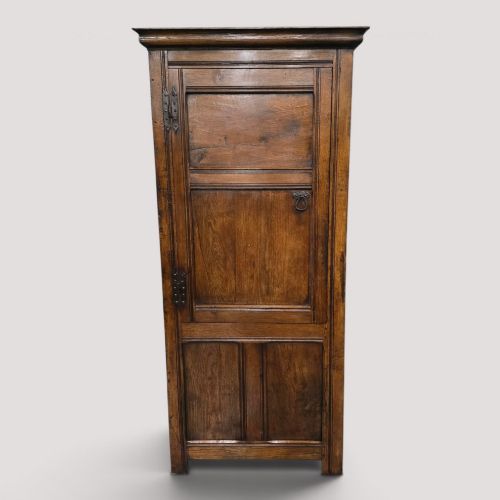
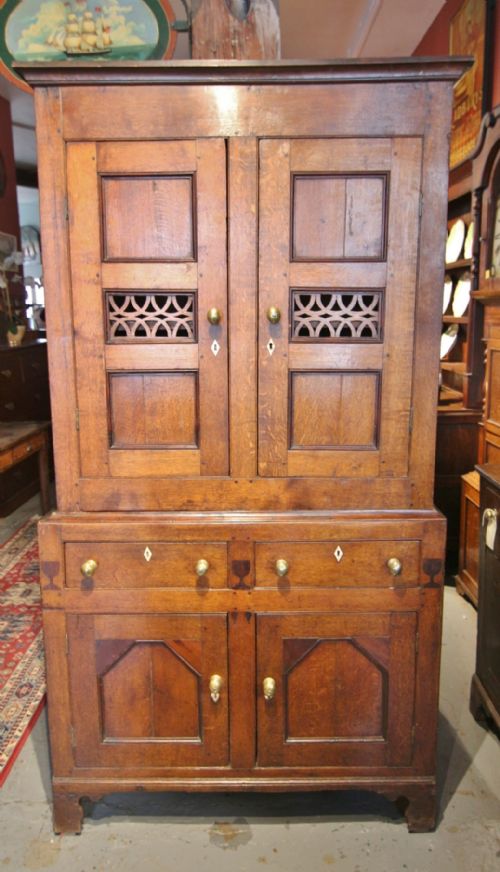
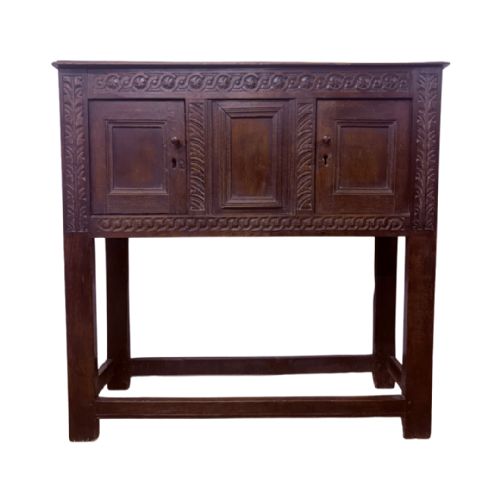
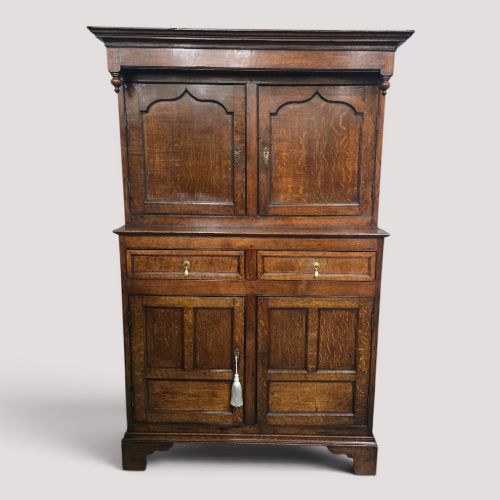
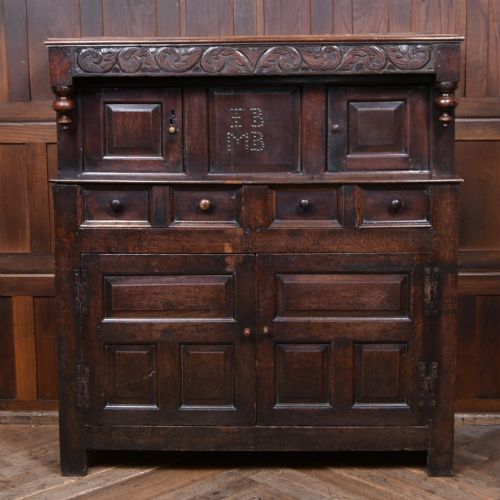
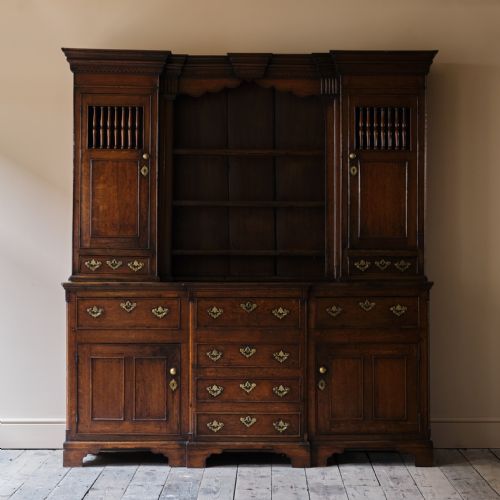
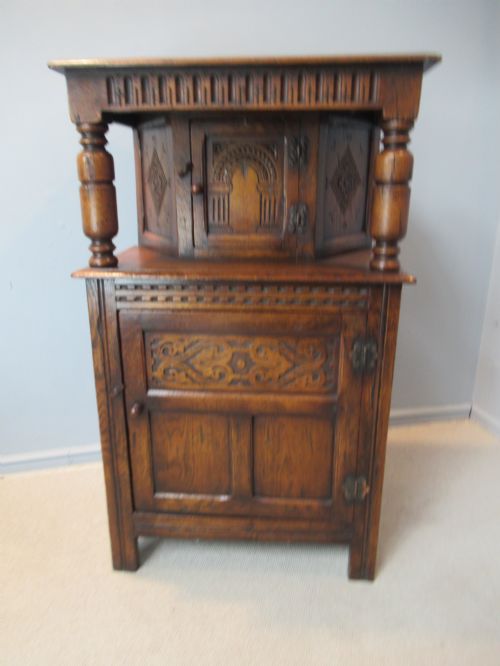
The antique oak bread cupboard category encompasses robust storage furniture designed to preserve and store household provisions, most frequently encountered as regional Welsh dressers, food cupboards, and court cupboards from the seventeenth, eighteenth, and nineteenth centuries.
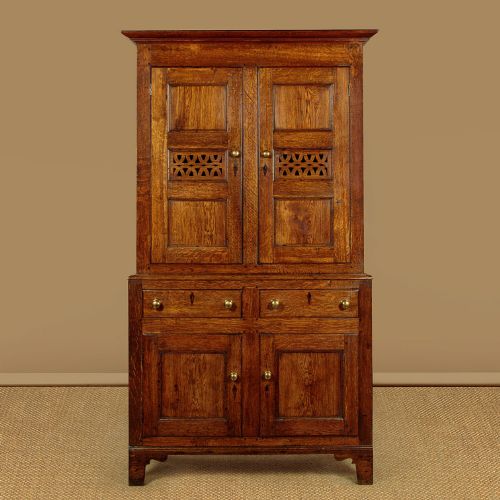
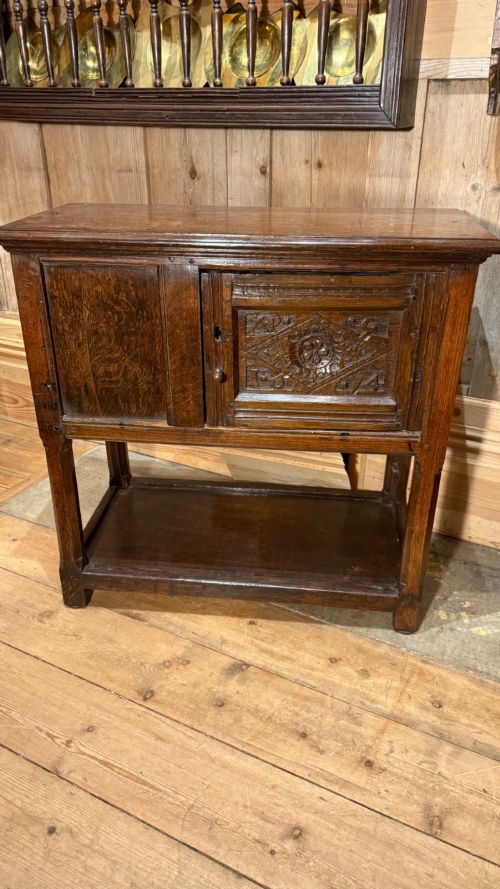
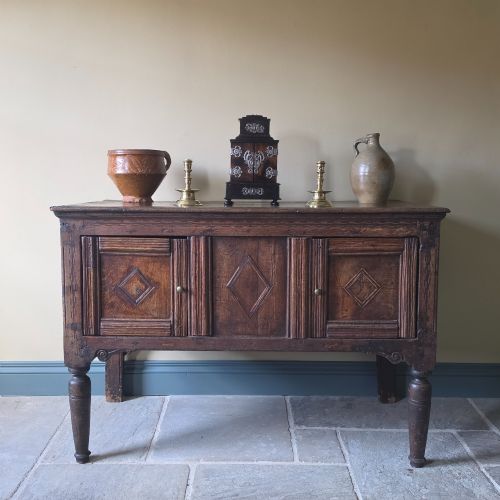
Buyers searching for this phrase typically find regional British country pieces, particularly Welsh vernacular examples such as the cwpwrdd deuddarn and bread and cheese cupboards, alongside French provincial panetiere variants.
These items range from modest wall-mounted hutch cabinets to large floor-standing joined cupboards, reflecting the domestic storage needs of historic rural households.

Materials and construction methods
Construction relies heavily on English and regional oak, frequently joined using traditional pegged mortise and tenon frames that provide structural stability without metal fasteners.
Secondary materials include brass, iron, and wrought iron for original hinges and blacksmith-forged locks, while finer pieces incorporate inlaid wood, bone, and ebony detailing.
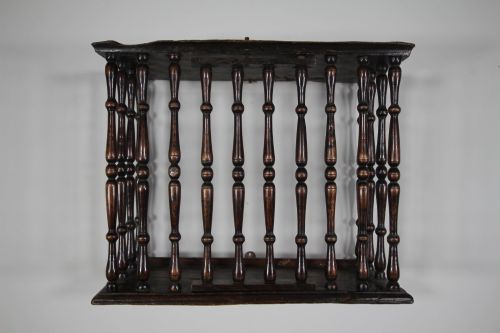
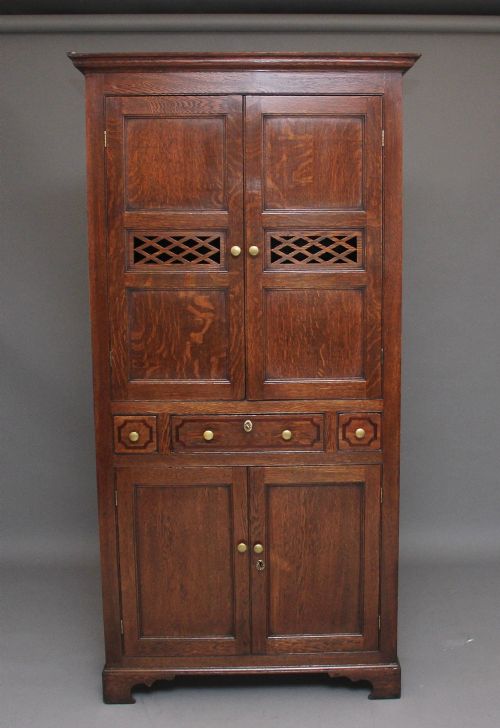
Surfaces display the tool marks of early cabinetmakers, utilising hand-carving and fielded panels alongside turned supports and spindle galleries designed for ventilation.
Antique Oak Bread Cupboard Retail Price Guide 2026
Typical asking prices for oak bread cupboard among the pieces listed under this phrase on Sellingantiques today, from the lower quarter to the upper quarter. They describe what is for sale here now, not the wider market.
Listings feature regional variations spanning the seventeenth to the nineteenth centuries, utilising English oak alongside iron hardware and inlaid wood.
Evaluating craftsmanship and survival
Quality rests upon the integrity of the timber and the extent of original survival, distinguishing pieces retaining their authentic blacksmith-made ironwork and backboards from heavily restored examples.
Finer items demonstrate superior joinery with tight panel fits, crisp hand-carved detailing, and well-proportioned regional architectural forms rather than later assembled elements.
The degree of patination and surface wear tells the history of use, separating utilitarian country pieces with honest age from those over-cleaned or altered.
The Antique Oak Bread Cupboard Glossary
- Court cupboard
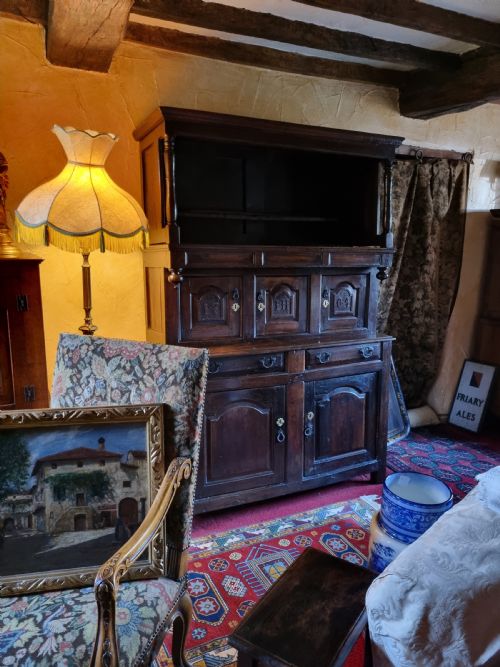
- A traditional English or Welsh two-tier storage cabinet featuring an upper recessed section supported by carved posts or columns, commonly used for displaying plate and storing food.
- Cwpwrdd deuddarn
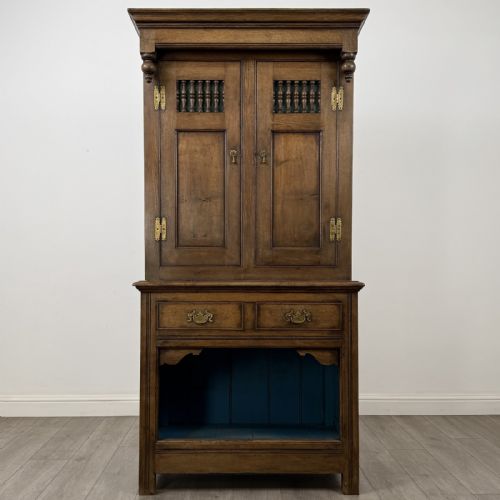
- A traditional Welsh two-piece oak press cupboard dating from the seventeenth and eighteenth centuries, featuring enclosed cupboard doors on both upper and lower tiers.
- Panetiere
- A traditional French freestanding or wall-mounted bread safe featuring turned spindle galleries to allow air circulation around loaves.
- Joined oak
- Furniture constructed using interlocking mortise and tenon joints secured with wooden pegs, characteristic of seventeenth-century craftsmanship before the widespread adoption of dovetailing.
- Livery cupboard
- A historic ventilated storage cabinet originally used to store rations of food and candles for household staff.
Antique Oak Bread Cupboard: Frequently Asked Questions
How do I date an antique oak food cupboard?
Dating relies on examining construction techniques, joinery methods, hardware, and stylistic traits. Seventeenth-century examples typically display joined frame-and-panel construction with heavy pegging and carved ornamentation.
Eighteenth and nineteenth-century pieces shift toward regional vernacular styles, such as Welsh country dressers and inlaid bread and cheese cupboards, showing lighter framing and distinct local decorative motifs.
Where were bread cupboards used in the home?
Historically, these cupboards stood in kitchens, pantries, and dairies where food preparation took place and provisions required daily access. They served as central functional furniture for storing loaves, cheese, and dry stores.
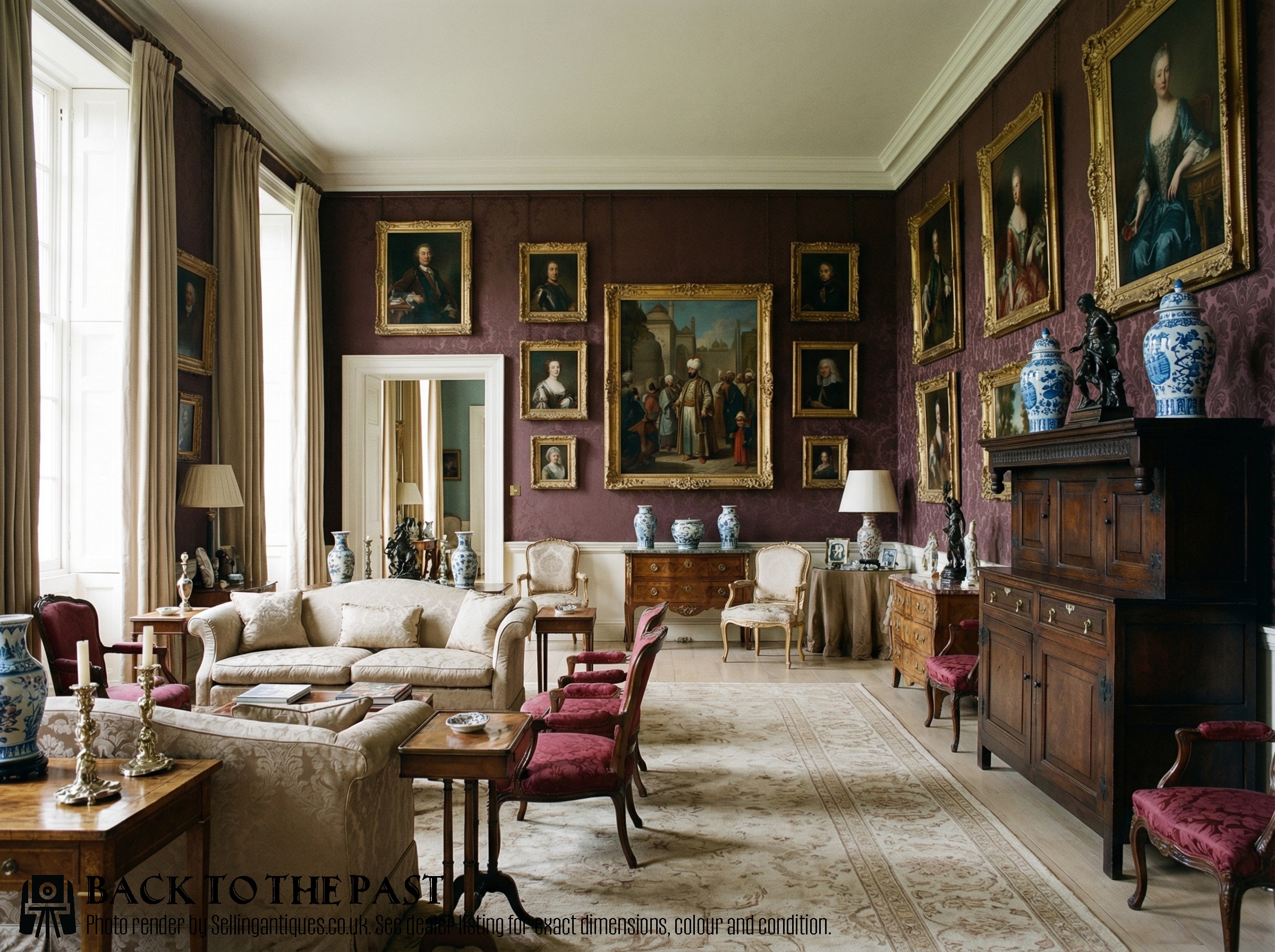
In contemporary interiors, buyers often place them in modern kitchens, dining rooms, or hallways to store tableware, linens, or dry goods while displaying their rustic timber patination.
What is the difference between a court cupboard and a bread cupboard?
A court cupboard is a formal architectural storage piece featuring an upper section supported by turned columns, traditionally used for display and storage in prosperous households. A bread or food cupboard focuses specifically on food preservation.
Food cupboards often incorporate pierced panels, wire mesh, or turned spindles specifically designed to ventilate bread and cheese rather than merely display household wealth.