




Antique Nursery Decor
Antique nursery decor comprises traditional children's toys and furnishings, bringing tactile historic character and enduring craftsmanship into modern interiors.
Antique Nursery Decor
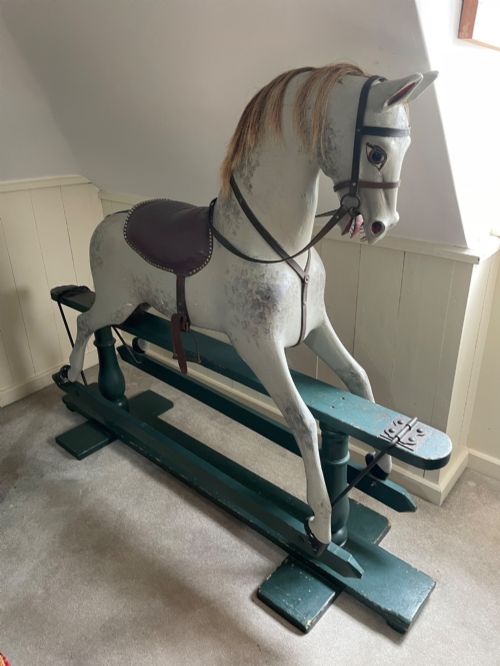
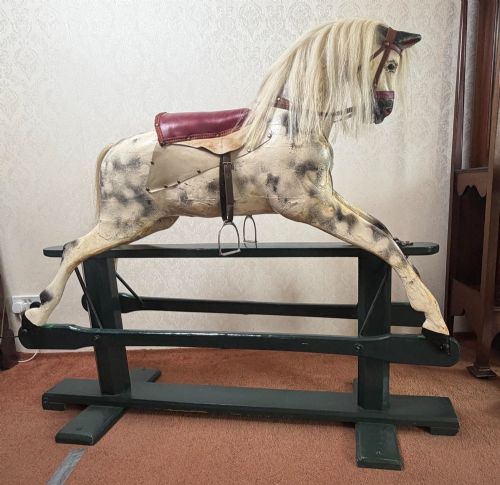
When you search for antique nursery decor, you encounter a selection of historic children's items dominated by carved wooden rocking horses and pull along toys. These pieces span periods from the nineteenth century through to the mid-twentieth century, capturing the playful domestic life of earlier eras.
How they were made
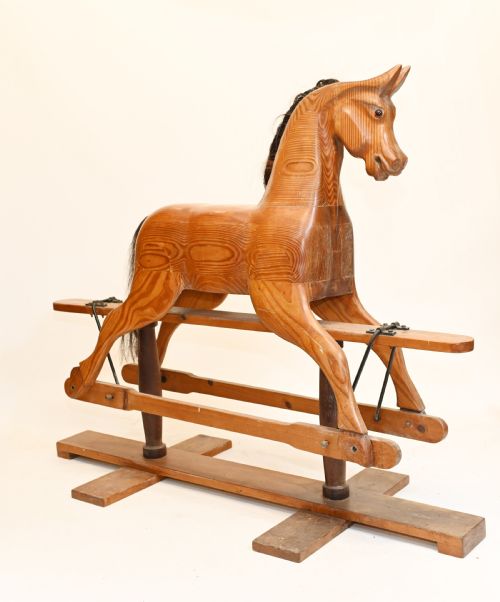
Makers constructed these rocking horses and toys primarily from carved wood, utilising pine and other sturdy timbers to withstand generations of nursery use. Artisans shaped the bodies by hand, mounting them securely onto timber floor rockers designed for movement.
Surface decoration relied on traditional paint layers, sometimes supplemented by materials like horsehair, leather, and metal components. Folk art makers embraced naive carving techniques, valuing character and durability over precise industrial standardisation.
Antique Nursery Decor Retail Price Guide 2026
Typical asking prices for nursery decor among the pieces listed under this phrase on Sellingantiques today, from the lower quarter to the upper quarter. They describe what is for sale here now, not the wider market.
Materials recorded across the inventory include carved pine, wood, iron, leather, fabric, and horsehair.
What varies in quality
Quality in these pieces rests upon the integrity of the carved wooden form and the survival of the original painted surface. Pieces that retain their earliest paint layers and original rocker assemblies command greater appreciation among collectors than those stripped or heavily repainted.
The expressive depth of the carving and the presence of authentic structural materials like horsehair and metal fittings distinguish superior examples. Maker attribution also plays a role, as identifiable workshop output adds historical context to the physical object.
Ayres·Collinsons·Emile Vernon
The Antique Nursery Decor Glossary
- Folk art
- Artistic work created within a traditional culture by self-taught makers, often displaying naive proportions and direct carving methods. These pieces reflect regional traditions rather than academic fine art standards.
- Original paint
- The earliest layer of decorative colour applied to an object by its maker. Its preservation determines the visual authenticity and historical value of antique wooden toys.
- Pull along toy
- A children's plaything mounted on wheels or castors, designed to be drawn across the floor by a cord. They represent early forms of mobile childhood entertainment.
- Rocker
- The curved wooden base upon which a rocking horse stands to allow forward and backward motion. Original rockers are integral to the stability and historical completeness of the toy.
Antique Nursery Decor: Frequently Asked Questions
What defines antique nursery decor?
Antique nursery decor encompasses historic children's playthings, furniture, and decorative items created primarily during the nineteenth and early twentieth centuries. These pieces reflect the domestic priorities and craftsmanship of past households.
Items range from large carved wooden rocking horses to framed prints and folk art objects, all designed for the historic nursery environment.
How were old rocking horses constructed?
Traditional rocking horses were built by carving solid blocks or assembled sections of timber, most commonly pine and other durable woods. Makers shaped the bodies by hand and mounted them onto curved wooden floor rockers.
Details such as manes and tails utilised natural materials like horsehair, while leather and metal fixtures secured the structural components and tack.
How do I care for wooden toys?
Preserving these historic wooden pieces requires stable indoor environments free from extreme fluctuations in temperature and humidity. Keeping them away from direct sunlight protects vulnerable painted surfaces from fading.
Dusting gently with a dry, soft cloth is sufficient for maintenance, avoiding modern chemical polishes that can degrade aged finishes.
Can these items be used safely?
While historic rocking horses were built for active play, most surviving examples are appreciated today as decorative antiques or collector items. Their age and historical construction mean they may not meet modern safety standards for children's toys.
Displaying them securely in a room allows you to enjoy their craftsmanship and folk art appeal without risking structural wear.
How do I identify a nineteenth-century piece?
Nineteenth-century nursery items often display hand-carved tool marks, traditional joinery methods, and aged patination on the wood and paint. Construction techniques of this era prioritise solid timber and naive detailing.
Comparing the materials, such as early horsehair stuffing and period iron hardware, helps distinguish nineteenth-century examples from later mid-century reproductions.