




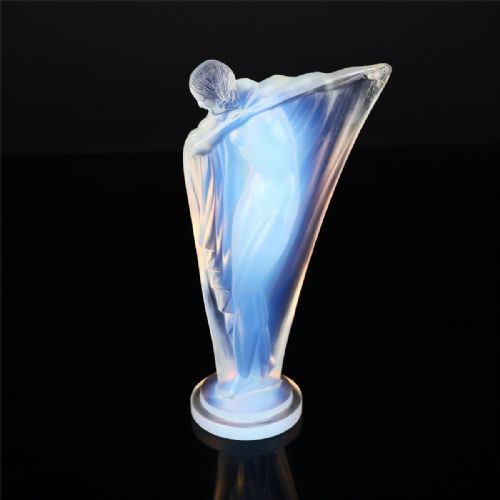


Antique Nude Statuette
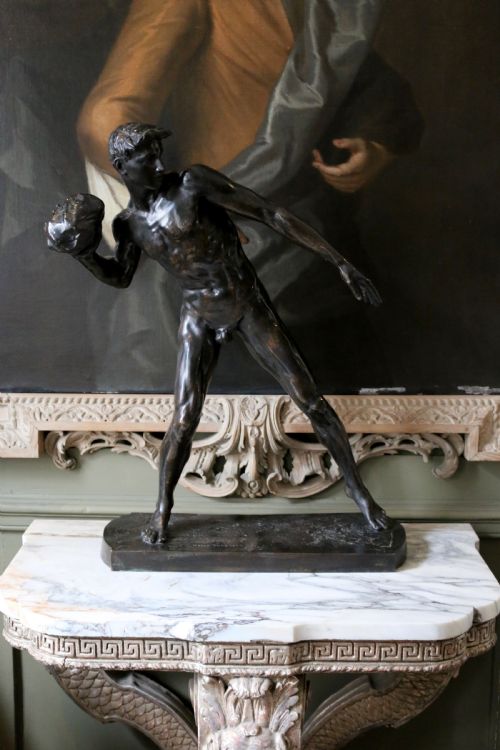
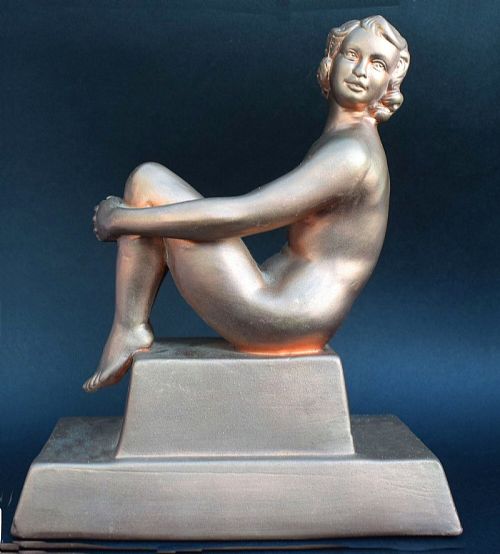
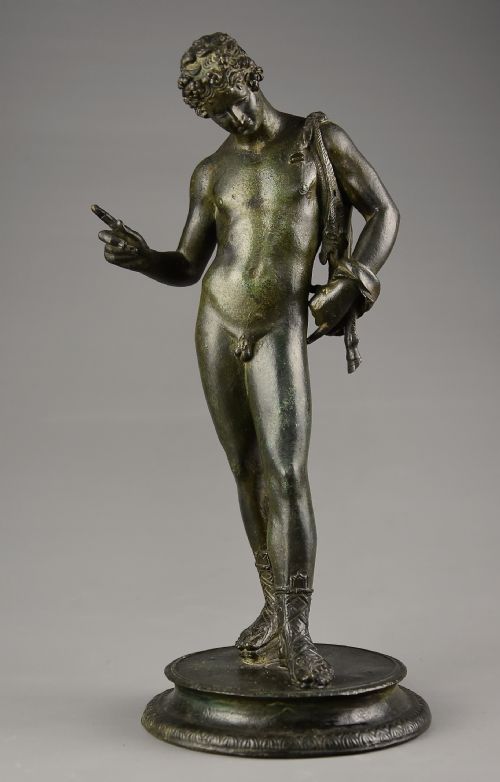
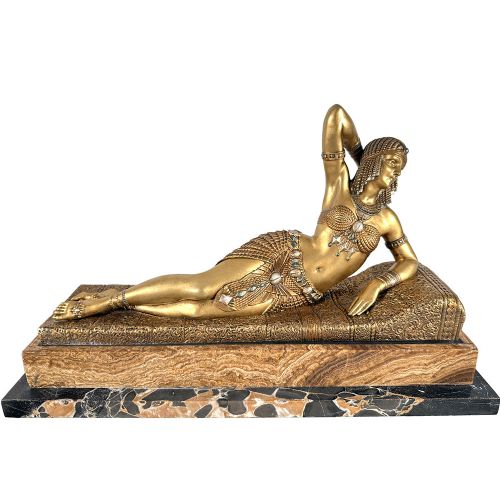
These antique nude statuette examples capture human form through bronze, marble, and alabaster across periods from the seventeenth century to the art deco era.
Antique Nude Statuette
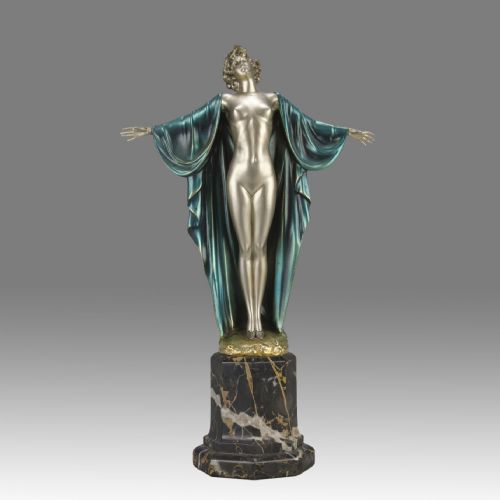
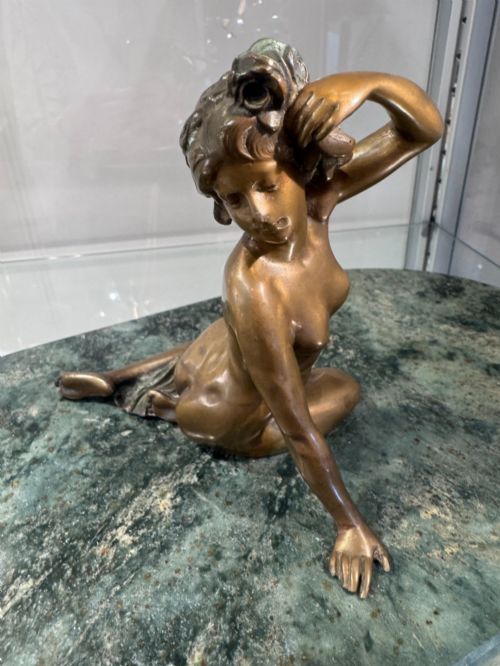
The objects take the form of small-scale sculptures and statuettes designed for tabletop display or cabinet placement. Subjects range from mythological figures like Narcissus and Venus to contemporary dancers of the nineteen-twenties. These works reflect changing aesthetic priorities from nineteenth-century academic classicism to the stylised geometries of the interwar period.
Materials and Technique
Makers utilised traditional foundry methods, casting bronze through the lost-wax process to achieve fine anatomical detail. Many figures receive patination in varying shades of dark green, brown, or cold-painted pigments applied directly to the metal surface. Spelter and gilt bronze also appear as primary metallic mediums.
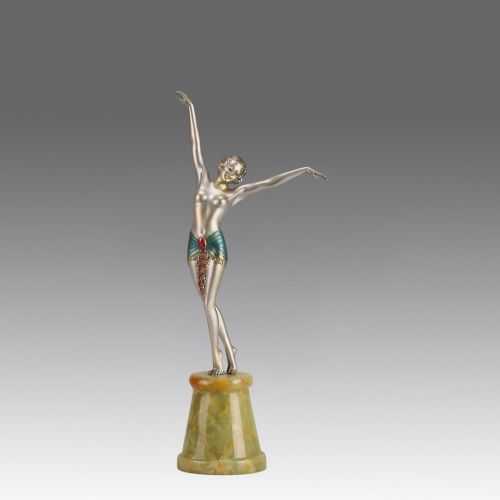
Stone elements provide structural weight and contrast, with statuettes mounted on bases of marble, onyx, fossil marble, or carved alabaster. Certain examples incorporate opalescent glass or porcelain alongside metal components. Artisans shaped these diverse materials to balance the tactile qualities of flesh against architectural plinths.
Several dancers balance perilously on tiny tiptoes, defying gravity through the sheer tensile strength of twentieth-century foundry work.
Casting and Finish
The integration between figure and base dictates overall success, particularly where bronze meets marble or onyx. Finer pieces demonstrate careful balancing and secure mounting rather than crude pins or unstable joints. The nuance of the cold-painted surface or the purity of the carved alabaster further separates standard production from exceptional studio output.
Rudolf Küchler·Ferdinand Preiss·Josef Lorenzl·Claire Jeanne Roberte Colinet·Pierre le Faguays
The Antique Nude Statuette Glossary
- Cold-painted bronze
- A technique where oil paint is applied to a cold metal surface rather than fired in a kiln. This finish is susceptible to flaking over time if handled incorrectly.
- Grand Tour
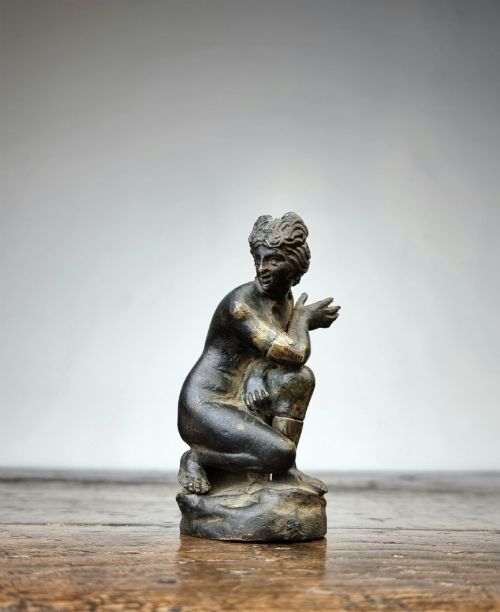
- A nineteenth-century travel souvenir tradition reproducing classical antiquities in bronze and terracotta. These pieces were collected by wealthy travellers touring Italy.
- Patination
- The chemical colouration applied to the surface of bronze sculptures over time. Different formulas create green, brown, or black tones that protect the metal.
- Spelter
- A zinc alloy utilised as a cheaper substitute for bronze during the art deco period. It requires careful plating or painting to imitate heavier metals.
Antique Nude Statuette: Frequently Asked Questions
What is grand tour bronze?
Grand tour bronzes are nineteenth-century reductions of classical statues produced in Italy for foreign travellers. They capture ancient Roman and Greek sculptures for domestic display.
These pieces usually feature characteristic dark green or brown patination and often rest upon marble or slate bases.
How do I spot art deco?
Art deco statuettes display streamlined geometries, stylised drapery, and dynamic poses often inspired by dancers and athletes. Materials frequently combine silvered bronze with onyx or marble plinths.
The aesthetic emphasises clean vertical lines and modern movement distinct from nineteenth-century realism.
Are marble bases original?
Makers routinely mounted figures on contrasting stone plinths to provide stability and visual weight. Original bases match the period manufacturing techniques and wear patterns of the metal above.
Inspect the mounting pins underneath to verify that the stone and figure were joined during primary production.