

Antique North Persian Rug
These antique north persian rug pieces span village weaves and tribal textiles produced across northern regions during the nineteenth and early twentieth centuries.
Antique North Persian Rug
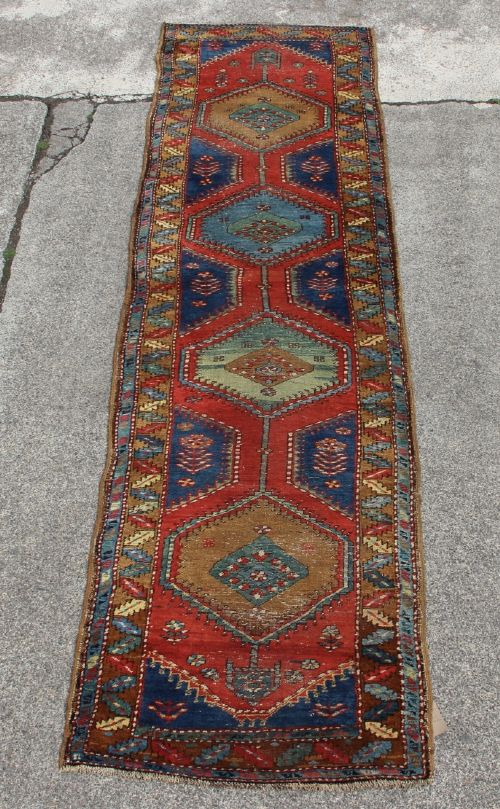
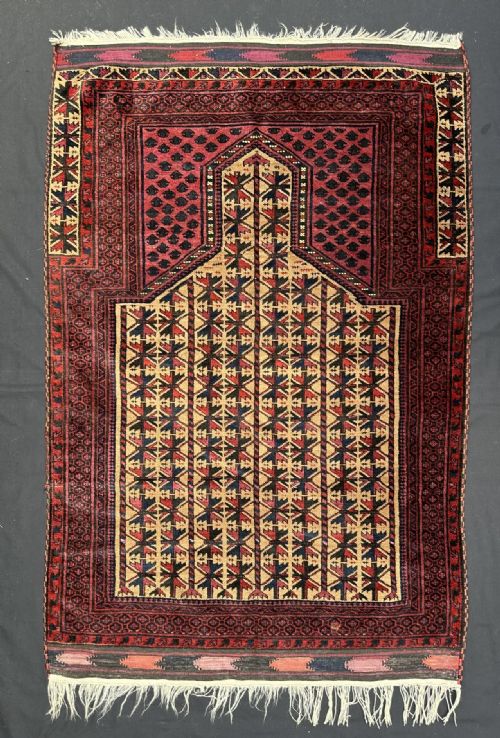
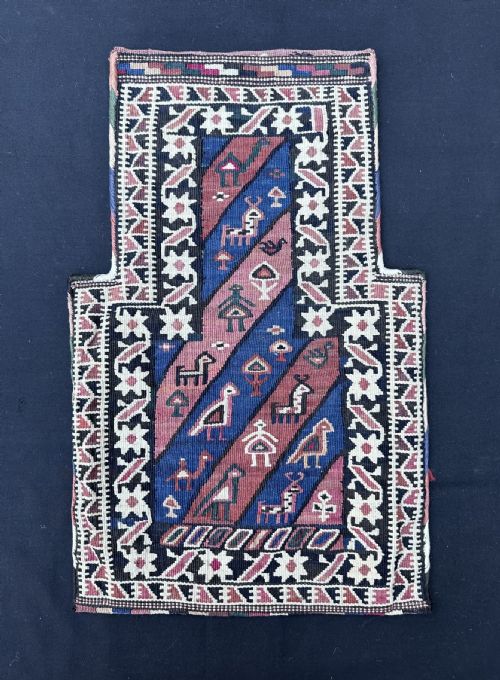
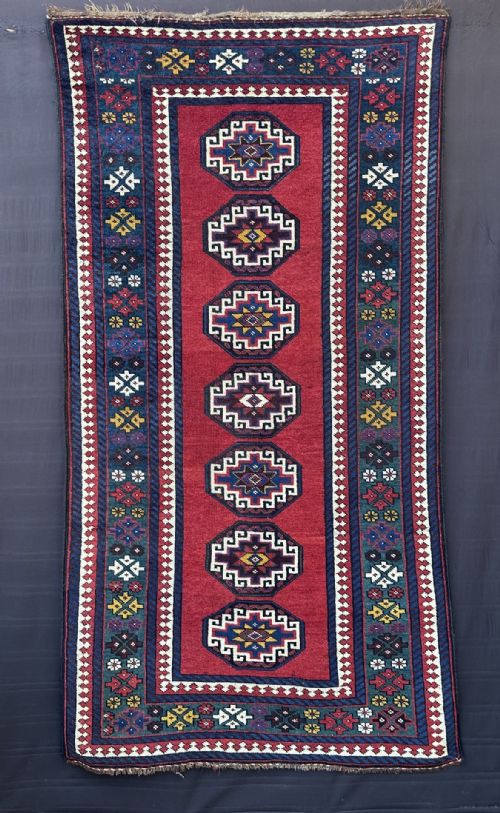
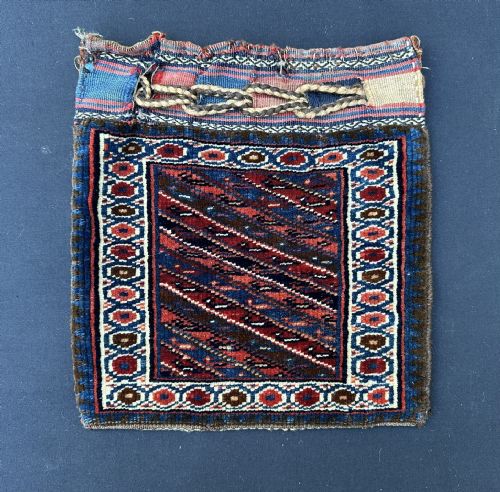
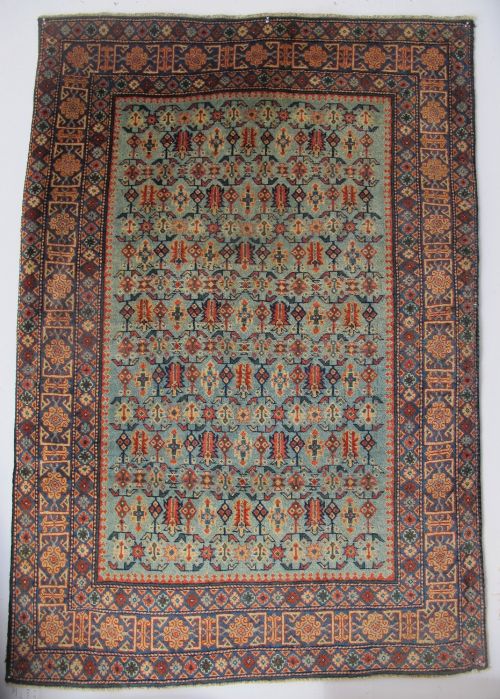
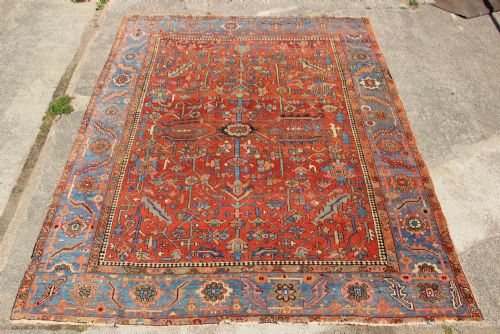
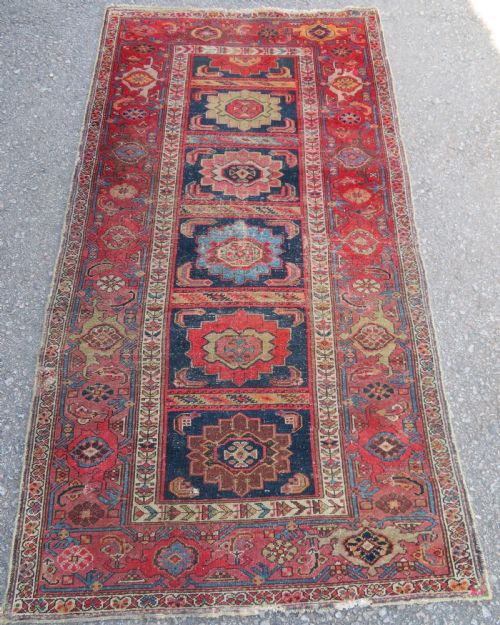
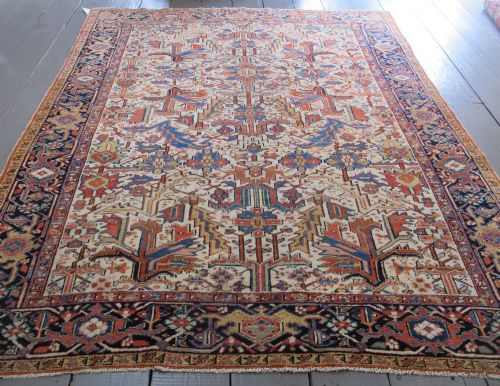
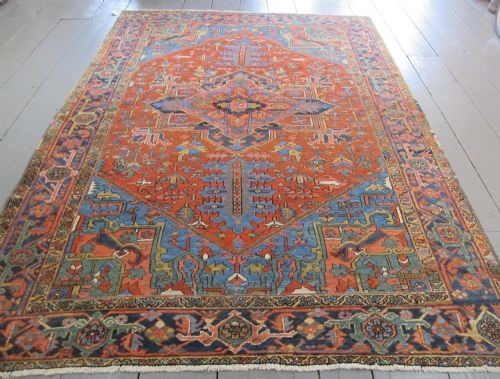
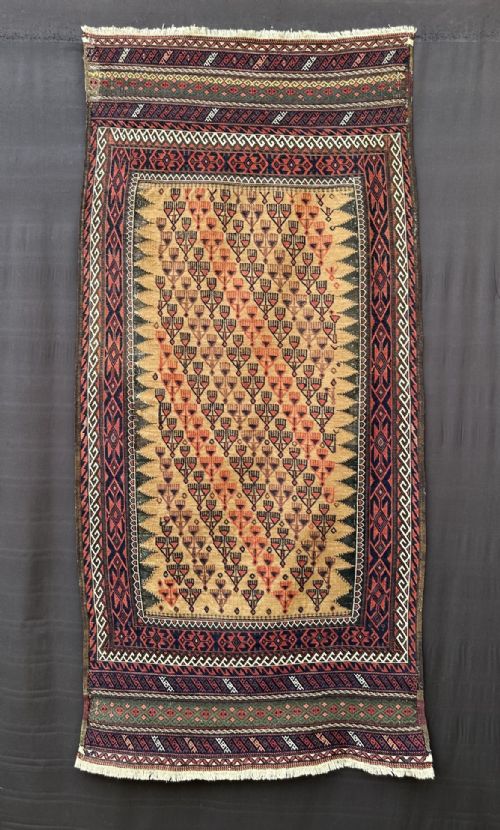
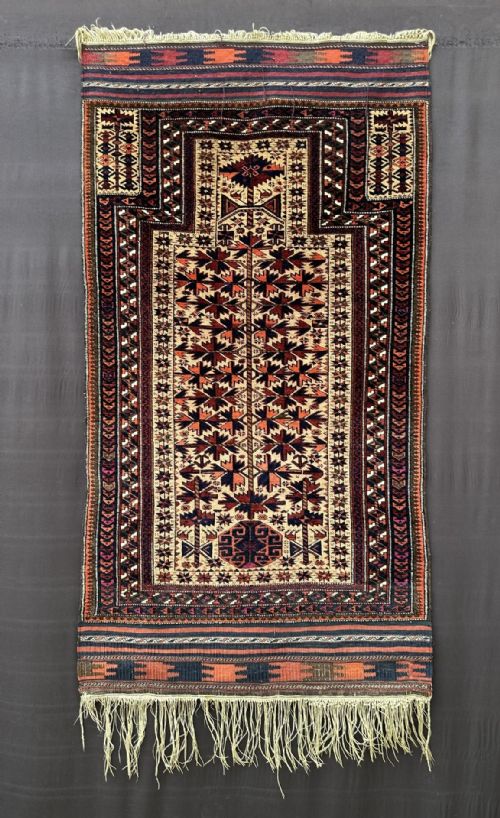
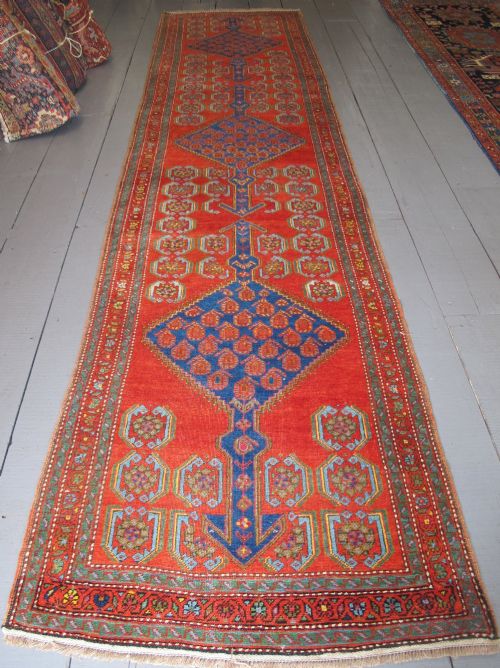
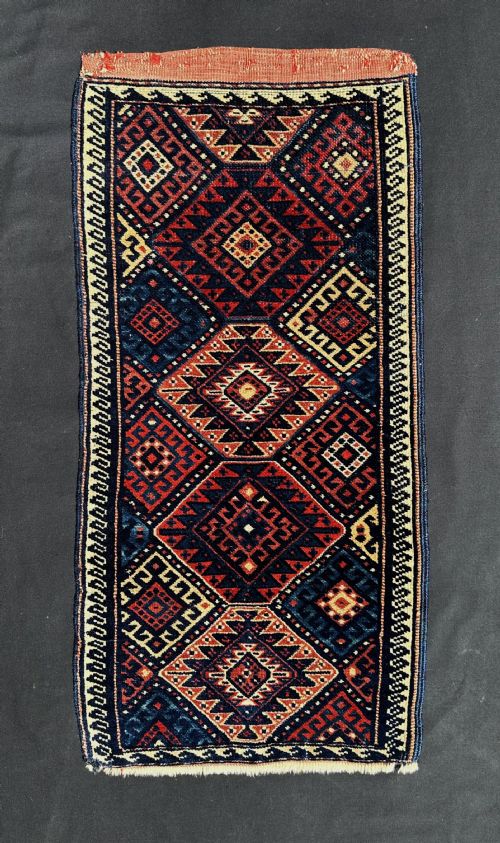
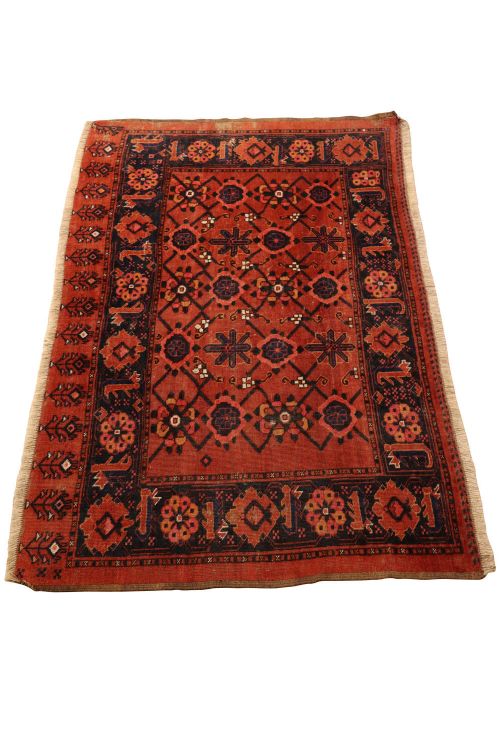
When searching for an antique north persian rug, buyers encounter a diverse selection of regional carpets, village rugs, and tribal pieces originating from production centres such as Heriz, Tabriz, Karaja, Serab, and Hamadan. These textiles include larger floor carpets alongside runners, prayer rugs, and utilitarian tribal bag-faces.
The material record demonstrates centuries of traditional weaving practices rooted in specific communities like the Kurdish, Timuri, and Kordi tribes. Examples range from finely detailed city workshop productions to rustic village formats featuring geometric motifs and distinctive medallions.
How They Were Made
Makers constructed these textiles using hand-knotted wool pile secured onto cotton or wool foundations, frequently incorporating hand-spun materials and natural dyes to achieve rich colour variations. Structural integrity relied on sturdy knotting techniques adapted by individual village and nomadic weavers across northern provinces.
Tribal pieces often integrate ancillary materials such as leather and metal elements, reflecting the functional requirements of portable domestic items like salt-bags, bread sofrehs, and pillow bag-faces. Dye stuffs and wool quality varied according to local resources available to regional workshops and migrating groups.
Listings feature structural materials including hand-spun wool, cotton foundations, leather, and metal components across various regional formats.
What Varies in Quality
Quality within these textiles depends upon the fineness of the knotting, the stability of the foundation materials, and the depth achieved through natural dye use. Superior examples display precise execution of intricate geometric or floral designs alongside exceptional wool handling.
The distinction between workshop productions and simpler tribal pieces rests on the tightness of the weave and the complexity of the internal composition. Condition and original scale also play a role, separating heavily worn survivals from intact examples retaining their full borders.
Benlian
The Antique North Persian Rug Glossary
- Sofreh
- A flat-woven or pile-knotted spread used for dining, kneading bread, or serving food within nomadic and village households.
- Balisht
- A small pillow bag-face produced by tribal weavers for domestic furnishings and storage.
- Herati
- A repeating botanical pattern featuring a central rosette enclosed by leaf motifs, commonly found in Persian carpets.
- Boteh
- An almond-shaped or pine-cone motif with a curved upper end, frequently repeated across tribal and village textiles.
- Kelleh
- A long, rectangular format carpet traditionally used in specific reception spaces within Persian interiors.
Antique North Persian Rug: Frequently Asked Questions
How do I identify a tribal rug?
Tribal rugs are characterised by asymmetric geometric layouts, utilitarian formats like bag-faces, and designs originating from nomadic groups rather than urban workshops.
These pieces often utilise coarser hand-spun wool and employ distinct regional symbols tied to specific tribal heritages.
Where were these rugs made?
Production was centred across the northern provinces of Persia, encompassing regions such as Khorassan, Heriz, Hamadan, and the borderlands near Afghanistan.
Different towns and nomadic confederations developed distinct palettes and structural characteristics unique to their local geography.
What is a runner rug used for?
Runners provide long, narrow formats specifically suited for hallways, corridors, and transitional domestic spaces.
Their elongated proportions display repeating border designs and medallion sequences effectively over extended distances.
How do natural dyes affect appearance?
Natural dyes produce rich, variable tones that mellow gracefully over decades, developing subtle shifts in colour known asabrash.
This organic variation gives antique textiles a depth and warmth distinct from uniform synthetic colourants.