

Antique Nomadic Weaving
Antique nomadic weaving brings the portable artistry of tribal groups into modern interiors through authentic wool textiles.
Antique Nomadic Weaving
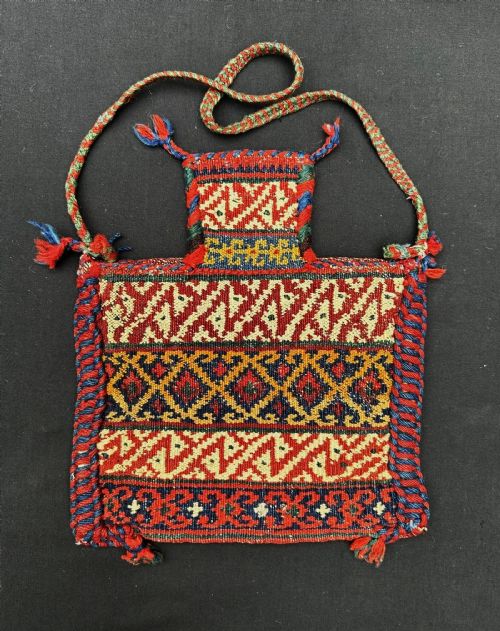
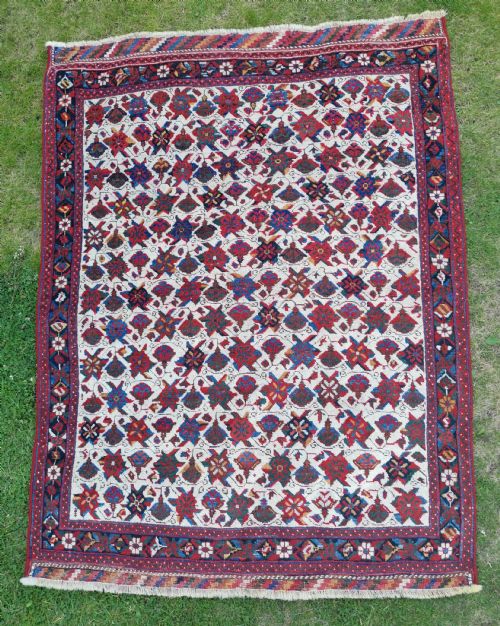
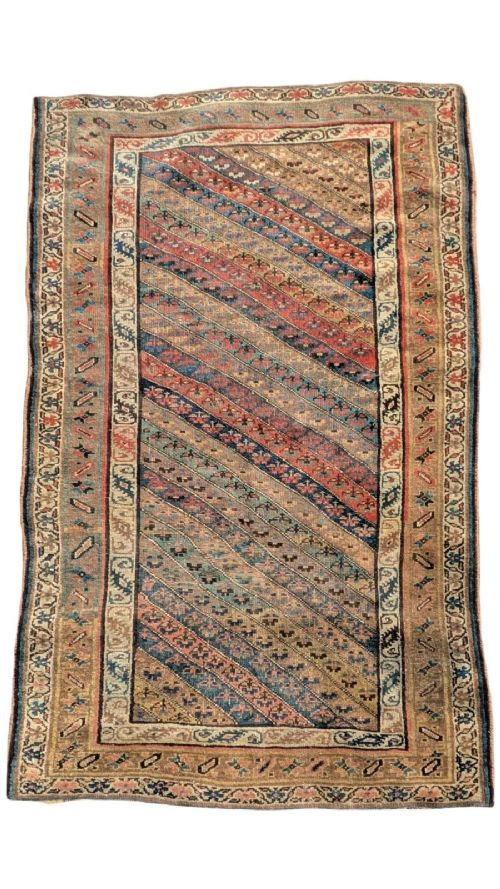
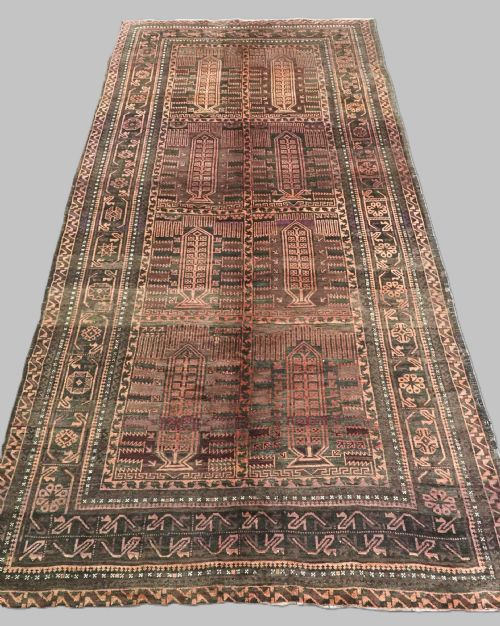
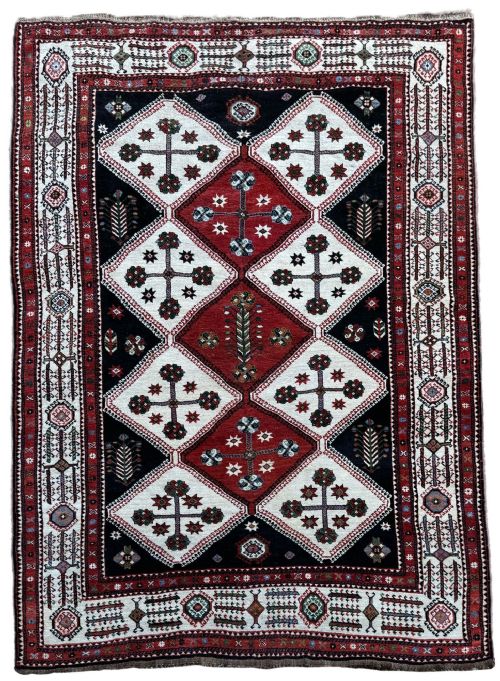
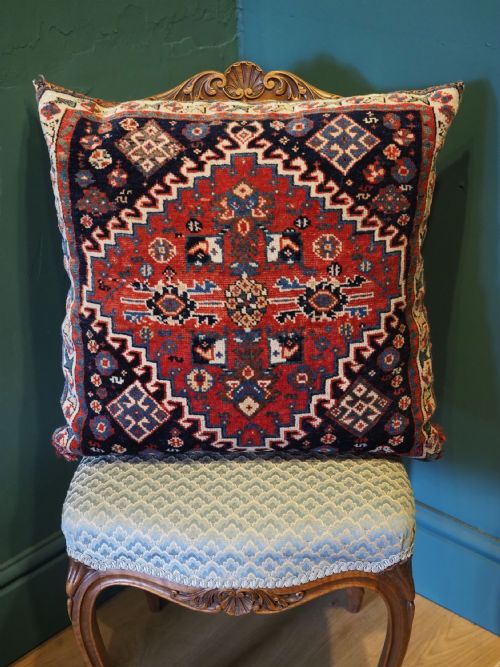
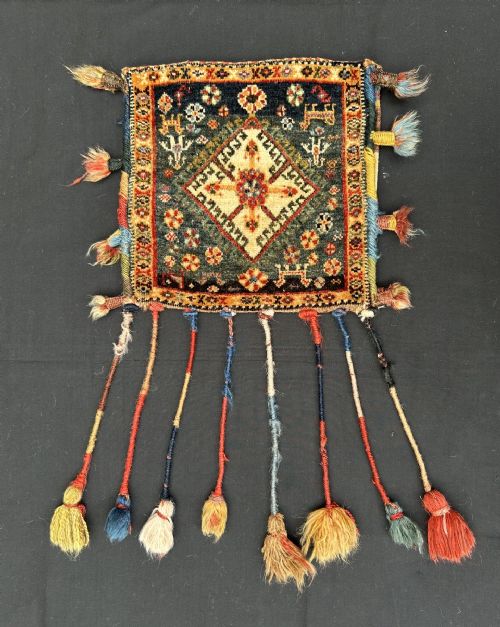
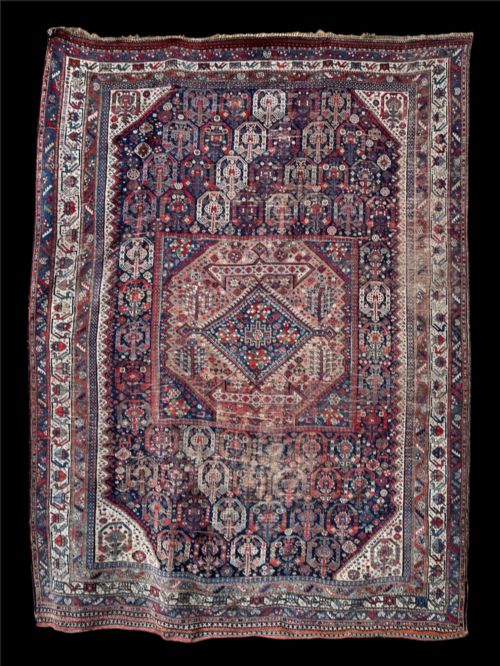
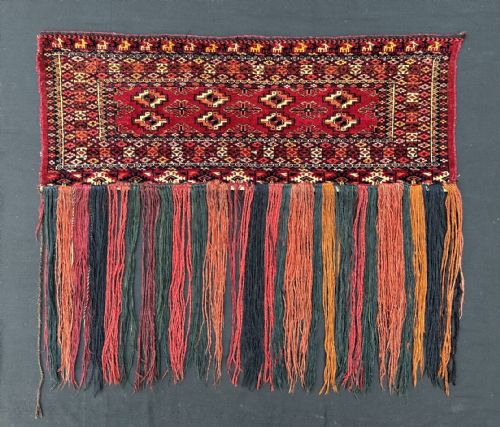
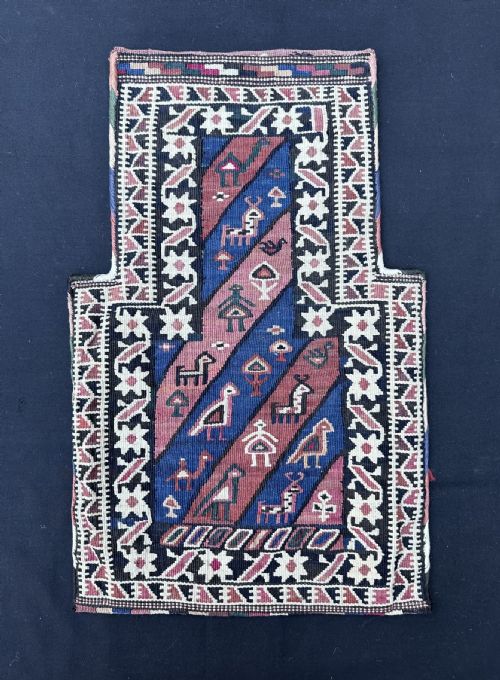
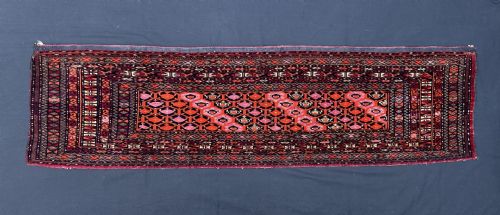
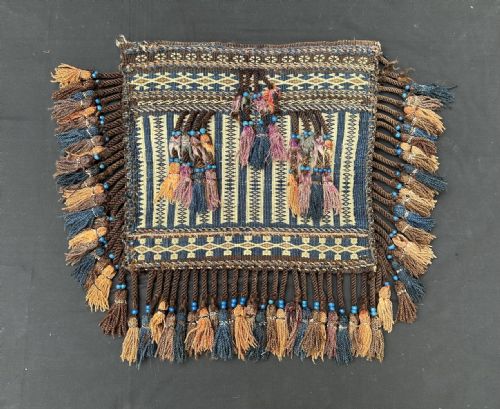
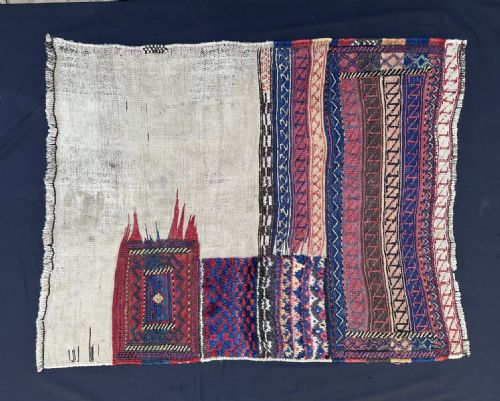
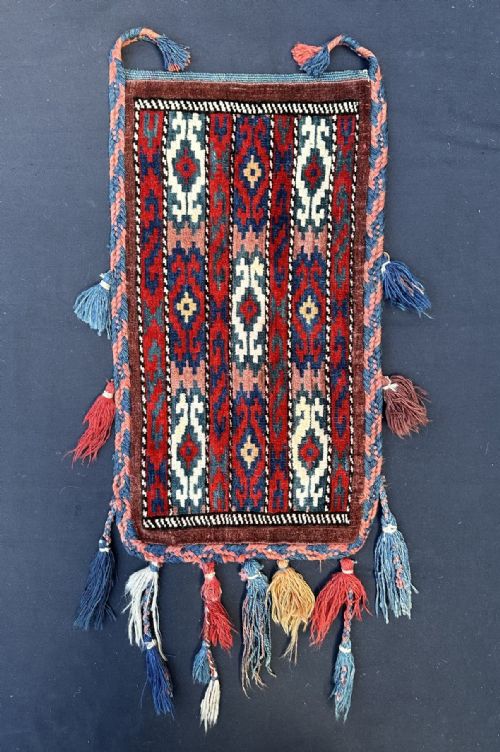
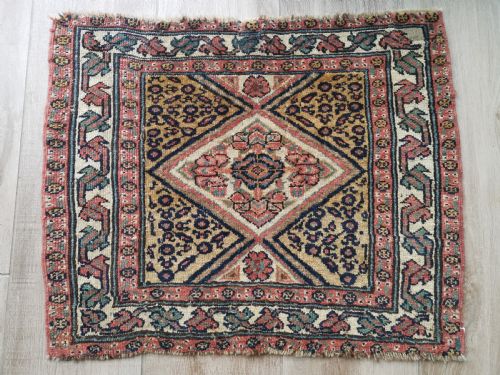
When you search for antique nomadic weaving, you encounter portable textiles produced by tribal groups for daily use, transport and domestic storage. These pieces encompass bagfaces, torbas, chuvals, bread sofrehs and half-saddlebags created across Persia and Central Asia. The items on this page reflect distinct tribal identities and utilitarian functions rooted in pastoral traditions.
The objects most frequently met here stem from specific tribal confederations and groups such as the Jaf, Ersari, Tekke, Saryk and Qashqa'i. Their formats range from small square bagfaces to larger storage sacks designed to carry household provisions. Each piece represents a specific weaving culture from the nineteenth century.
How they were made
These textiles rely on hand-spun wool for both pile and foundation structures, often combined with cotton for supplementary elements or structural integrity. Weavers utilised natural dyes to achieve deep reds, madder tones and contrasting dark outlines that define the tribal motifs. The resulting fabric is dense and resilient, built to endure the rigours of nomadic migration.
Construction techniques vary from pile knots in torbas and chuvals to flatweave structures found in bread sofrehs and half-saddlebags. The weave density can be exceptionally fine, as seen in specific Tekke and Ersari pieces from the nineteenth century. Artisans integrated traditional guls and geometric symbols directly into the structural warp and weft during production.
Antique Nomadic Weaving Retail Price Guide 2026
Typical asking prices for nomadic weaving among the pieces listed under this phrase on Sellingantiques today, from the lower quarter to the upper quarter. They describe what is for sale here now, not the wider market.
Bread sofrehs were dusted with flour daily, leaving subtle traces of nomadic domestic life baked into the wool.
What varies in quality
Quality in antique nomadic weaving rests upon the precision of the weave and the saturation of the natural dyes. Finer knot counts and crisply articulated gul designs separate standard utility pieces from exceptional tribal examples. The clarity of the colour palette, particularly the depth of reds and browns, distinguishes superior items.
The integrity of the original format also dictates standing within the category, especially where bagfaces and torbas retain their complete borders and backing structures. A well-preserved tribal textile demonstrates harmonious proportions and balanced symmetry across the field. The handling of secondary details and wool quality further defines the upper tier of these works.
The Antique Nomadic Weaving Glossary
- Bagface
- The decorative front panel of a storage bag produced by tribal weavers for household organisation. These panels are typically preserved as independent textile items.
- Torba
- A small utilitarian wall-hanging sack traditionally used in Turkmen households for storing small possessions. They often feature prominent gul motifs across the face.
- Chuval
- A large storage bag made by Turkmen tribes to hold bedding and heavy clothing inside a yurt. Examples frequently display multiple rows of primary guls.
- Sofreh
- A flatwoven textile used primarily for kneading bread, serving meals or wrapping foodstuffs. Central Persian examples show distinctive geometric compositions.
- Gul
- A repeated octagonal medallion or floral motif used extensively in Turkmen and tribal weaving traditions. Each design often signifies a specific clan or lineage.
- Natural Dyes
- Colourants derived from plants, roots and insects rather than synthetic compounds. These materials yield rich patinas that mature gracefully over time.
Antique Nomadic Weaving: Frequently Asked Questions
What is nomadic weaving?
Nomadic weaving encompasses functional textiles produced by pastoral tribes for use during seasonal migrations. These pieces include storage sacks, animal trappings and household cloths.
Unlike urban workshop carpets, these items reflect the personal iconography and immediate needs of tribal makers. They bridge practical utility with traditional artistry.
How were these bags used?
Tribal groups utilised these woven pieces inside tents and during transport across rugged terrain. Items such as chuvals and torbas stored bedding, clothing and provisions.
Smaller bagfaces and half-saddlebags served mounted transport needs or domestic organisation. Their construction was designed to withstand constant handling and movement.
How do I identify Turkmen work?
Turkmen weaving is characterised by deep madder red grounds and systematic rows of octagonal guls. Sub-groups like the Tekke and Ersari maintain distinct structural proportions and border patterns.
Fine knotting and wool quality often provide additional clues to specific tribal origins within Central Asia. The palette generally relies on natural dye formulations from the nineteenth century.
How should I live with these textiles?
These pieces integrate well into modern interiors as wall hangings, table covers or small floor accents. Their durable wool construction suits areas with moderate foot traffic if used on the floor.
Protecting them from prolonged direct sunlight preserves the natural dye colours. Regular gentle rotation and careful cleaning maintain the wool fibre integrity.