


Antique Nomadic Rug
When you search for an antique nomadic rug, you encounter hand-woven tribal textiles and utility bags originating from Persian, Turkmen, and Central Asian groups during the nineteenth and early twentieth centuries.
Antique Nomadic Rug
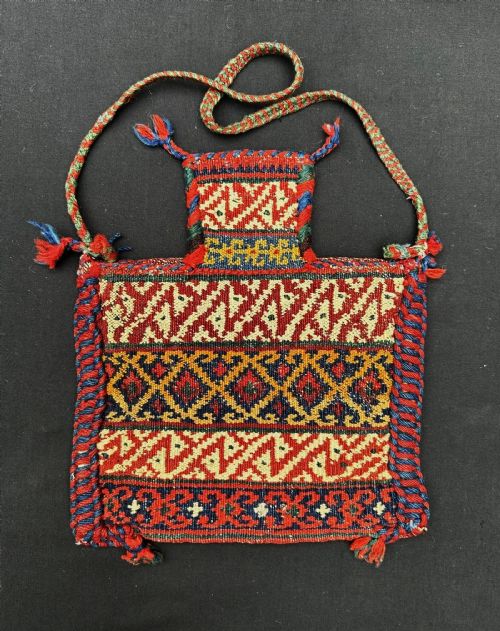
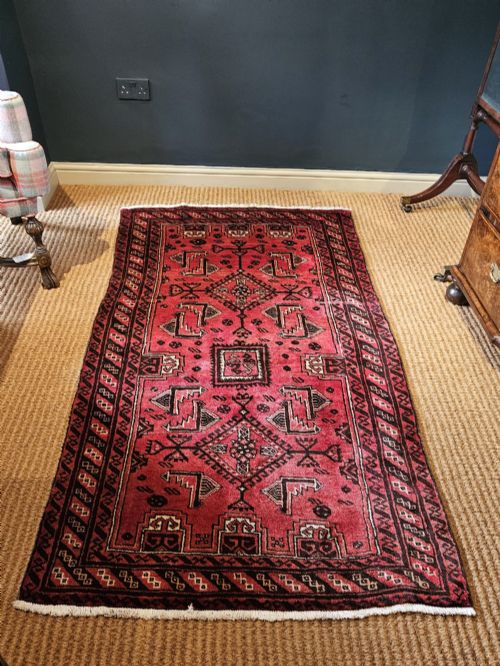
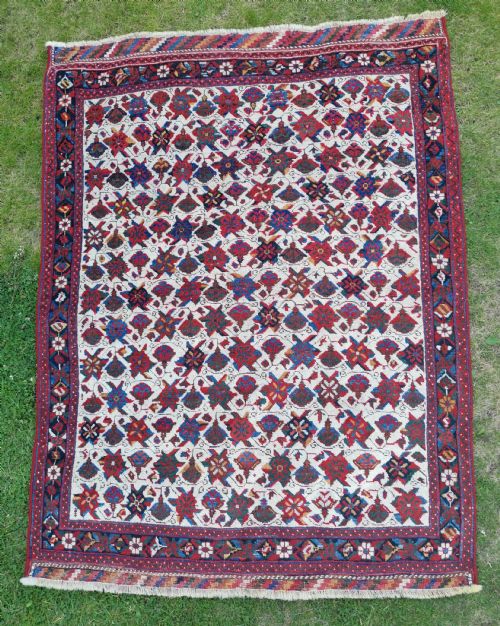
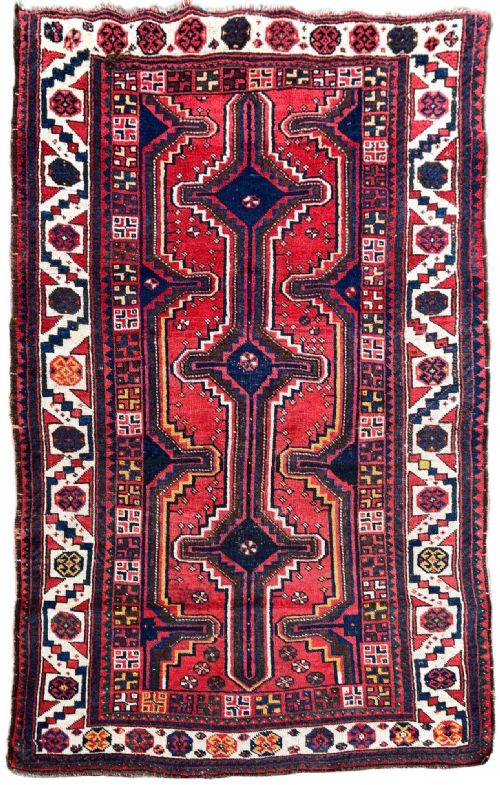
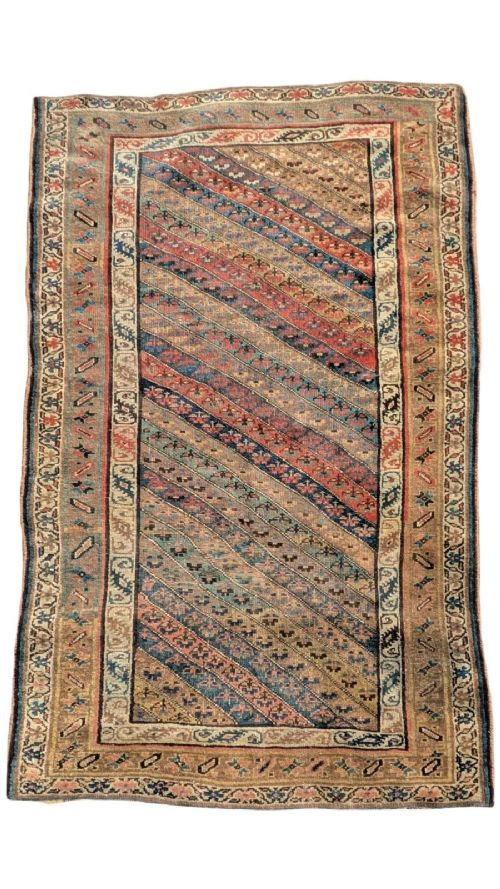
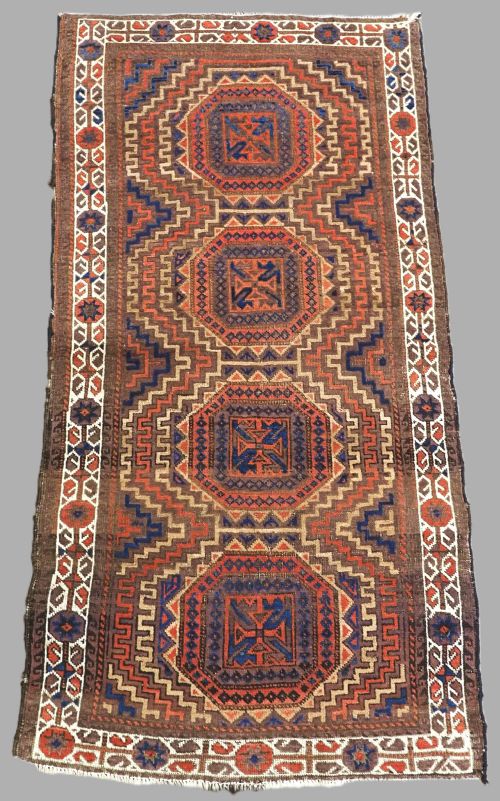
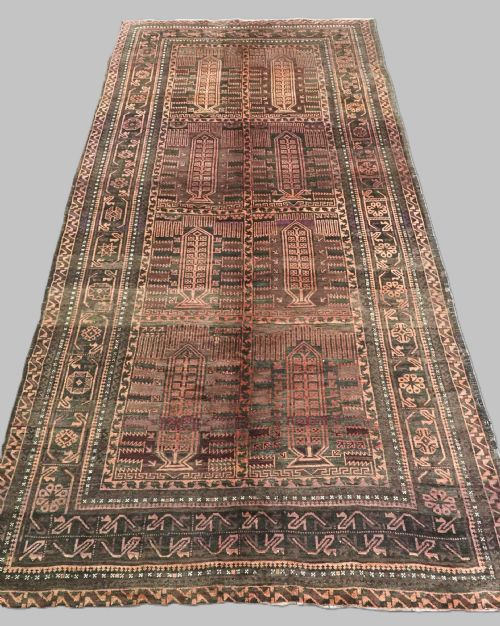
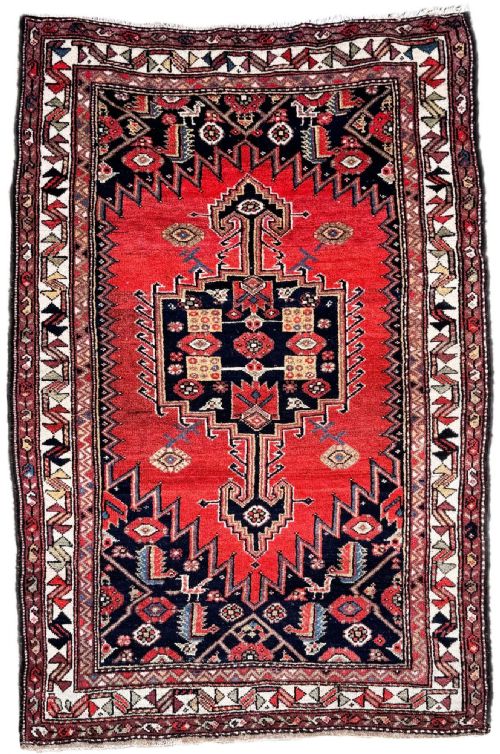
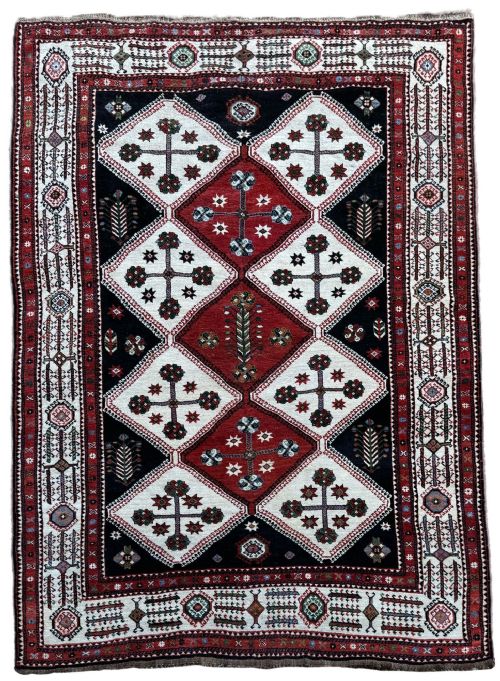
The pieces grouped under an antique nomadic rug span regional woven objects produced by tribal confederacies and nomadic groups, including large main carpets, area rugs, prayer rugs, and smaller utility items such as saddle bags, storage bags, and horse blankets. Most examples you encounter originate from Persian groups like the Afshar, Qashqai, and Khamseh, or from Turkmen and Uzbek tribes across Central Asia.
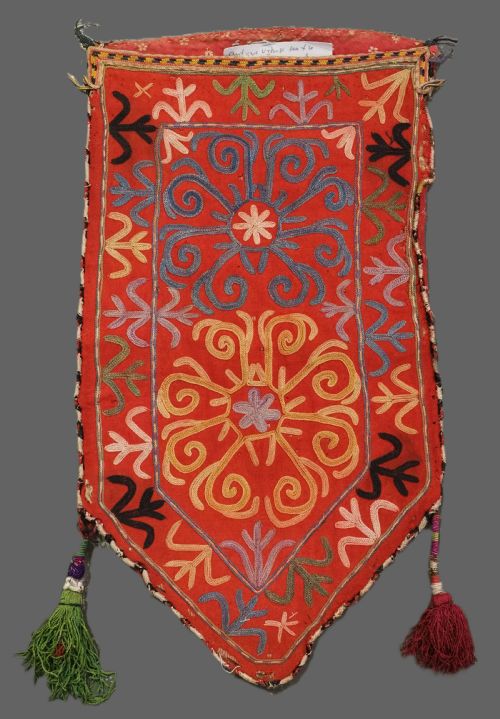
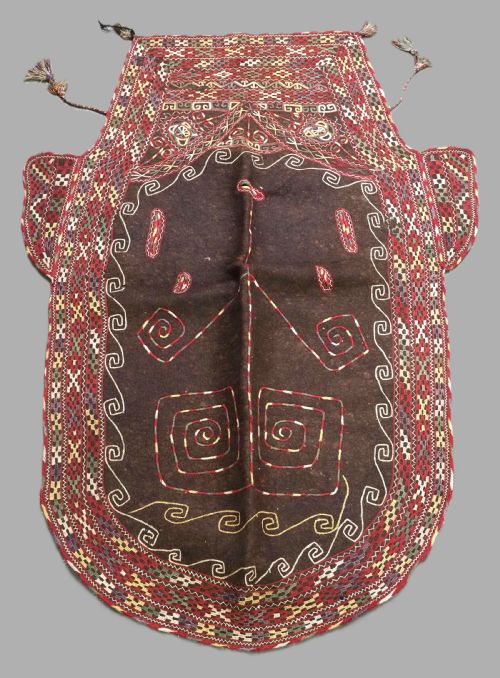
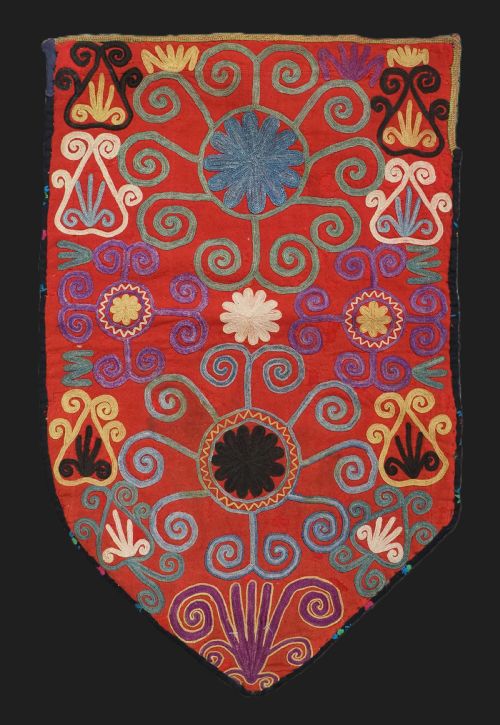
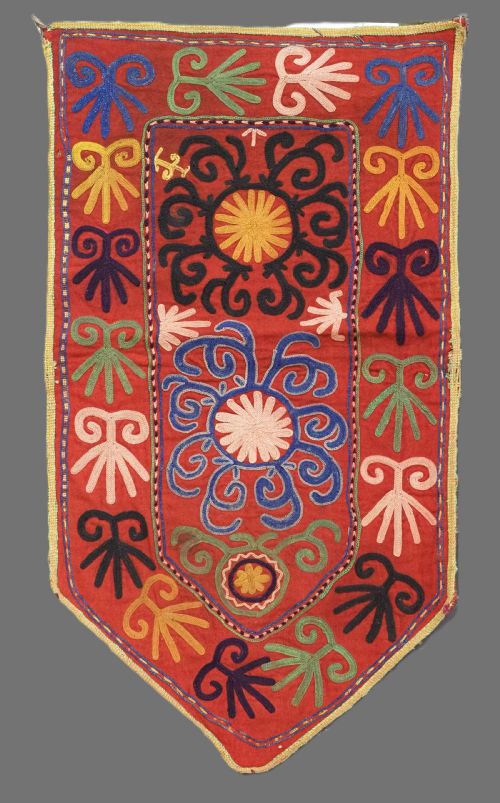
Instead of standard floor coverings, many items fulfilling this search phrase are woven containers and utilitarian textiles like the uut kap ilgich or vanity bag. These smaller pieces reflect the mobile lifestyle of their makers, who required durable, portable household items rather than fixed furnishings. Their formats range from square bagfaces to elongated runner proportions and ceremonial covers.
Materials and construction
Makers constructed these textiles predominantly using hand-spun wool and cotton, occasionally incorporating silk accents, felted wool, and cotton thread for structural integrity. The reliance on natural dyes yields varied colour palettes across Persian and Central Asian pieces, from deep madder reds to rich indigo blues.
Weaving techniques vary by tribal tradition, encompassing standard pile knots alongside flat-woven structures, embroidery, and double-faced construction. Felted wool is also utilised in specialised ceremonial horse blankets and covers produced by groups in Turkmenistan and Uzbekistan.
Antique Nomadic Rug Retail Price Guide 2026
Typical asking prices for nomadic rug among the pieces listed under this phrase on Sellingantiques today, from the lower quarter to the upper quarter. They describe what is for sale here now, not the wider market.
Listings feature items dated from the mid nineteenth century through to the early twentieth century, originating from Persian, Turkmen, and Uzbek tribal makers.
Assessing quality in nomadic weaving
Quality in these textiles depends on the fineness of the knotting or weave density, the precision of geometric motifs like guls and boteh, and the stability of the natural dyes used. Pieces with tightly packed foundations and crisp line work demonstrate superior execution by the weaver.
The integrity of the materials, particularly the condition of hand-spun wool and surviving original edges or selvedges, marks the distinction between ordinary utility items and exceptional tribal artefacts. Age-related wear alters the pile, but structural soundness remains central to the distinction.
The Antique Nomadic Rug Glossary
- Gul
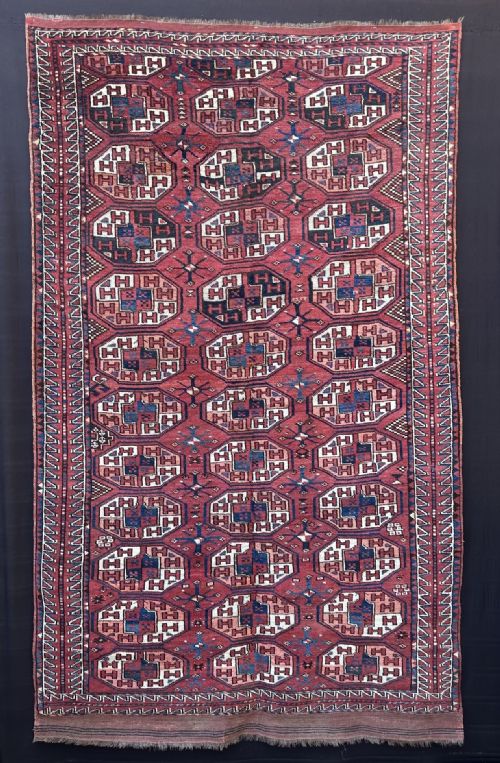
- A repeating octagonal medallion motif frequently found in Turkmen and Baluch carpets. These symbols often identified specific tribal lineages.
- Boteh
- A stylized almond or pear-shaped floral motif representing a traditional Persian symbol of life and eternity. It appears across various rug and bagface designs.
- Asmalyk
- A large pentagonal or polygonal camel-trapping produced by Yomut and other Turkmen tribes for wedding processions. They were mounted on the flanks of bridal camels.
- Uut Kap
- A large torse or storage bag woven by Central Asian nomads for domestic use inside tents and yurts. They often feature elaborate face embroidery.
- Mihrab
- A niche design element modelled on the prayer arch in a mosque, defining the orientation of prayer rugs. Double mihrab formats feature arches at both ends.
Antique Nomadic Rug: Frequently Asked Questions
What is an antique nomadic rug?
An antique nomadic rug is a hand-knotted or flat-woven textile created by tribal groups and confederacies for domestic or ceremonial use, primarily dating from the nineteenth and early twentieth centuries. These pieces were produced by shifting populations across Persia, the Caucasus, and Central Asia.
Unlike urban workshop carpets, these objects display spontaneous geometric designs and utility formats tailored to portable living. They include floor rugs, prayer rugs, saddle bags, and animal covers.
How were these rugs used?
Nomadic tribes utilised these woven pieces for daily survival, comfort, and transport within their tent communities. Floor rugs provided insulation against cold earth, while bags stored grain, salt, pipes, and personal belongings.
Larger ceremonial covers and asmalyks served decorative functions during weddings and tribal migrations. Every item fulfilled a practical purpose suited to a pastoral lifestyle.
How do I live with tribal rugs?
Living with these textiles involves placing them in low-traffic areas or mounting smaller bagfaces and wall hangings to protect the aged pile. Using a quality underlay prevents slipping and reduces friction against hard flooring.
Keep them away from direct sunlight to preserve natural dye colours and vacuum gently without rotating brush bars. Their robust wool construction handles moderate domestic environments well when treated with care.
How do I tell tribes apart?
Distinguishing tribal origins requires examining specific structural traits, colour palettes, and repeating motifs such as guls, borders, and animal configurations. Turkmen weaving often showcases deep madder reds and distinct octagonal guls, whereas Persian Qashqai and Afshar pieces incorporate intricate geometric medallions and boteh patterns.
Material choices, structural formats like saddle bags, and distinct weaving structures also point directly to specific groups like the Baluch, Khamseh, or Uzbek.