


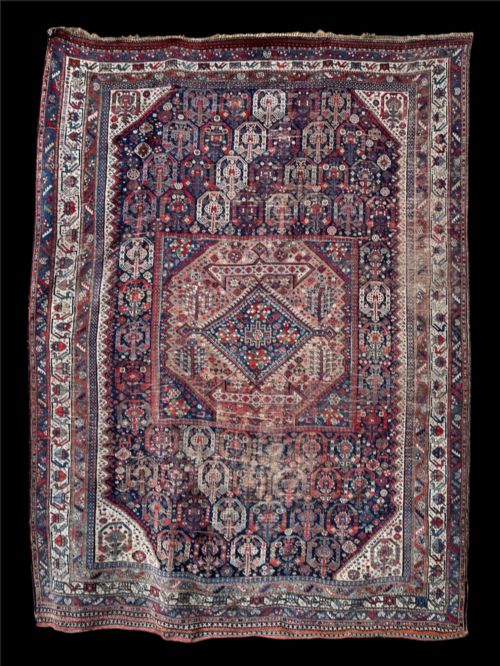
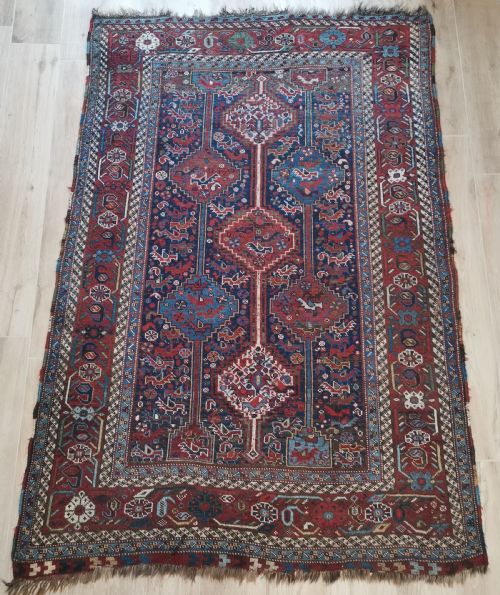
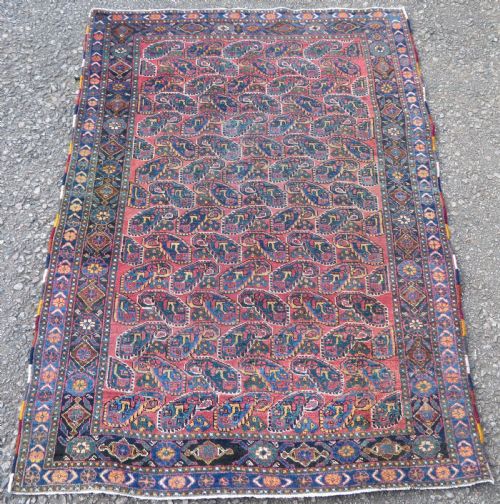
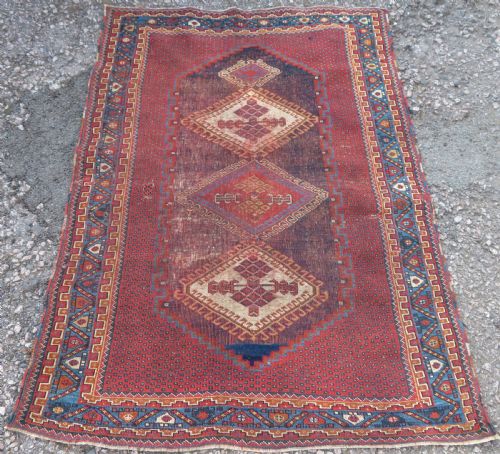
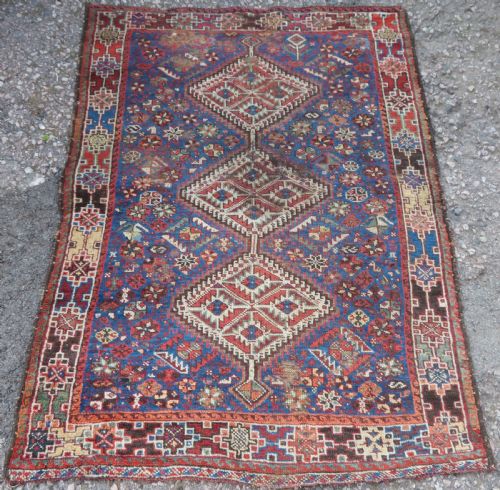
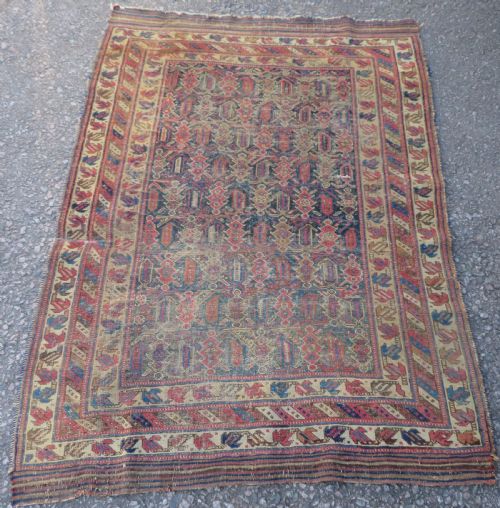
Antique Nomadic Area Carpet
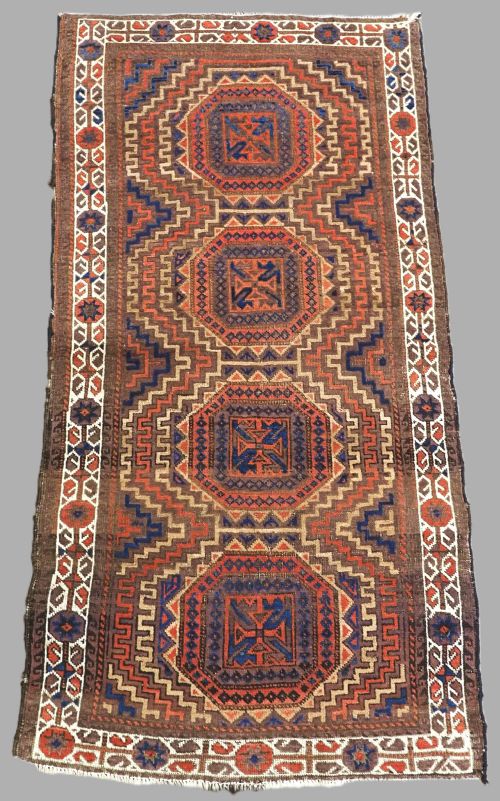
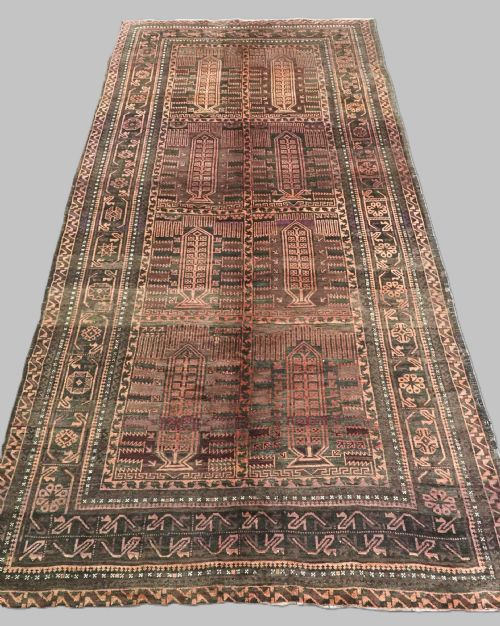
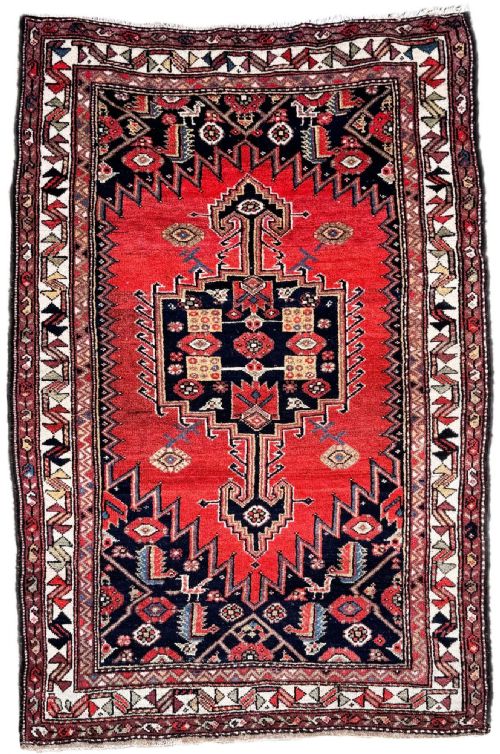
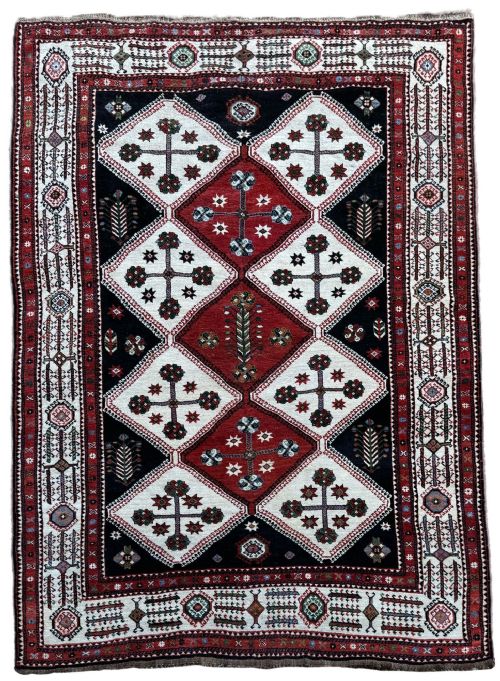
These pieces are an antique nomadic area carpet, woven by tribal groups to bring colour and utility to tent floors and domestic spaces.
Antique Nomadic Area Carpet
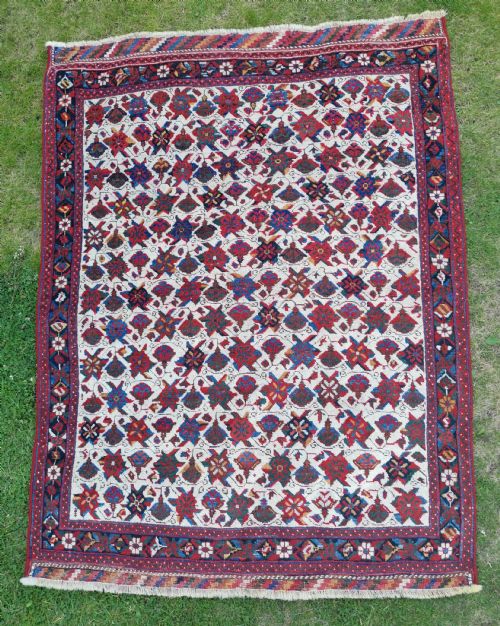
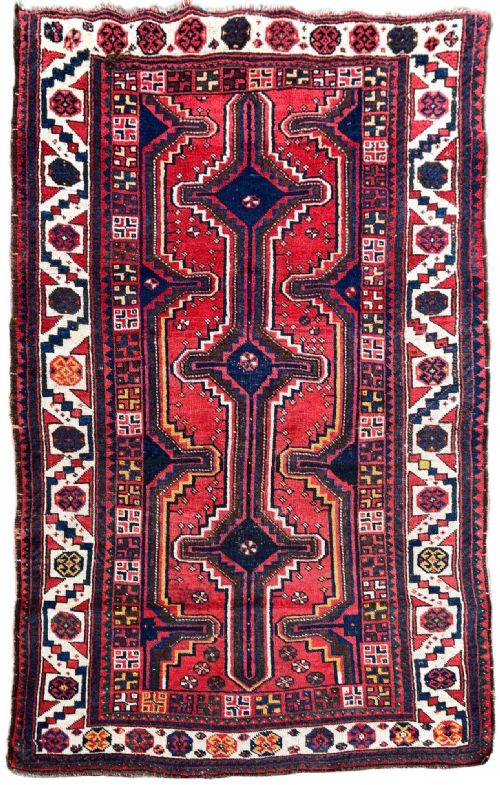
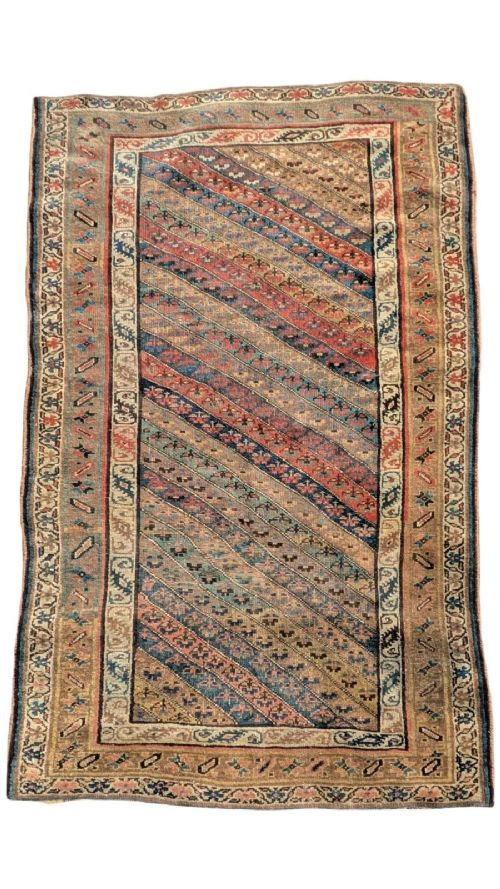
An antique nomadic area carpet brings tribal history into a room through wool textiles woven by groups such as the Khamseh, Afshar, Lori, and Baluch. These floor coverings reflect the distinct artistic traditions of regions across Persia, Central Asia, and the Caucasus.
The versions most commonly met on this page span from the late nineteenth century into the early decades of the twentieth century. They arrive in various formats, including main carpets, prayer rugs featuring mihrabs, and smaller area rugs.
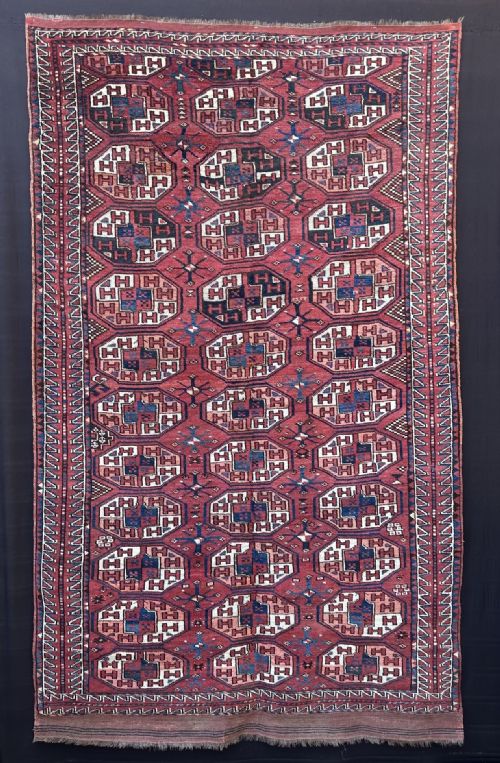
Makers include specific confederacies and tribes, notably the Khamseh, Turkmen, and Kurdish groups, working within established regional styles. The patterns incorporate geometric motifs, large guls, and tribal emblems passed down through generations.
How They Were Made
Weavers utilised hand-spun wool for the pile and structure, often combining it with cotton foundations in specific regional workshops. Natural dyes provided the palette, creating deep tones that developed a rich patina over decades of use.
The construction relied on hand-weaving techniques executed on portable or village looms. Each carpet integrated traditional tribal symbols into a durable textile designed for daily wear.
The inventory includes tribal styles originating from Persian, Turkmen, Afghan, and Kurdish weaving traditions.
What Varies in Quality
Quality depends upon the fineness of the knotting and the precision of the tribal design execution. Tighter weaves and well-preserved natural dye variations distinguish superior examples from standard village work.
The condition of the wool pile and the structural integrity of the sides and ends influence the overall merit of a piece. Original side finishes and intact borders demonstrate higher craftsmanship and careful preservation.
The Antique Nomadic Area Carpet Glossary
- Mihrab
- A niche design found on prayer rugs that points toward Mecca during daily worship. This architectural motif often frames the central field of nomadic prayer carpets.
- Gul
- A repeating medallion or octagonal motif used extensively in Turkmen and Baluch tribal weaving. Each pattern identifies specific tribal lineages and weaving traditions.
- Chuval
- A large storage bag face produced by Turkmen tribes, featuring characteristic guls and flatwoven backs. These panels were utilised inside nomadic tents for household storage.
- Kapunuk
- A decorative tent door hanging placed around the wooden frame of a yurt. These horseshoe-shaped architectural textiles are woven in specialised tribal formats.
Antique Nomadic Area Carpet: Frequently Asked Questions
How do I clean my carpet?
Vacuum gently without using a rotating brush roll to protect the hand-spun wool pile from damage.
Professional specialist cleaning is recommended for antique textiles to preserve the natural dyes.
Can I place it on a wooden floor?
Using a breathable rug underlay prevents the carpet from sliding and protects both the floor and the textile.
This adds a layer of cushioning that reduces friction on the foundation fibres during daily foot traffic.
How do I identify tribal designs?
Look at the repeating motifs, border structures, and colour palettes to connect the piece to specific regions like Fars or Turkmenistan.
Tribal groups such as the Khamseh and Afshar incorporated distinct geometric symbols into their weaving.