

Traditional Handwoven Wool Rug
A traditional handwoven wool rug brings warmth and decades of resilience to a floor through enduring materials and regional patterns.
Traditional Handwoven Wool Rug
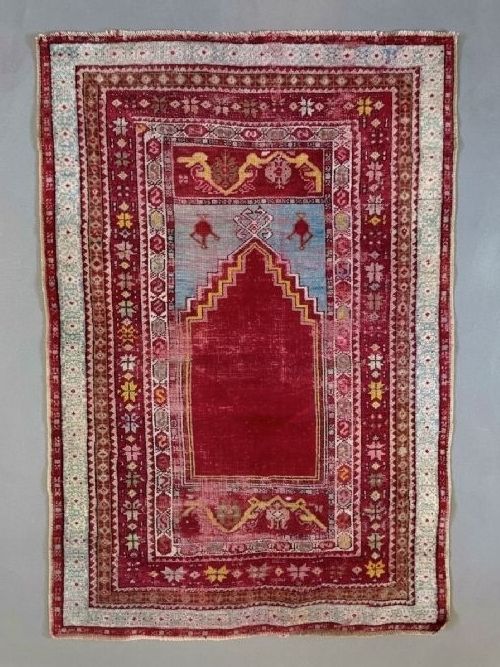
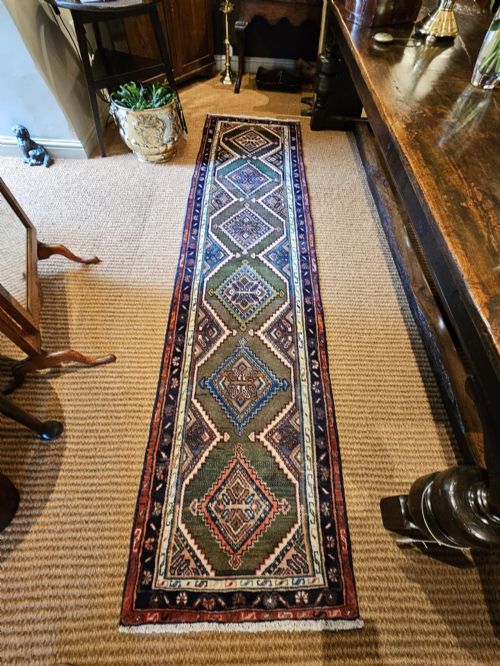
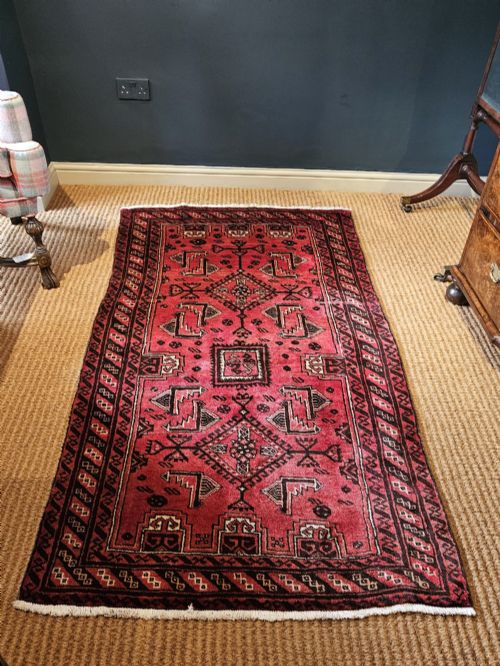
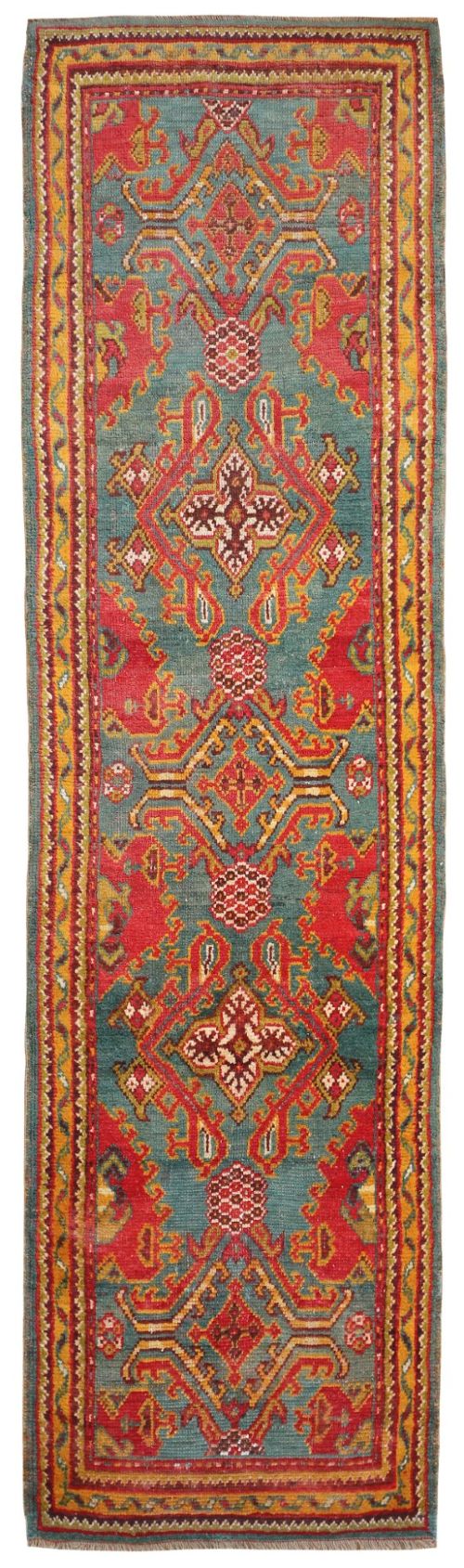
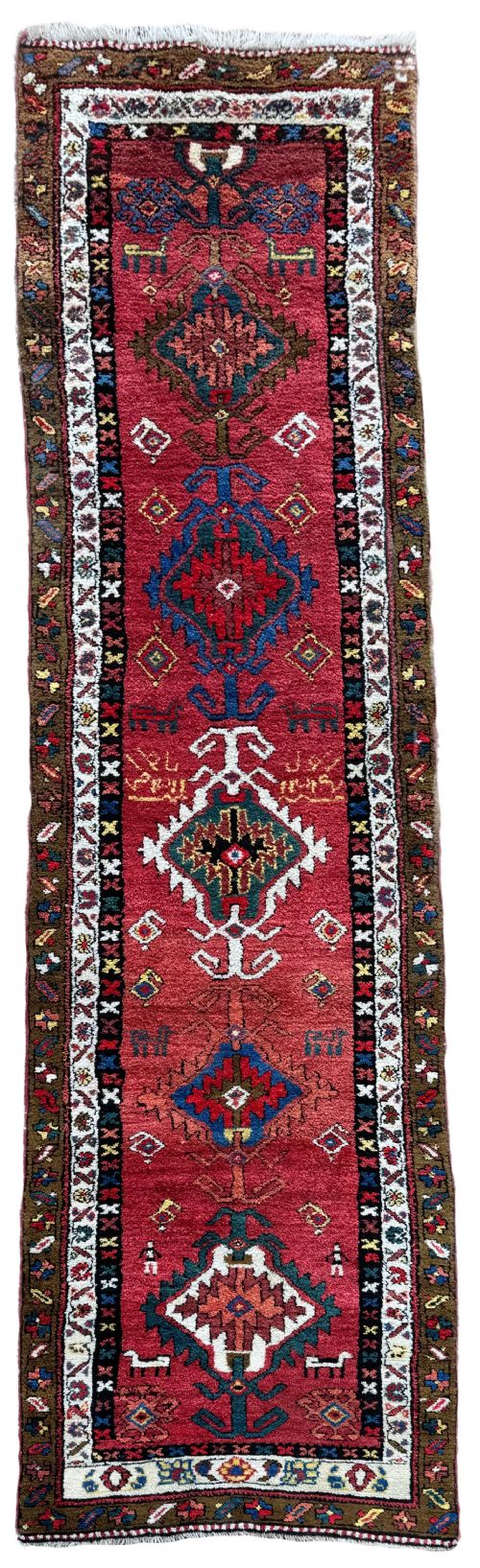
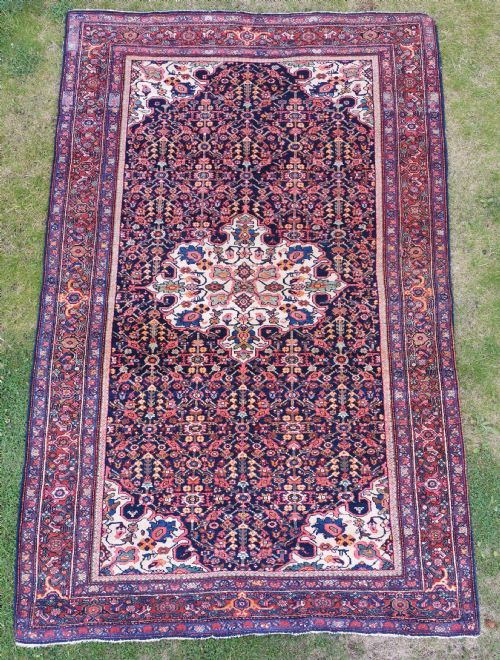
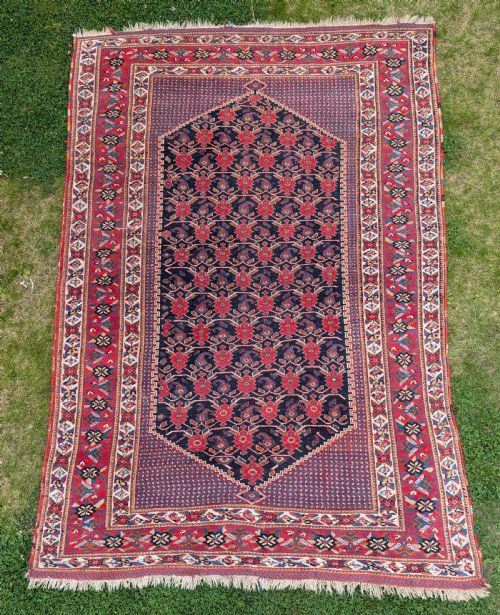
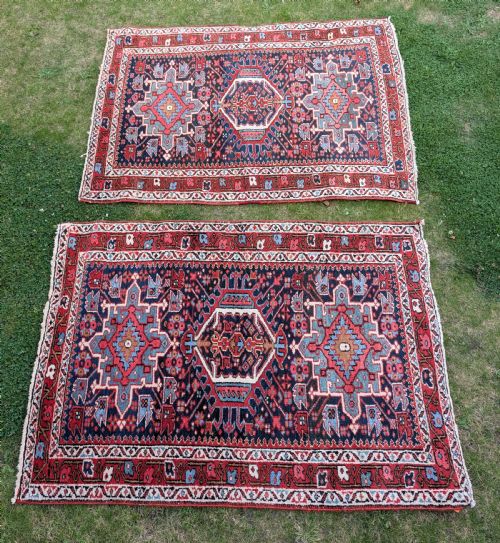
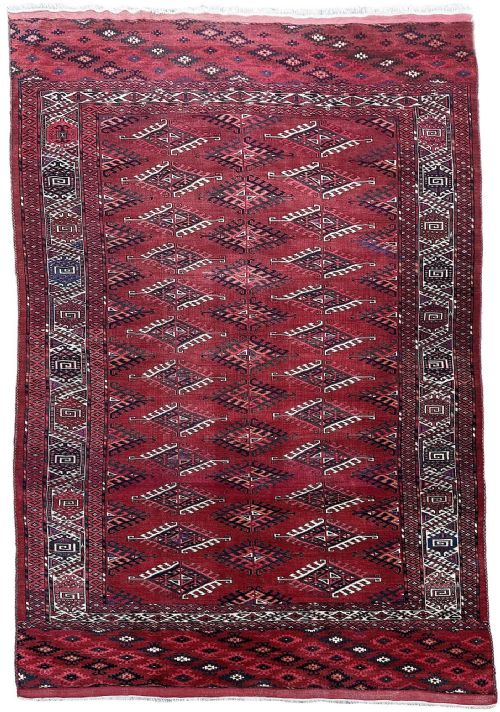
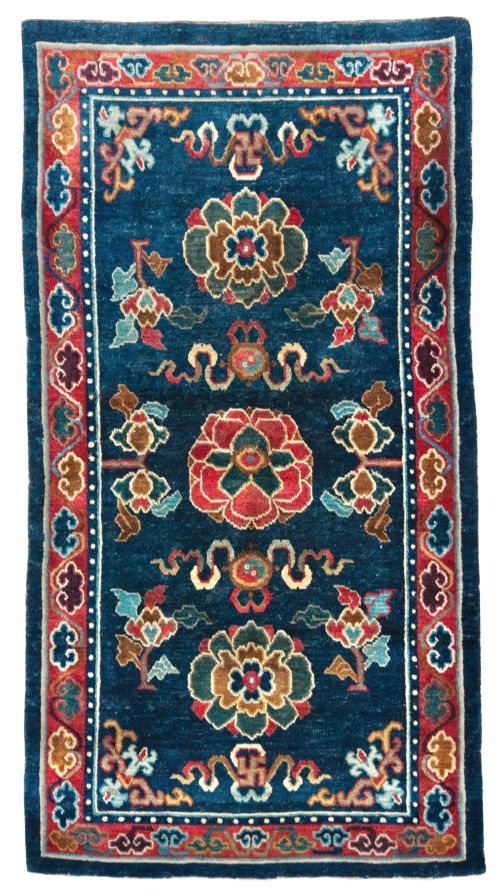
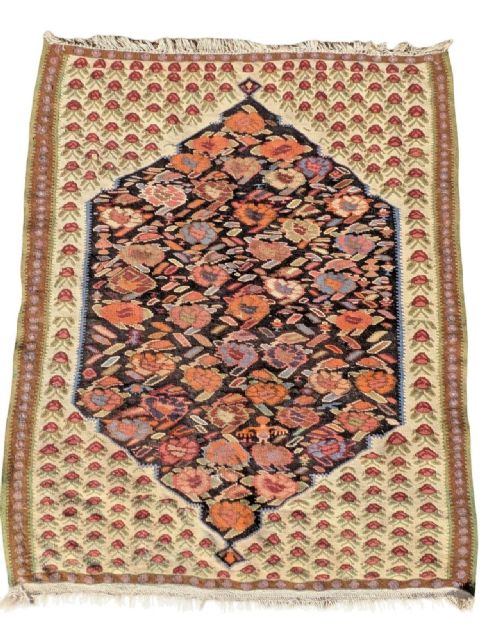
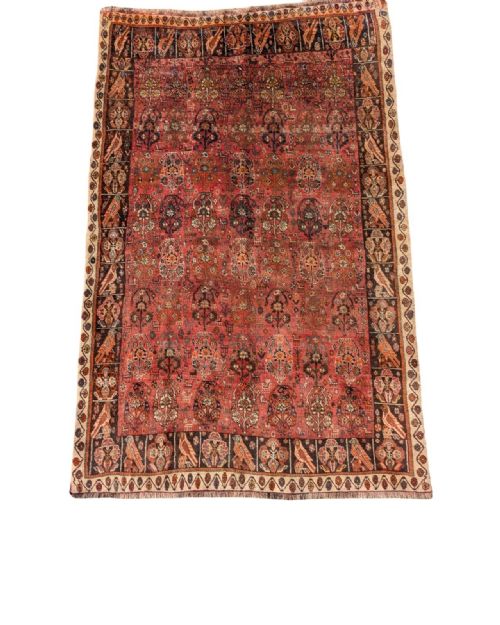
A traditional handwoven wool rug represents a diverse group of floor coverings and flatweaves originating from Persian, Caucasian, and Central Asian workshops and tribal communities. These textiles span from the late nineteenth century through the early twentieth century, encompassing runners, room-sized carpets, prayer rugs, and storage bags. Buyers encountering this selection will discover distinct regional weaves such as Heriz, Kazak, Baluch, and Yomut.
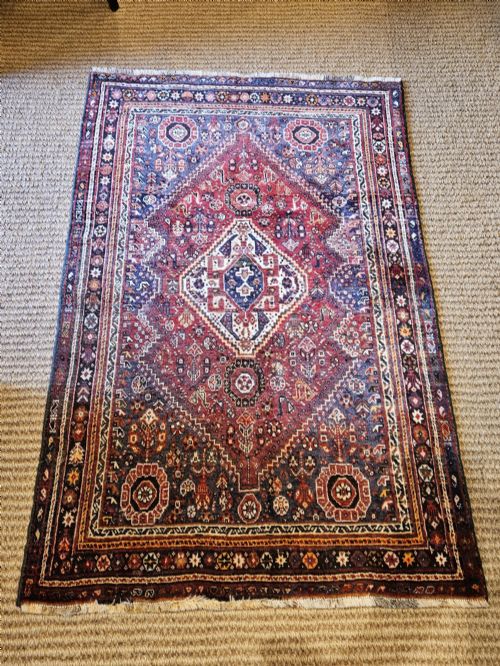
The aesthetic of these floor coverings relies heavily on geometric medallions, tribal motifs, and intricate floral fields executed in rich regional palettes. Format ranges from long hallway runners to compact scatter rugs and square carpets, suiting varied interior spaces. Each piece carries the distinct structural traits of its weaving origin, whether nomadic or village-made.
What varies in quality
Quality differences stem from the tightness of the weave, the precision of the knotting, and the handling of the wool. Finer examples display high knot density that sharpens the outline of medallions and border motifs. Softer, more lustrous wool grades yield a tactile handle that improves under foot traffic.
The depth and harmony of the dye palette further separate standard village productions from finer workshops. Pieces retaining rich natural dyes without muddy colour bleed demonstrate superior initial materials and dyeing mastery. Structural integrity of the selvedges and ends dictates how well the textile holds its shape over time.
Regional styles on this site range from Persian Heriz and Bidjar to Caucasian Karabagh and Turkmen Yomut.
The Traditional Handwoven Wool Rug Glossary
- Kilim
- A flatwoven carpet or rug produced without a pile. These pieces rely on interlocking weft threads to create flat geometric patterns.
- Medallion
- A central ornamental motif positioned in the middle of the rug field. It often takes a cruciform, hexagonal, or floral shape depending on the weaving region.
- Warp
- The vertical foundation threads stretched lengthwise on the loom. The pile knots are tied around these parallel strands.
- Weft
- The horizontal threads passed across the warp strands to lock the knots in place. They give the textile its structural firmness.
- Jollar
- A small Turkmen storage bag or hanging piece traditionally used within nomadic tents. They display characteristic tribal guls and borders.
Traditional Handwoven Wool Rug: Frequently Asked Questions
How do I clean an old wool rug?
Gentle surface brushing and professional specialist washing preserve the natural lanolin in historical wool fibres. Avoid harsh chemical immersion or abrasive scrubbing.
Regular light vacuuming without a rotating power head prevents dust accumulation in the wool pile. Professional care ensures the natural dyes remain stable.
What is a tribal rug?
Tribal rugs are woven by nomadic or semi-nomadic groups relying on memory patterns rather than fixed paper cartoons. These designs often feature geometric guls and bold village symbols.
Groups such as the Baluch, Yomut, and Afshar produced these pieces for personal utility, trade, and dowry. Their distinct motifs identify the specific migrating culture.
How do I identify a Heriz rug?
Heriz carpets are characterised by bold, heavy geometric medallions and robust corner spandrels woven in northwest Persia. Their construction utilises sturdy cotton foundations that give the carpets a rigid handle.
The distinctive large-scale motifs distinguish Heriz weaving from the curvilinear floral designs found in urban Persian workshops. Earthy terracotta and rust tones dominate the palette.