


Antique Nomad Wool Carpet
An antique nomad wool carpet brings the rich storytelling of pastoral weavers into the home through geometric patterns and deep natural dyes.
Antique Nomad Wool Carpet
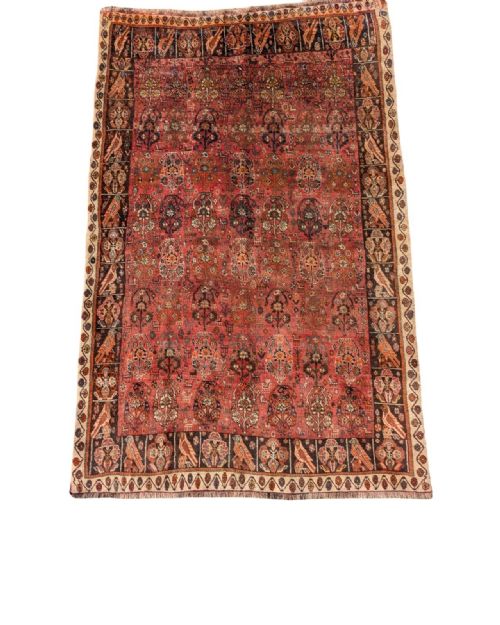
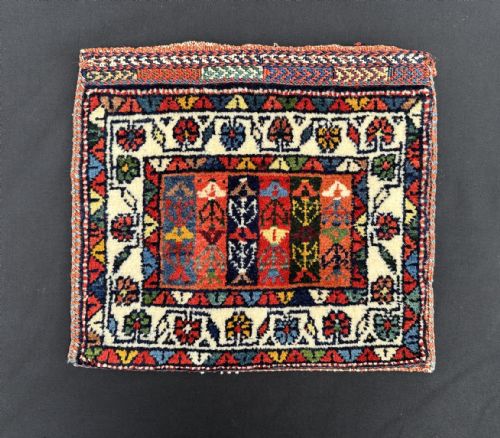
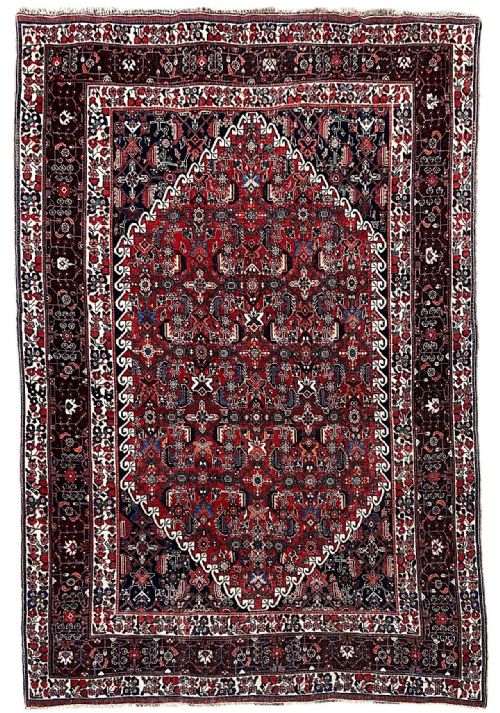
When buyers search for an antique nomad wool carpet, they are looking at tribal textiles woven by pastoral groups across Persia, Central Asia, and the Caucasus during the nineteenth and early twentieth centuries. These pieces encompass everything from full-size floor coverings and long runner rugs to smaller utilitarian items such as storage bags, saddlebags, and tent bands.
The most common examples on this page stem from specific tribal confederations and groups like the Qashqai, Afshar, Shahsevan, and various Turkmen tribes including the Tekke, Ersari, and Yomut. Their output ranges from finely knotted pile rugs to flatwoven kilims and mixed-technique face pieces designed for daily nomadic existence.
Rather than following rigid urban workshop cartoons, these textiles reflect the personal traditions and local surroundings of the weaver. Pieces often display idiosyncratic design shifts, tribal emblems known as guls, and vernacular motifs that connect the modern interior directly to nineteenth-century nomadic life.
Materials and construction methods
The foundation of these textiles relies heavily on locally sourced materials, predominantly hand-spun wool for the pile alongside cotton and goat hair used for warps andwefts. Certain pieces incorporate camel wool to introduce naturally varied brown tones into the woven field.
Weavers relied on natural dyes extracted from plants and minerals to colour the fleece, creating rich tones that mature gracefully over decades. The interplay of hand-spun yarn and natural dyestuffs gives the wool a distinct tactile depth and subtle tonal shifts across the surface.
Some nomadic weavers hid tiny intentional spelling slips in their repeating geometric borders to ward off the evil eye.
Evaluating the standard of weaving
The distinction between ordinary and exceptional examples rests upon the integrity of the materials and the precision of the tribal design. Tighter knotting density in pile rugs and sharply executed geometric layouts in flatweaves point to superior craftsmanship by the weaver.
Colour saturation and the harmonious balance of natural dyes dictate visual success. Pieces that retain vibrant, unblended palettes and well-balanced proportions demonstrate a higher level of traditional artistry within the specific tribal group.
The Antique Nomad Wool Carpet Glossary
- Gul
- A primary octagonal or medallion-like motif used repeatedly by Turkmen and other Central Asian tribes to identify specific clans. Each design carries generational significance within the weaving community.
- Torba
- A small storage bag produced by Turkmen nomads to hang inside a felt tent for household possessions. These pieces often feature intricate face designs intended for display.
- Kilim
- A flatwoven textile made without a pile by tightly interweaving warp and weft strands. This technique produces a lightweight, reversible cloth often used for covers and floor coverings.
- Chuval
- A large storage sack traditionally utilised by Turkmen families for bedding and domestic goods. Surviving examples are frequently preserved as decorative face panels.
- Herati
- A repeating botanical pattern composed of a central floral rosette framed by curved leaves, commonly found across Persian and Baluch tribal weaving.
Antique Nomad Wool Carpet: Frequently Asked Questions
How were these carpets used by nomads?
Nomadic families utilised these woven textiles for practical daily shelter and storage inside portable tents. They served as floor coverings, sleeping mats, and durable bags for transporting household goods across seasonal migration routes.
Over time, many utilitarian items like saddlebags and tent faces were preserved separately from heavy floor carpets. Their portability meant every textile had to serve a functional purpose while displaying the distinct identity of the maker's tribe.
How do I care for an antique wool rug?
Gentle, regular vacuuming without a rotating power brush helps remove grit from the wool pile without pulling the delicate hand-spun foundations. Keeping the textile out of direct, harsh sunlight prevents the natural dyes from fading prematurely.
Professional cleaning tailored to antique vegetable-dyed wool is essential to preserve the integrity of the fibres. Allowing the rug to breathe and avoiding damp environments ensures the natural materials remain stable over decades of daily enjoyment.
What is the difference between a rug and a bag face?
A rug is woven as an open floor covering designed to take foot traffic across a room or hallway. A bag face represents the decorative front panel salvaged from a larger utilitarian storage sack made by nomadic groups.
Because storage bags were handled differently and hung inside tents, their wool often survives in a distinct state compared to floor carpets. Bag faces also tend to feature concentrated, miniature tribal motifs that differ in scale from standard area rugs.
How do I identify different tribal designs?
Tribal attribution relies on recognising specific geometric emblems, colour palettes, and structural quirks associated with particular regions like Fars, Azerbaijan, or Western Afghanistan. Qashqai weavers often employ deep indigo grounds with diamond medallions, whereas Turkmen groups favour repeating guls on madder-red fields.
Examining the side cordings, end finishes, and wool preparation provides further clues to the nomadic group behind the loom. Comparing the recurring motifs against documented regional examples helps narrow down the origin of each piece.