

Antique Nightstand with Door
An antique nightstand with door is a practical bedside cabinet that keeps bedroom clutter hidden behind a timber panel.
Antique Nightstand with Door
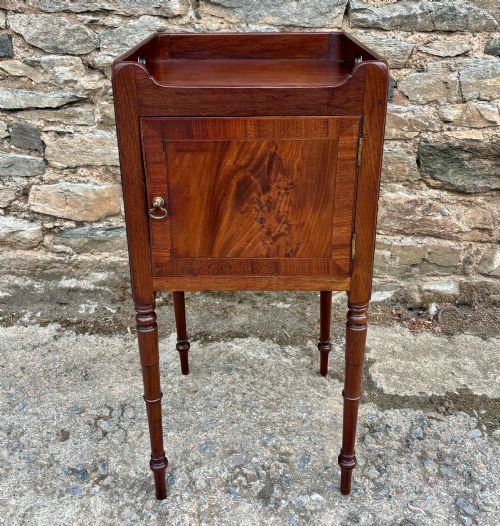
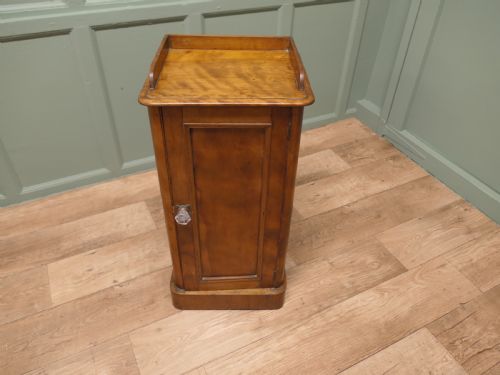
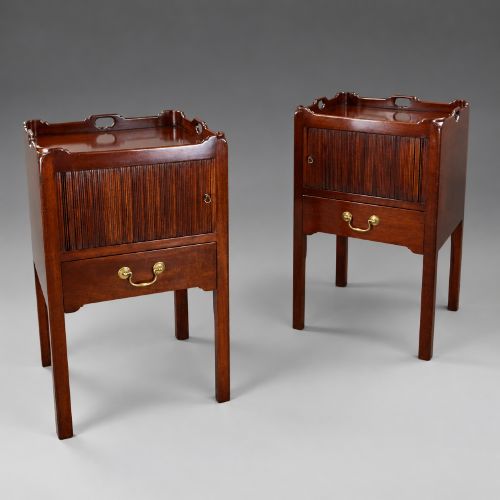
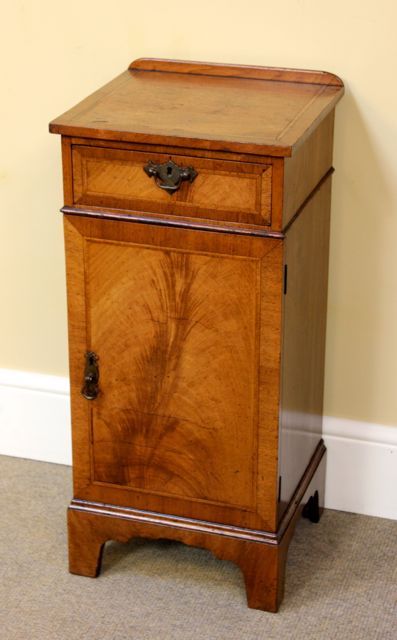
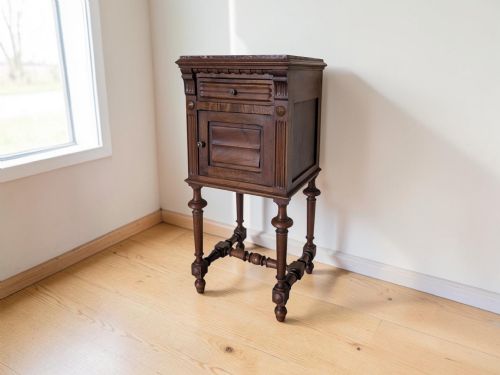
The antique nightstand with door category encompasses enclosed bedside storage pieces primarily originating from the eighteenth, nineteenth, and early twentieth centuries. These cabinets range from simple Georgian tray-top commodes to refined Edwardian satinwood cupboards and Continental revival suites.
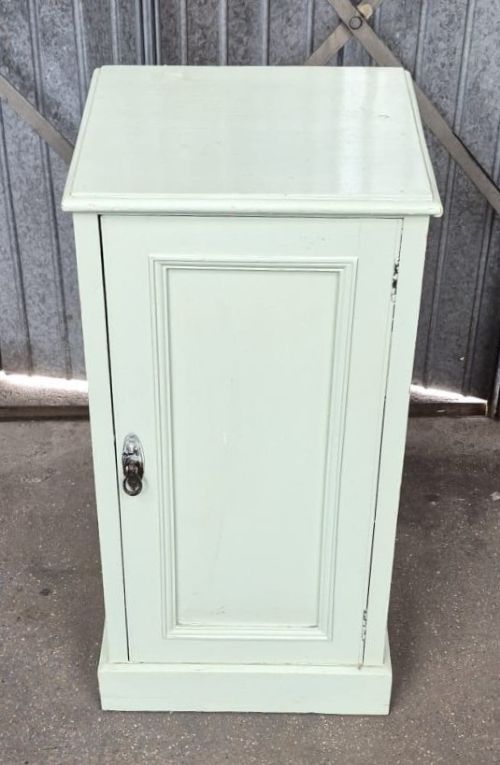
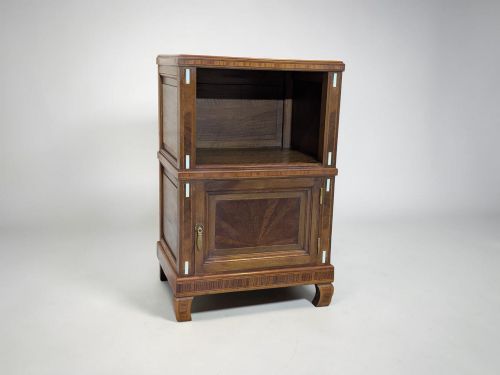
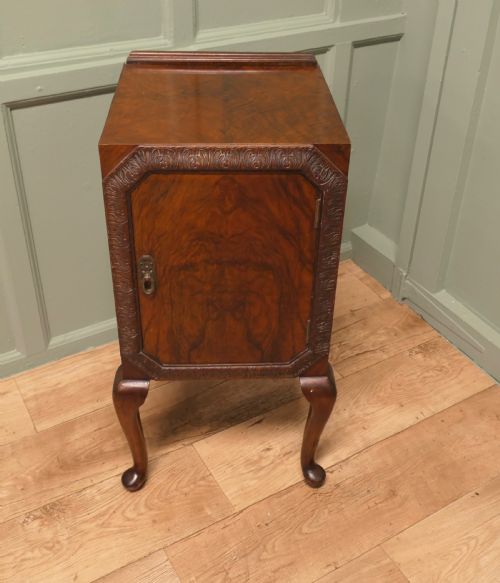
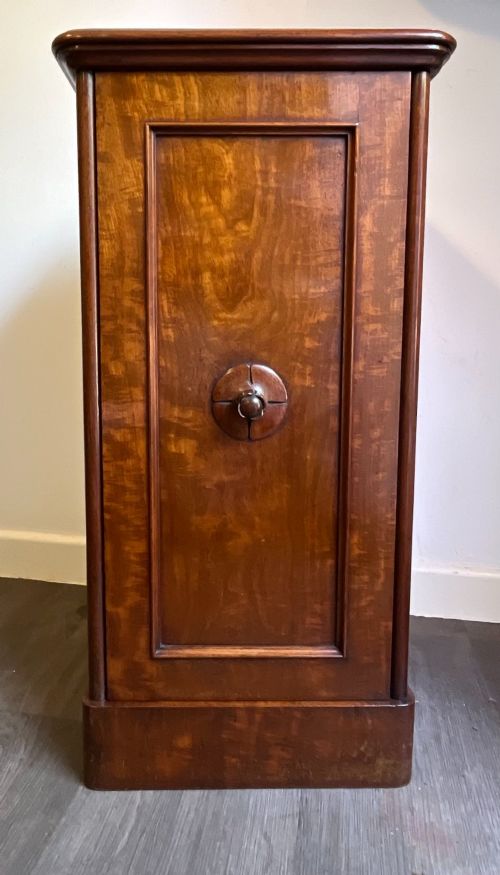
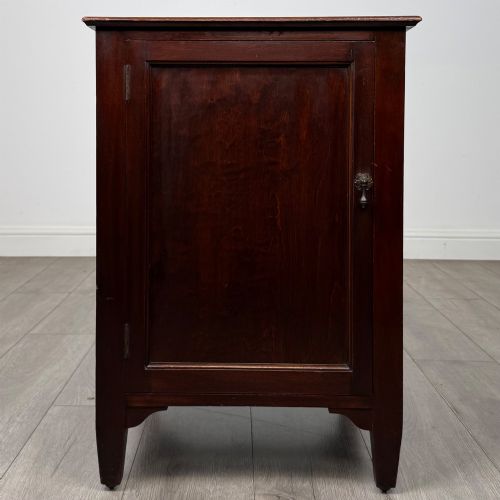
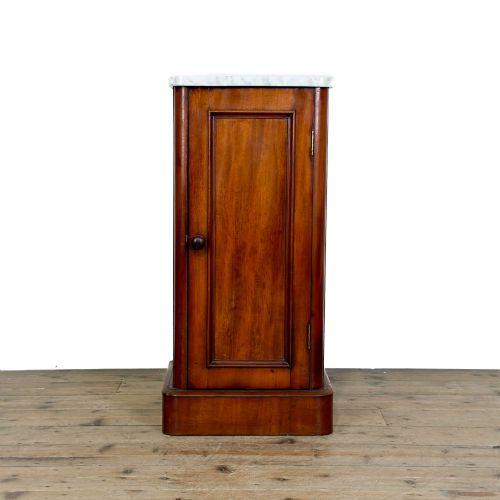
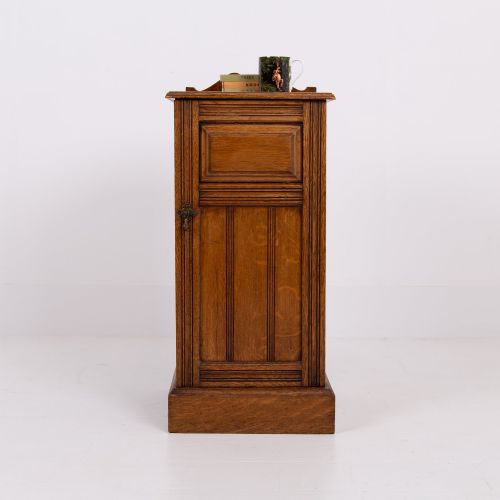
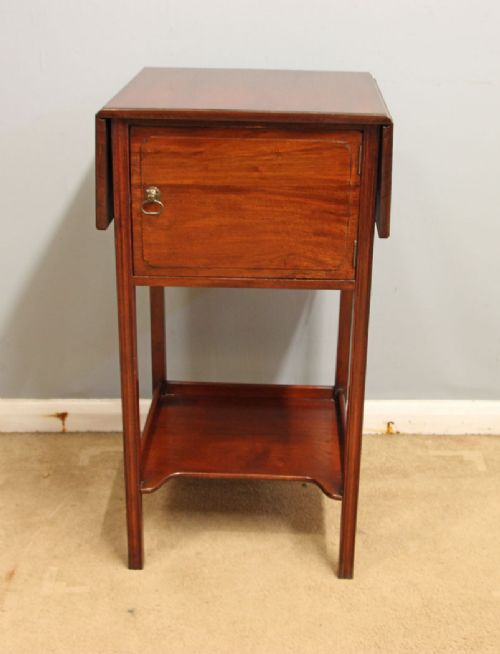
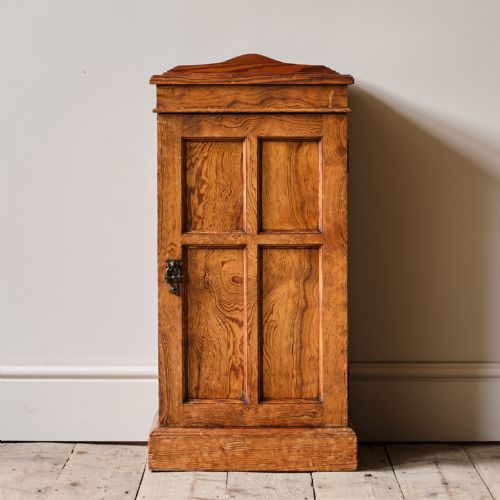
Most examples found here present as enclosed wooden cabinets or cupboards fitted with a single hinged door, occasionally accompanied by an upper drawer or tray top. Their primary function historically was to house a chamber pot or provide discreet bedside storage for personal items.
Makers and workshops from various periods utilised dense hardwoods to construct these functional bedroom items, resulting in sturdy forms designed to sit beside a bed. Buyers most frequently encounter mahogany and satinwood variants dating from the Georgian and Edwardian eras.
How they were made
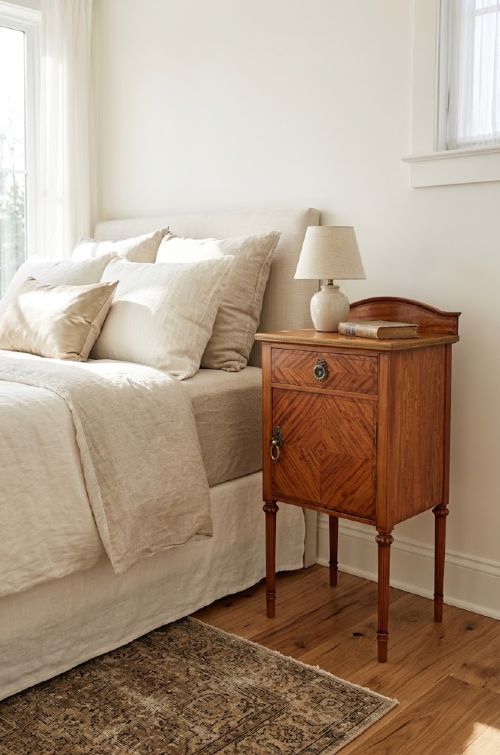
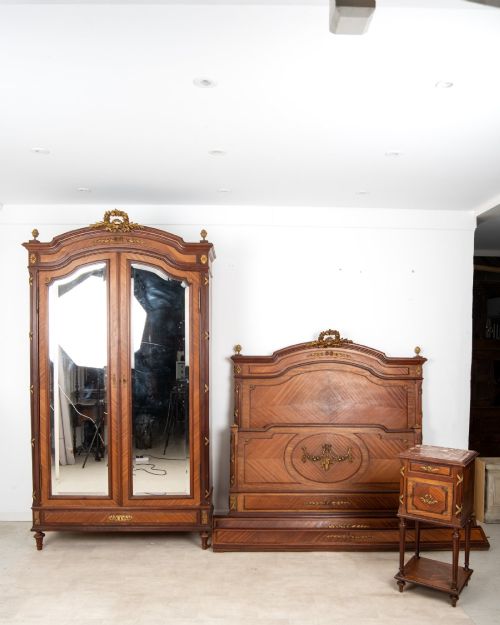
Cabinetmakers constructed these pieces predominantly using solid mahogany and walnut, frequently applying fine satinwood inlay and brass hardware to elevate the decorative finish. Selected specimens incorporate marble surfaces and ormolu mounts, reflecting French provincial and Louis XVI revival influences.
Joinery techniques relied on traditional framing and panel construction to build stable door enclosures that could withstand daily use. Timber selection prioritised rich grain patterns, whilst secondary woods such as pine were utilised for internal framing and drawer linings.
Antique Nightstand with Door Retail Price Guide 2026
Typical asking prices for nightstand with door among the pieces listed under this phrase on Sellingantiques today, from the lower quarter to the upper quarter. They describe what is for sale here now, not the wider market.
Early cabinetmakers thoughtfully ensured bedroom commodes doubled as bedside tables, perfectly hiding nocturnal necessities behind a respectable wooden door.
What varies in quality
Quality rests upon the crispness of the timber craftsmanship, the precision of any inlay work, and the integration of original brass mounts or handles. Finer specimens display carefully matched veneer grains and well-fitted door panels that operate smoothly within their frames.
The sophistication of the design dictates distinction, moving from utilitarian country pieces to high-status Georgian and Sheraton Revival examples featuring bespoke detailing such as concave fronts or tray tops.
Maple and Co
The Antique Nightstand with Door Glossary
- Tray top
- A raised rim surrounding the upper surface of a cabinet designed to prevent items from rolling off. This feature is particularly common on Georgian bedside furniture.
- Commode
- A historical term for a piece of bedroom furniture containing storage space behind doors or drawers. In earlier periods, these frequently housed chamber pots.
- Satinwood inlay
- Decorative woodwork where contrasting light-toned satinwood veneers are embedded into a darker primary wood. This technique defined Edwardian and Sheraton Revival aesthetics.
- Tambour
- A flexible shutter made from narrow strips of wood glued to canvas, allowing a sliding door to curve around a cabinet corner. This mechanism appears on select nineteenth-century pieces.
- Ormolu
- Gilt-bronze decorative mounts applied to furniture, characteristic of French provincial and Louis XVI revival pieces. It provides a metallic contrast to dark mahogany surfaces.
Antique Nightstand with Door: Frequently Asked Questions
What is an antique nightstand with door?
An antique nightstand with door is an enclosed bedside cabinet designed to hide storage behind a hinged wooden panel. These pieces date primarily from the eighteenth to the early twentieth centuries.
They evolved from eighteenth-century chamber pot cupboards into decorative bedroom furniture. Today they serve as practical bedside tables with concealed storage.
How do I date an antique nightstand?
Dating relies on identifying the prevailing style, construction materials, and secondary timbers used in the piece. Georgian examples often feature tray tops and solid mahogany, whereas Edwardian pieces frequently utilise satinwood inlay.
Examining the internal drawer construction and hardware also helps establish the period. Revival pieces from around nineteen hundred often imitate earlier eighteenth-century designs.
Were these cabinets used for chamber pots?
Many early bedside cupboards and commodes were specifically designed to house chamber pots out of sight. The enclosed door kept nighttime necessities discreetly stored away from the sleeping area.
Over time, the interior layout adapted to hold general personal belongings and books instead. This functional shift occurred as domestic plumbing moved indoors during the Victorian era.
How do I fit one in a modern bedroom?
These enclosed cabinets provide useful surface space for a bedside lamp whilst keeping clutter hidden inside the door. Their compact footprint allows them to sit comfortably beside modern bed frames.
Their varied finishes, from dark mahogany to light satinwood, enable them to complement both traditional and contemporary interiors. The enclosed storage is particularly useful for hiding chargers and small items.