


Antique Needlework Tools
Antique needlework tools are small, utilitarian objects fashioned with immense care, offering a tactile connection to the domestic life of past centuries.
Antique Needlework Tools
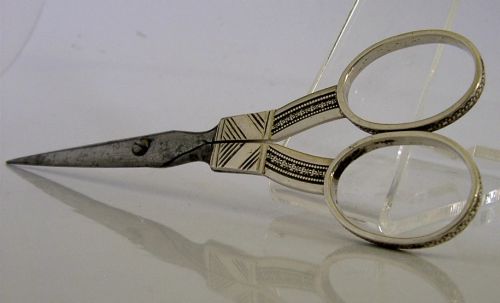
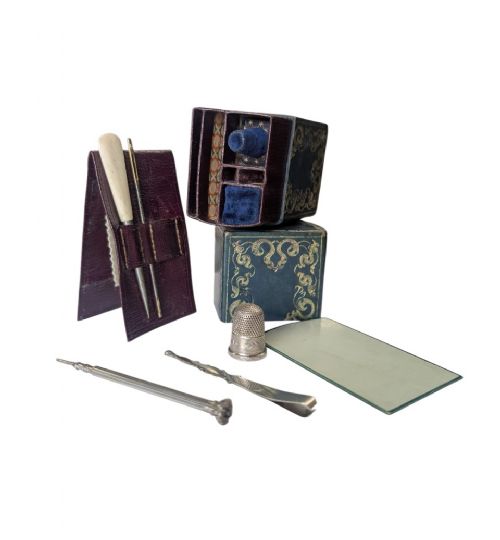
When you search for antique needlework tools, you encounter a specialised array of sewing accessories spanning the Georgian, Victorian, and Edwardian eras. These domestic implements include pin cushions, sewing boxes, thimbles, and chatelaine accessories designed to keep working materials organised and close at hand.
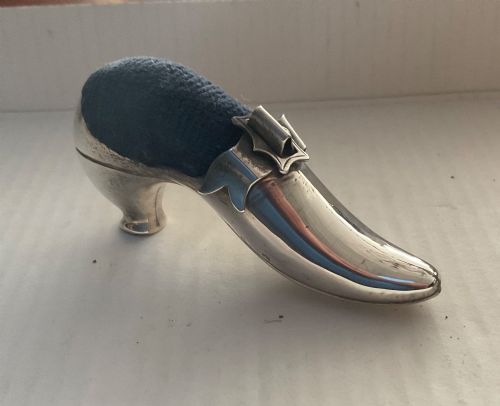
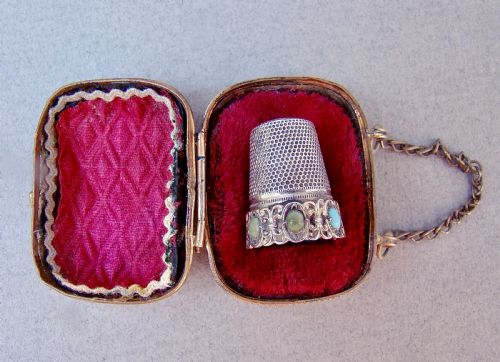
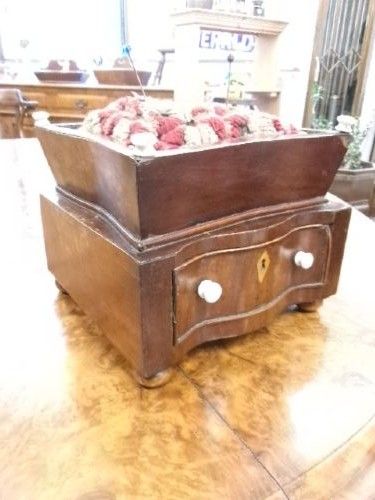
The most common examples on this page are small silver pin cushions, fitted sewing boxes, and delicate thimble cases. These pieces range from functional treen and mahogany items to elaborate French silver gilt compendiums and novelty silver shapes.
Many of these objects reflect the high status of needlework in past households, transforming mundane tasks into genteel pursuits through fine craftsmanship. Whether handling a simple tortoiseshell box or a complex chatelaine set, you hold items built for daily use yet finished with ornamental detail.
How they were made
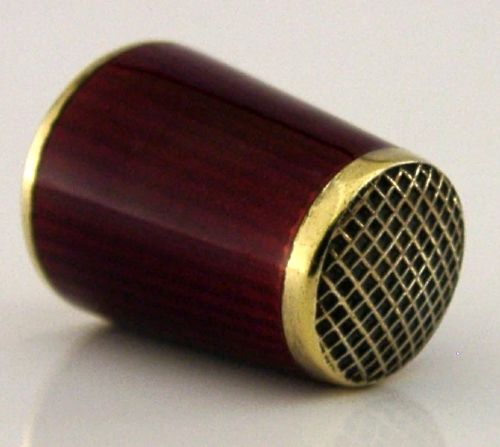
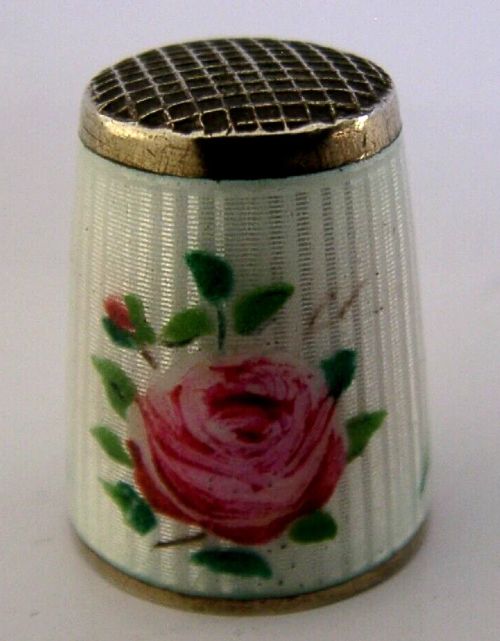
Makers utilised precious metals such as sterling silver and silver gilt alongside robust steel for cutting implements and functional mechanisms. Techniques like repoussé work, chasing, and enamelling decorated the exterior surfaces of thimble cases and chatelaines.
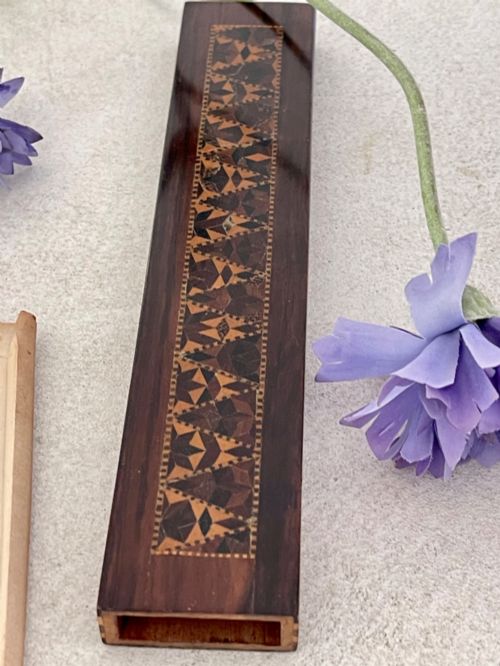
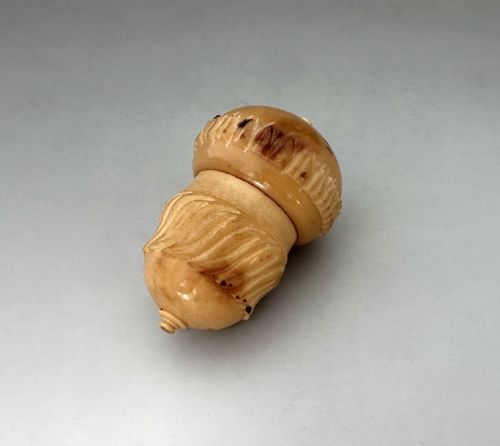
Organic materials including bone, ivory, tortoiseshell, corozo nut, and mother-of-pearl formed the bodies of sewing boxes and tool handles. Woodworkers applied intricate Tunbridge ware mosaics and mahogany veneers to create decorative boxes and silk skein holders.
Textiles played an essential role, with velvet, silk, and fabric lining the interiors of boxes and providing the dense stuffing required for pin cushions. Skilled craftspeople combined these diverse substances to produce durable yet visually striking sewing equipment.
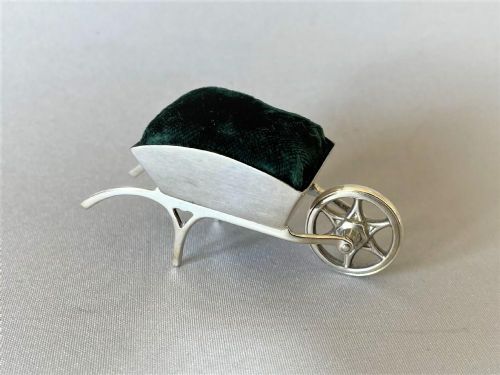
Victorian silversmiths shaped solid silver into surprising forms, turning functional pin cushions into realistic novelty wheelbarrows, goldfish, and sledges.
What varies in quality
Quality rests upon the precision of the metalwork, the complexity of the decorative technique, and the integrity of the materials selected. Finely chased silver or translucent enamel over guilloché metal signifies superior workshop standards compared to plain, mass-produced stampings.
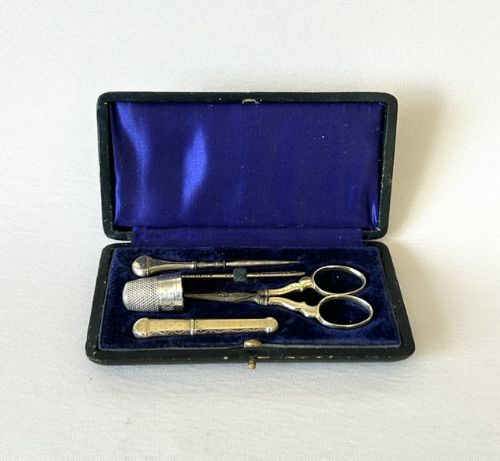
The degree of preservation and the completeness of fitted interiors dictate the standing of a piece within its type. Sewing boxes retain more interest when their original velvet linings, bone implements, and compartmentalised trays remain intact.
Novelty forms demonstrate varying levels of sculptural skill, where realistic animal shapes or detailed architectural miniatures separate standard items from exceptional examples.
Adie & Lovekin·David Andersen·Charles Horner·Faudels Of London
The Antique Needlework Tools Glossary
- Chatelaine
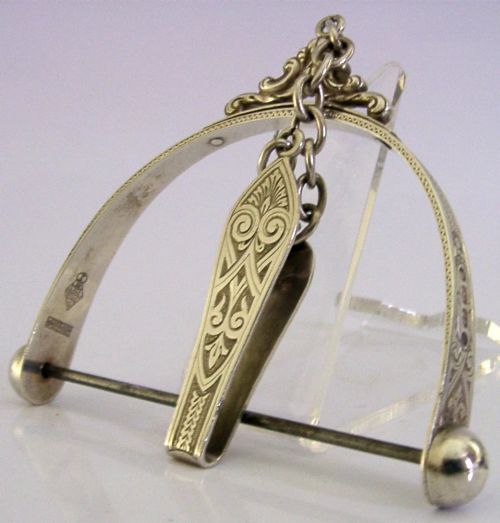
- A decorative belt hook from which women suspended household and sewing implements. It typically carried tools like scissors, thimble cases, and pin cushions on short chains.
- Treen
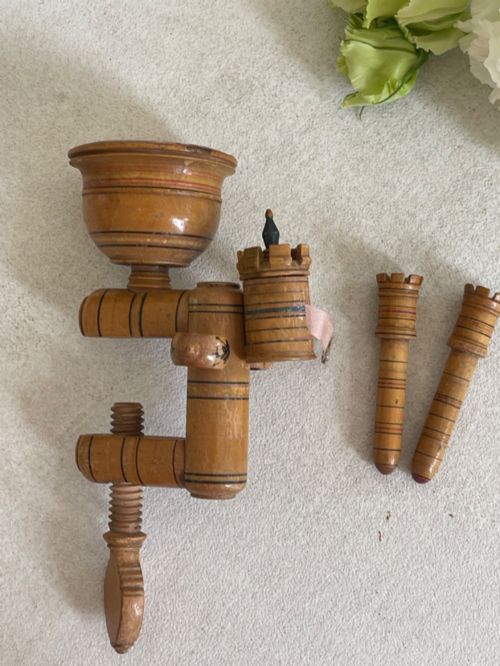
- Small handmade wooden objects produced through turning or carving. This category encompasses utilitarian items like sewing clamps and thread holders made from domestic and exotic woods.
- Etui
- A small ornamental case used for holding needles, tweezers, or scissors. These pocket-sized containers often feature precious metals and fitted velvet interiors.
- Tunbridge ware
- A form of woodworking characterised by mosaic patterns made from tiny wood blocks. It frequently decorated the lids of sewing boxes and silk skein holders.
- Pin cushion
- A padded object used to store pins safely during sewing. Antique versions often took elaborate novelty shapes fashioned from silver and velvet.
Antique Needlework Tools: Frequently Asked Questions
What are antique needlework tools?
Antique needlework tools are small functional implements and containers used for sewing and embroidery in past centuries. They encompass items like thimbles, scissors, pin cushions, and complete sewing boxes.
These pieces were created using materials such as silver, steel, bone, wood, and textiles. They reflect the domestic habits and decorative tastes of the Georgian, Victorian, and Edwardian periods.
How were sewing boxes used?
Sewing boxes served to store threads, needles, fabrics, and small tools in an organised manner. Fitted interiors often included trays and compartments designed specifically for each accessory.
More portable boxes allowed makers to carry their current projects between rooms. Wealthy households utilised decorative boxes veneered in mahogany, tortoiseshell, or mother-of-pearl to display on dressing tables.
What is a chatelaine accessory?
A chatelaine accessory is a tool designed to hang from a decorative belt hook worn at the waist. This allowed women to keep essential sewing implements close at hand during daily tasks.
Such accessories included specialised scissors, thimble cases, and chatelaine pin cushions. They combined practical utility with visible markers of social status.
How do I care for antique sewing tools?
Care depends entirely on the materials comprising the specific tool. Silver components benefit from gentle cleaning to maintain their finish without removing historic patination, while organic materials like tortoiseshell and bone require protection from extreme dryness.
Stored textiles and velvet linings should be kept away from direct sunlight and damp environments. Handling pieces with clean hands preserves both the metal surfaces and the delicate fabric elements.
How can I tell the period of a piece?
Dating relies on stylistic clues, manufacturing techniques, and occasional maker marks or hallmarks. Georgian pieces often display rococo motifs or cut steel work, while Victorian examples frequently utilise elaborate silver novelty designs and varied organic materials.
Comparing construction methods and fitted components against dated examples helps establish an accurate timeframe. Material choices, such as mid-century enamel work, also point to specific eras of production.