
Antique Needlepoint Tapestry
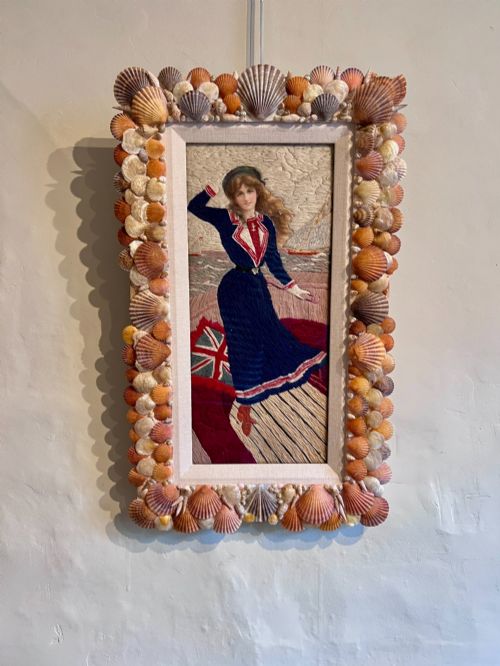
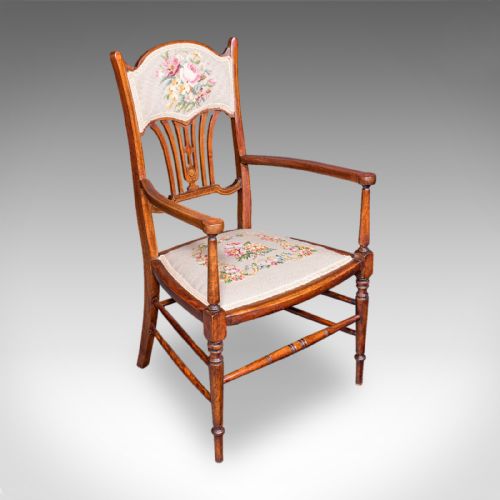
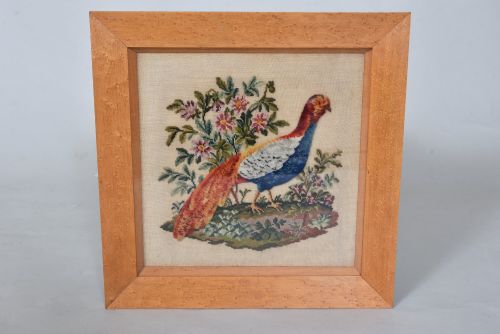
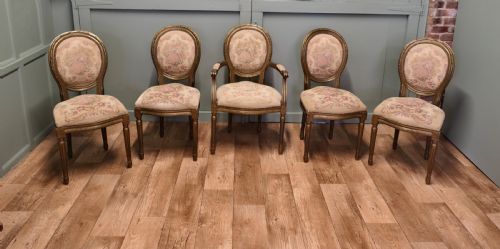
Antique needlepoint tapestry brings centuries of hand-stitched artistry into domestic interiors through framed wall panels, firescreens, and heavily upholstered period seating.
Antique Needlepoint Tapestry
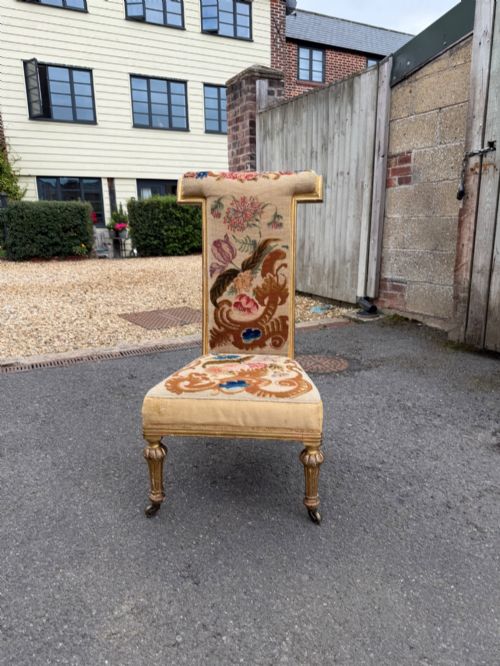
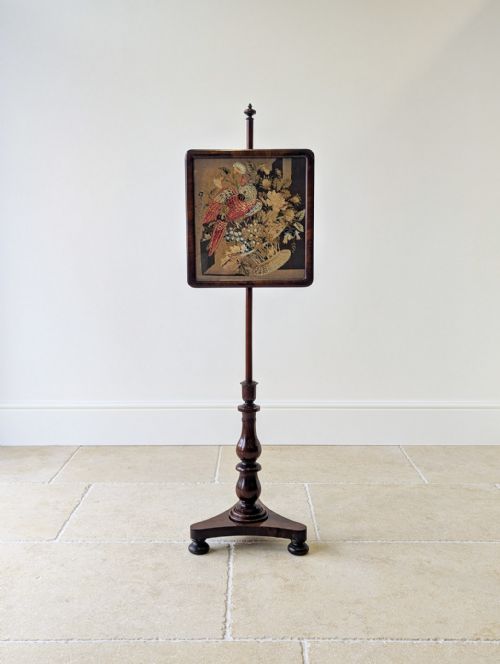
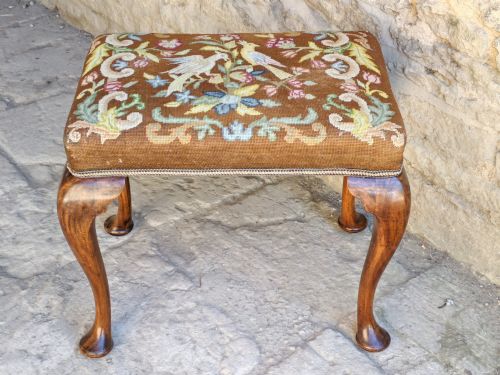
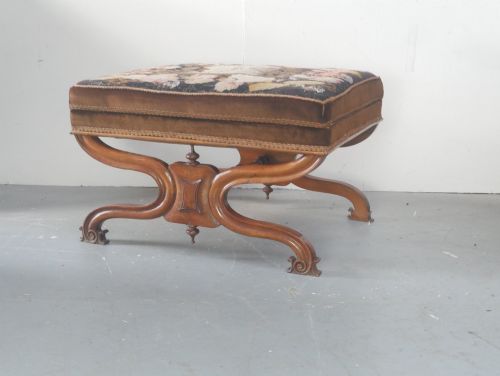
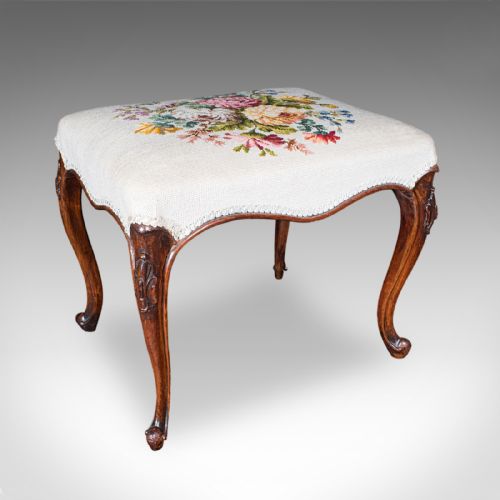
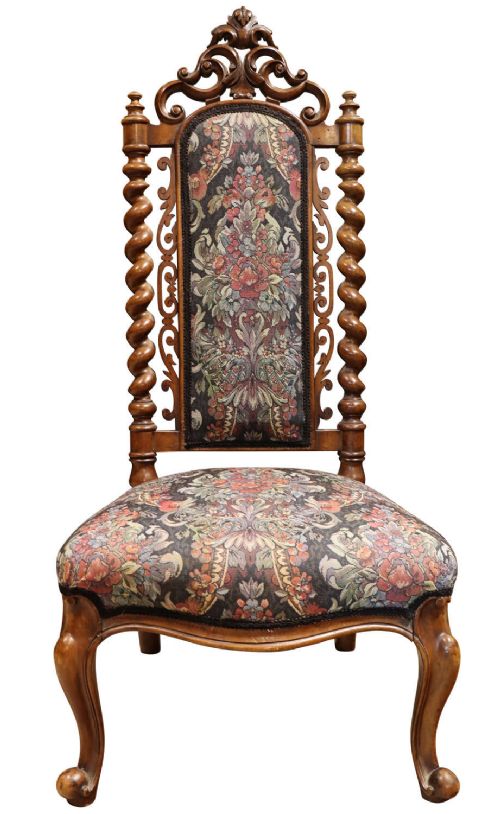
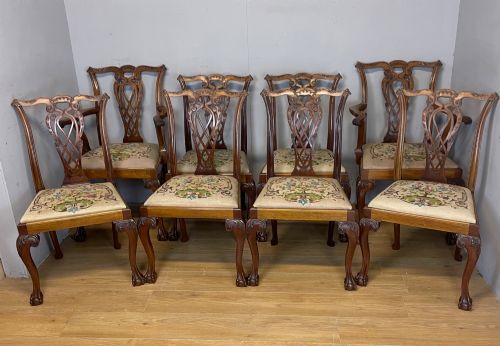
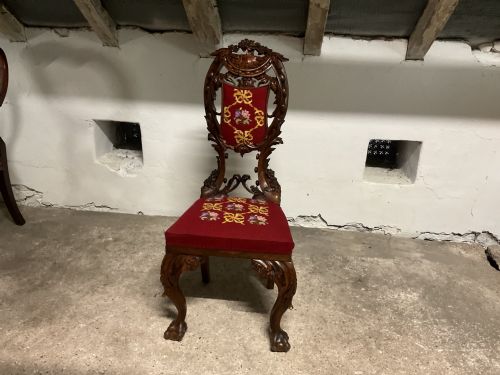
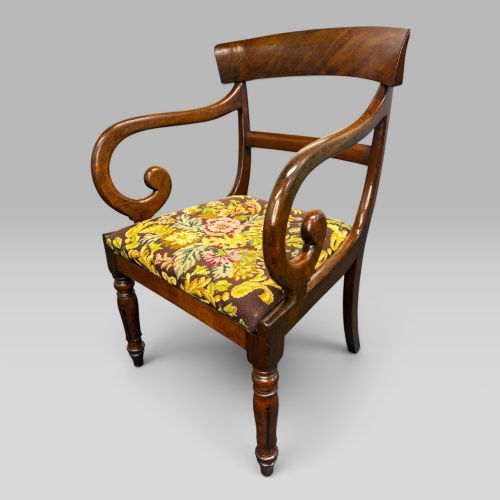
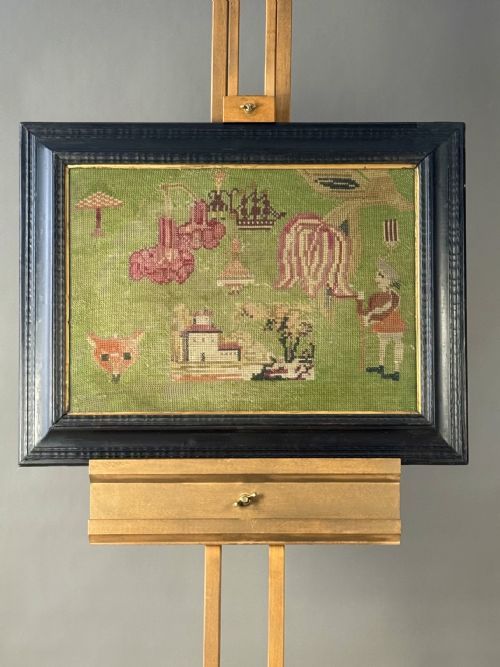
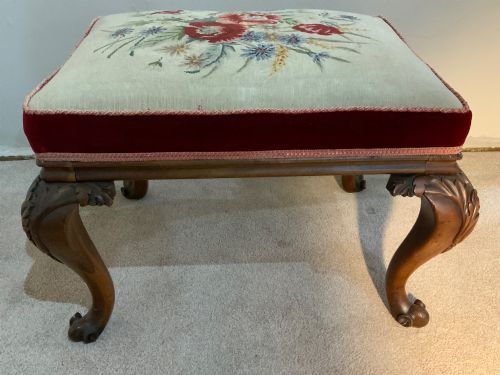
An antique needlepoint tapestry spans framed wall hangings, needlework panels, and textile-covered furniture such as armchairs, footstools, and pole screens.
Buyers meet nineteenth-century and Victorian iterations most frequently, alongside Georgian examples and eighteenth-century wall panels.
The category encompasses utilitarian household objects like ottomans and fire screens alongside decorative framed samplers and armorial panels.
Materials and technique
Makers stitched wool and silk threads onto canvas grounds, employing techniques such as Berlin work, plushwork, and tent stitch to build dense pictorial surfaces.
Wooden frames and furniture supports utilise timber varieties including mahogany, walnut, rosewood, beech, and oak, often carved or polished.
Accessory elements incorporate glass, brass fittings, and painted silk details to complete firescreens, stretchers, and framed panels.
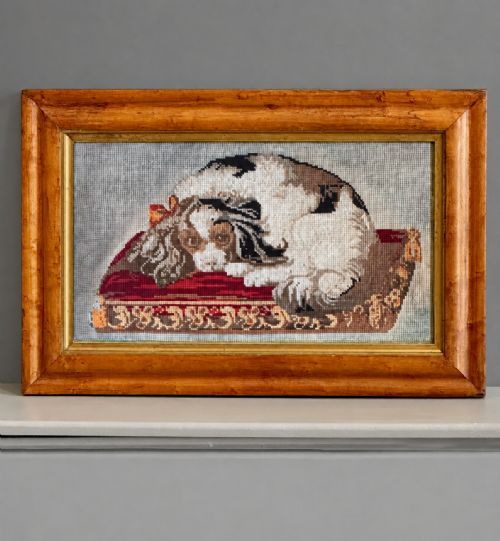
Stitched canine companions appear across the centuries, preserved in wool long after the real dogs chased balls across Georgian lawns.
Assessing quality
Quality rests upon the tightness and regularity of the needlework stitch, dictating the crispness of the pictorial design and botanical or figurative details.
The joinery and timber selection of the supporting frame or furniture piece determine structural integrity, distinguishing bespoke maker pieces from simpler production.
Originality of mounting, framing, and surface finish preserves the historical context of the textile.
Warings·Sophie Brown·Jean Corot
The Antique Needlepoint Tapestry Glossary
- Berlin work
- A style of needlepoint popular in the nineteenth century using brightly coloured wool yarn and charted designs. It allowed makers to produce vivid floral and animal motifs with ease.
- Pole screen
- An adjustable vertical fire screen mounted on a slender wooden stand. It protected the face from hearth heat.
- Sampler
- A piece of embroidery produced as a demonstration or test of skill. They frequently record alphabets, numerals, and genealogical dates.
- Plushwork
- A textile technique creating a raised, velvety pile on the surface of the needlework. It gives animal depictions a tactile quality.
- Stretcher
- A wooden frame used to hold textile work taut during stitching or display. They survive as both workshop tools and decorative display stands.
Antique Needlepoint Tapestry: Frequently Asked Questions
How do I clean antique needlepoint tapestry?
Surface dust should be removed gently using a soft brush or low-suction vacuum through a protective mesh screen.
Water and liquid cleaners must be avoided, as moisture causes wool fibres to shrink and damages old canvas grounds.
What is a pole screen used for?
A pole screen stood near a fireplace to shield a person's face from the intense heat of an open coal fire.
The adjustable panel slid up and down a central wooden rod to control the height.
How can I date an embroidered panel?
Dating relies upon stylistic markers, colour palettes, and framing materials that align with documented Victorian, Georgian, or earlier periods.
Needlework samplers often include stitched dates or makers' names that provide direct chronological evidence.
Where should I place these textiles at home?
Framed panels and wall hangings suit rooms away from direct sunlight to prevent the fading of wool and silk threads.
Upholstered chairs and footstools function well in quiet seating areas where heavy daily wear is minimised.