





Antique Napoleon Portrait
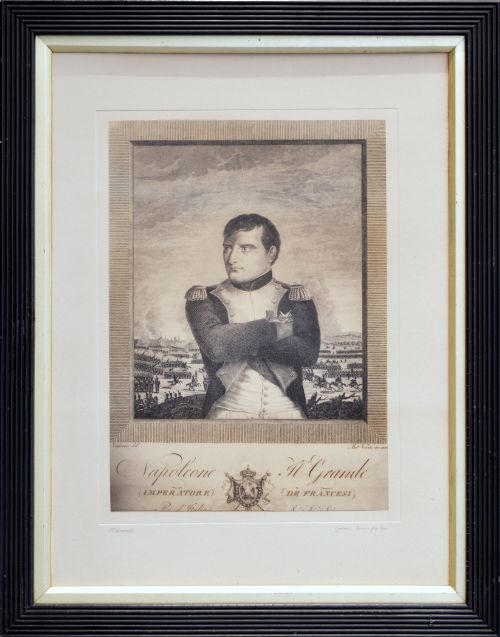
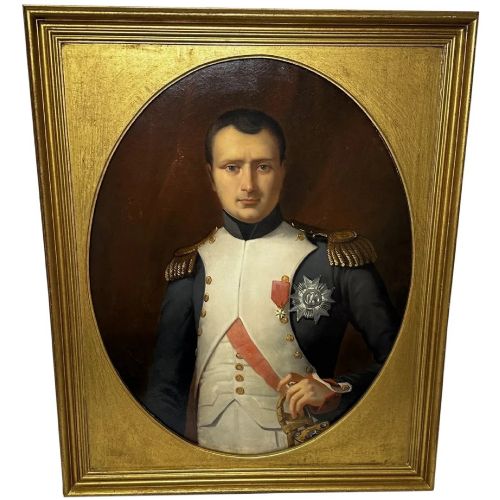
An antique napoleon portrait captures the formidable likeness of the Emperor in oil, enamel, or ceramic, offering a tangible link to nineteenth-century history.

Antique Napoleon Portrait
When searching for an antique napoleon portrait, buyers encounter a diverse array of representations spanning miniature paintings, oil canvases, and Staffordshire pottery figures. These pieces originate predominantly from the nineteenth century, reflecting both French imperial workshops and English commemorative pottery traditions.
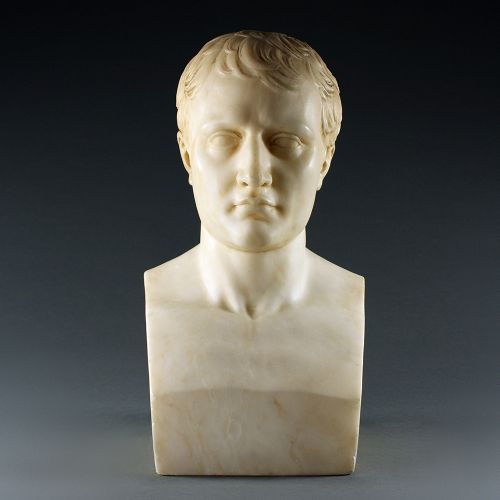
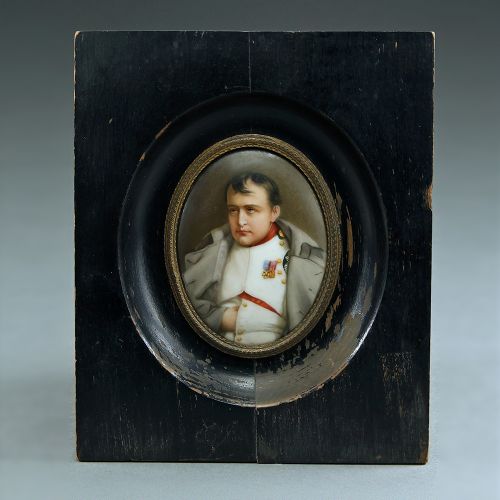
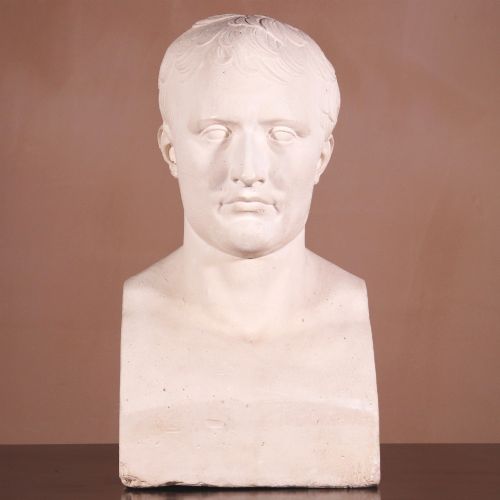
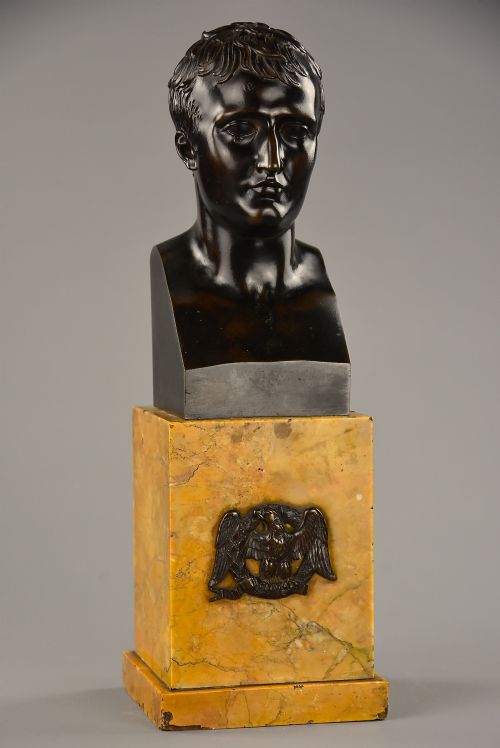
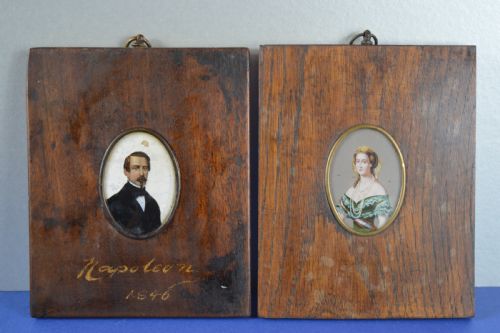
The items on this page range from intimate painted miniatures and gilt bronze frames to large marble busts and lead glazed earthenware figures. Buyers are most likely to meet Victorian Staffordshire pottery figures of Napoleon III alongside delicate French miniature paintings.
Stylistically, the pieces draw heavily from French Empire, Neoclassical, and Victorian aesthetics. They serve as historical testaments to the enduring fascination with the Bonaparte dynasty across Europe.
Materials and techniques
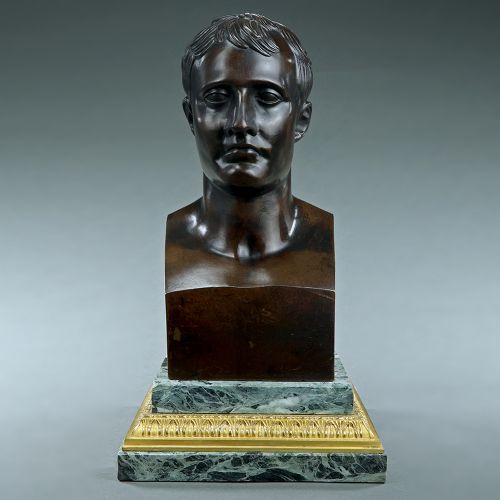
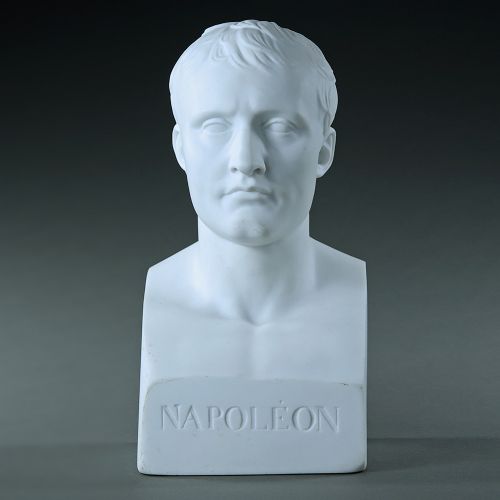
Three-dimensional representations employ materials including marble, plaster, bronze, and earthenware with lead glaze. Cast metals display chased surface details mounted upon stone bases or framed within turned mahogany.
Antique Napoleon Portrait Retail Price Guide 2026
Typical asking prices for napoleon portrait among the pieces listed under this phrase on Sellingantiques today, from the lower quarter to the upper quarter. They describe what is for sale here now, not the wider market.
Tiny buzzing insects adorn gilded frames, immortalising Napoleonic heraldry in cast bronze.
Markers of distinction
Quality rests in the precision of the likeness and the fidelity of the execution, whether painted on enamel or modelled in earthenware. Finer portrait miniatures capture individual expression with delicate brushstrokes, while superior bronzes and marbles exhibit sharp casting and careful finishing.
The integrity of the surrounding mount also dictates value, with original gilt bronze frames, marble pedestals, and intact glaze colours preserving the historical context of the object.
Jean-Baptiste Isabey·Stephanus Chiantor
The Antique Napoleon Portrait Glossary
- Sulphide
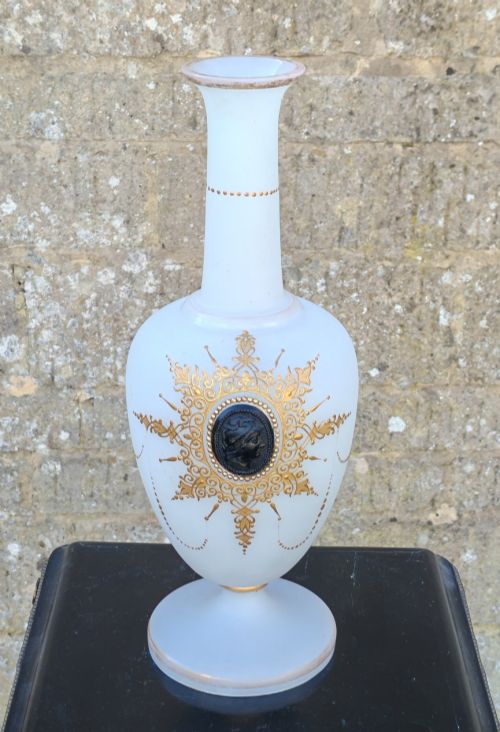
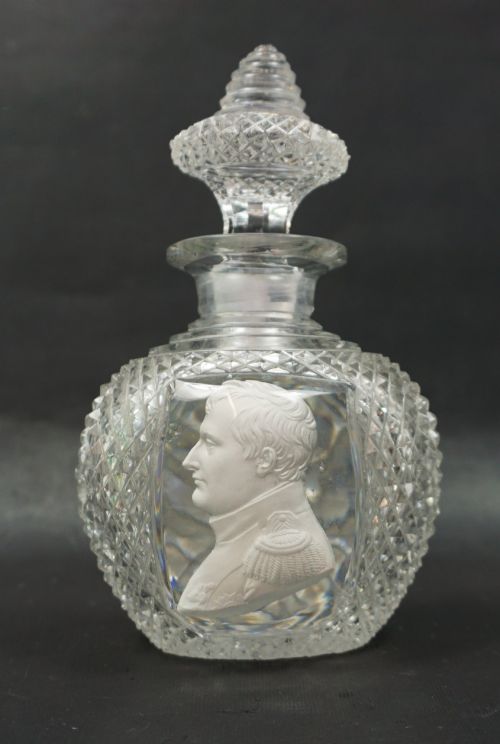
- A small cameo-like ceramic medallion embedded within crystal glass. This technique creates a frosted white relief portrait that catches the light effectively.
- Staffordshire pottery
- Earthenware figures produced in the English Midlands during the Victorian era. These decorative groups often commemorated royalty and political figures.
- Miniature painting
- A small, highly detailed artwork executed on ivory, vellum, or paper. These works required magnifying lenses and steady hands to achieve precision.
- Ormolu
- Gilt bronze ornamentation applied to decorative objects and furniture. The process involves fusing a finely ground gold-mercury amalgam to a bronze base.
Antique Napoleon Portrait: Frequently Asked Questions
How do I date a ceramic portrait figure?
Dating relies on stylistic markers, glazing techniques, and the specific historical subject depicted, such as Napoleon III or Empress Eugenie.
Staffordshire pieces from the mid-nineteenth century often display specific underglaze colours and moulded titles that align with known production periods.
Are painted miniatures executed on ivory?
Many nineteenth-century portrait miniatures utilise thin slices of ivory as a painting substrate to impart a luminous quality to the skin tones.
Artists also worked on paper, card, or enamel depending on the medium and the desired finish of the miniature.
What is a sulphide portrait?
A sulphide consists of a white ceramic cameo encased within clear crystal glass, producing a striking three-dimensional silvery effect.
This technique became popular in France during the early nineteenth century for scent bottles and paperweights.
How were bronze busts displayed?
Bronze and marble busts of the Emperor were cast to stand on dedicated pedestals, mahogany bases, or mantelpieces in nineteenth-century interiors.
Heavier marble examples often featured integrated pedestals intended for prominent placement in studies or libraries.