


Antique Mythological Statue
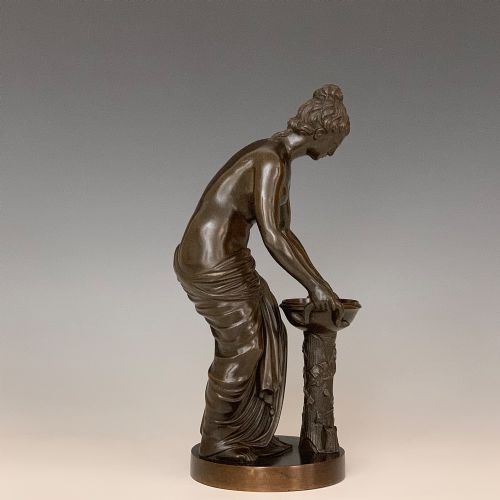
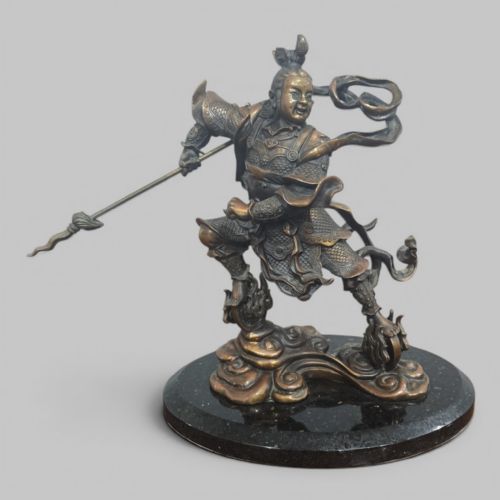
An antique mythological statue brings classical figures, gods and literary heroes into domestic spaces through bronze, marble and porcelain.
Antique Mythological Statue
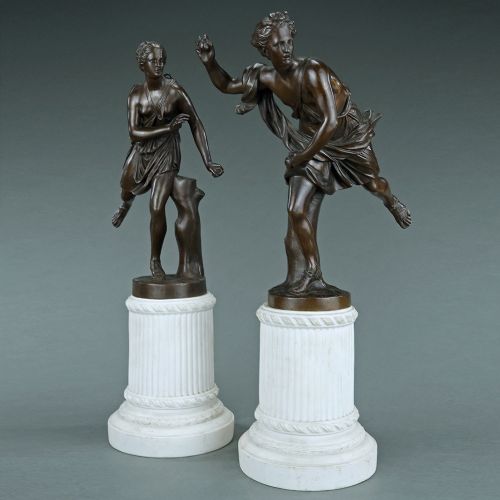
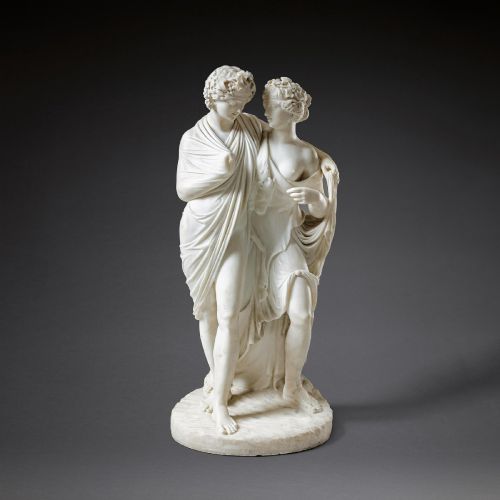
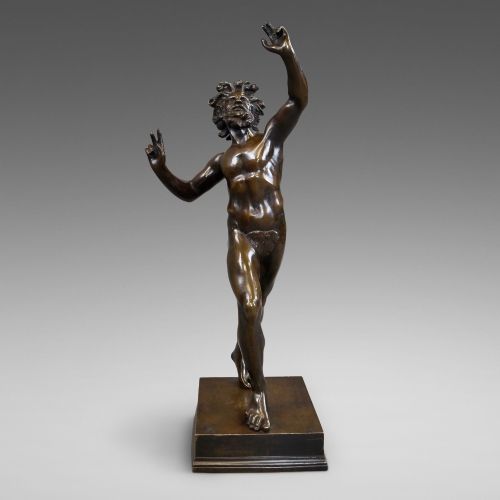
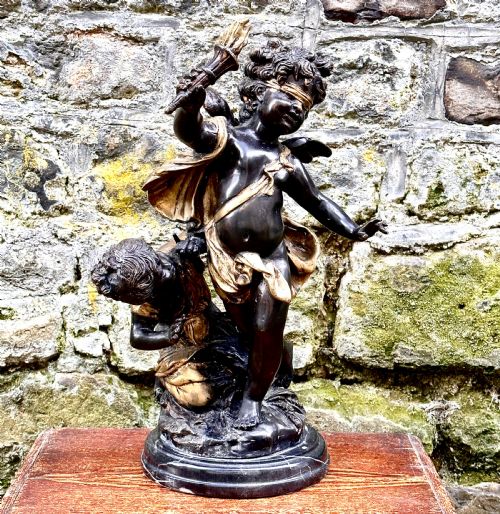
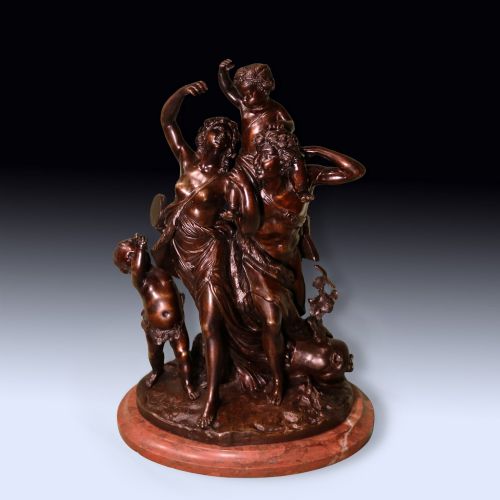
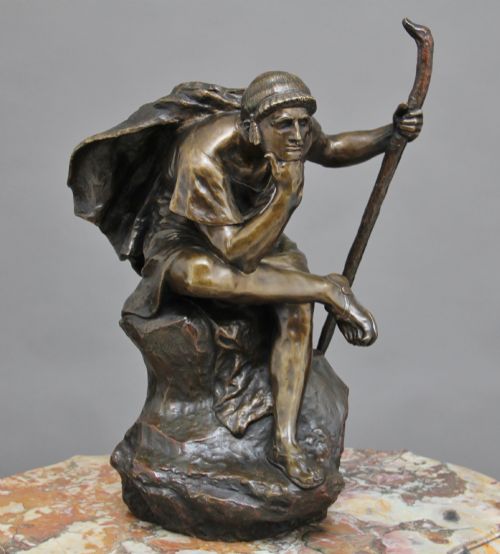
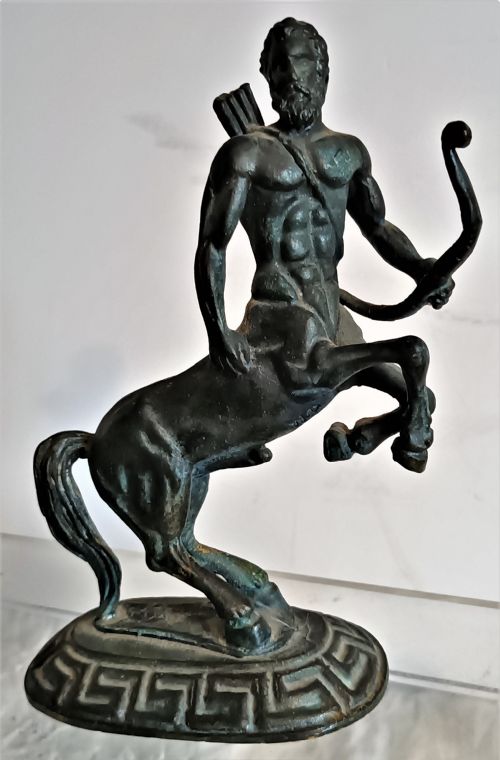
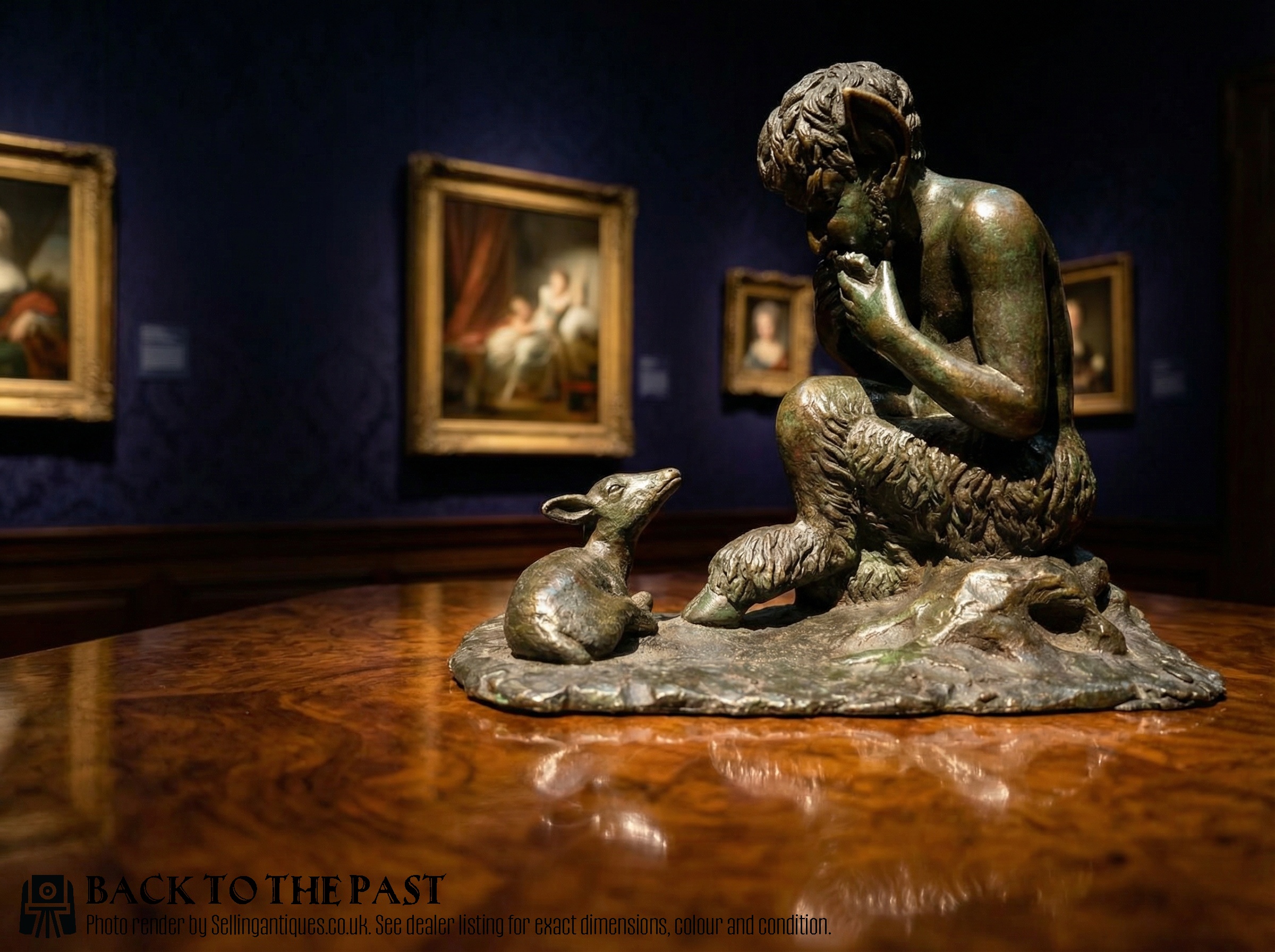
An antique mythological statue encompasses sculptures, figurines and figure groups depicting classical deities, nymphs, satyrs and legendary narratives drawn from ancient lore. Buyers searching this phrase meet substantial nineteenth-century bronze casts, Italian Grand Tour souvenirs, marble carvings and eighteenth-century porcelain figures.
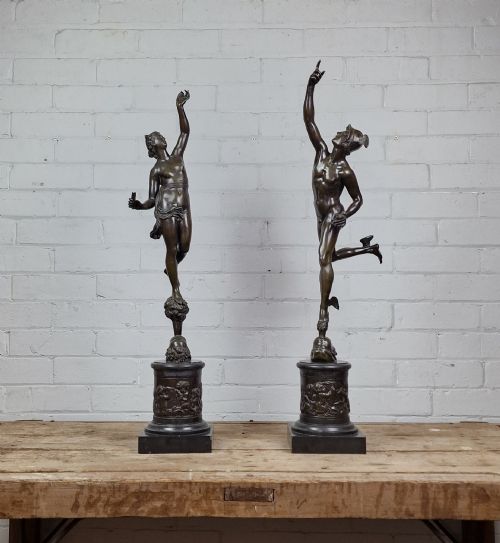
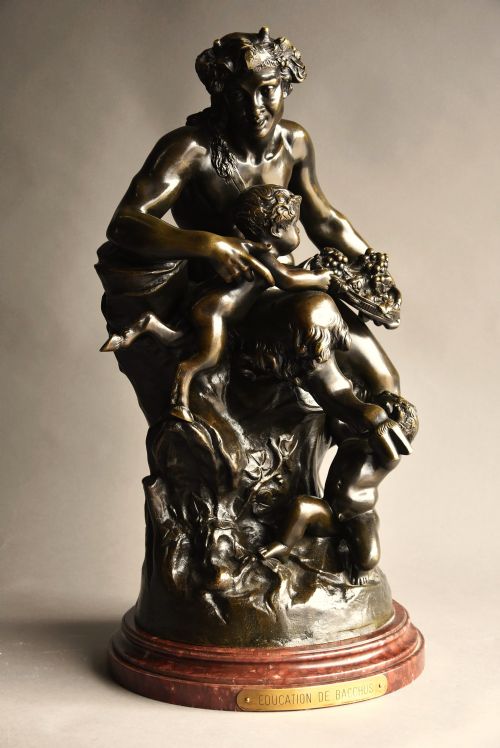
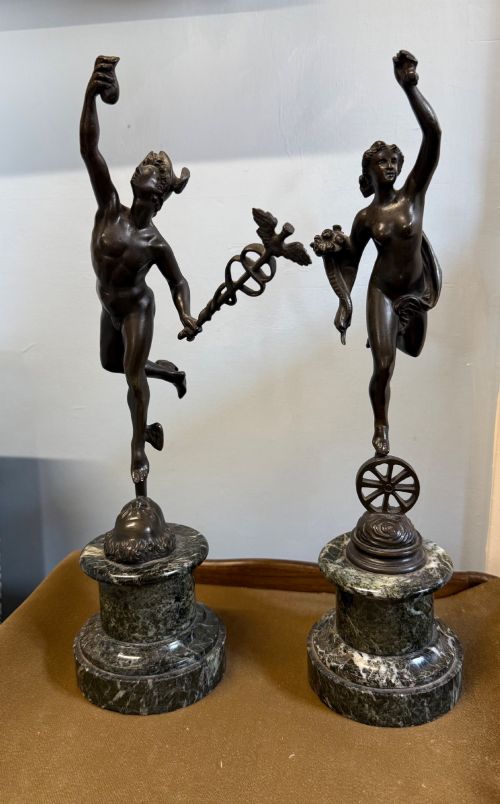
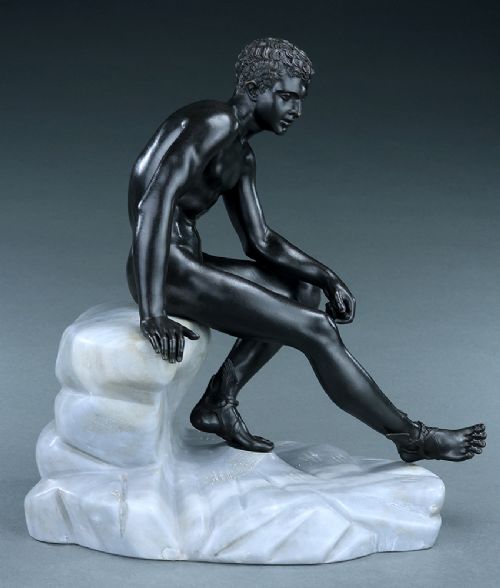
The materials and subjects reflect both European neoclassical taste and specific regional traditions, yielding representations ranging from large patinated bronzes of Bacchus and Narcissus to porcelain figures of Diana and Pluto. Many pieces derive directly from celebrated classical antiquities or Renaissance masters such as Giambologna and Cellini.
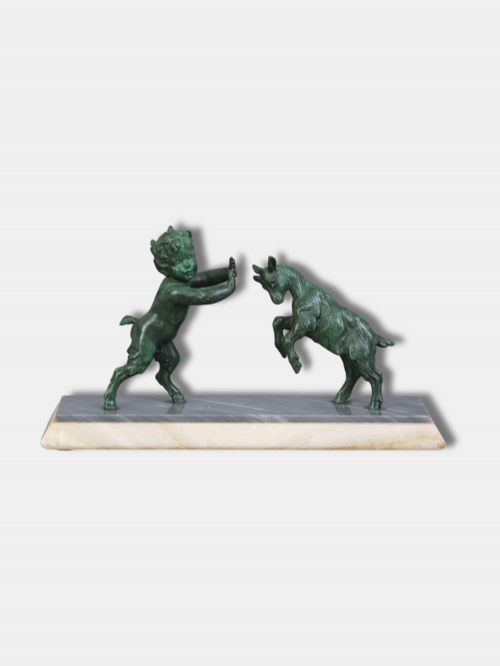
Forms vary from cabinet-scale bronzes and ceramic figurines to large marble groups mounted on plinths or marble bases. The selection bridges formal European academic sculpture and decorative arts designed for domestic display.
How they were made
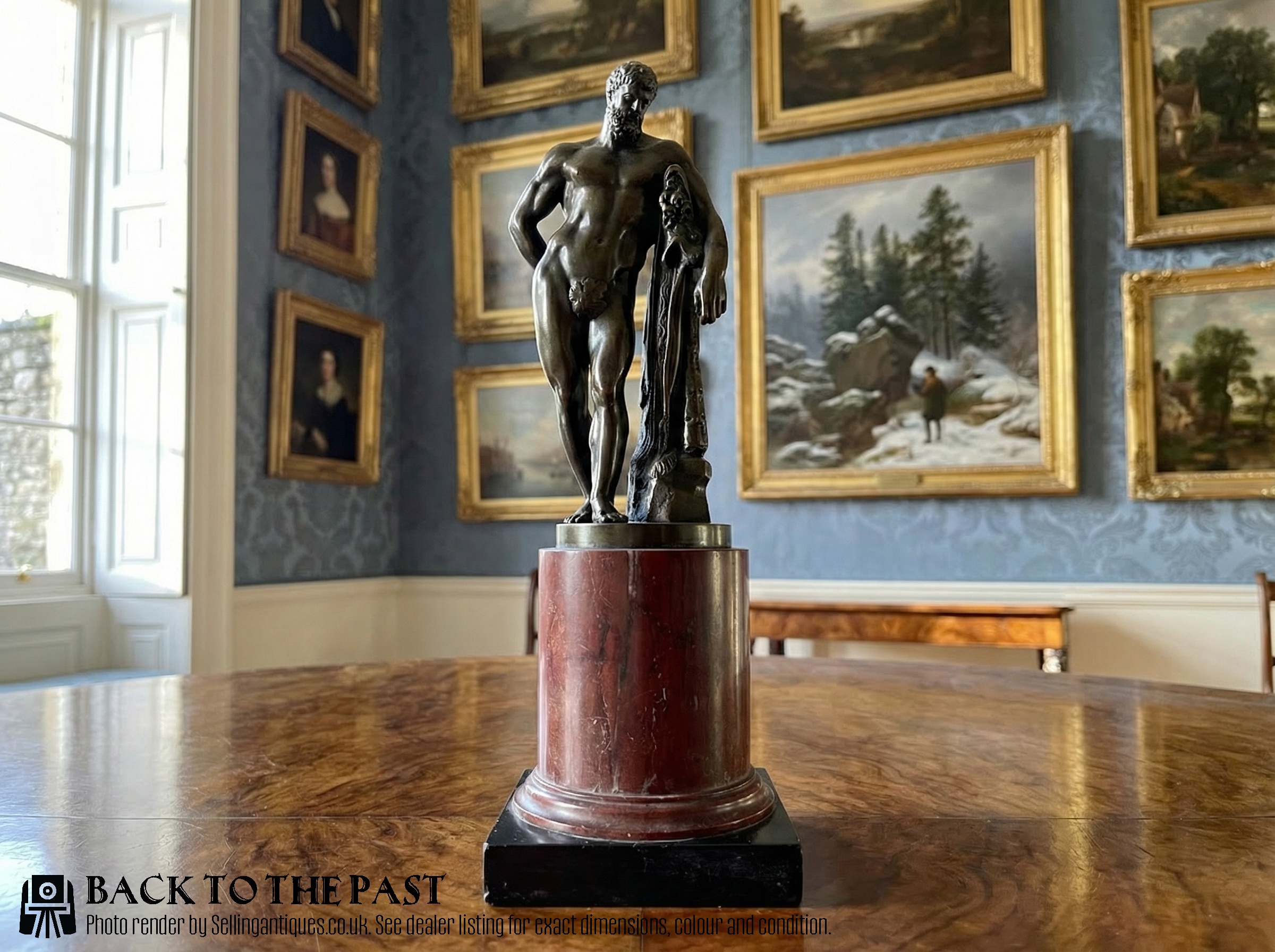
Bronze sculptures utilise traditional lost-wax casting methods, followed by hand-chiselling to sharpen details and the application of chemical patination to achieve dark green, brown or warm metallic tones. Many nineteenth-century French and Italian workshops employed reduction machines or skilled casters to translate large monuments into cabinet bronzes.
Marble and stone pieces involve direct hand carving from solid blocks, utilising chisels and rasps to render complex anatomical forms and flowing drapery. Ceramic figures like those from Derby or Samson Paris combine slip casting or pressing in moulds with hand-painted enamel decoration and gold leaf accents.
Antique Mythological Statue Retail Price Guide 2026
Typical asking prices for mythological statue among the pieces listed under this phrase on Sellingantiques today, from the lower quarter to the upper quarter. They describe what is for sale here now, not the wider market.
Listings feature bronze, marble, porcelain and terracotta materials across Neoclassical, Art Nouveau and Rococo Revival styles.
What varies in quality
Quality rests upon the crispness of the casting or carving, where superior examples retain sharp facial expressions, articulated musculature and finely textured hair without softening or smoothing from worn moulds. In patinated bronzes, the depth and evenness of the chemical finish distinguish finer studio work from hurried commercial production.
The prestige of the foundry, workshop or sculptor signing the piece influences the standing of the work, alongside the quality of auxiliary materials such as veined marble bases and hand-carved plinths. Superior porcelain figures display delicate modelling and controlled polychrome enamel painting without pooling or blurring.
Barbedienne·Carlo Albacini·Emile Carlier·Antonio Canova·Richard Avrilli·Auguste Moreau·William Duesbury Co·Augusto Rivalta
The Antique Mythological Statue Glossary
- Grand Tour
- A nineteenth-century travel tradition where wealthy collectors acquired bronze reductions and marble souvenirs of famous classical sculptures in Italy.
- Patination
- The chemical or natural surface coloration applied to bronze and metal sculptures to create varied brown, green or dark tones.
- Lost-wax casting
- A historic metalworking method where a wax model is melted out and replaced with molten bronze to form a detailed sculpture.
- Neoclassical
- An artistic movement spanning the eighteenth and nineteenth centuries that revived the styles, motifs and heroic subjects of ancient Greece and Rome.
- Terracotta
- A porous, unglazed or glazed red-baked earthenware used widely for sculptural models and finished figures.
Antique Mythological Statue: Frequently Asked Questions
What is a Grand Tour antique mythological statue?
These are smaller-scale bronze or marble souvenirs collected by travellers visiting classical ruins and museums in Italy during the nineteenth century. They replicated famous public sculptures for private display at home.
They capture the aesthetic of ancient Rome and Greece within domestic cabinet sizes, often featuring dark patination and bespoke marble bases.
How can I identify the material of my statue?
Bronze pieces feel cool, heavy and metallic, frequently showing dark chemical patination or traces of chasing across the surface. Marble statues present a cold, dense stone feel with natural veining.
Porcelain and terracotta figures offer lighter, ceramic textures with visible glaze or matte earthenware surfaces.
Who made these nineteenth-century bronze sculptures?
Many works were produced by skilled European foundries and individual sculptors working in France and Italy. Prominent casting houses and named artists often signed or stamped the base edges.
Foundries such as Barbedienne reproduced classical subjects alongside original academic models created by noted nineteenth-century sculptors.
Where were porcelain mythological figures produced?
Prominent porcelain factories including Derby, Samson Paris and Chelsea created glazed ceramic figures depicting classical deities. These works drew inspiration from both antique sculpture and contemporary revival painting.
Such figures combined slip-cast or hand-moulded ceramic bodies with delicate enamel painting and occasional gold leaf highlights.