

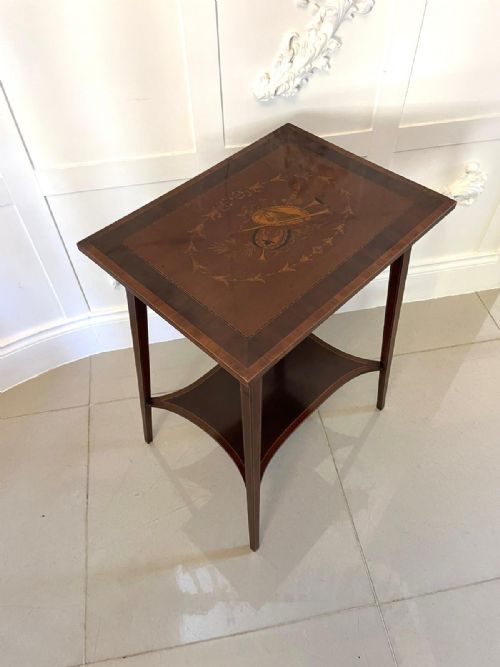


Antique Musical Table
An antique musical table brings mechanical sound and fine cabinet-making together, offering mechanical chimes or musical movements housed in period furniture.
Antique Musical Table
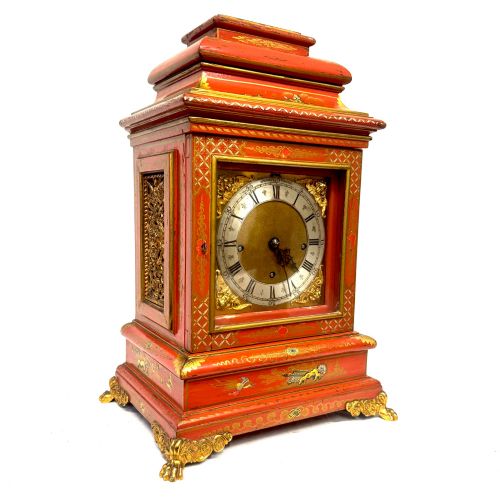
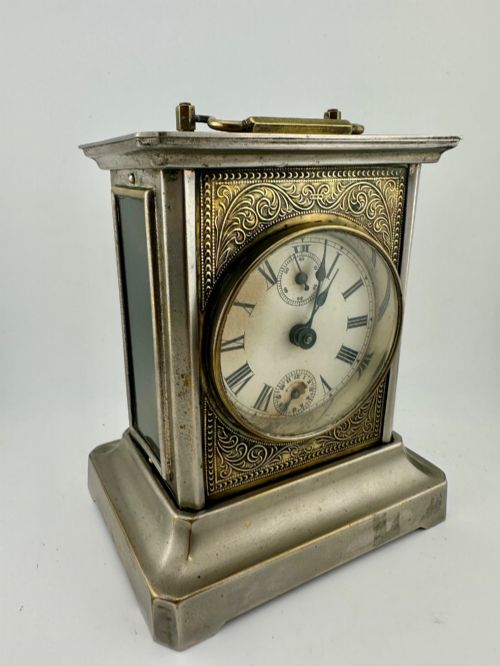
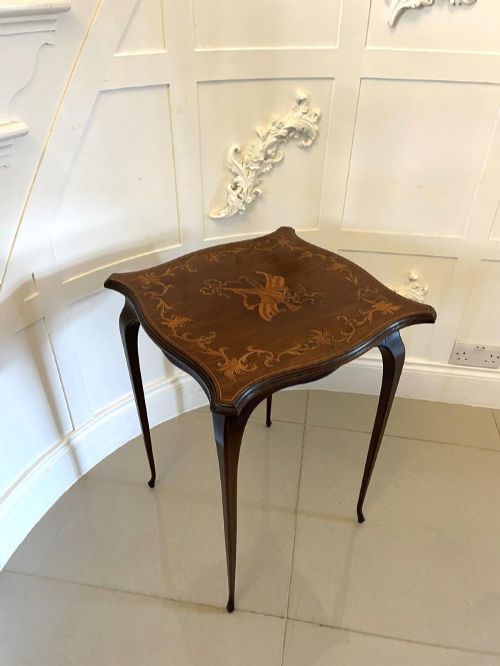
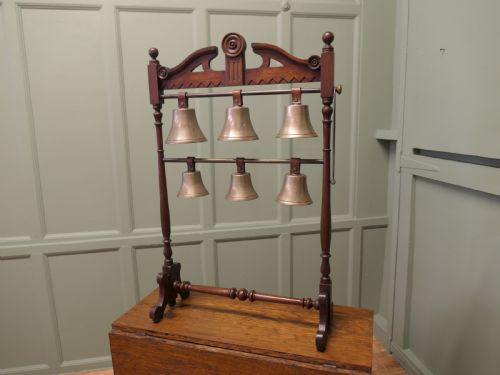
An antique musical table combines traditional furniture forms with integrated mechanical sound, appearing across periods from the eighteenth century to the Victorian era. These pieces range from occasional tables and music boxes to complex bracket clocks and centrepieces incorporating tuned mechanisms.
Makers and origins vary widely, encompassing English clockmakers, Swiss musical box manufacturers, and continental porcelain or bronze workshops. Each piece reflects the decorative tastes of its specific decade, from Louis XVI marquetry to Black Forest wood-carving.
Judging quality in musical furniture
The refinement of the musical movement distinguishes exceptional examples, evident in the complexity of the airs played, the clarity of the tuned bells, and the smooth operation of the fusee train. Superior pieces feature signed movements by established makers and robust brass components that maintain timing and tone over generations.
Cabinet-work quality is shown in the selection of timber veneers, the precision of marquetry inlay, and the crispness of cast bronze or ormolu mounts. Original finishes, intact glass panels, and harmonious proportions between the furniture housing and the mechanical insert elevate the standing of the piece.
Antique Musical Table Retail Price Guide 2026
Typical asking prices for musical table among the pieces listed under this phrase on Sellingantiques today, from the lower quarter to the upper quarter. They describe what is for sale here now, not the wider market.
Listings feature walnut, mahogany, and oak timbers paired with brass, ormolu, and bronze hardware across Victorian and George III periods.
Francis Perigal·Plaue Schierholz·B A Bremond·Winterhalder W H·Bently Beck
The Antique Musical Table Glossary
- Fusee
- A conical pulley used in clockwork to maintain even power as the mainspring unwinds. This mechanism ensures consistent timekeeping and reliable operation of associated musical trains.
- Marquetry
- The art of applying pieces of veneer to a structure to form decorative patterns. Craftsmen utilised different coloured woods to create intricate surface designs on table tops and cabinet doors.
- Ormolu
- Gilded bronze used for decorative mounts on furniture and clock cases. This technique involves applying a gold amalgam to a bronze base.
- Three train
- A clock movement with three separate gear trains for timekeeping, striking the hour, and playing musical chimes or tunes. This setup powers complex bracket clocks and table chimes.
- Cylinder
- A rotating metal barrel set with pins that pluck the teeth of a steel comb to produce a melody. It forms the core mechanism of traditional music boxes.
Antique Musical Table: Frequently Asked Questions
How do musical mechanisms work?
Musical movements rely on pinned brass cylinders or gear trains that activate tuned steel combs or bells. Wound by a key or spring, these mechanisms release stored energy to play programmed tunes or chime the hours.
In clock applications, the musical train operates automatically at set intervals, while standalone music boxes or tables often feature manual levers to start and stop the melody.
Where were these pieces made?
Origin points span British workshops in London, continental European centres such as France and Germany, and Swiss music box makers. Each region applied distinct decorative styles and engineering traditions to the furniture and movements.
English makers specialised in fusee bracket clocks and mahogany occasional furniture, whereas continental workshops produced elaborate ormolu mounts, porcelain centrepieces, and marquetry centre tables.
How do I care for the mechanism?
Keep musical movements and clockwork away from direct sunlight, excessive moisture, and rapid temperature changes that can warp wooden housings or affect metal springs. Professional servicing every few years ensures the pins, combs, and gear trains remain clean and properly lubricated.
Avoid over-winding the mainsprings and handle the mechanical levers with care to prevent jamming the cylinder or damaging the delicate steel teeth of the comb.
How can I date an antique musical table?
Dating relies on stylistic indicators such as wood choice, marquetry motifs, and furniture form, alongside maker signatures or serial numbers on the interior movements. Regency and George III pieces exhibit different proportions and brasswork compared to later Victorian or Edwardian examples.
Examining the construction methods of the table carcass and the technological complexity of the musical movement helps narrow the period of manufacture.