
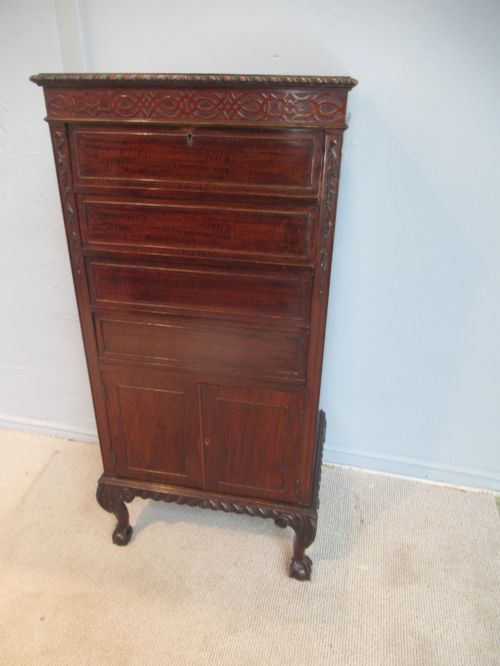
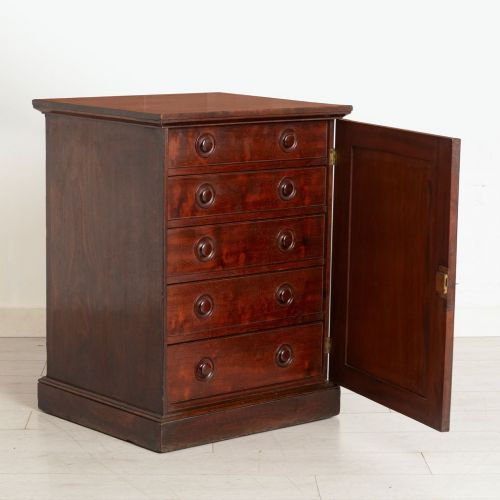
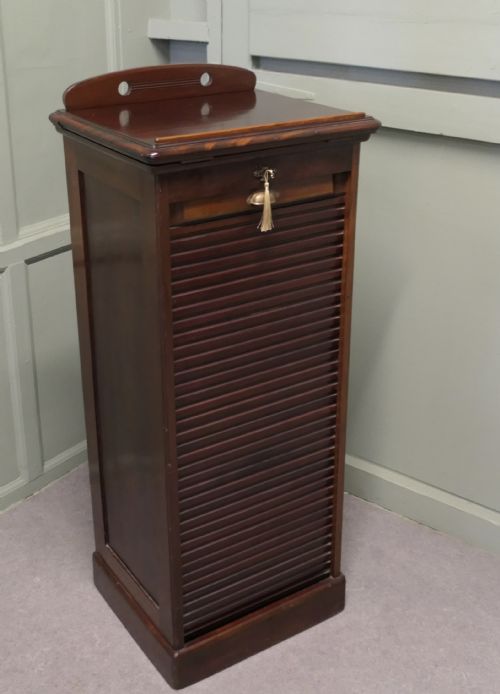


Antique Music File Cabinet
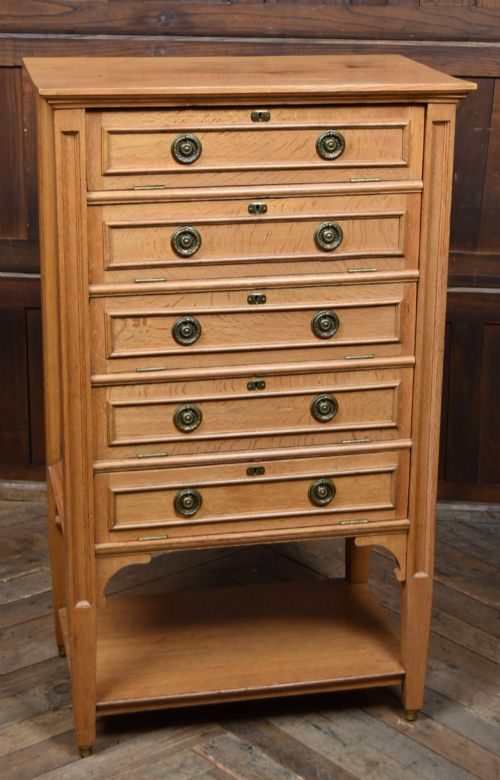
These antique music file cabinets offer deep, organised drawers designed to keep sheets and documents secure, bringing period craftsmanship straight into a modern study.
Antique Music File Cabinet
An antique music file cabinet combines the shallow, partitioned drawers once built for sheet music with the sturdy vertical storage required for everyday paperwork. These pieces surface most frequently from the Victorian and Edwardian eras, reflecting a time when domestic music rooms and private offices needed dedicated furniture for papers.
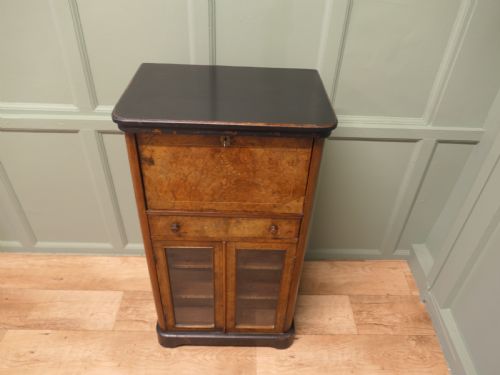
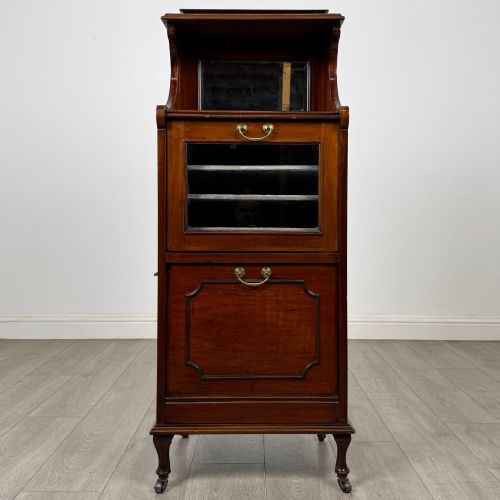
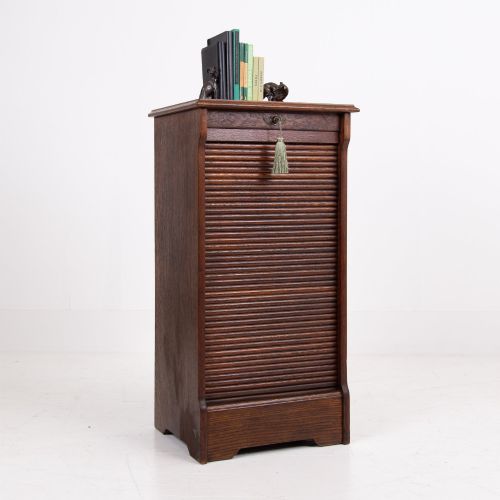
The selection ranges from traditional mahogany and inlaid Edwardian designs to robust oak pieces with tambour doors. Buyers encounter both dedicated music cabinets and multi-functional filing cabinets suited for contemporary studies.
How they were made
Cabinetmakers built these pieces using solid and veneered hardwoods like mahogany, oak, rosewood, and burr walnut, often pairing them with brass handles and glass doors. Structural integrity relied on traditional joinery that kept heavy timber drawers moving smoothly within their frames.
Surface decoration frequently included fine inlay wood, carved details, and polished finishes that highlighted the natural grain. Some variations incorporated flexible tambour fronts constructed from narrow strips of wood running in recessed tracks.
Some Edwardian music cabinets still hide tiny pencil marks left by pianists who numbered their sheet music before Sunday recitals.
What varies in quality
The distinction between standard utility furniture and finer pieces lies in the choice of timber and the precision of the joinery. Cabinets featuring figured burr walnut, delicate rosewood, or complex inlay work demand greater skill from the maker than plain utilitarian versions.
Hardware choice and internal drawer construction also set pieces apart. Original brass fittings, smoothly operating tambour doors, and intact internal dividers indicate higher original manufacturing standards.
The Antique Music File Cabinet Glossary
- Tambour door
- A flexible door made from narrow wooden slats glued to a canvas backing, allowing it to slide smoothly around a curved track. This mechanism is frequently found on early twentieth century office and music cabinets.
- Inlay wood
- Contrasting timber veneers set flush into the primary wood surface to create decorative patterns or borders. This technique is typical of Edwardian cabinetmaking.
- Burr walnut
- A highly prized timber cut from walnut tree growths, producing swirling, intricate grain patterns. It was often selected for the principal exterior surfaces of high quality Victorian furniture.
- Folio cabinet
- A specialised storage piece designed to hold large, unbound sheets of paper or music. These cabinets feature wide, shallow drawers or vertical compartments.
Antique Music File Cabinet: Frequently Asked Questions
What is an antique music file cabinet?
An antique music file cabinet is a piece of furniture originally constructed to store sheet music, featuring shallow drawers or vertical compartments. These cabinets date mainly from the Victorian and Edwardian periods.
Over time, many of these pieces have been adopted for modern office filing and home organisation. Their specific internal dimensions make them well suited for documents and papers.
How do I date an antique cabinet?
Dating relies on identifying stylistic markers, timber choices, and construction methods associated with specific eras like the Victorian or Edwardian periods. For example, heavy rosewood and burr walnut often point to the nineteenth century.
In contrast, lighter mahogany with inlay work or oak tambour doors typically indicates early twentieth century production. Examining the hardware and internal joinery helps confirm the timeframe.
Are tambour doors difficult to maintain?
Tambour doors operate by sliding along recessed wooden tracks using a flexible canvas backing. Regular dusting and occasional waxing keep the slats moving freely.
Avoid using heavy liquid polishes that can gum up the tracks. Gentle care ensures the wooden slats retain their flexibility.
Where should I place a music cabinet?
These cabinets work well in studies, living rooms, or hallways as compact storage for paperwork and stationery. Their vertical proportions make efficient use of floor space.
Keep them away from direct heat sources and strong sunlight to protect the polished wood surfaces and delicate veneers from drying out.