


Antique Moorcroft Ceramics
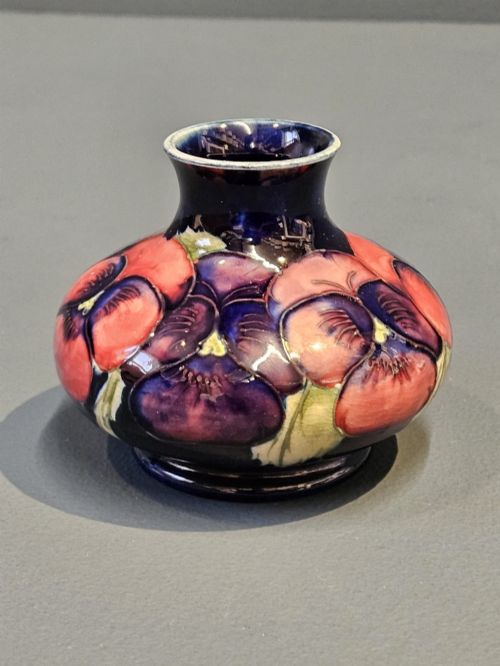
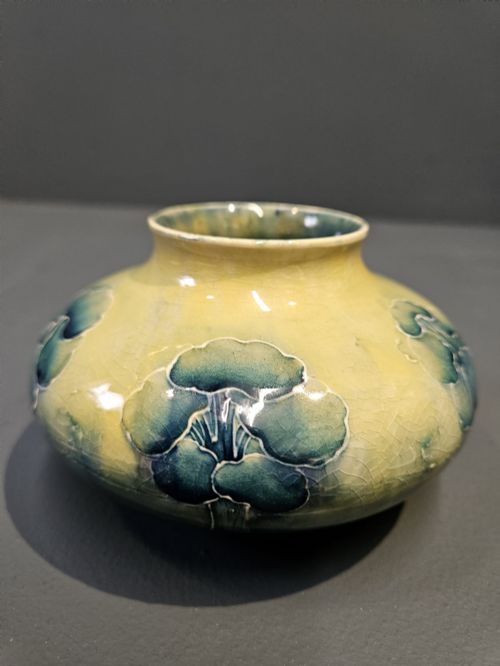
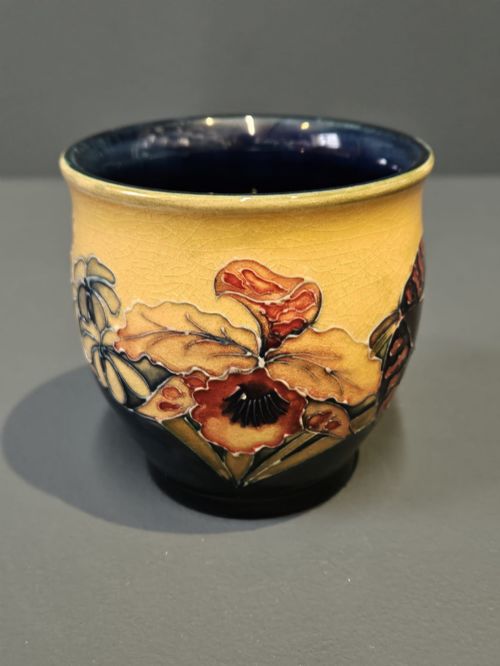
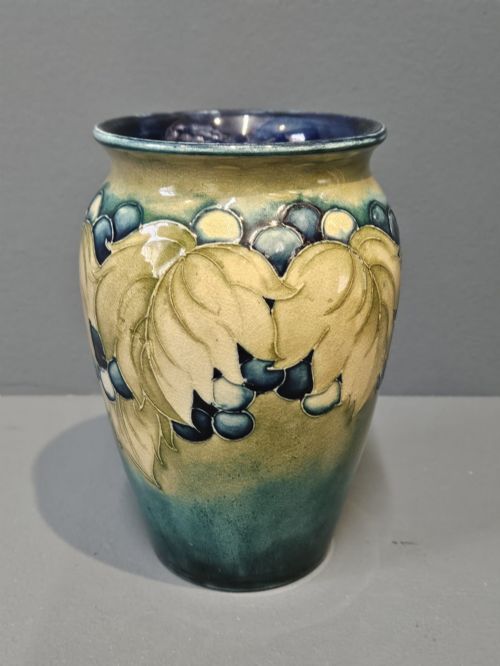
These antique moorcroft ceramics are defined by tube-lined floral decoration and rich glazes, offering collectors notable examples of British art pottery.
Antique Moorcroft Ceramics
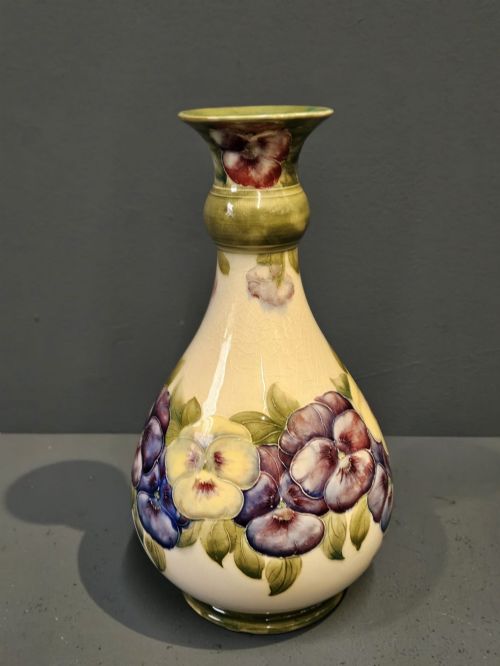
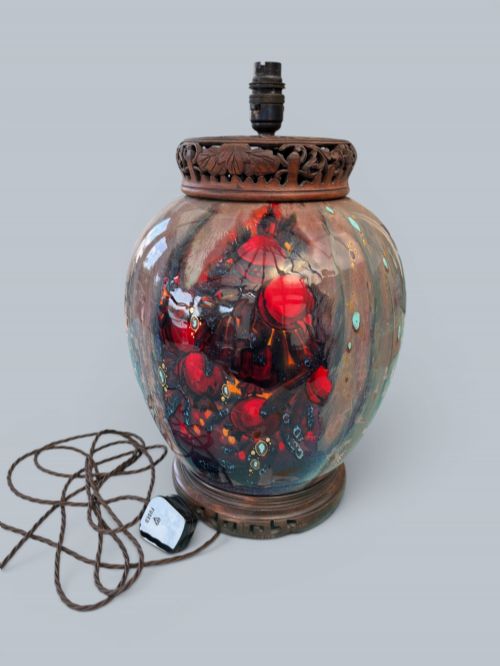
When you search for antique moorcroft ceramics, you encounter pieces spanning from the late nineteenth century through to the interwar decades. The selection includes vases, bowls, tazzas, tea services, and table lamps that showcase distinct botanical patterns.
Vases and decorative vessels dominate the available forms, ranging from miniature items to large exhibition-scale pots. Early productions often bear the Macintyre mark alongside individual decorator signatures or initials.
The aesthetic shifts from Victorian floral designs and early Art Nouveau curves towards bolder Art Deco expressions and rich monochromatic glazes. Forms like compotes, chargers, and covered jars reflect the evolving techniques of British studio pottery.
Materials and production methods
Makers utilised earthenware and glazed ceramic bodies as the foundation for intricate surface decoration. Artisans applied raised outlines using a tube-lining technique, which kept the brightly coloured fluid glazes separated before firing.
Specialist glazes, including salt-glazed finishes and celadon tones, created deep textures and variable light reflection across the ceramic surface. Certain early wares incorporated printed transfers combined with hand-painted enamel colours and gold leaf highlights.
Listings feature earthenware and ceramic pieces decorated with gold leaf, brass mounts, and wood fittings across multiple design periods.
Assessing quality in the range
Quality depends upon the crispness of the tube-lined relief work and the depth of the glaze chemistry. Pieces with complex botanical motifs such as pomegranate, pansy, or Florian designs executed during the Macintyre period show superior hand-craftsmanship.
The clarity of the factory stamp, impressed signature, and painted monograms dictates the archival importance of a piece. Earlier production dates combined with Liberty collaborations typically display finer detail than standard commercial runs.
William Moorcroft·Thomas Moorcroft·Macintyre And Co·Liberty And Co·E J D Bodley
The Antique Moorcroft Ceramics Glossary
- Tube-lining
- A ceramic decoration technique where liquid clay is squeezed through a bulb onto the pot to create raised outlines for enamel colours. This method forms the characteristic grid that defines the pattern before glazing.
- Florian ware
- An early underglaze painted style featuring stylised floral motifs developed during the association with Macintyre. These pieces often display flowing Art Nouveau characteristics.
- Flamminian ware
- A range of monochrome art pottery featuring textured matte glazes over simple relief-moulded bodies. They were frequently retailed through London department stores.
- Tazza
- A shallow ornamental bowl raised on a central foot or pedestal, used for display or serving. They appear alongside compotes in table settings.
- Aurelian ware
- A richly decorated style employing transfer-printed motifs enhanced with enamels and gold leaf. It represents the earlier Victorian output of the pottery.
Antique Moorcroft Ceramics: Frequently Asked Questions
How do I date an early piece?
Early pieces often carry the Macintyre factory backstamp alongside registration numbers and hand-painted initials.
Stylistic shifts from Victorian transfer prints to tube-lined Art Nouveau motifs help narrow the manufacturing decade.
What is tube-lining?
Tube-lining is a process where clay slip is squeezed through a nozzle to map out designs in relief.
This technique creates small raised walls that hold liquid colours separate during the high-temperature kiln firing.
Are these ceramics functional?
While many items like tea services and bowls were made for domestic use, most antique pieces function primarily as decorative art.
Displaying them on tables, mantels, or inside cabinets protects the soft earthenware body and delicate glazes from damage.
Why are some pieces marked Liberty?
Liberty of London commissioned exclusive art pottery lines, including Flamminian and Hazeldene patterns, directly from the factory.
These retail partnerships resulted in items bearing both the maker mark and the retailer stamp.