

Antique Mirrored Doors
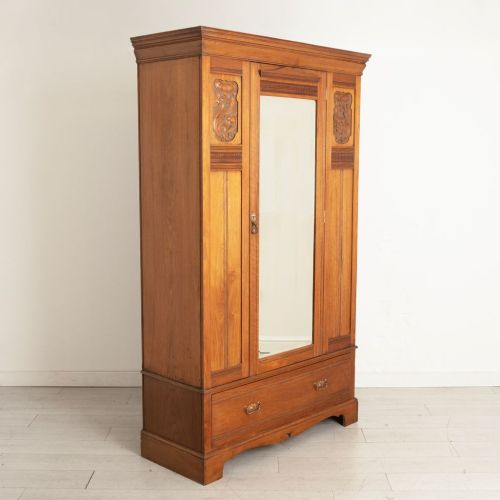
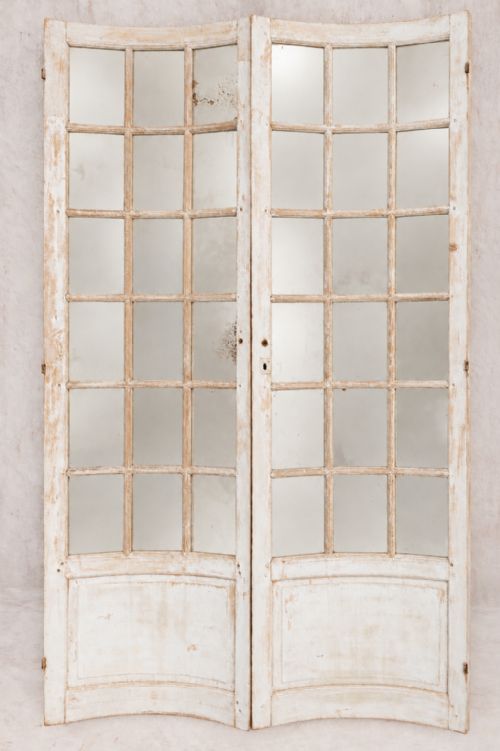
Antique mirrored doors bring depth and reflected light to a room, most often found integrated into large wardrobes, armoires, and credenzas.
Antique Mirrored Doors
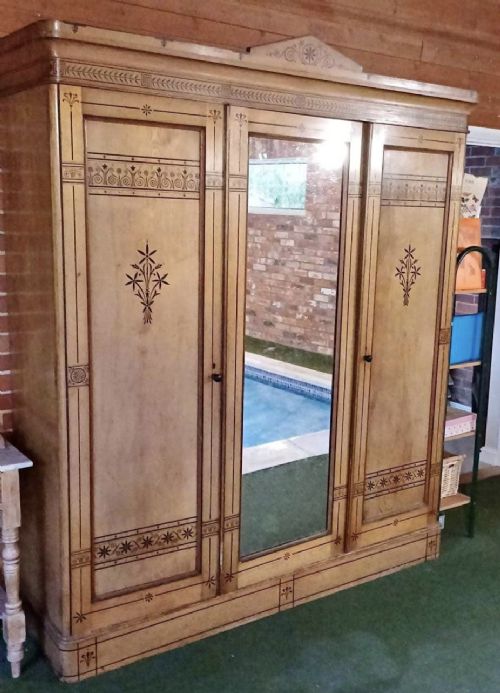
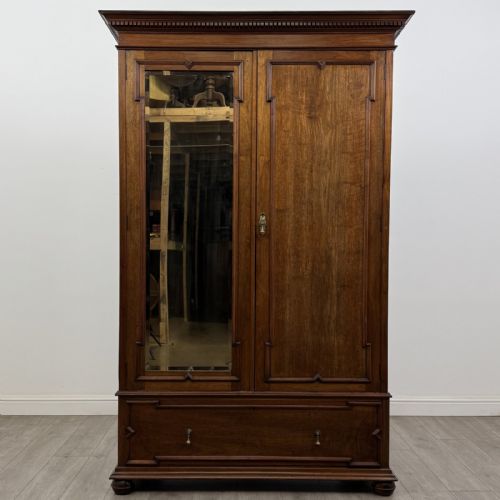
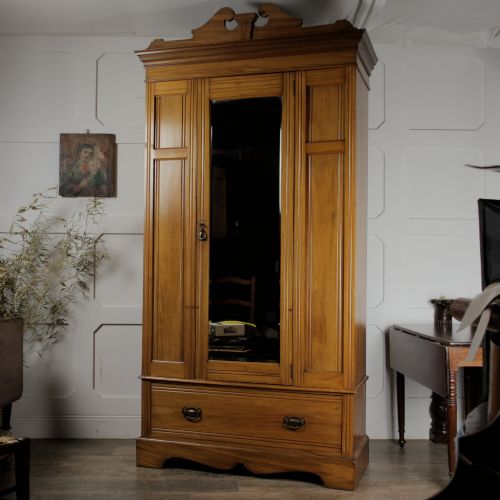
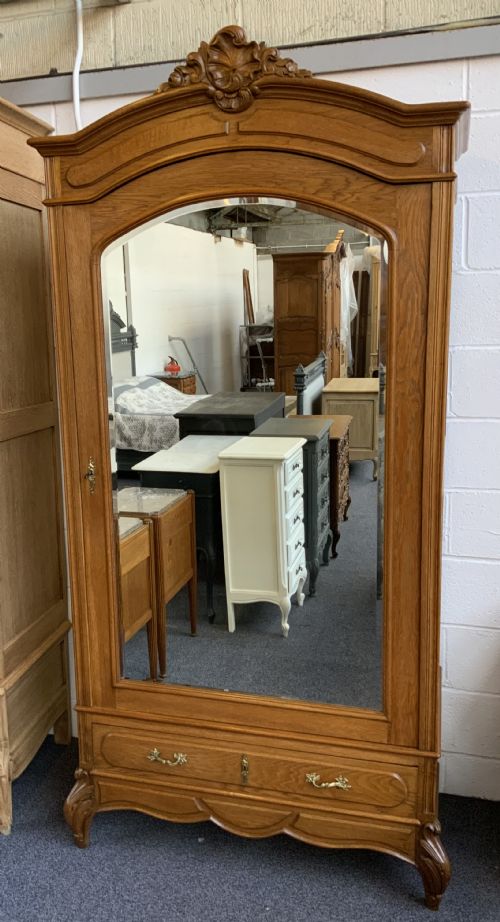
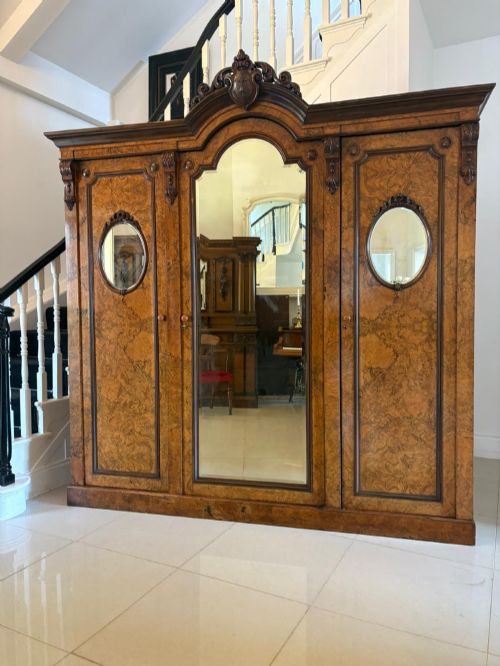
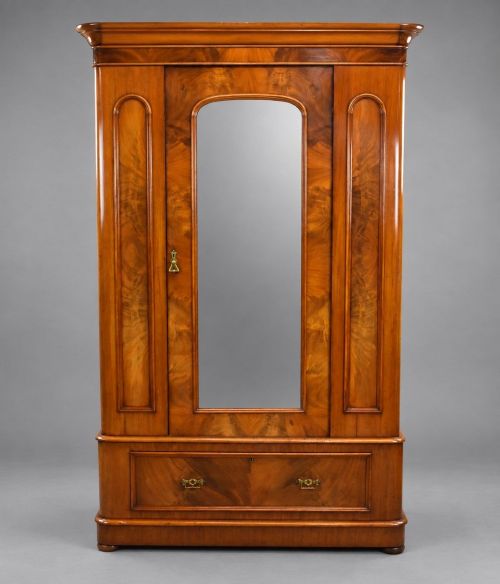
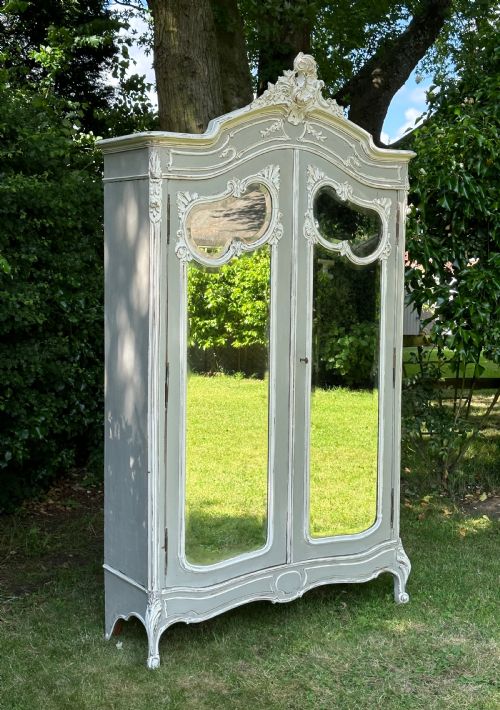
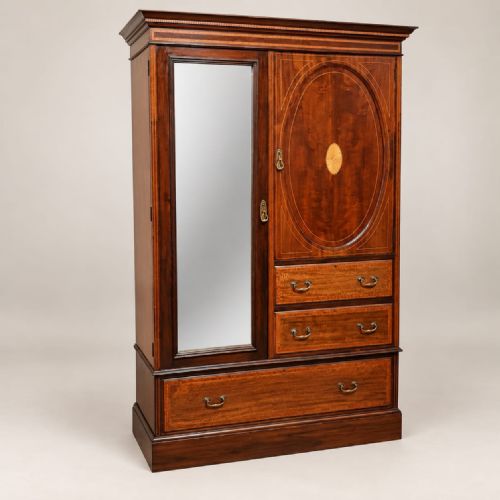
When you search for antique mirrored doors, you encounter architectural and furniture panels originating primarily from the Victorian and Edwardian eras, alongside French provincial and Arts & Crafts examples. These pieces typically take the form of full-length wardrobe doors, armoire panels, and cabinet fronts designed to brighten period interiors.
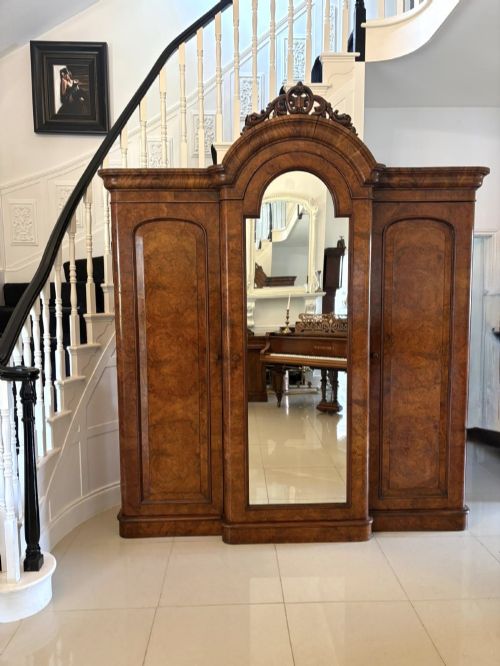
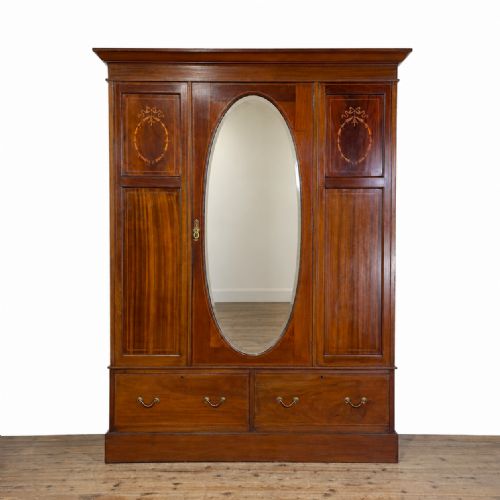
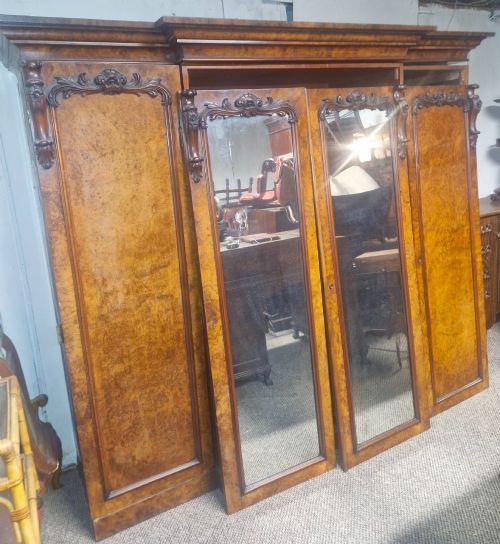
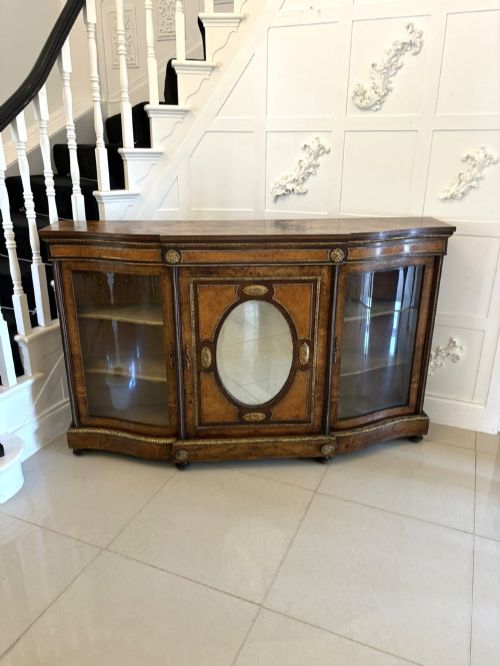
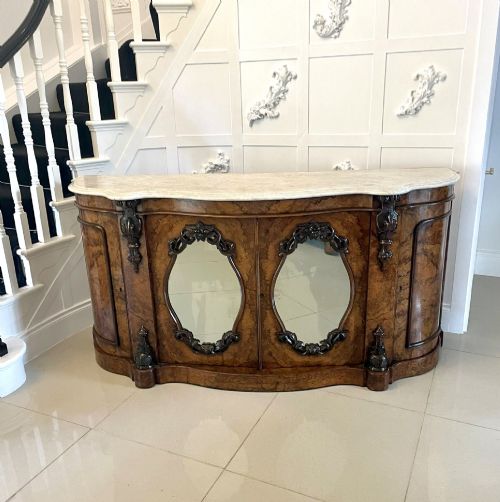
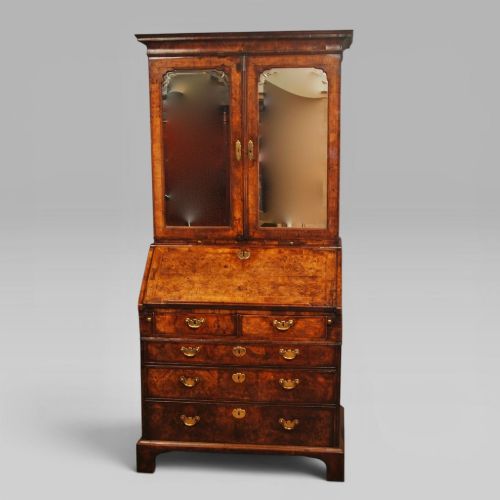
The selection here draws heavily from nineteenth-century bedroom furniture, notably burr walnut and mahogany wardrobes, as well as freestanding French armoires. You also find sideboards, credenzas, and bureau bookcases incorporating mirrored glass panels into their cabinetry.
The most common formats on this page are single, double, or triple door configurations from the late Victorian and Edwardian periods. These range from substantial oak and mahogany triple wardrobes to smaller ash compactums and occasional French bedroom suites.
How they were made
Cabinet makers utilised dense hardwoods such as mahogany, walnut, burr walnut, and oak to construct the heavy frames required to support thick glass plates. Joinery relied on traditional mortise and tenon construction, often reinforced with applied mouldings, marquetry inlays, and ormolu mounts.
The mirror glass itself was set securely into rebated wooden frames, frequently featuring hand-bevelled edges that caught and refracted light. Secondary timbers such as pine appeared on internal compartments, while decorative surfaces received hand-polished wax, French polish, or oil finishes.
Antique Mirrored Doors Retail Price Guide 2026
Typical asking prices for mirrored doors among the pieces listed under this phrase on Sellingantiques today, from the lower quarter to the upper quarter. They describe what is for sale here now, not the wider market.
What varies in quality
The grade of the timber underpins the hierarchy of these pieces, separating plain pine or standard mahogany from highly figured burr walnut, satinwood, and amboyna veneers. Superior examples display thoughtful grain matching across large surfaces and intricate hand-carved detailing rather than mass-produced presswork.
Hardware and secondary materials signal the standard of construction, from heavy fire-gilt ormolu mounts and working original locks to fine interior cabinetry with fitted linen slides and drawers. Maker attribution also elevates certain pieces, particularly those bearing stamps from esteemed nineteenth-century workshops.
Shapland & Petter·Holland and Sons·Gillows
The Antique Mirrored Doors Glossary
- Armoire
- A tall wardrobe or cupboard, traditionally of French origin. These large pieces often feature full-length mirrored doors designed to serve as both storage and dressing mirrors.
- Burr walnut
- A highly prized wood featuring swirling, knotty grain patterns harvested from tree growths. Cabinet makers sliced this timber into decorative veneers for grand Victorian wardrobes and credenzas.
- Compactum
- A specialised multi-section wardrobe combining hanging space, shelves, and drawers within a single compact footprint. They frequently incorporate central mirrored doors.
- Ormolu
- Gilded bronze ornamentation applied to furniture as decorative mounts. Master cabinet makers used ormolu to highlight the corners and panels of high-status Victorian cabinets and credenzas.
- Breakfront
- A cabinet design where the central section projects forward from the flanking wings. This architectural arrangement creates depth and visual interest on large wardrobes and sideboards.
Antique Mirrored Doors: Frequently Asked Questions
How do I care for antique mirror glass?
Clean the glass gently using a soft cloth and a mild, ammonia-free cleaning solution sprayed onto the cloth rather than the mirror itself. Avoid letting moisture seep behind the bevelled edges where the historic silvering might be vulnerable.
Keep the timber surrounds conditioned with a quality wax to prevent the wood from drying out around the glass joints. Regular, gentle dusting preserves both the frame and the reflective surface without chemical buildup.
How do I date a mirrored wardrobe?
Examine the timber species, handle styles, and construction methods used on the interior drawers and backboards. Victorian pieces often display hand-cut dovetails and rich mahogany or burr walnut veneers, while Edwardian examples frequently utilise lighter oak or satinwood.
The bevelling on the mirror glass can also offer clues, as machine-bevelled edges became more prevalent towards the end of the nineteenth century.
Where should I place a mirrored cabinet?
Position these pieces opposite or adjacent to windows to maximise the reflection of natural light around your room. The mirrored panels create an illusion of space, making them particularly effective in bedrooms, hallways, or darker corners.
Ensure the floor beneath is level so the large doors hang true and swing without binding against the frame.