
Antique Mirrored Buffet
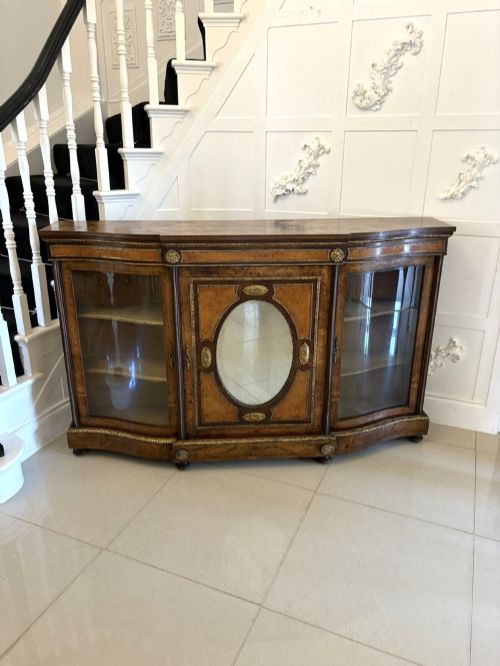
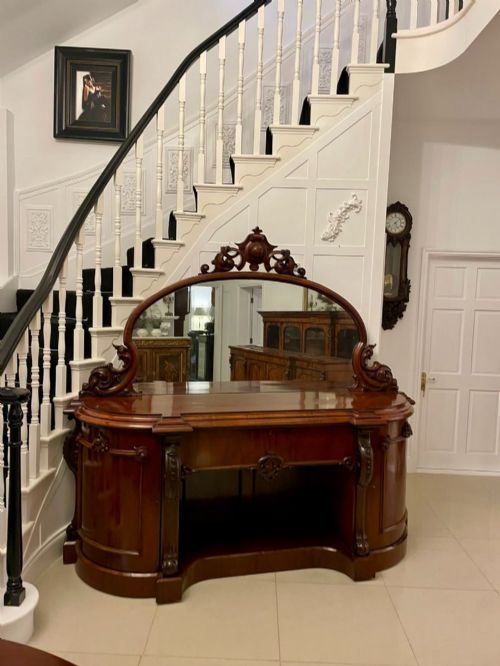
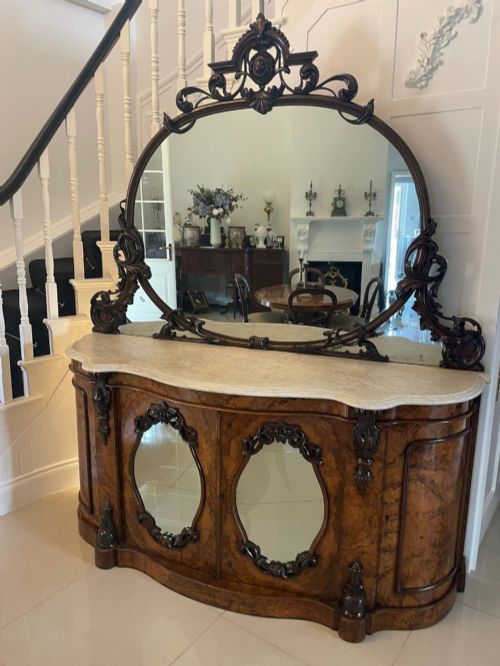
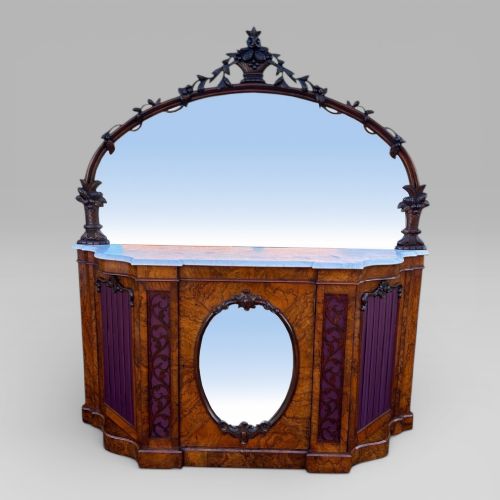
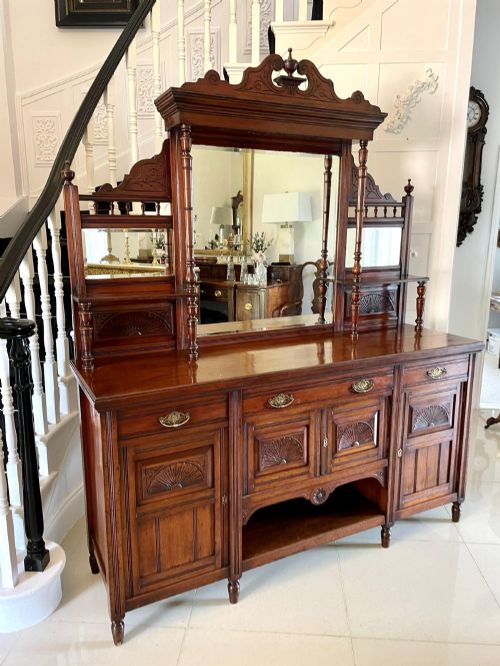
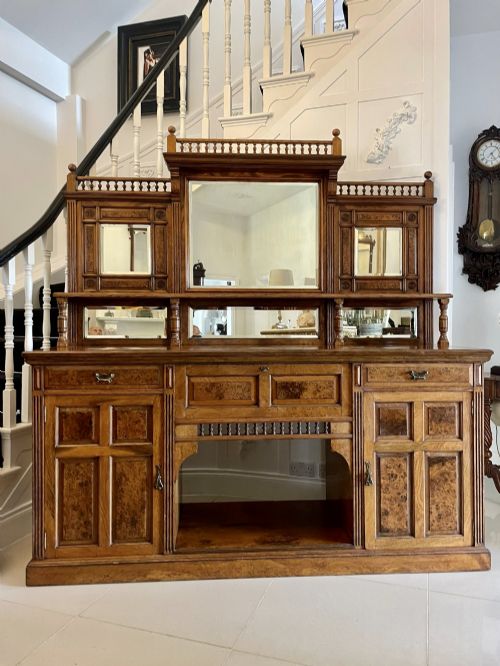
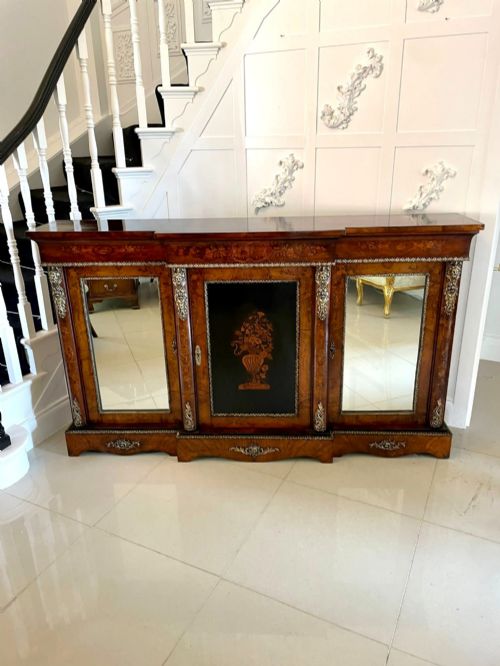
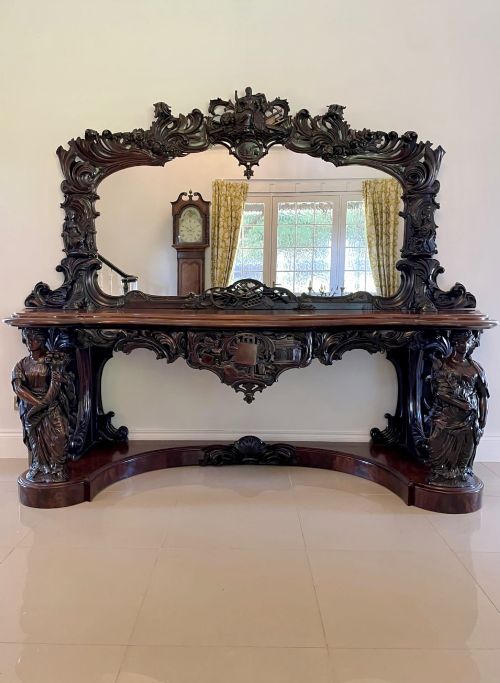
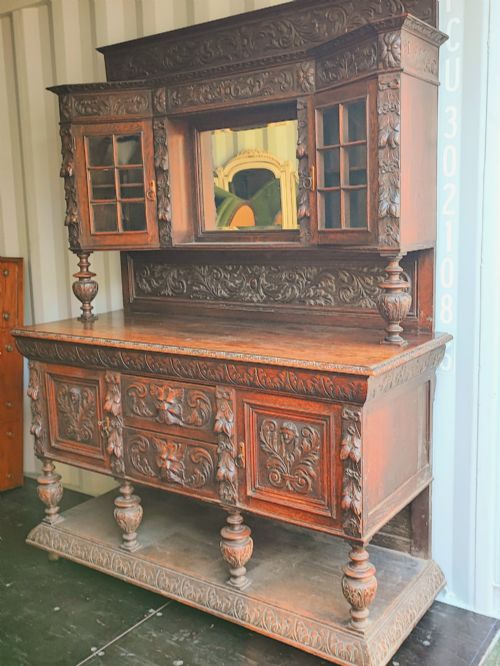
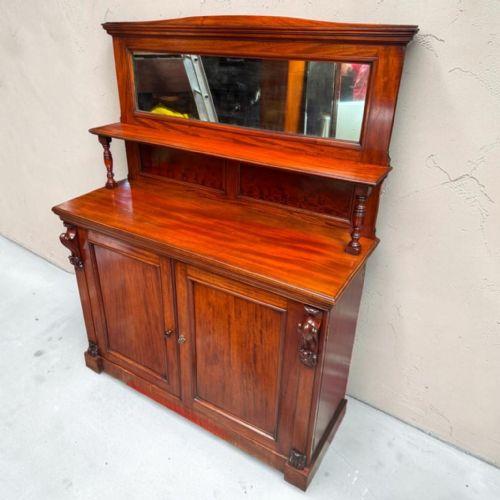
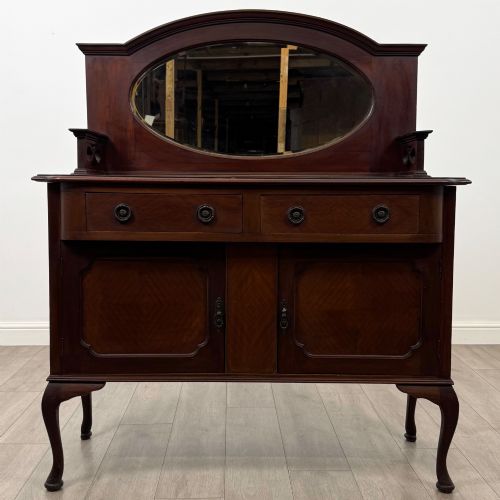
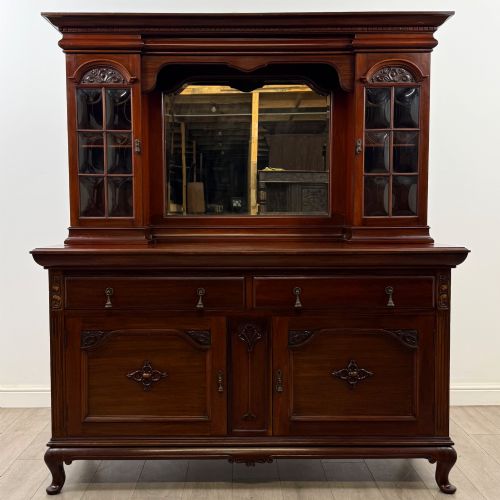
These antique mirrored buffet selections bring substantial Victorian and Edwardian presence to dining rooms through polished woods and reflecting glass.
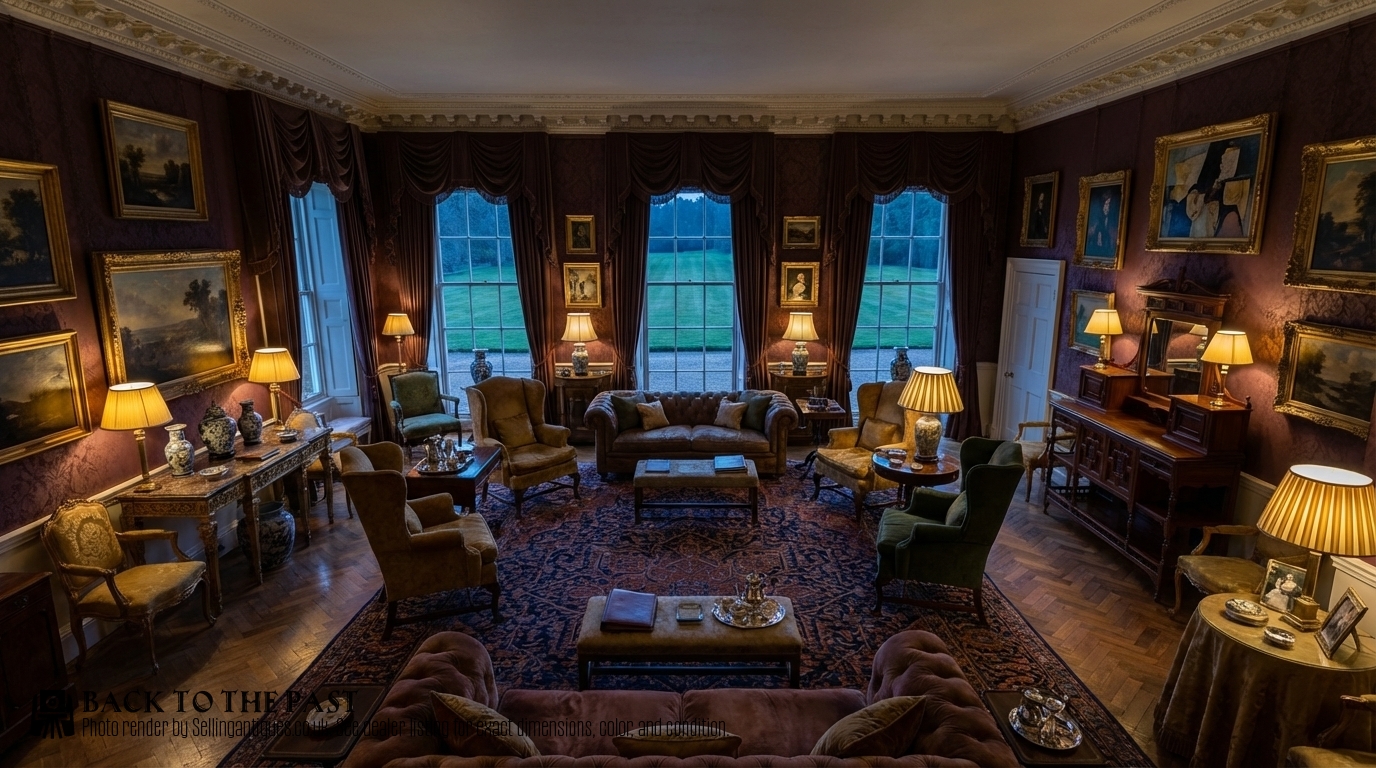
Antique Mirrored Buffet
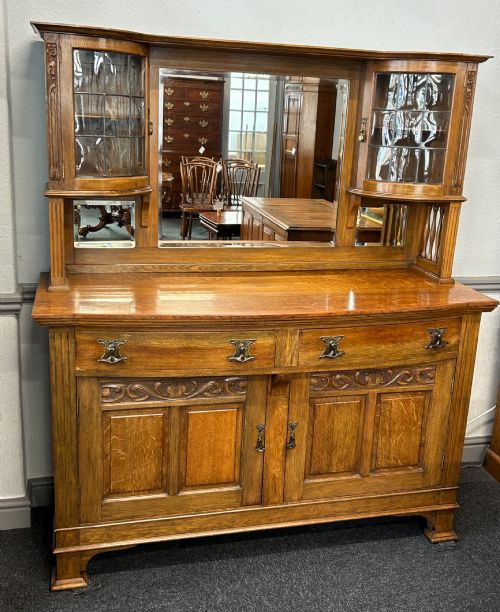
An antique mirrored buffet combines heavy timber storage with integrated glass panels, most frequently appearing as Victorian mirror-back sideboards and Edwardian oak cabinets. These pieces served central functions in nineteenth and early twentieth century dining rooms for serving food and displaying silver.
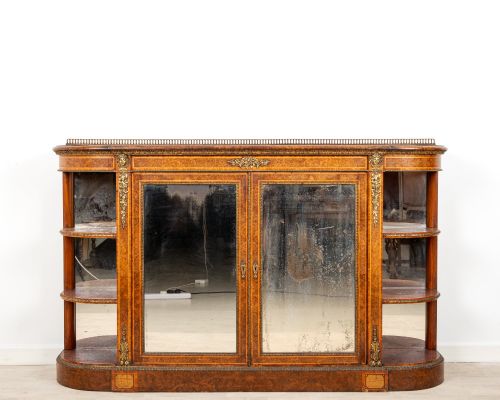
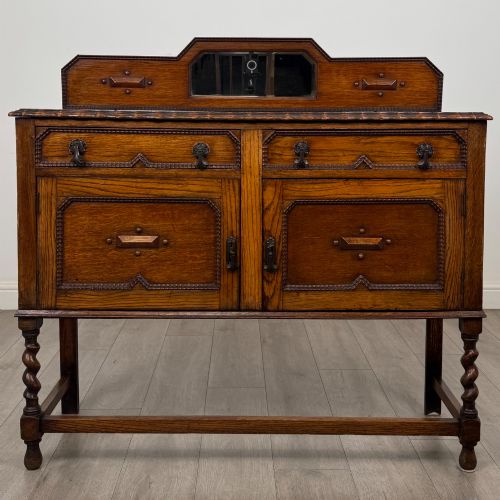
The selection ranges from mid-nineteenth century walnut credenzas with ormolu mounts to later Arts and Crafts oak designs. Mahogany and pollard oak versions dominate the nineteenth century styles, often incorporating marble tops alongside the primary mirror elements.
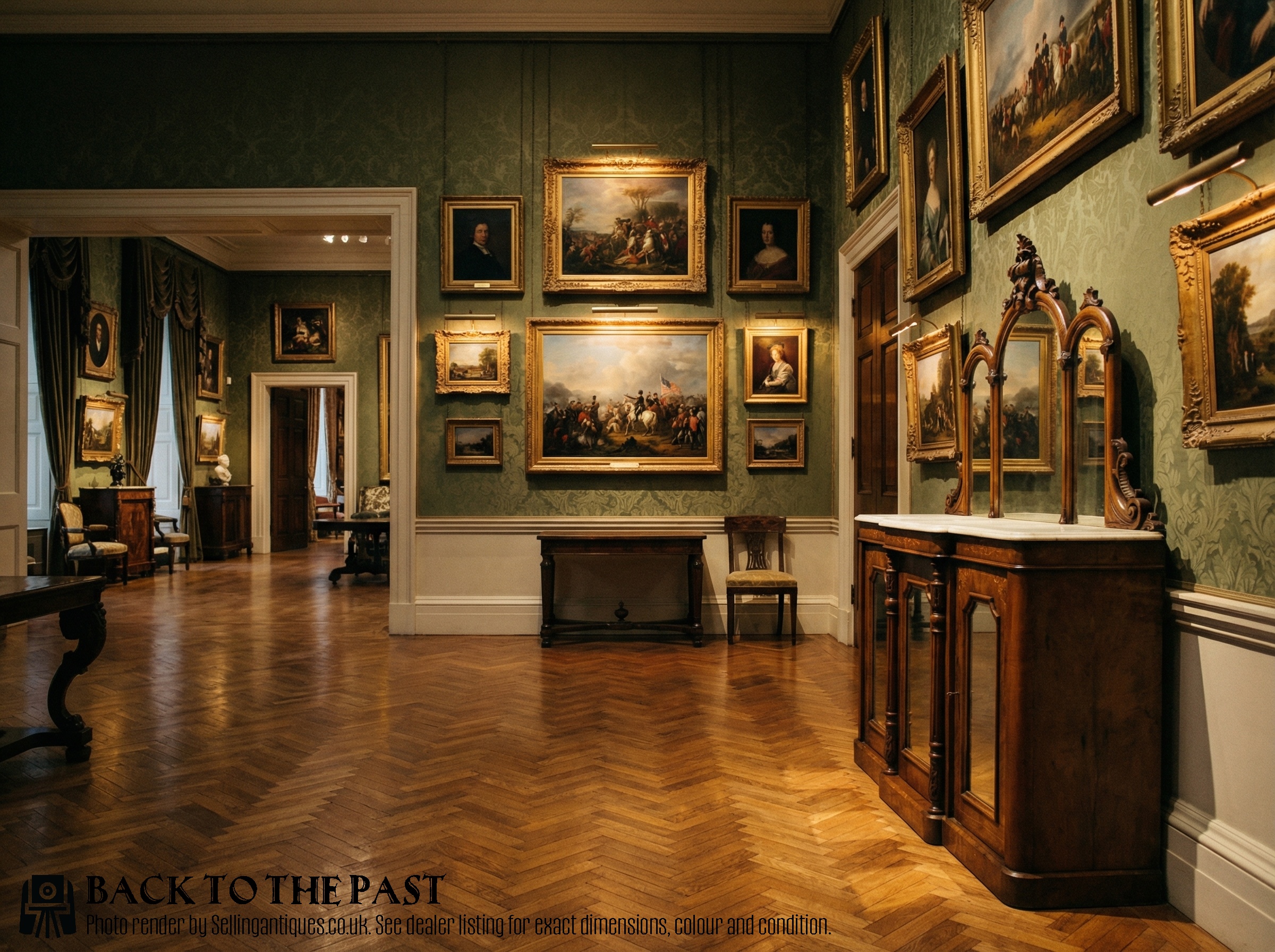
Materials and Construction
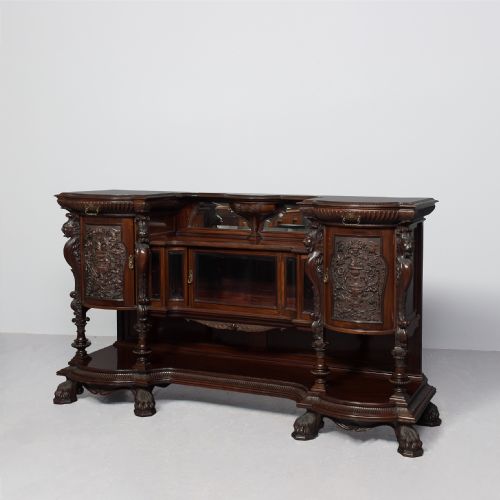
Cabinetmakers utilised robust hardwoods including mahogany, oak, burr walnut, and rosewood, frequently mounting large bevelled mirror glass into carved wooden frames. Brass hardware, ormolu mounts, and white marble tops complete the construction of the finer Victorian examples.
Joinery techniques involve substantial timber framing, hand-carved ornamentation, and marquetry inlay. Glass plates were cast and silvered by hand, resulting in the characteristic subtle imperfections found in period mirrors.
Antique Mirrored Buffet Retail Price Guide 2026
Typical asking prices for mirrored buffet among the pieces listed under this phrase on Sellingantiques today, from the lower quarter to the upper quarter. They describe what is for sale here now, not the wider market.
Victorian butlers used the integrated mirrors to secretly monitor the dining table for empty wine glasses without turning around.
Gradations of Quality
Superior examples demonstrate depth in the wood grain, particularly in burr walnut and pollard oak veneers, alongside crisp, deep hand-carving on the structural mouldings. Lesser pieces rely on simpler machine-cut details and plain timber without figured grain.
The integration of the mirror back distinguishes standard sideboards from exhibition-quality items. Elaborate crests, heavy brass mounts, and intact original marble surfaces separate the masterworks from standard utility furniture.
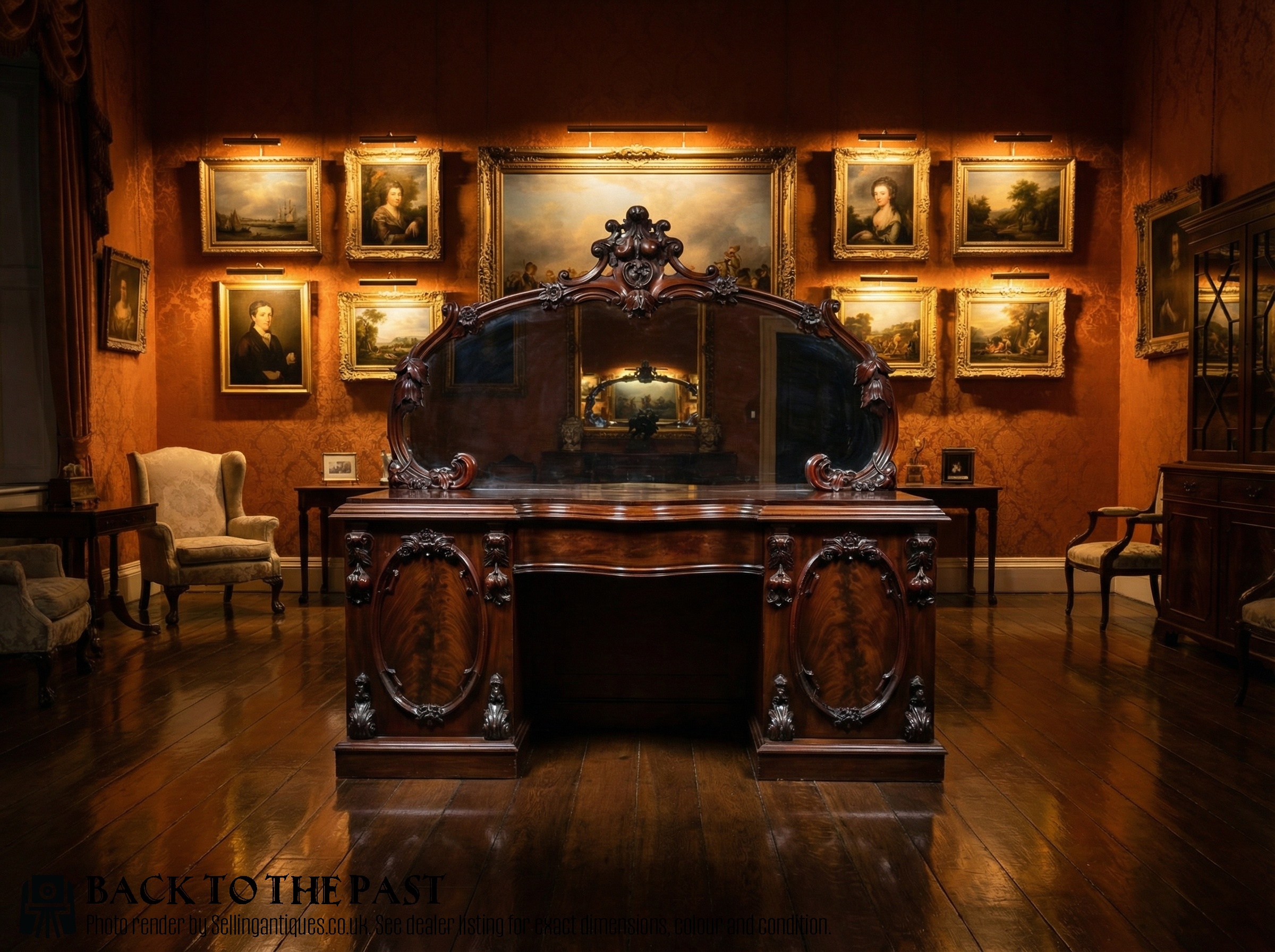
Gillows
The Antique Mirrored Buffet Glossary
- Credenza
- A dining room cabinet used for storing and displaying tableware. These pieces often feature glass-fronted or mirrored doors.
- Ormolu
- Gilded bronze mounts applied as decorative ornaments to furniture. This technique gained prominence in high-status Victorian pieces.
- Marquetry
- The art of applying pieces of veneer to a structure to form decorative patterns. Craftsmen utilised contrasting woods to create floral or geometric designs.
- Chiffonier
- A small sideboard or low cabinet equipped with shelves and cupboards. They frequently include a raised back to hold small display items.
Antique Mirrored Buffet: Frequently Asked Questions
What is an antique mirrored buffet?
An antique mirrored buffet is a heavy wooden storage piece featuring a built-in mirror, traditionally used in dining spaces to display porcelain and serve food.
These items date predominantly from the Victorian and Edwardian eras, constructed from timbers such as mahogany, oak, and walnut.
How do I clean the wooden surfaces?
Maintain the timber using natural beeswax applied sparingly with a soft cloth. Avoid modern aerosol polishes that contain silicone.
Keep the furniture away from direct heat sources and strong sunlight to prevent the timber and veneers from drying out or cracking.
Are the mirrors original to the pieces?
Many pieces retain their original hand-silvered glass, which often exhibits light speckling or foxing due to age. Replacements are sometimes necessary if the original silvering degraded completely over the decades.
Original mirrors generally display subtle distortions and thickness variations absent in modern glass plates.
How do I date a mirrored buffet?
Dating relies on stylistic clues, such as heavy Victorian carvings versus the simpler geometric lines of Edwardian Arts and Crafts pieces. Timber choices and hardware styles also provide clear indications of the manufacturing decade.
Records show production stretching from the early nineteenth century Regency period through to the early twentieth century.