
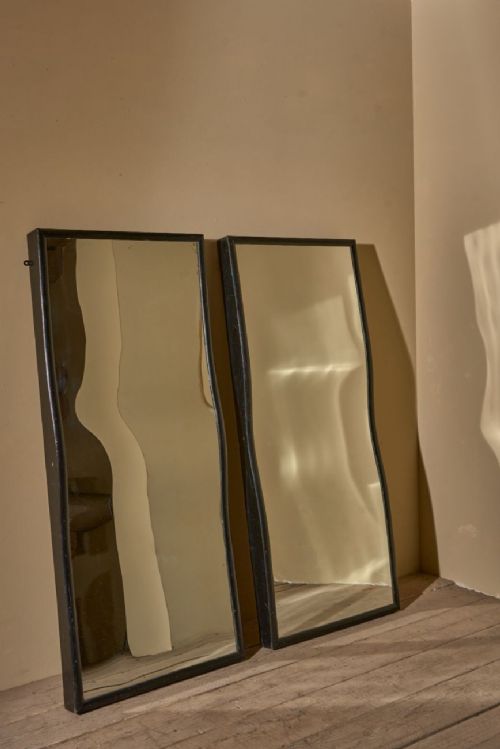
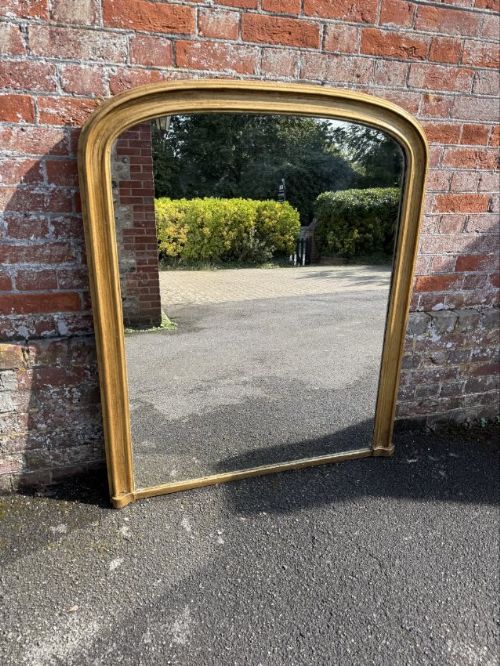
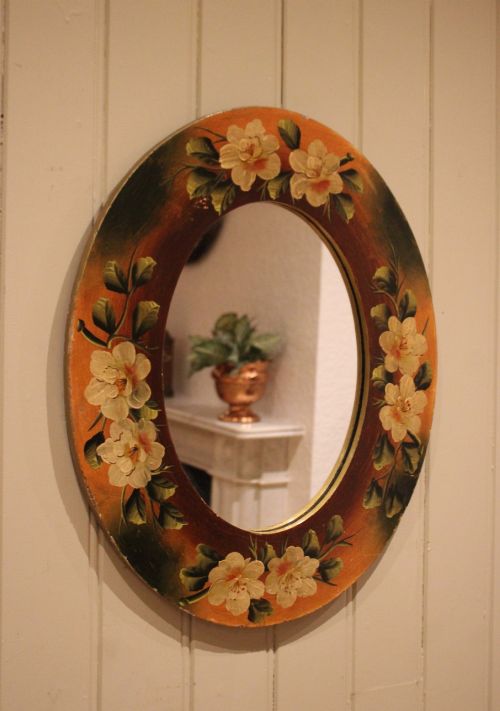
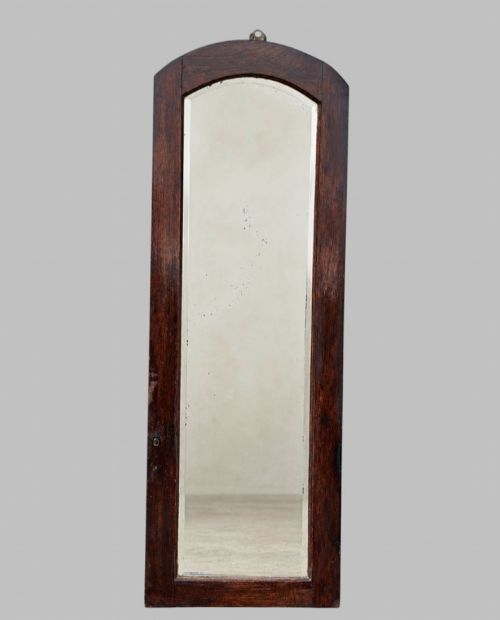
Antique Mirror Glass Frame
An antique mirror glass frame holds centuries of craftsmanship, offering reflective depth and decorative presence that brings historic character to any interior.
Antique Mirror Glass Frame
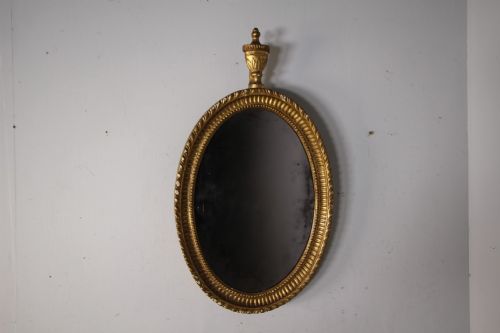
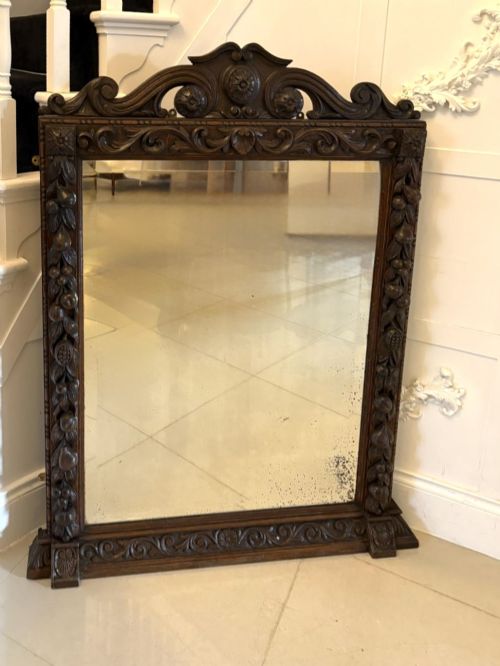
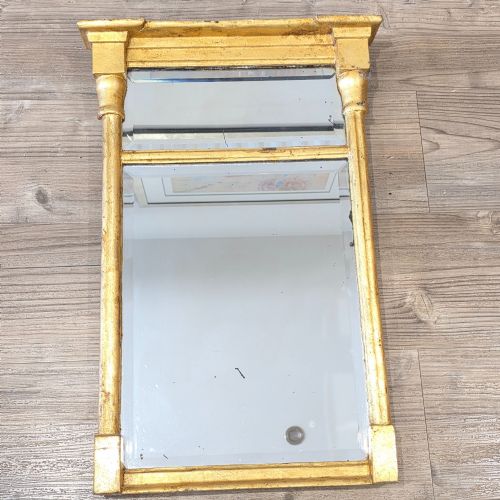
When you search for an antique mirror glass frame, you encounter wall mirrors, overmantels, pier glasses, and dressing mirrors from the eighteenth, nineteenth, and early twentieth centuries. These pieces reflect the decorative tastes of periods such as the Georgian, Regency, Victorian, and Edwardian eras.
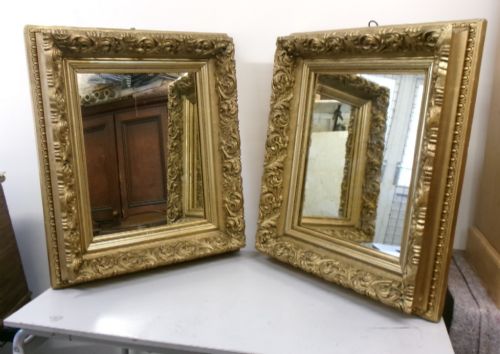
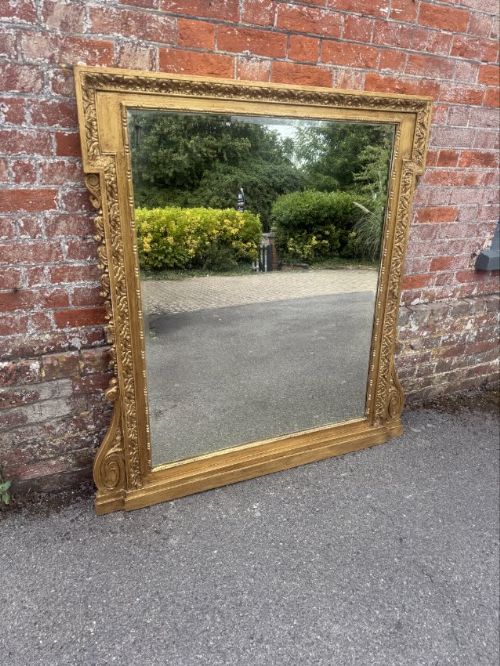
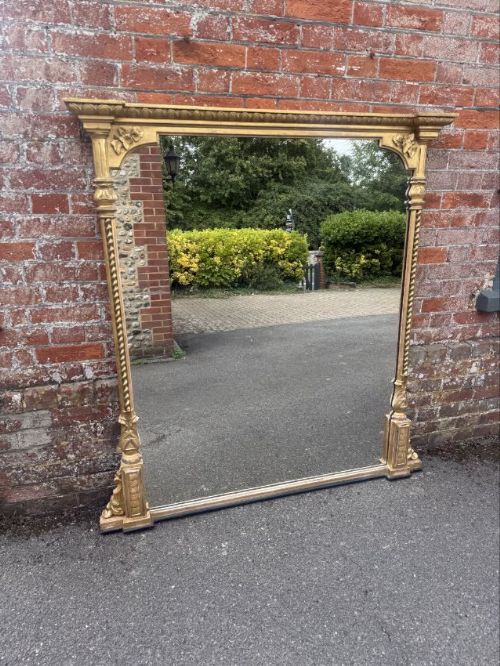
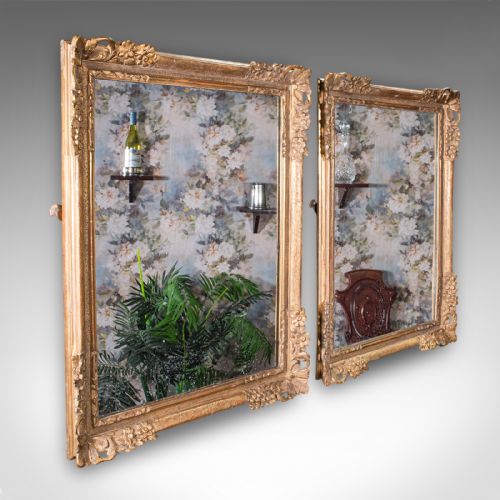
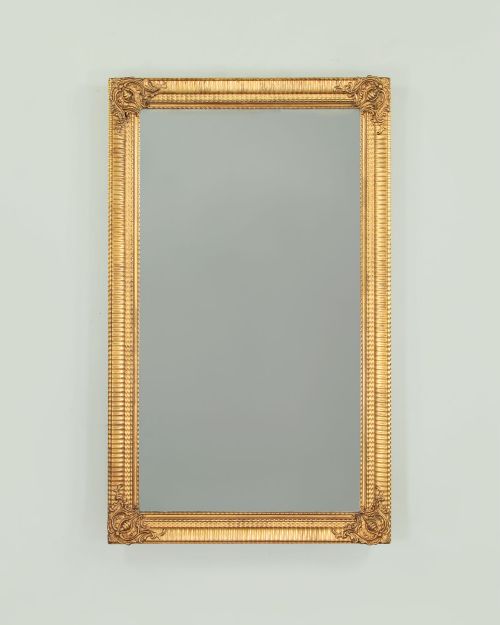
The most common forms on this page are large giltwood overmantels and carved wooden wall mirrors, alongside smaller swing and table mirrors. Their origins span English workshops, French ateliers, and Venetian glasshouses, providing varied regional interpretations of classical and revival styles.
Buyers select these frames to anchor a room, utilising the reflective glass and ornate borders to amplify light and space. Each object combines architectural structure with decorative artistry, serving as both a functional looking glass and a focal point.
How they were made
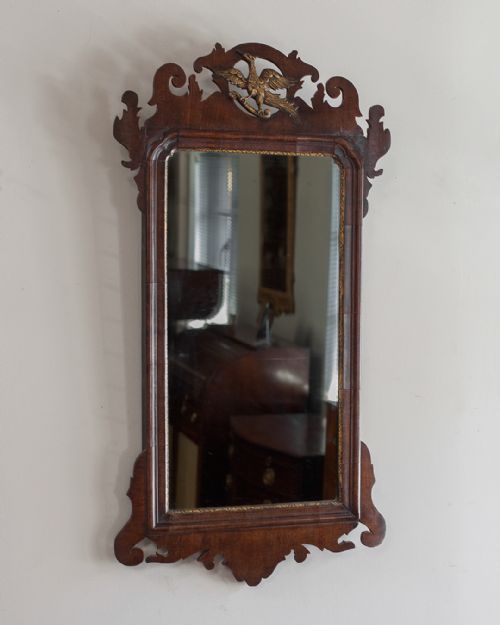
Carpenters and joiners built the primary structures using timbers like oak, mahogany, walnut, and kingwood, often constructing complex joints for heavy overmantel and pier mirrors. Carvers then shaped intricate details directly into the wood or applied composition ornament over a prepared base.
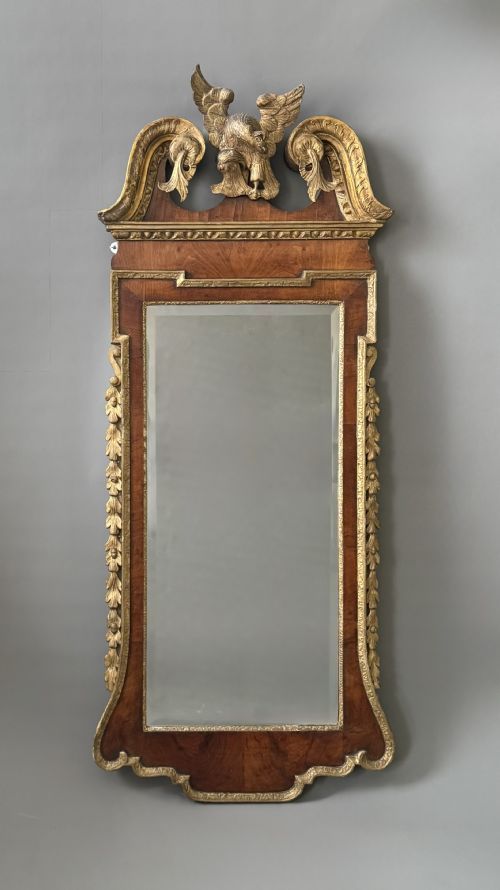
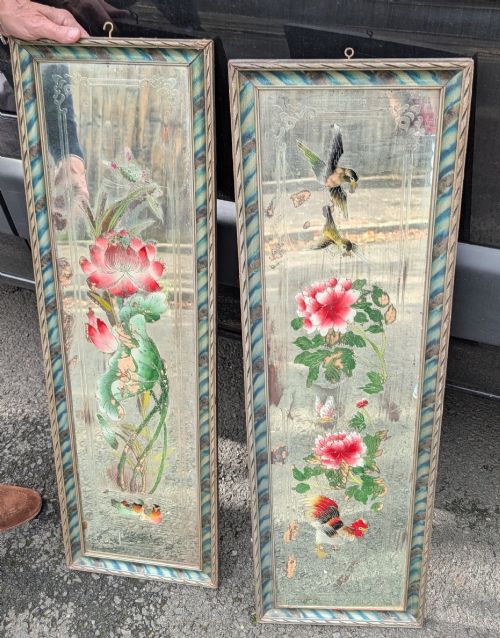
Gilders applied thin layers of gold leaf or metal leaf over gesso grounds, burnishing the surfaces to achieve a bright metallic sheen. Alternatively, frame surfaces received paint, floral decorations, or marquetry inlay to suit specific regional fashions.
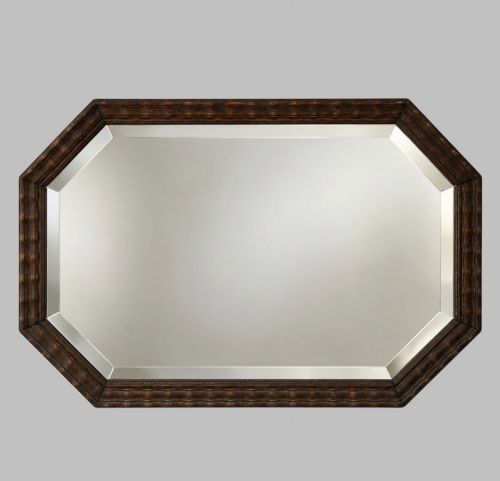
Glassmakers produced reflective plates using historical methods, including mercury silvering on early French mirrors, which develops characteristic foxing over time. Later production introduced bevelling techniques around the edges of the glass plate to refract light.
Listings feature oak, walnut, and mahogany timbers alongside intricate gesso and giltwood surfaces across multiple centuries.
What varies in quality
The depth and crispness of the hand-carving distinguish superior frames from simpler production pieces, particularly where gesso foliage and wooden mouldings meet. Finer examples display sharp undercut details rather than soft, moulded contours.
The integrity of the original materials and finish dictates the standing of a piece within its period. Frames retaining their initial gilding, original mirror plates, and stable structural joinery command greater appreciation than heavily restored or altered equivalents.
Waring and Gillow
The Antique Mirror Glass Frame Glossary
- Giltwood
- Wood that has been coated with gold leaf. This finish gives the frame a bright, metallic appearance that catches interior light.
- Gesso
- A plaster mixture applied to wood frames as a base for gilding or painting. Artisans mould this substance to create raised decorative reliefs.
- Overmantel
- A large mirror designed to hang specifically above a fireplace mantel. These expansive pieces often feature horizontal proportions and architectural framing.
- Pier glass
- A tall mirror intended to hang on the wall space between windows. They reflect natural light back into the room.
- Mercury glass
- Mirror glass produced using a tin and mercury amalgam before twentieth-century silvering processes. It typically develops dark spots known as foxing over the decades.
Antique Mirror Glass Frame: Frequently Asked Questions
What is an antique mirror glass frame?
An antique mirror glass frame is a historic decorative housing surrounding a reflective glass plate, produced during past centuries using traditional woodworking and gilding techniques.
These pieces combine utility with artistic styles ranging from Georgian symmetry to Victorian revivalism.
How do I hang a heavy overmantel mirror safely?
Hanging a heavy overmantel requires securing fixings directly into wall studs or masonry using heavy-duty brackets suited to the weight of the timber and glass.
Professional installation ensures the frame remains stable against the wall surface.
What causes dark spots on antique mirror glass?
Dark spots, or foxing, occur when moisture slowly degrades the historic backing behind the glass plate over many decades of exposure.
This natural ageing process is often welcomed by collectors as proof of genuine age.
How do I clean an antique giltwood frame?
Cleaning a giltwood frame requires a very soft dry brush to gently remove surface dust without disturbing the delicate gold leaf or gesso.
Moisture and modern chemical cleaners must be avoided to prevent damage to the historic finish.