






Antique Mirror Back Table
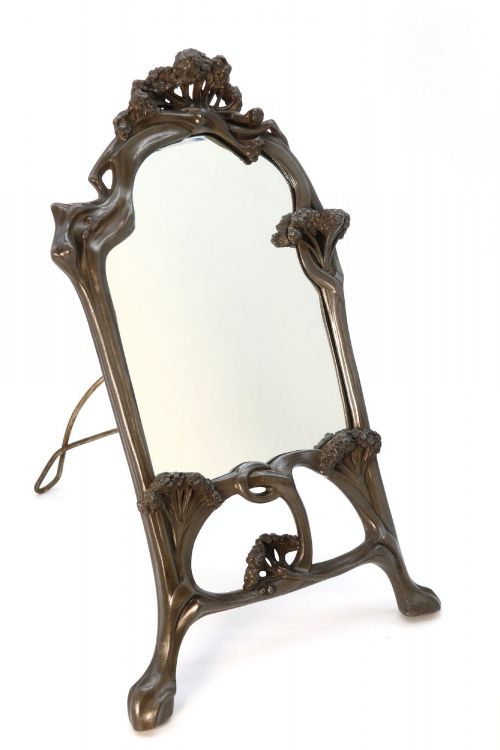
An antique mirror back table combines timber construction with reflective glass, offering practical utility and a decorative focal point.
Antique Mirror Back Table
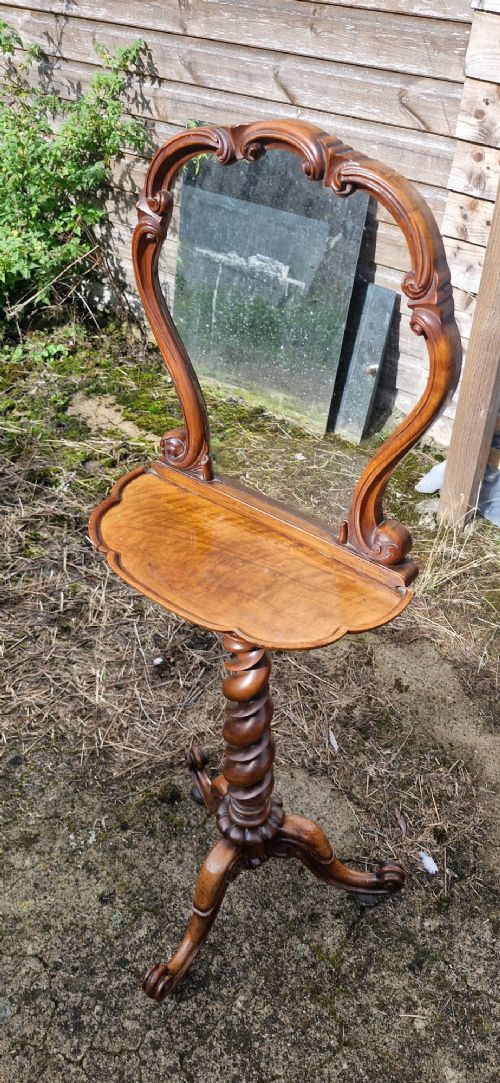
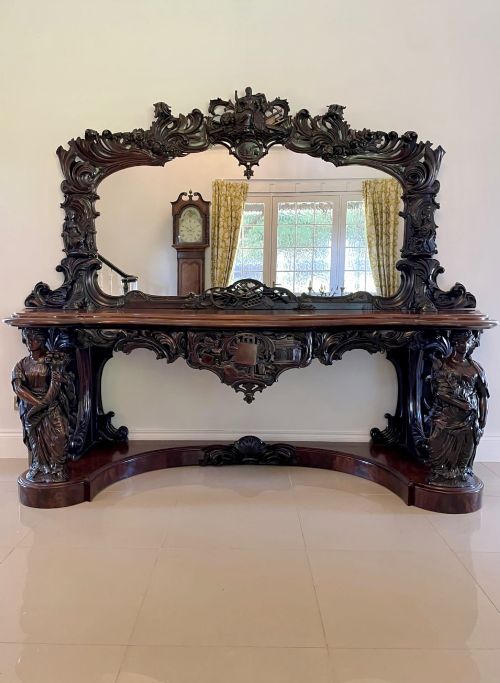
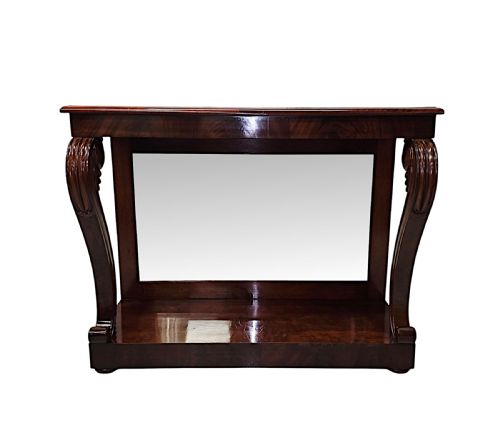
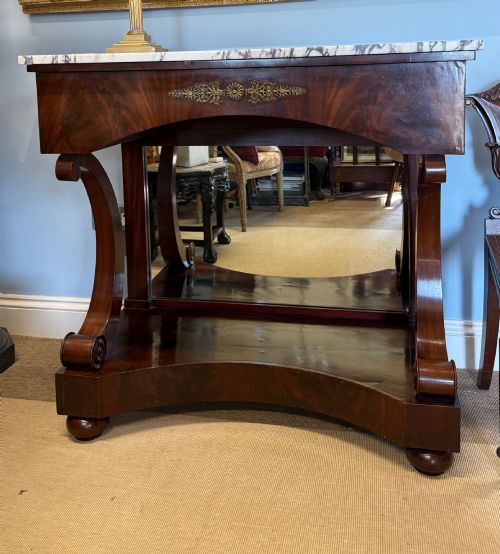
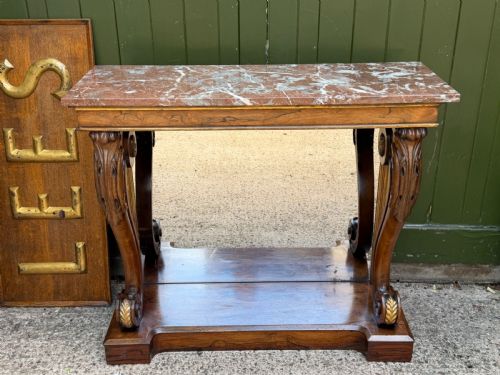
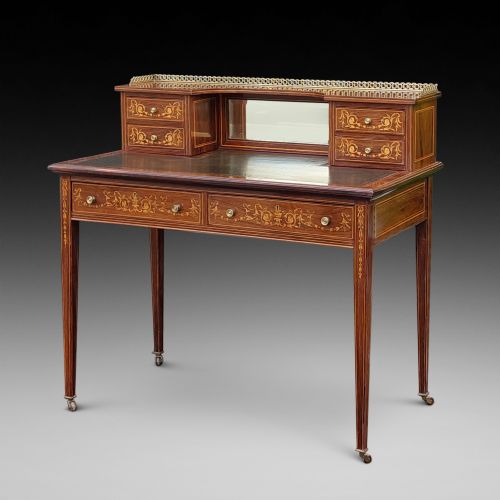
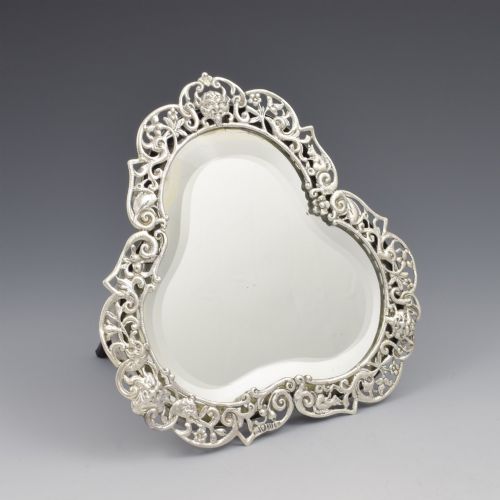
When searching for an antique mirror back table, buyers encounter a form designed primarily for display and reflection, most frequently appearing as a console table or dressing piece from nineteenth-century periods.
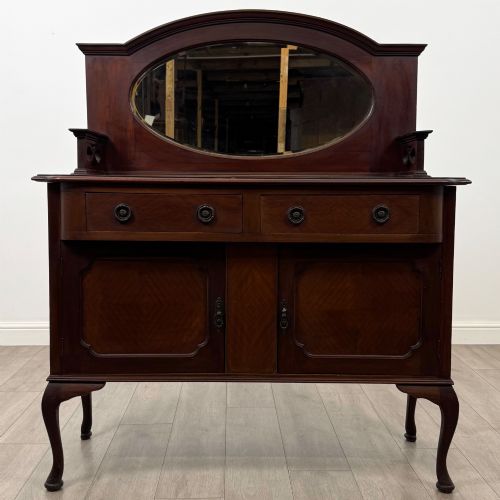
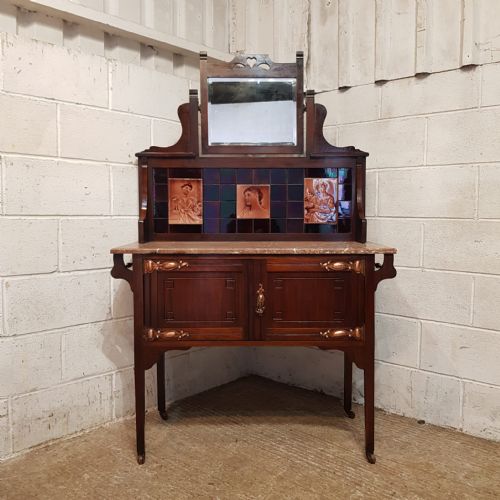
The selection ranges from Regency and William IV rosewood and mahogany formats to Victorian walnut and Edwardian variations, incorporating integrated mirror glass panels.
These items serve domestic spaces by mounting upright glass above timber surfaces, bringing light and depth into a room through their architectural framing.
Materials and construction
Craftsmen utilised solid timbers and veneers including mahogany, rosewood, walnut, and yew, often pairing wooden frames with heavy figured marble tops.
Mirror glass panels were set into wooden or giltwood surrounds, secured to the rear of console tables, washstands, and dressing units using traditional joinery and brass fittings.
Antique Mirror Back Table Retail Price Guide 2026
Typical asking prices for mirror back table among the pieces listed under this phrase on Sellingantiques today, from the lower quarter to the upper quarter. They describe what is for sale here now, not the wider market.
Object types span console tables, washstands, chiffoniers, and dressing table mirrors.
Factors determining quality
The calibre of an antique mirror back table rests upon the depth of figuring in woods like flame mahogany and maserbirch, alongside the precision of carved ornamentation such as parcel-gilt details and dolphin motifs.
Structural integrity depends upon the original fit between the marble or timber top and the rear mirror frame, where superior examples exhibit seamless integration and substantial weight.
Maple & Co·Gillingtons of Dublin·Louis Auguste Moreau·WMF·William Comyns·Pauly et Cie
The Antique Mirror Back Table Glossary
- Console table
- A table designed to stand against a wall, frequently fitted with a marble top and supported by decorative legs or brackets.
- Giltwood
- Timber that has been coated with gold leaf or a gold-coloured finish for decorative effect.
- Figured mahogany
- Mahogany timber exhibiting an attractive, patterned grain such as flame or curl, prized for high-end furniture.
- Parcel-gilt
- Partially gilded, where specific carved details or mouldings are highlighted in gold against a contrasting wood background.
Antique Mirror Back Table: Frequently Asked Questions
How do I place an antique mirror back table in a modern room?
These tables work well against hallway walls or living room focal points, where the reflective glass bounces natural light around the space.
Ensure the piece is secured safely to the wall if the mirror frame is exceptionally heavy or tall.
What is the difference between a console table and a dressing table?
Console tables are built for reception rooms and hallways, frequently featuring stone or marble tops designed for display.
Dressing tables are intended for bedrooms and incorporate drawers or compartments alongside adjustable mirror plates.
How do I care for the marble top on my table?
Clean the stone surface using a damp cloth and mild soap, avoiding acidic substances that can etch polished marble.
Dry the surface thoroughly after cleaning to maintain the natural sheen of the stone.
How do I identify a Regency period mirror back table?
Regency pieces often feature architectural lines, rosewood veneers, and classical brass mounts reflecting early nineteenth-century design trends.
Look for symmetrical forms and traditional construction methods typical of the 1800s to 1830s.