

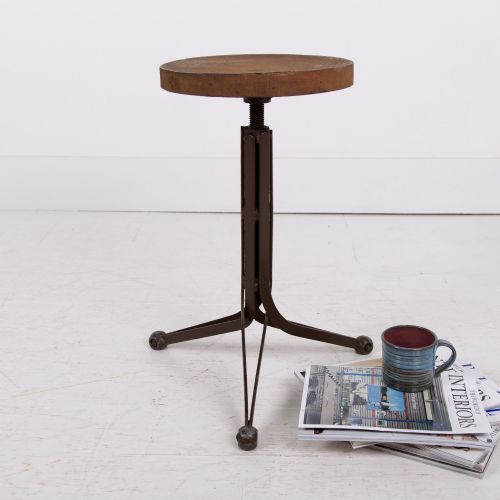
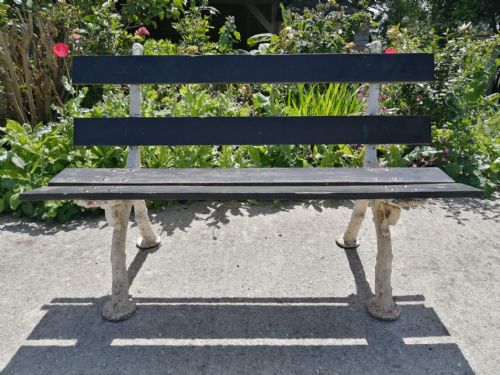
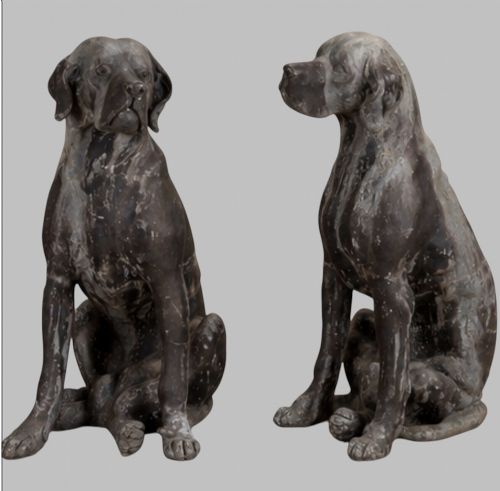
Antique Metal Seat
An antique metal seat brings enduring utility and architectural presence to gardens, terraces and interiors.
Antique Metal Seat
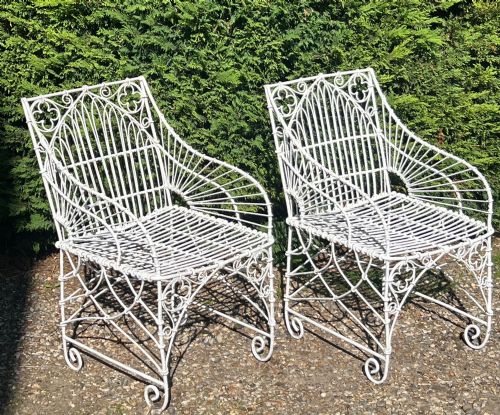
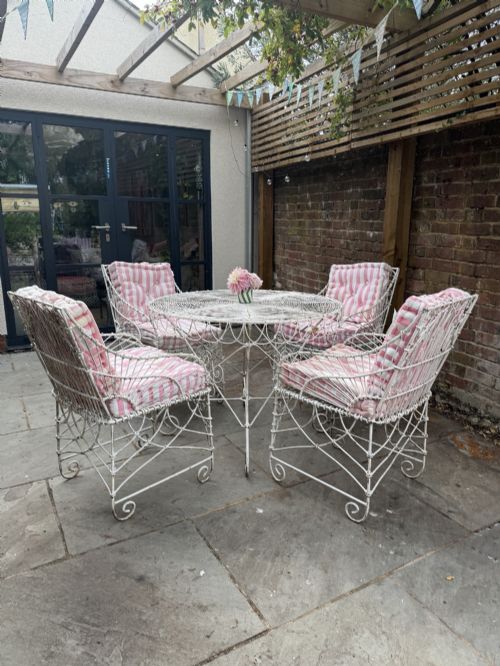
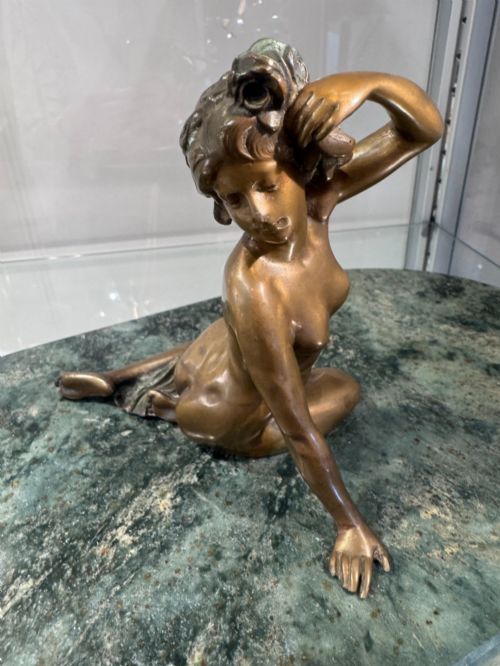
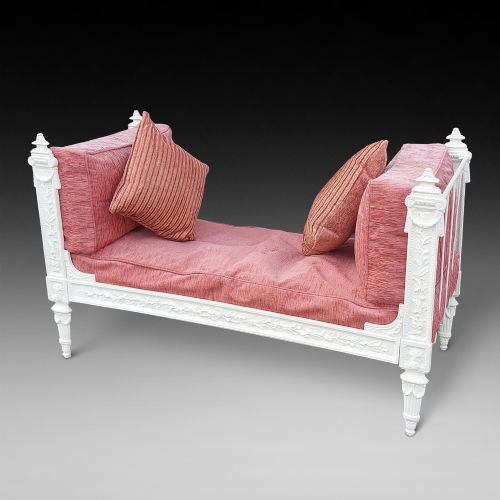
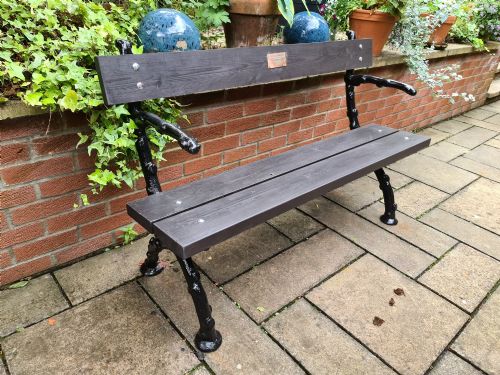
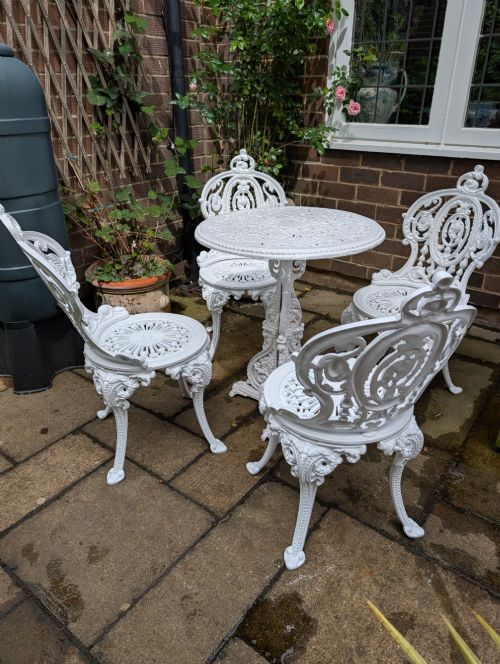
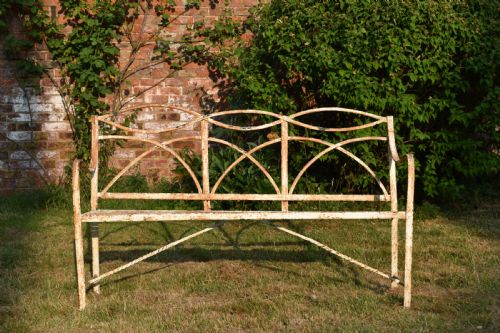
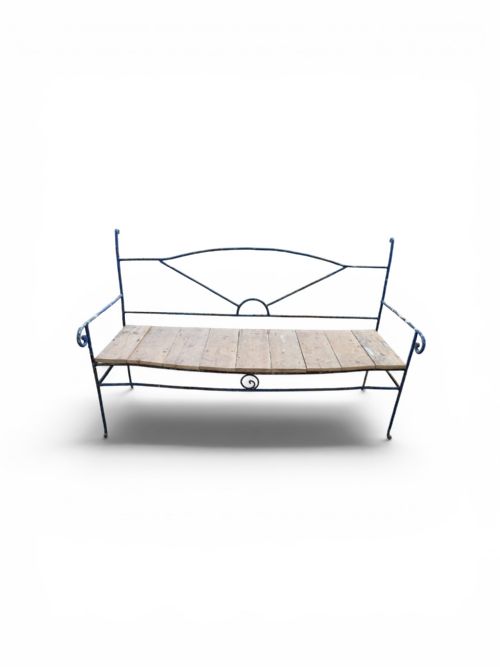
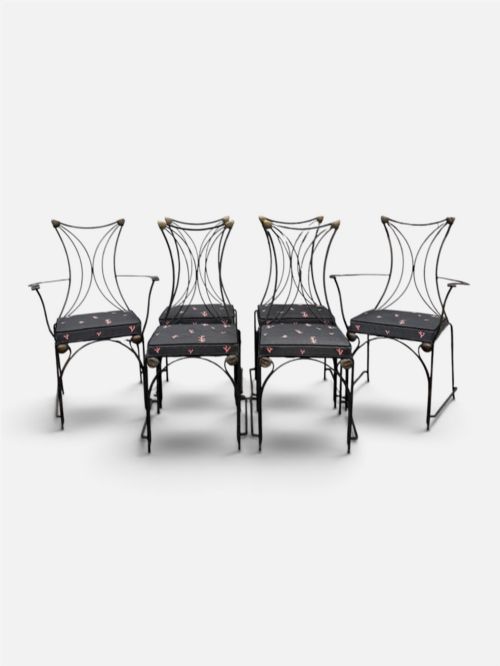
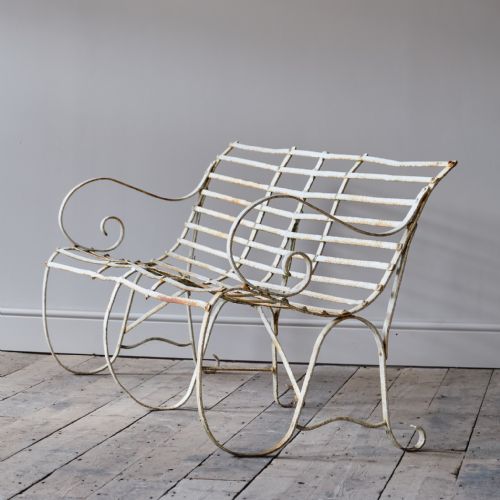
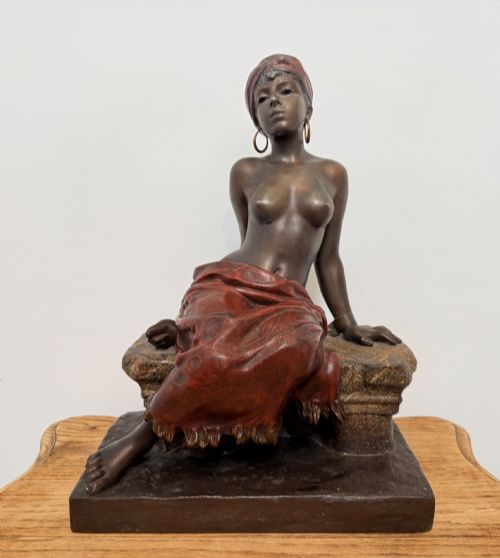
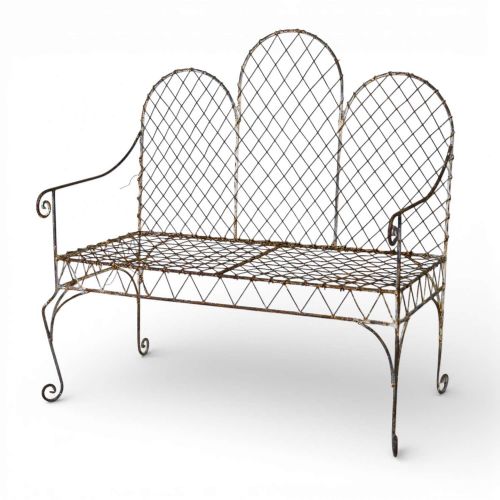
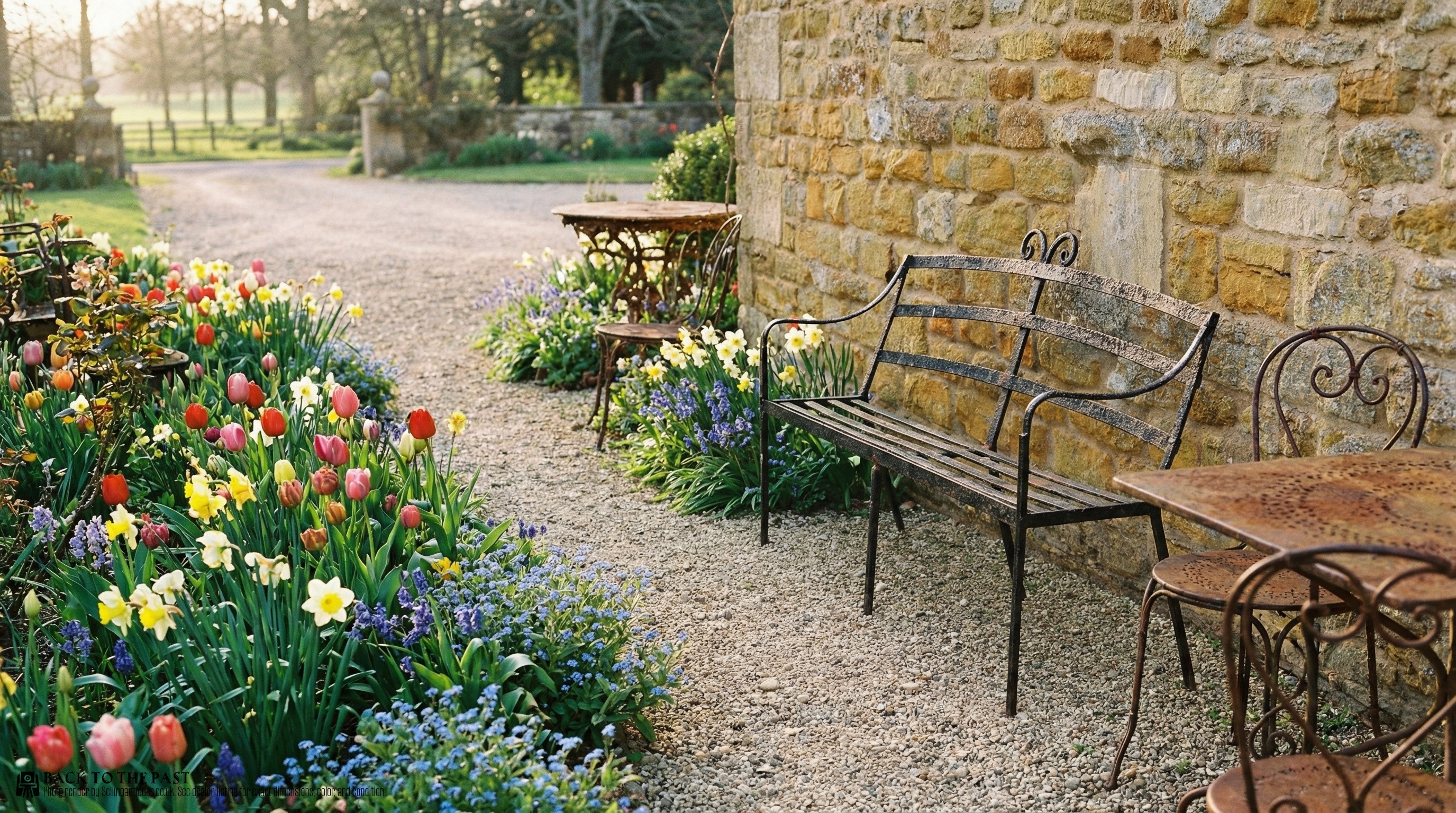
An antique metal seat encompasses a wide assortment of practical furniture and decorative figures designed for sitting or resting. Buyers encounter everything from robust park benches and garden settees to revolving workshop stools, bar stools, armchairs and figurative sculptures.
The pieces span multiple eras, with nineteenth-century examples and twentieth-century industrial or garden forms appearing most frequently. Makers utilised durable materials to construct items suited for both domestic rooms and outdoor landscapes.
Materials and Construction
The construction relies heavily on cast iron and wrought iron, frequently paired with wooden slats, leather upholstery or painted finishes. Metal components were forged, cast or riveted together to ensure structural stability.
Bronze, brass, steel and wirework also feature across specific pieces, alongside lead and gilt metal for sculptural and ceremonial objects.
Camel saddles double as seats when padded with leather, proving that historic travellers valued portable comfort just as much as modern buyers.
Evaluating Craftsmanship
Quality rests in the crispness of the casting detail, particularly on ornamented panels, strapwork and figural elements. Sharp definition in ironwork and bronze indicates superior initial moulding and skilful finishing.
Integrity of construction and the retention of original surfaces, such as early paint layers or patinated bronze, separate standard examples from finer works.
Coalbrookdale·Christopher Dresser·E Villanis·Evertaut
The Antique Metal Seat Glossary
- Cast iron
- Iron poured into a mould to create rigid and highly decorative components. It permits intricate ornamentation like foliage and masks.
- Wrought iron
- Iron heated and hammered by hand into shape. This material offers superior tensile strength and flexibility for strapwork designs.
- Strapwork
- Flat bands of metal arranged in geometric or interlaced patterns. It is frequently seen on nineteenth-century garden benches.
- Club fender
- A low upholstered seat placed around a fireplace hearth. These typically combine a steel or brass frame with leather seating.
- Faux bois
- An artistic imitation of wood created in another material such as cast iron. This technique was popular in nineteenth-century garden furniture.
- Arras
- A distinct style of French wirework and metal garden furniture originating from the town of Arras. Pieces often bear manufacturer plaques.
Antique Metal Seat: Frequently Asked Questions
How do I maintain an outdoor metal seat?
Outdoor metal furniture benefits from regular cleaning and protective treatments to counter weathering. Keeping surfaces clean prevents moisture retention.
During winter months, storing pieces under cover or using breathable protective sheeting preserves the original paint and prevents structural decay.
Are cast iron and wrought iron seats heavy?
Cast iron and wrought iron pieces possess substantial weight due to the density of the metal. This heaviness provides stability outdoors.
Positioning these seats requires careful planning because moving them frequently demands multiple people or specialist equipment.
Can I use an industrial stool indoors?
Industrial metal stools and workshop chairs integrate well into modern domestic kitchens and studies. Their robust construction suits daily use.
Protecting delicate flooring from metal bases ensures these functional seating options remain practical for indoor living spaces.