


Antique Metal Samovar
An antique metal samovar brings historic warmth and hospitality to a room, serving as a striking focal point for any interior.
Antique Metal Samovar
When you search for an antique metal samovar, you encounter vessels designed for heating and dispensing water for tea or coffee. These pieces range from compact spirit kettles to large decorative vessels and temple water dispensers.
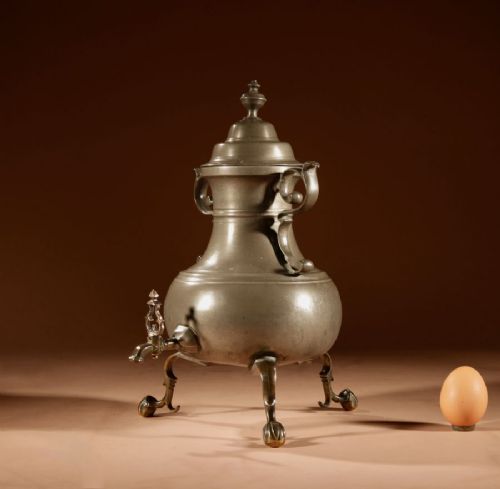
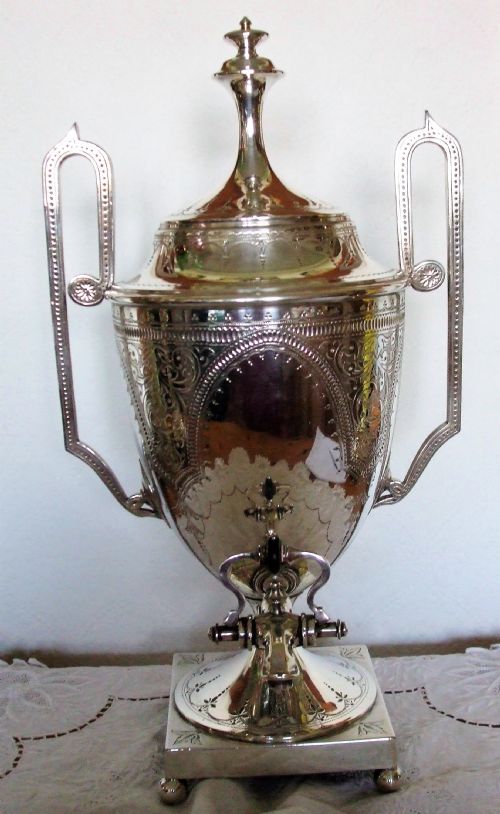
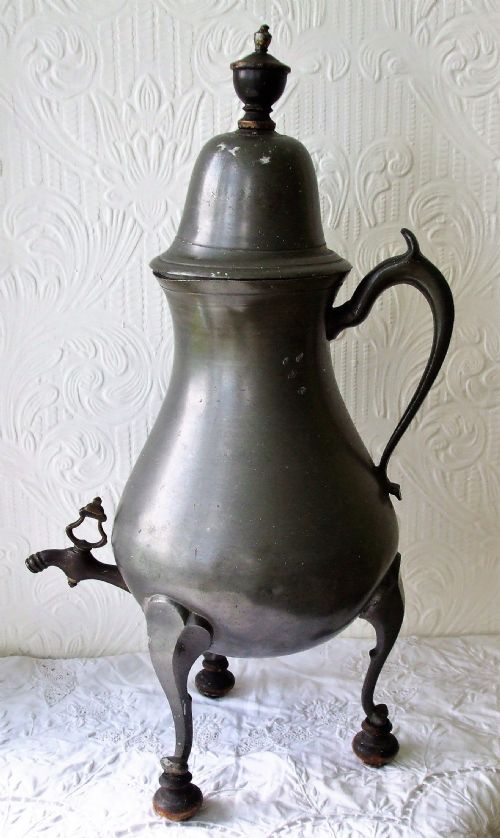
The versions you are most likely to meet on this page date from the Georgian, Regency, and Victorian periods, alongside earlier Dutch examples. They appear in forms such as tea urns, coffee urns, and water urns.
Origins span English, Dutch, and Japanese makers, reflecting diverse stylistic traditions from Georgian neoclassical to Meiji period designs. Most examples utilise metals like copper, brass, and silver plate.
Materials and construction methods
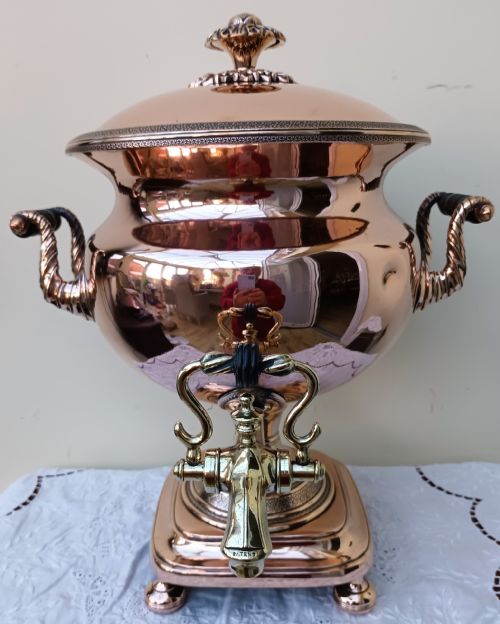
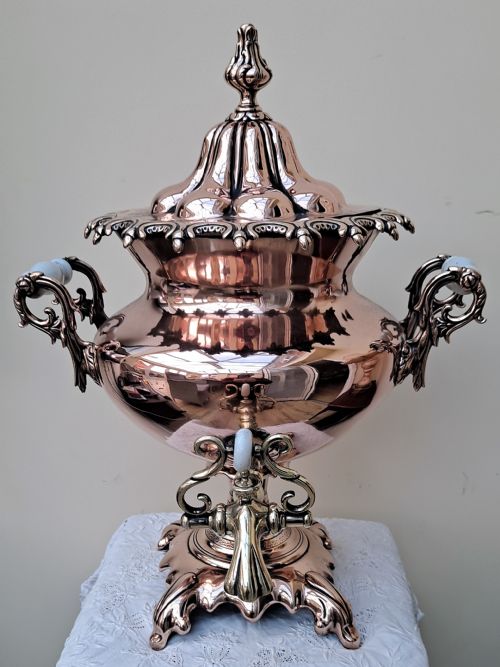
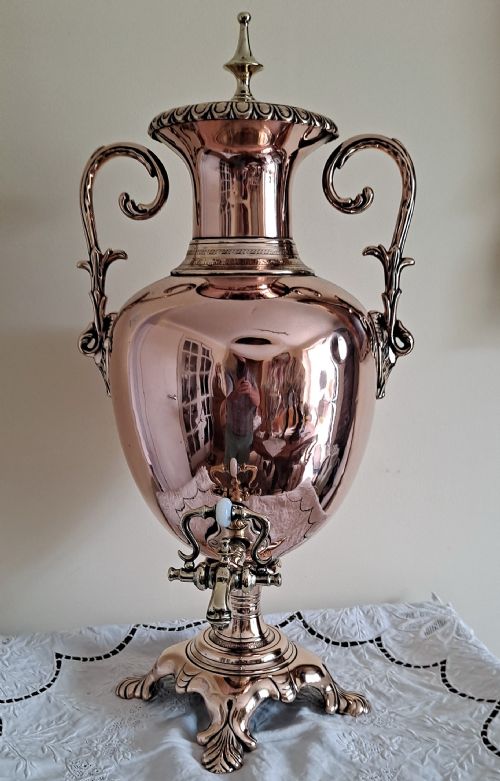
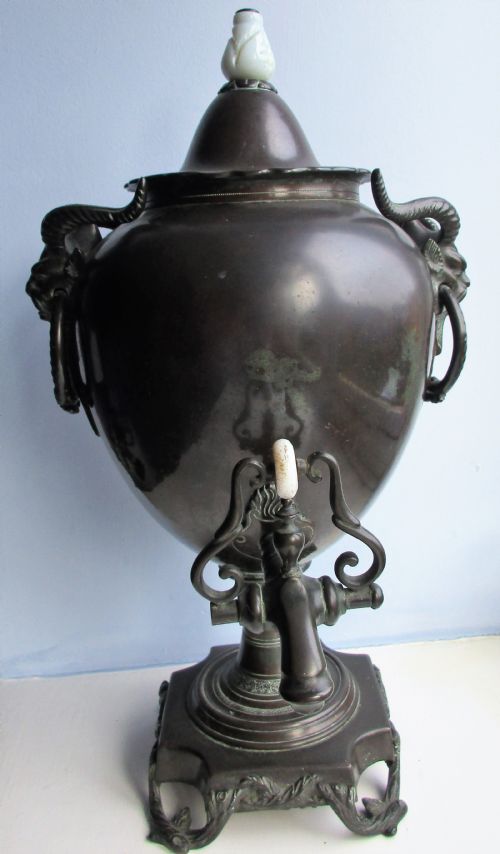
Metals form the core of these pieces, with copper and brass appearing frequently alongside silver plate, pewter, and bronze. Artisans often combined these materials, pairing copper bodies with brass taps and handles.
Surface treatments add distinct character, including japanning in Pontypool ware, cloisonné enamel, and ebonised wood or bone details on handles and spigots. Original fittings and internal components demonstrate the specialised metalworking techniques of each era.
Antique Metal Samovar Retail Price Guide 2026
Typical asking prices for metal samovar among the pieces listed under this phrase on Sellingantiques today, from the lower quarter to the upper quarter. They describe what is for sale here now, not the wider market.
Listings feature copper and brass prominently, alongside silver plate, pewter, and bronze across the Georgian and Victorian eras.
Distinctions in quality and execution
The distinction between standard examples and the finest pieces lies in the crispness of the chasing, the weight of the metal, and the presence of original fittings. Ornate detailing and harmonious proportions separate utilitarian vessels from grand display pieces.
The integrity of the construction, such as intact taps, well-joined seams, and preserved surface finishes like bronzing or silver plating, determines the overall calibre of a samovar.
Walker and Hall·Benetfink and Co
The Antique Metal Samovar Glossary
- Samovar
- A heated metal container traditionally used to boil and heat water in Russia and across Europe. These vessels typically feature an internal central tube for solid fuel.
- Tea Urn
- A large, footed metal vessel designed for holding and dispensing hot tea. They are frequently found in Georgian and Victorian dining settings.
- Kraantjeskan
- A traditional Dutch brass or pewter water or coffee urn featuring a spigot and often three legs. These vessels date back to the eighteenth century.
- Pontypool Ware
- Japanned metalware produced in Wales and England, known for its durable and glossy lacquered finishes. Pieces often imitate Japanese lacquer techniques.
- Spirit Kettle
- A small kettle mounted on a stand with an integrated spirit burner for heating water at the table. They share operational similarities with larger samovars.
Antique Metal Samovar: Frequently Asked Questions
How do I use a vintage samovar?
Most antique metal samovars are intended for decorative display rather than daily domestic use. Modern plumbing and heating methods mean these historic vessels serve best as interior focal points.
If you wish to display one, place it on a sturdy sideboard or table where its metal surfaces and original taps can be admired.
What is the difference between an urn and a samovar?
While both vessels hold and dispense hot water, a traditional samovar often includes an internal vertical tube for heating. Tea urns generally rely on external heat sources or simply serve brewed tea.
In marketplace listings, these terms often overlap depending on the region and the presence of a tap.
How do I date a copper samovar?
Dating relies on stylistic clues such as the neoclassical proportions of the Georgian period or the heavier ornamentation of the Victorian era. Manufacturing marks, screw types, and construction seams also offer chronological hints.
Comparing the piece to documented examples from makers like Walker and Hall helps narrow down the decade.
Are replacement fittings common?
Many surviving pieces retain their original brass taps, handles, and internal components, which adds to their collector value. Replacements do occur over centuries of use and repair.
Examining the patina and wear around the fittings helps determine if the components are contemporary with the main body.