


Antique Metal Jug
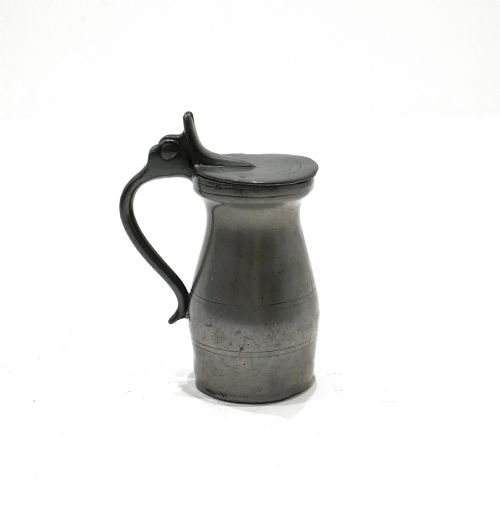
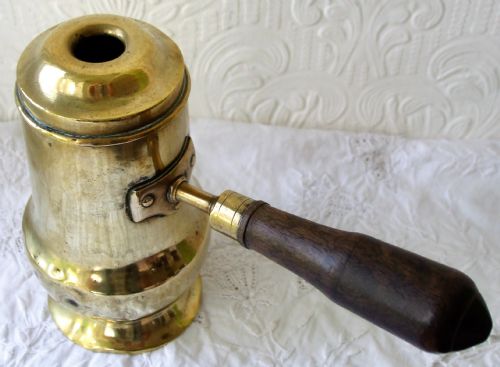
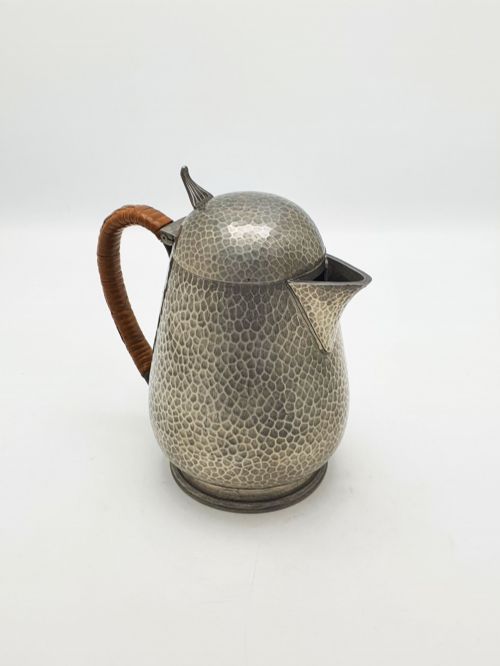
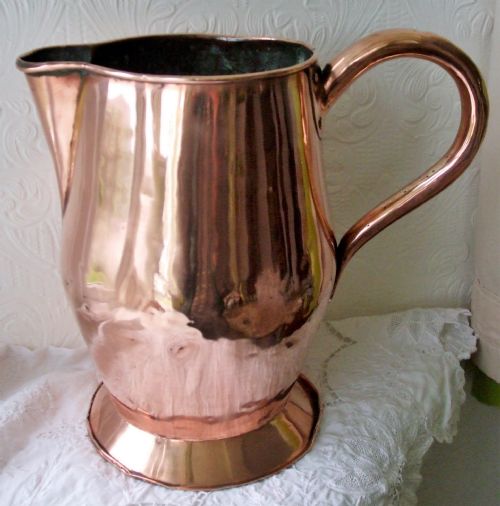
An antique metal jug brings domestic utility and decorative weight into a room, spanning humble tavern measures to ornate bronze ewers.

Antique Metal Jug
The pieces on this page draw from Georgian and Victorian utility, stretching through the stylistic shifts of Art Nouveau and the honest construction of the Arts and Crafts movement. Form follows function closely, separating simple pint and gallon measures from slender Islamic aftabas and European biberon water vessels.
Domestic pieces often reflect regional British standards, such as Irish haystack measures and Scottish tappit hens, alongside continental European copper and bronze work. Every item carries the marks of daily use in homes, public houses, dairies, and churches.
Materials and construction
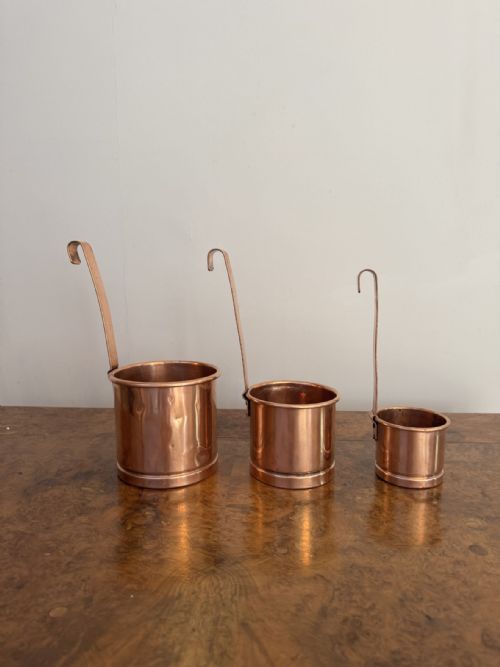
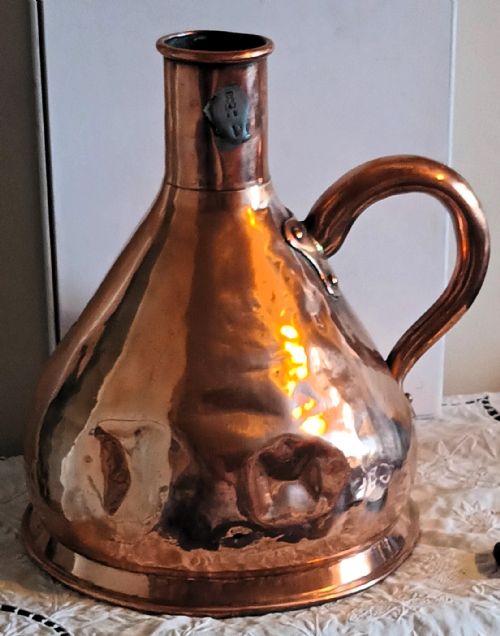
Makers formed the body of these jugs primarily from heavy copper, hammered brass, and cast or spun pewter, utilising lead and bronze for specialised vessels. Sheet copper allowed for large, seamless gallon measures and tall harvest jugs, often shaped over wooden blocks and joined with visible seams.
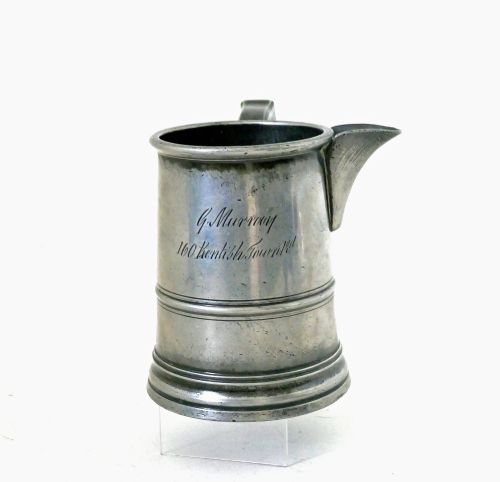
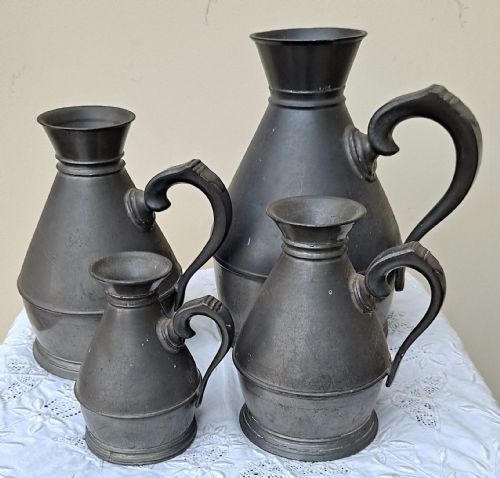
Pewter vessels relied on metal casting in moulds, producing thick walls for lidded measures and church flagons that required durability in daily service. Surface decoration ranges from simple touchmarks and capacity engravings to chased floral reliefs, enamel highlights, and applied cane handles.
Antique Metal Jug Retail Price Guide 2026
Typical asking prices for metal jug among the pieces listed under this phrase on Sellingantiques today, from the lower quarter to the upper quarter. They describe what is for sale here now, not the wider market.
Some jugs arrive bearing the ghosts of old tavern tabs scratched into the metal by thirsty patrons.
Judging the work
Quality rests in the weight of the metal, the balance of the handle, and the crispness of any cast or hammered ornament. Thicker gauge copper and heavy-gauge pewter retain their structural integrity better through centuries of handling.
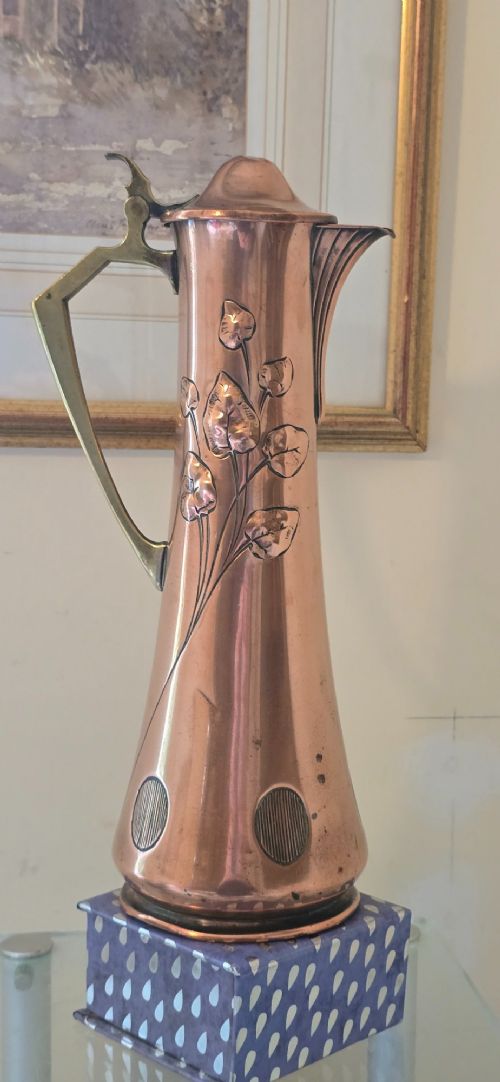
Design distinction elevates certain pieces, particularly those bearing the output of known workshops in the Arts and Crafts style or precise touchmarks from regional pewterers. Integrity of surface, minimal repair, and retained original handles or lids separate standard utilitarian vessels from exceptional collectors' examples.
Joseph Sankey·John Heaney·Archibald Knox·Liberty and Co·J. Bower
The Antique Metal Jug Glossary
- Ewer
- A large jug with a wide spout and arched handle, traditionally used for pouring water.
- Tappit hen
- A traditional Scottish pewter measure with a distinctive lidded top and pot-belly form.
- Haystack measure
- An Irish or English pewter liquid measure shaped with a tapered body resembling a stacked heap of hay.
- Aftaba
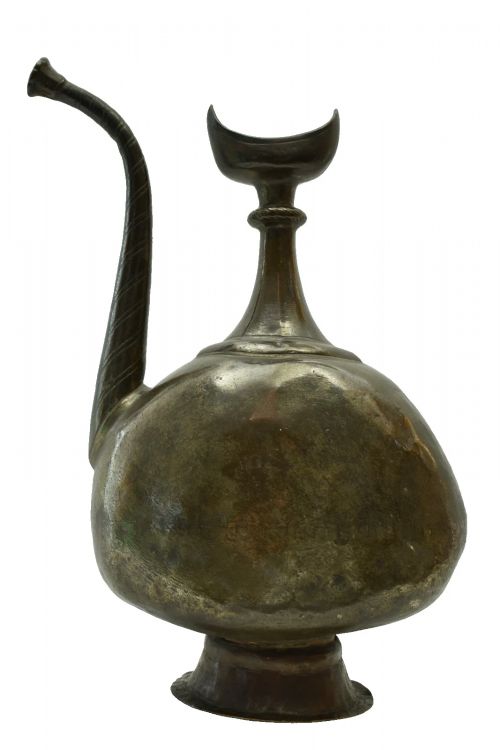
- A traditional metal ewer or pitcher originating from Islamic regions, often featuring a long spout and crescent finial.
- Tudric
- The trade name used by Liberty and Co for pewter wares produced during the Arts and Crafts period.
- Flagon
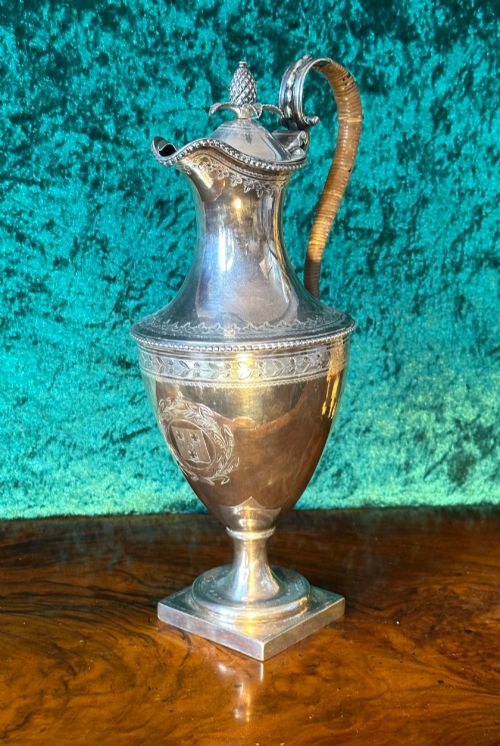
- A large vessel with a handle and lid, historically used for holding ale or wine during meals and church services.
Antique Metal Jug: Frequently Asked Questions
What is an antique metal jug?
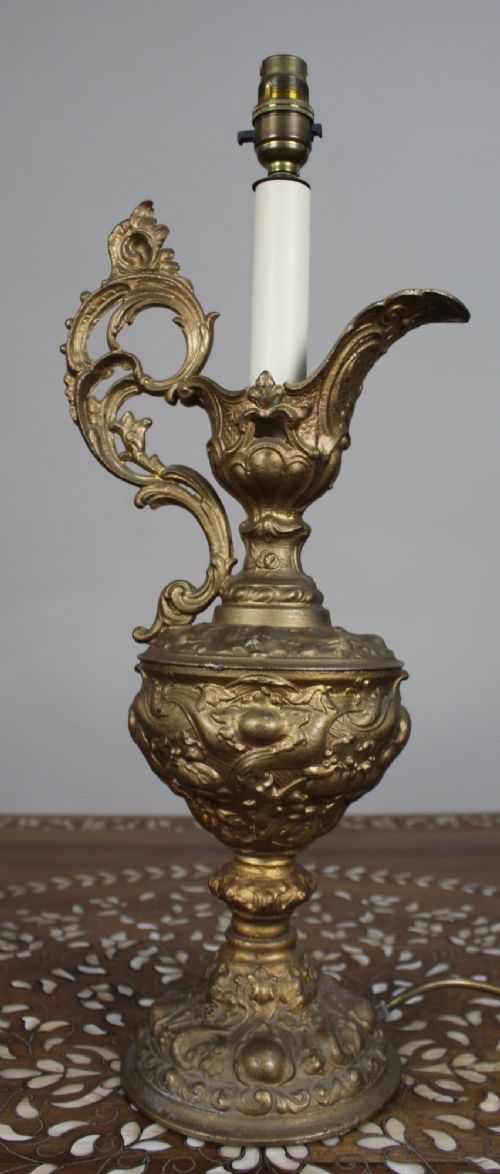
These pieces are historic vessels fashioned from copper, brass, pewter, and bronze to hold and pour liquids. They range from utilitarian tavern tankards and dairy cans to decorative table lamps and continental ewers.
Buyers choose them for their robust materiality and sculptural forms, which anchor period and eclectic interiors alike.
How were pewter jugs used?
Pewter jugs served primarily as liquid measures and drinking vessels in domestic homes and public houses. Lidded variants kept ale and spirits secure, while larger flagons transported wine or water for the table.
Church flagons held sacramental wine, reflecting the widespread reliance on metal containers before mass glass production.
How do I care for antique copper and pewter?
Maintenance requires minimal intervention to preserve the natural patina accumulated over centuries. Dusting with a soft cloth and keeping the metal away from damp environments prevents active corrosion.
Harsh chemical polishes should be avoided, as they strip away the historic surface character that collectors value.
How can I tell Georgian jugs from Victorian ones?
Georgian examples often display simpler, heavier utility lines associated with tavern life and domestic food preparation. Victorian pieces frequently introduce greater ornamentation, capacity verification stamps like the Crown VR mark, and industrial manufacturing techniques.
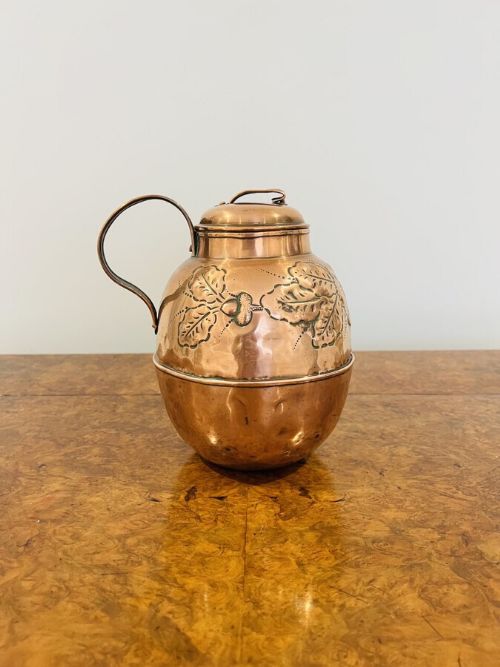
Art Nouveau and Arts and Crafts pieces from the late nineteenth century onward embrace organic motifs and visible hand-hammered textures.