




Antique Metal Inkwell
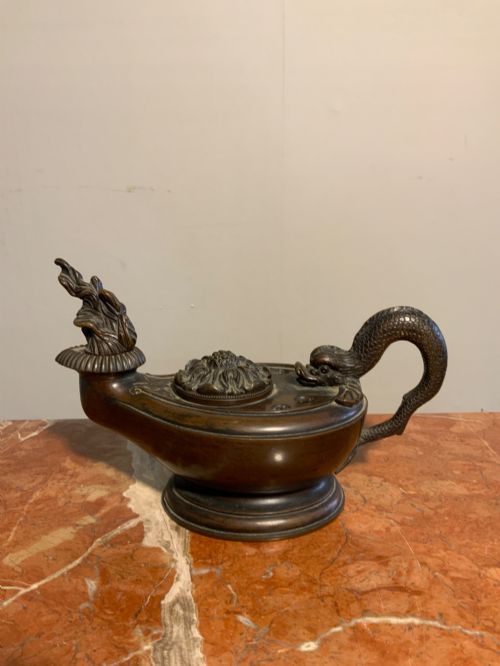
When you handle an antique metal inkwell, you hold a desk accessory shaped from bronze, brass, pewter, or marble that once served the daily work of writing.
Antique Metal Inkwell
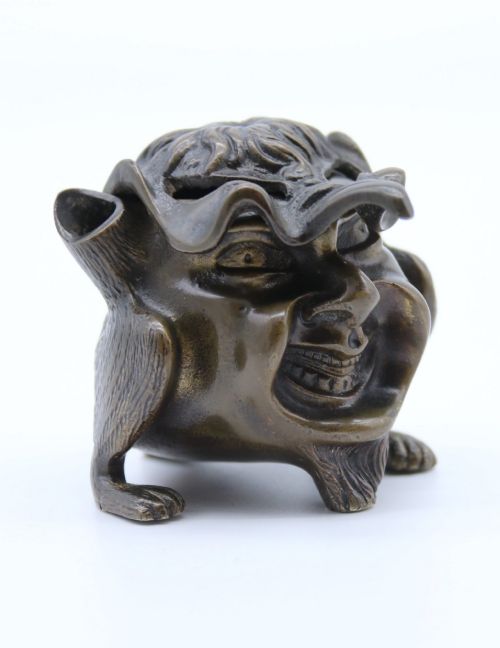
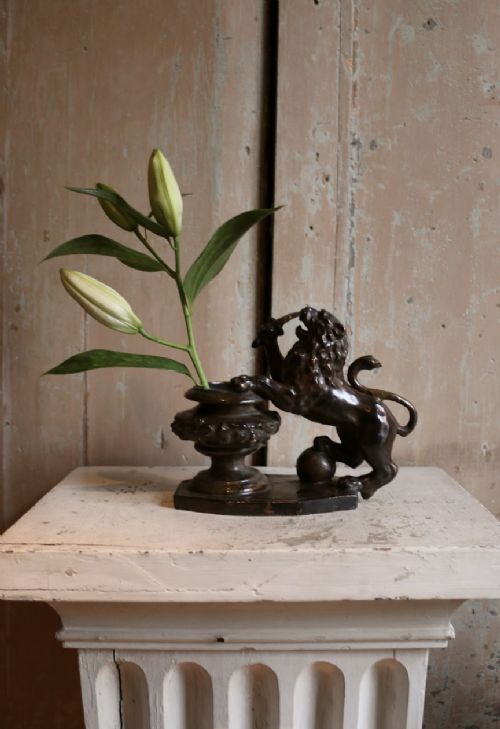
An antique metal inkwell covers everything from simple seventeenth-century vessels and ships' pewter dome lids to elaborate nineteenth-century grand tour bronze pieces and French marble ormolu ink stands. You encounter single reservoirs alongside triple inkwells, desk sets, and figural models depicting animals, clowns, and architectural structures.
The objects span centuries of desk accessories, reflecting changing tastes from Baroque and Georgian formality through Victorian exuberance to the flowing lines of Art Nouveau and Arts and Crafts designs.
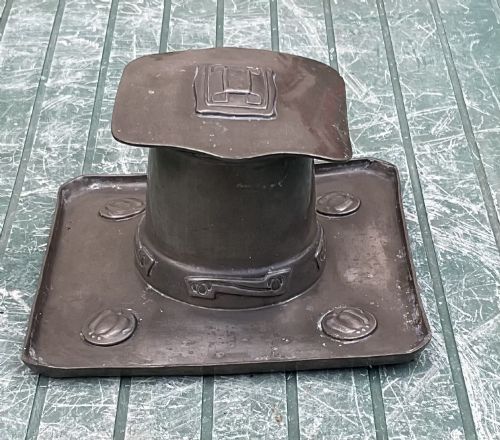
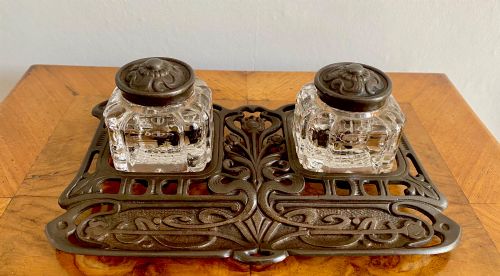
Most examples you meet on this page date from the nineteenth and early twentieth centuries, particularly around nineteen hundred, utilising metals paired with glass liners, ceramic cabochons, and stone bases.
Materials and Construction
Maker workshops cast metals including bronze, brass, pewter, and copper, often employing cold-painted techniques on Austrian bronzes or adding gilded finishes and ormolu mounts to marble bases.
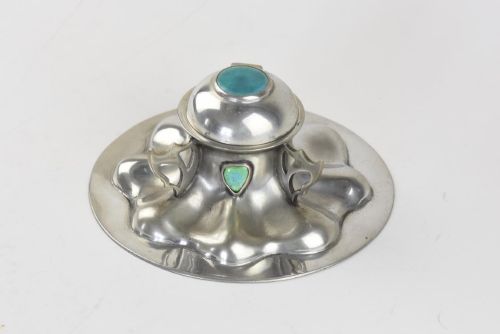
Many designs incorporate functional glass inserts or original ink bottles held within metal frames, alongside decorative elements such as Ruskin cabochons, inlaid boulle work, and carved stone.
Listings feature periods spanning from the seventeenth century through the Victorian era to early twentieth-century Art Nouveau and Arts and Crafts movements.
Distinctions in Quality
Pieces bearing distinct attribution to known designers and makers, or those employing complex multi-part constructions like cold-painted polychrome finishes, separate standard utilitarian desk items from exceptional studio pieces.
Archibald Knox·William Hutton·Franz Bergmann·W M F·Albert Marionnet·Zimmermann·Maurice Dufrene·Elkington
The Antique Metal Inkwell Glossary
- Ormolu
- A gilded bronze finish applied to decorative mounts and stands. It provides a bright golden surface popular in French desk sets.
- Cold-painted bronze
- A technique where bronze figures receive paint without high-temperature firing. This finish appears frequently on Austrian animal and figural inkwells.
- Pewter
- A malleable tin-based alloy used historically for utilitarian vessels. English ships inkwells often utilise this durable metal.
- Cabochon
- A polished, convex gem or ceramic insert without facets. Arts and Crafts pieces occasionally feature these decorative stones.
- Grand tour
- A period of European travel undertaken by the elite in the eighteenth and nineteenth centuries. Souvenirs from these journeys included bronze architectural models adapted as desk pieces.
Antique Metal Inkwell: Frequently Asked Questions
What materials make up an antique metal inkwell?
These desk pieces incorporate cast metals including bronze, gilded bronze, brass, copper, and pewter. Many designs also feature stone bases such as marble and onyx, alongside glass ink inserts.
Makers frequently combined these elements, pairing metal frames with ceramic cabochons or original glass bottles to create functional desk sets.
Were all inkwells used on ships?
Only specific designs, known as ships inkwells, served maritime use. These typically feature dome lids and weighted or gimballed pewter bodies designed to prevent spills at sea.
Standard desk pieces made for stationary writing desks remained in homes and offices, taking the form of architectural models, figural animals, or simple single reservoirs.
What is a grand tour inkwell?
Grand tour pieces are desk accessories fashioned as miniature architectural monuments or classical ruins purchased by travellers abroad. They translate famous structures, such as Roman temples, into bronze ink stands.
These objects reflect nineteenth-century collecting habits and bring classical motifs directly onto the writing desk.