


Hand Hammered Pewter
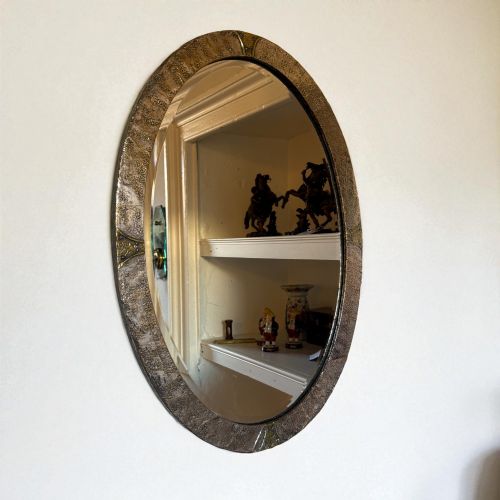
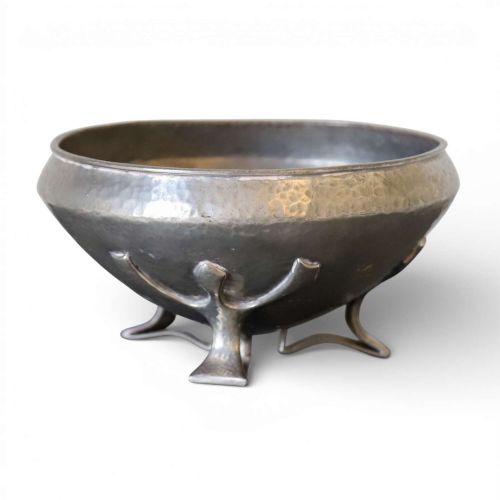
These hand hammered pewter pieces bring tactile Arts and Crafts character to a room through their distinct beaten metal surfaces.
Hand Hammered Pewter
When you search for hand hammered pewter, you find domestic objects and decorative items shaped by hand during the late nineteenth and early twentieth centuries. The pieces on this page span the Arts and Crafts and Celtic Revival movements, reflecting a period of intense artistic interest in metalwork.
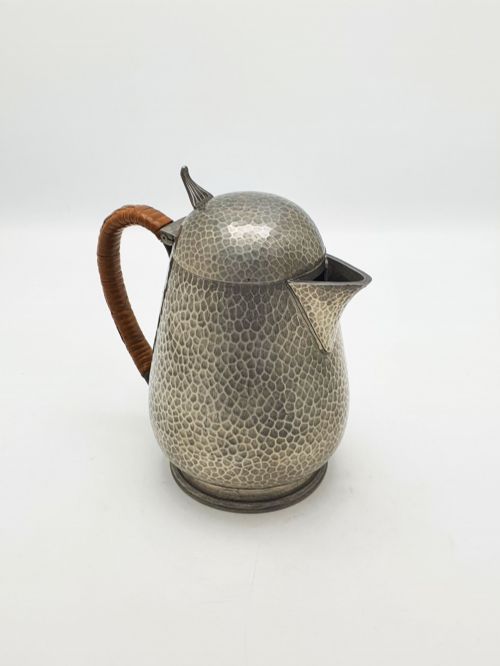
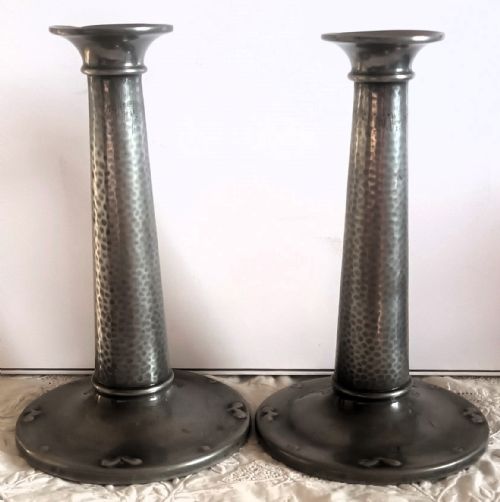
You are most likely to meet tableware and decorative accessories, including bowls, dishes, candlesticks, jugs, coffee pots, and boxes. Many bear the distinct influence of Liberty and Co, whose Tudric line dominates the available forms.
The aesthetic prioritises visible labour and honest materials over machine polish. Surfaces often show the direct marks of the hammer, recording the physical process of raising the metal from a flat sheet into a hollow form.
How they were made
Craftsmen shaped these items using pewter alloy, hammering the metal over wooden stakes to create hollowware vessels and plates. This process requires precise control to maintain even thickness while leaving the characteristic textured facets across the surface.
Designers frequently integrated contrasting materials into the metal framework. Cane is wrapped around handles for insulation and grip, while vibrant enamel panels and coloured glass inserts provide sharp accents against the dull grey sheen of the pewter.
What varies in quality
Quality rests in the harmony of the design and the sensitivity of the hammering. Stronger pieces display confident proportions and rhythmic hammer marks that complement the silhouette rather than overwhelming it.
The involvement of known designers and retail firms elevates a piece significantly. Work associated with figures like Archibald Knox or Oliver Baker demonstrates a sculptural clarity that sets it apart from anonymous production.
Liberty and Co·Oliver Baker·Archibald Knox
The Hand Hammered Pewter Glossary
- Tudric
- The trade name used by Liberty and Co for their range of pewterware produced from the early twentieth century onwards. It was often designed by notable artists associated with the Arts and Crafts movement.
- Arts and Crafts
- A design movement valuing traditional craftsmanship, simple forms, and medieval decoration over industrial mass production. It flourished from around the late nineteenth century into the early decades of the twentieth century.
- Celtic Revival
- An artistic movement drawing inspiration from ancient Irish and Scottish metalwork and manuscript illumination. Pieces in this style frequently incorporate interlaced knotwork and stylized motifs.
- Beaten pewter
- Metalwork finished with visible hammer blows across the surface. This technique creates a textured light-reflecting quality unique to hand-wrought items.
- Hollowware
- Metal vessels such as jugs, pots, bowls, and chalices formed by raising or spinning. They require considerable skill to construct without joints.
Hand Hammered Pewter: Frequently Asked Questions
What is Tudric pewter?
Tudric is the specific brand name used by Liberty and Co for their high-grade pewter items sold during the twentieth century. These pieces were often designed by leading artists of the period.
The alloy used for Tudric items contained a higher proportion of silver, which helped the metal retain a bright finish and resisted the tarnishing common in cheaper wares.
How do I clean pewter?
Pewter requires gentle cleaning with warm soapy water and a soft cloth to preserve its natural patina. Avoid harsh commercial metal polishes that can strip away the historic surface.
Dry the piece thoroughly with a lint-free cloth after washing to prevent water spots from forming on the soft metal.
Are these pieces marked?
Many items carry stamped makers marks, model numbers, or retailer stamps on the base. Liberty Tudric pieces typically display a specific model number alongside the trade name.
Some smaller or earlier domestic items may be unmarked, relying entirely on their style, weight, and construction techniques for identification.
Why is cane used on handles?
Cane was wrapped around the metal handles of coffee pots and jugs to provide insulation against heat. This practical measure ensured the user could pour hot liquids comfortably.
At the same time, the natural texture and golden tone of the cane offered a deliberate visual contrast to the cool grey pewter.