


Antique Metal Coal Container
An antique metal coal container brings sturdy Victorian and Edwardian utility right to the hearth.
Antique Metal Coal Container
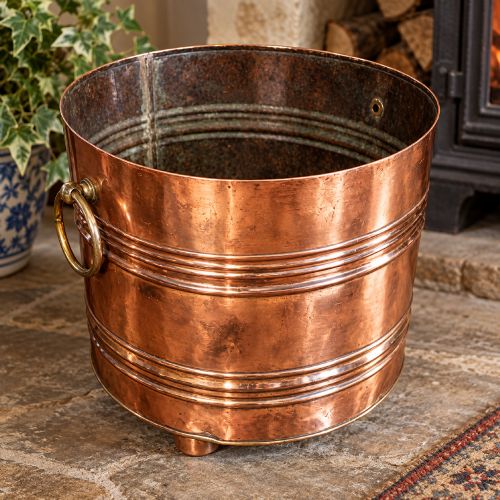
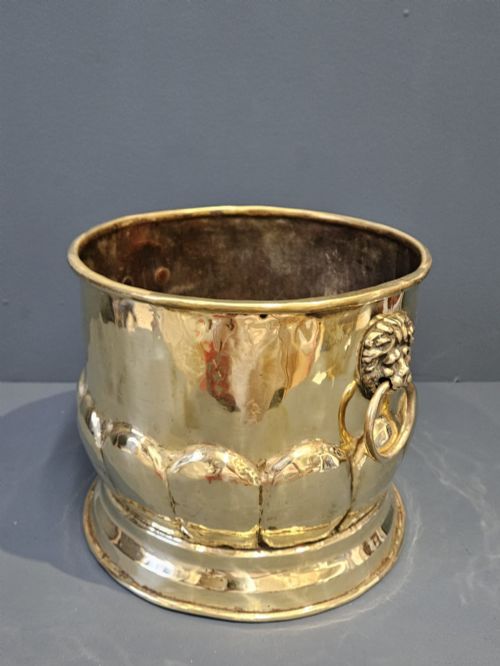
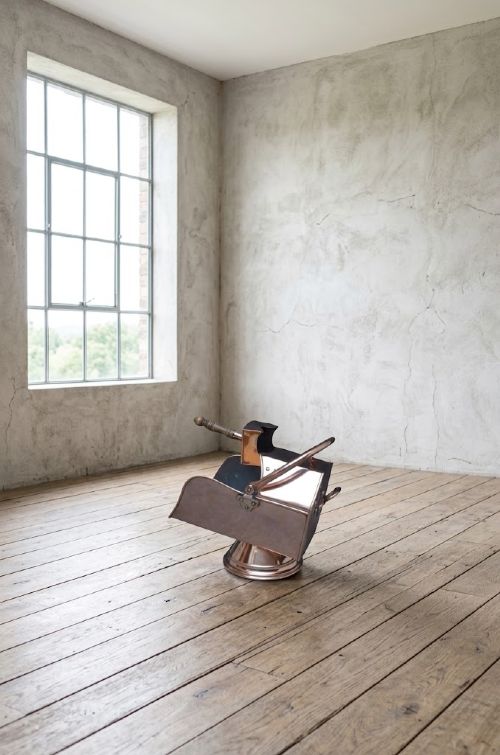
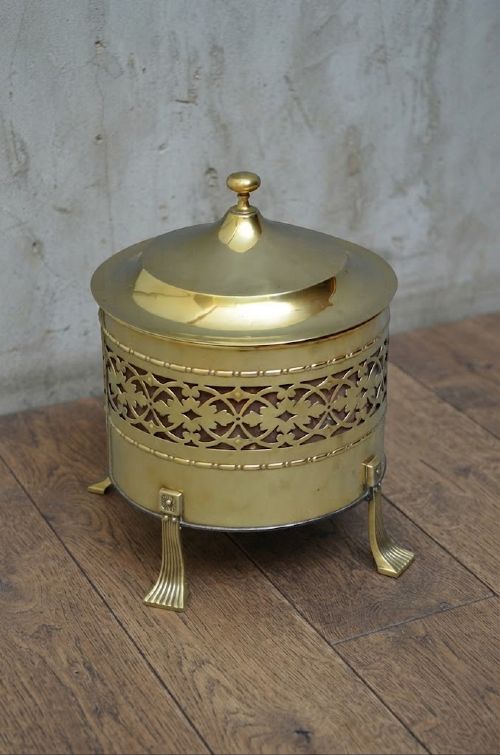
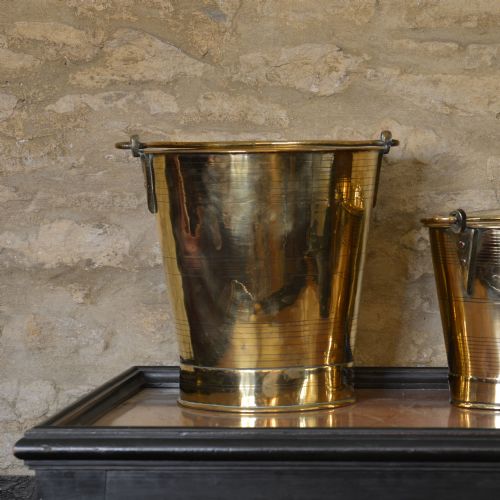
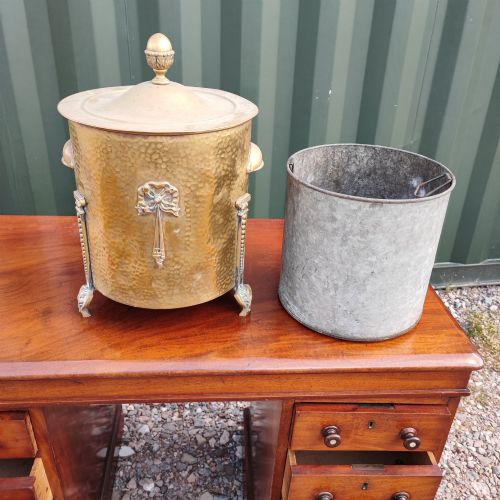
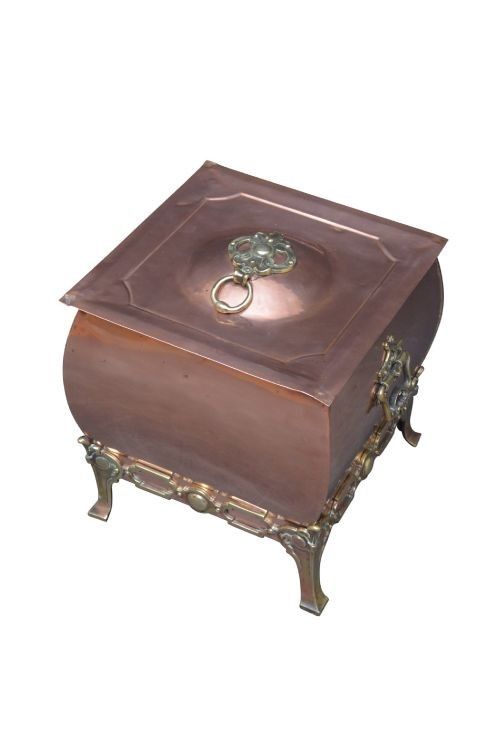
An antique metal coal container serves as a fireside utility piece designed to hold fuel next to the hearth. Buyers searching for an antique metal coal container will find robust fireside accessories taking forms such as buckets, scuttles, helmets, and log bins.
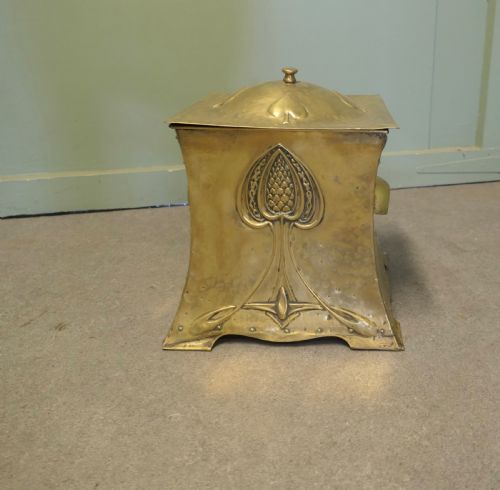
The pieces on this page stem predominantly from the Victorian and Edwardian eras, stretching from the mid-nineteenth century into the early twentieth century. Common stylistic expressions include Arts and Crafts, Art Nouveau, and Regency designs executed in heavy metals.
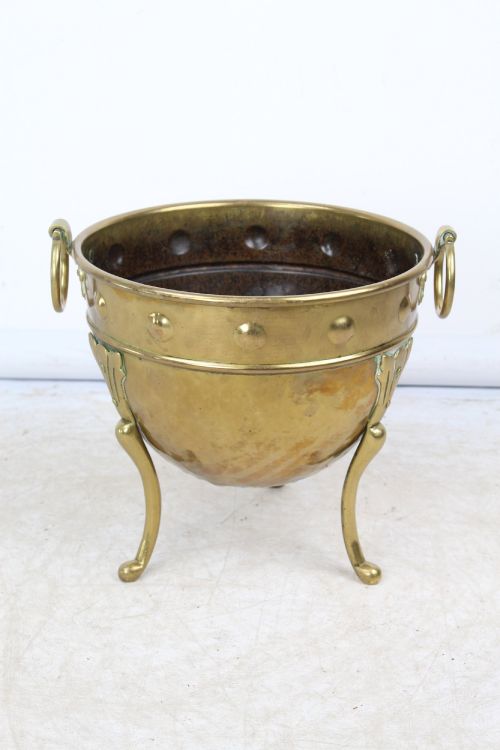
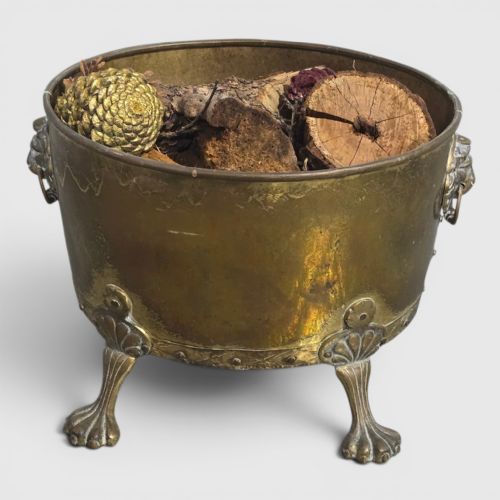
Beyond standard domestic scuttles, many examples double as planters or log stores. Their dual utility and heavy metal construction ensure they remain practical household objects today.
How they were made
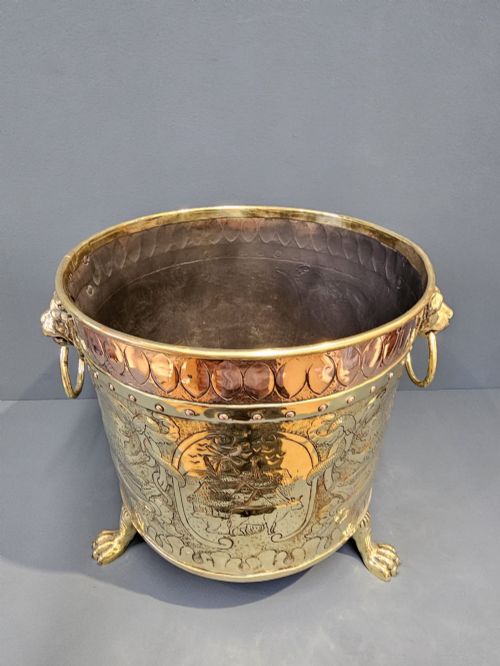
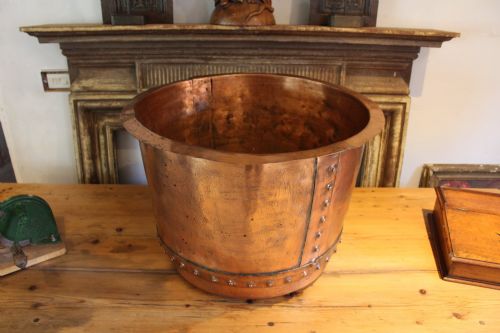
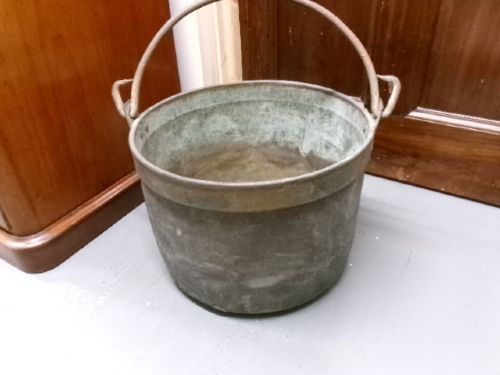
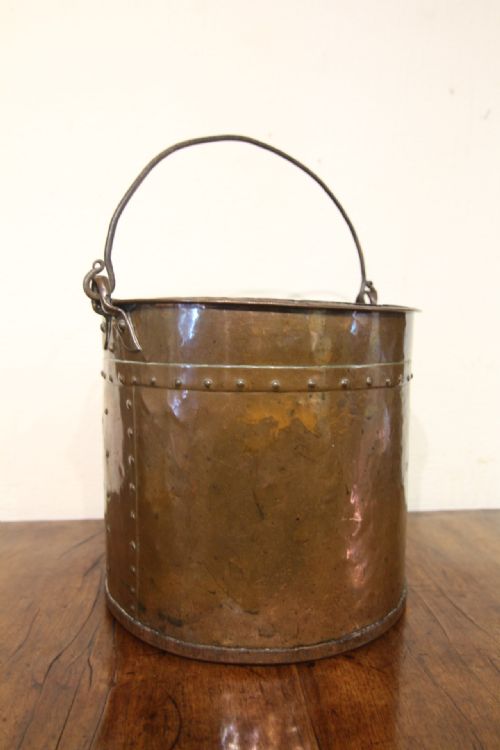
Craftsmen built these containers using durable metals like brass, copper, wrought iron, and standard iron, often pairing different metals for decorative contrast. Rivets, hand-beaten surfaces, and embossed details define the construction of copper and brass vessels.
Iron frames and wrought handles provide structural strength to large log bins and buckets. Some items incorporate wooden elements or painted tolewears alongside the primary metal body.
Decorative techniques range from hammered Arts and Crafts textures and Art Nouveau floral motifs to applied tavern scenes and fretwork designs.
Certain coal boxes come complete with their original brass shovels, ready for a Victorian fire that went out over a century ago.
What varies in quality
Quality rests in the weight of the metal, the crispness of embossed or hand-hammered decoration, and the integrity of structural rivets and handles. Substantial gauge brass and thick riveted copper distinguish superior workshop production from lighter domestic items.
The presence of original fittings, such as matching shovels, interior liners, and sturdy swing handles, elevates an example. Maker attributions to established metalworkers also mark out the finer tiers of survival.
Henry Loveridge·William Soutter & Sons·Petrus Ramus
The Antique Metal Coal Container Glossary
- Coal scuttle
- A container with a sloped opening and a handle, designed for carrying and pouring coal onto a fire. These often take a helmet shape.
- Log bin
- A large freestanding cylindrical or rectangular vessel intended for storing firewood beside the hearth. They frequently feature iron frames or riveted seams.
- Toleware
- Japanned or painted sheet metal items produced to imitate oriental lacquerware. This technique appears on select decorative containers.
- Dinanderie
- The traditional craft of working brass, copper, and bronze into decorative household vessels. The term applies to heavy medieval-style or continental jardinières and bins.
- Arts and Crafts
- A design movement prioritising handcraftsmanship and simple forms over mass production. Pieces in this style often display visible hammering and honest riveted construction.
Antique Metal Coal Container: Frequently Asked Questions
What is a coal scuttle?
A coal scuttle is a specialised metal container designed to hold coal near the fireplace for easy refueling.
They often feature a wide mouth and a hinged handle for carrying fuel safely to the hearth.
Can I use them as planters?
Many people repurpose these sturdy metal vessels to hold large indoor house plants or floral arrangements.
Their waterproof metal construction and decorative brass or copper exteriors suit them well to botanical display.
How do I clean brass and copper?
Maintenance usually involves gentle dusting and occasional wiping to preserve the natural aged patina.
Many collectors prefer to keep the historical surface oxidation rather than polishing the metal to a bright shine.
How do I date an antique metal container?
Dating relies on stylistic clues, manufacturing techniques like hand-riveting, and prevailing design movements such as Arts and Crafts or Art Nouveau.
Victorian and Edwardian examples often exhibit specific decorative motifs and heavier metal gauges than later reproductions.