
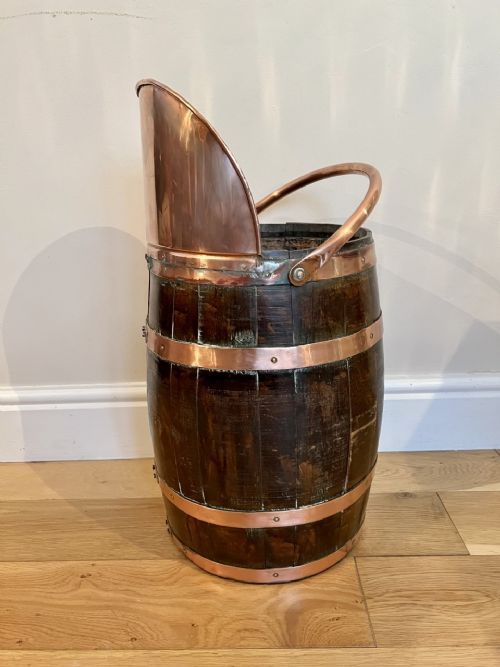


Edwardian Copper Coal Bucket
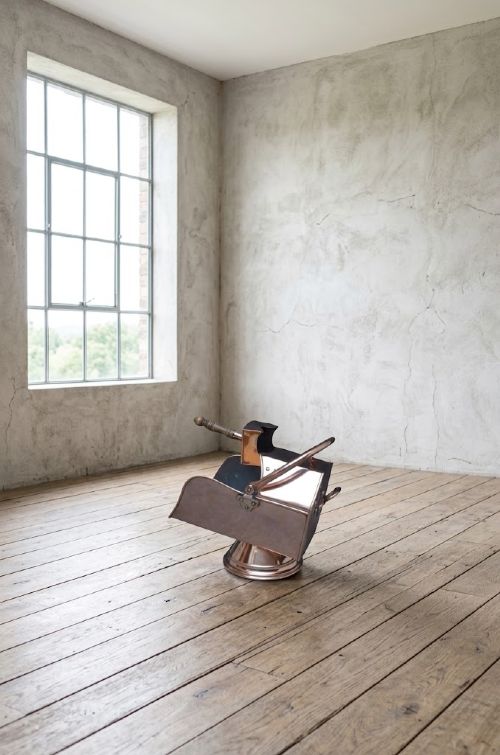
These edwardian copper coal bucket examples bring tactile warmth to a fireside through hammered metal and brass trim.

What an edwardian copper coal bucket is
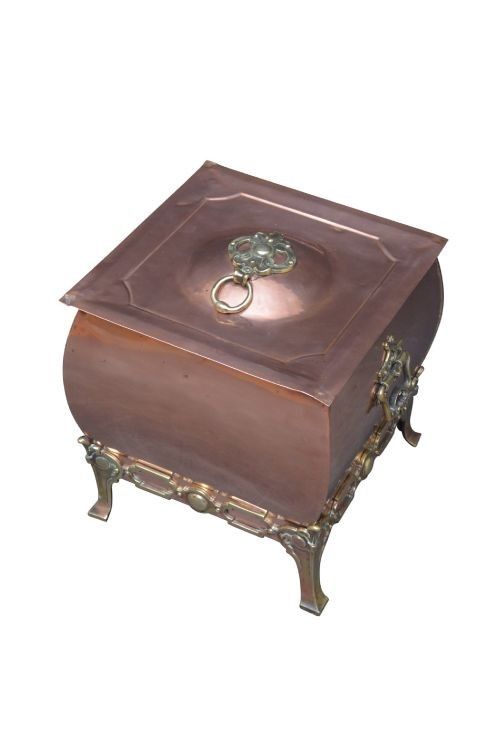
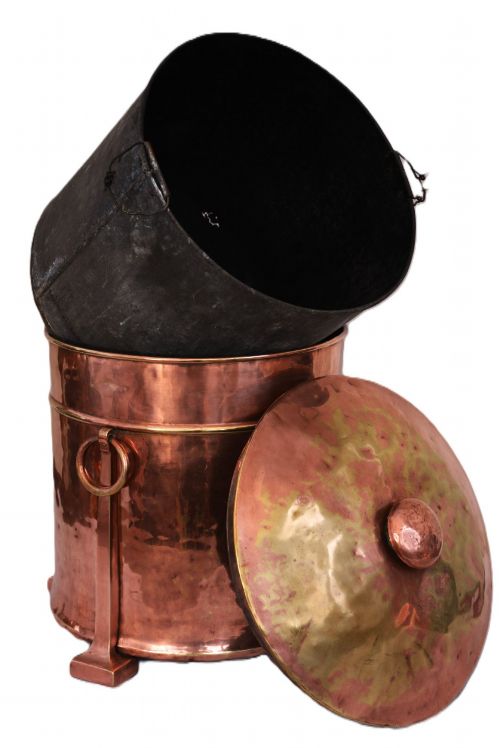
An edwardian copper coal bucket serves as a fireside container for fuel, taking forms such as coal helmets, bins, and log buckets. These practical vessels combine functional utility with decorative metalwork for the hearth.
The pieces appearing on this page span the Edwardian era and the nineteenth century, reflecting the styles of Arts and Crafts and Art Nouveau alongside standard period production.
Makers utilised durable copper bodies, often pairing them with brass handles, iron fittings, or oak staves to create sturdy containers intended for daily domestic use beside the fireplace.

How they were made
Metalworkers formed these containers from sheet copper, frequently employing hand-beating techniques that left visible hammer marks across the surface. Brass components, including swing handles and rims, were attached with rivets or screws to reinforce the structure.
Wood elements such as oak featured in bounded bucket designs, where metal bands secured wooden staves together in the manner of traditional cooperage.
Retail Price Guide 2026
Typical UK retail prices for edwardian copper coal bucket, calculated from the Sellingantiques database of over a million retail prices indexed since 2003. This retail price guide relies exclusively on Sellingantiques data; no external sources or auction records are used, so the figures do not describe the wider market.
Several buckets retain faint coal dust wedged into hammered dimples, proving they served actual fires before becoming decor.
What varies in quality
Quality in these pieces depends on the heft of the metal and the integrity of construction, distinguishing substantial workshop output from lighter mass-produced items. Heavier gauge copper maintains its shape better under the weight of coal or logs.
The refinement of decorative detailing also sets examples apart, seen in the clean sweep of an Art Nouveau curve or the deliberate texture of Arts and Crafts hand-beating compared to plain utilitarian stamping.
The Edwardian Copper Coal Bucket Glossary
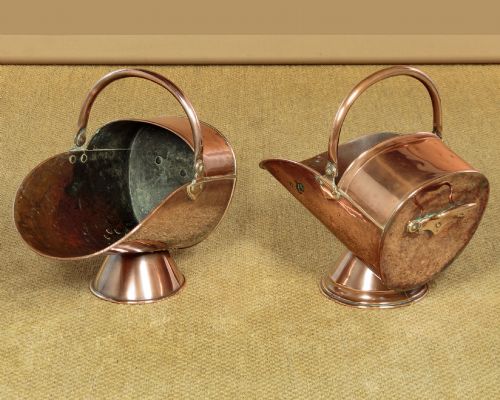
- Coal helmet
- A coal bucket featuring a high, sloping back and a jutting spout designed for pouring fuel cleanly onto a fire. This traditional shape originated in the eighteenth century and remained popular through the Edwardian period.
- Arts and Crafts
- A design movement valuing hand craftsmanship and visible material honesty over machine production. Objects in this style often display honest construction methods like exposed rivets and hand-hammered surfaces.
- Art Nouveau
- A decorative style characterised by flowing, organic lines and plant-inspired motifs. Metalwork from this movement uses whiplash curves and stylised floral patterns.
- Coopered
- A method of construction where curved wooden staves are bound together with metal hoops to form a round container. This technique derives from barrel-making traditions.
Frequently Asked Questions
What is a coal helmet?
A coal helmet is a specific bucket shape with a high back and a pointed lip designed for pouring.
This form made transferring fuel to the hearth tidy and straightforward.
Can I use these for logs?
Many examples function equally well for holding logs or kindling beside the fireplace.
Sturdier builds handle heavier wood without structural strain.
How do I clean copper?
Gentle washing with warm soapy water preserves the aged surface without stripping the character.
Harsh chemical polishes remove the natural darkening that accumulates over decades of use.
Are these pieces waterproof?
Some designs double as planters or general containers, though riveted seams may weep over time.
Liners are advisable if holding damp vegetation or wet wood.