
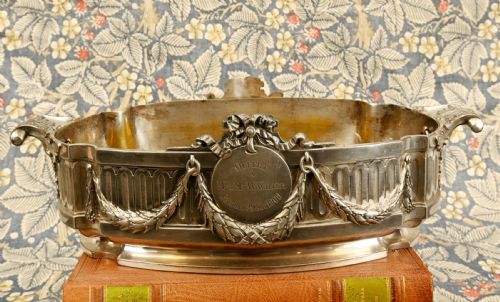

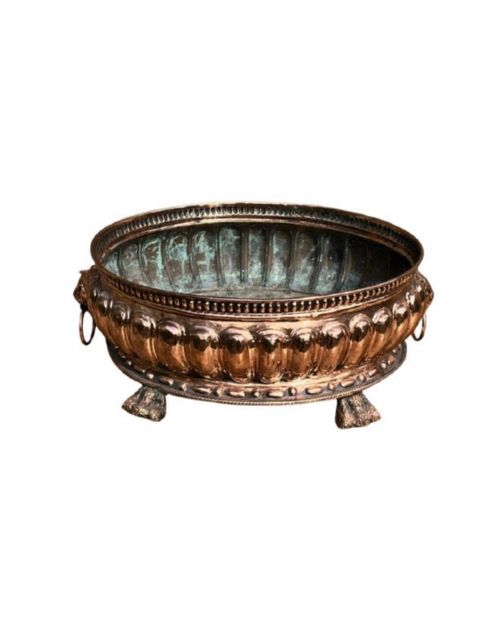

Antique Metal Centerpiece Bowl
An antique metal centrepiece bowl anchors a dining table with substantial presence, combining practical service with sculptural weight.
Antique Metal Centerpiece Bowl
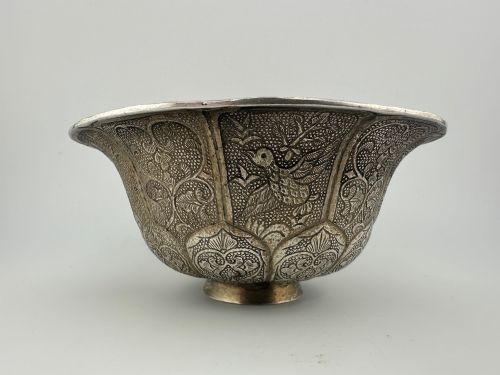
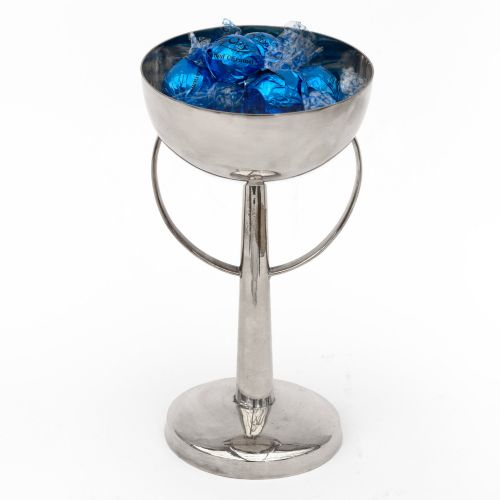
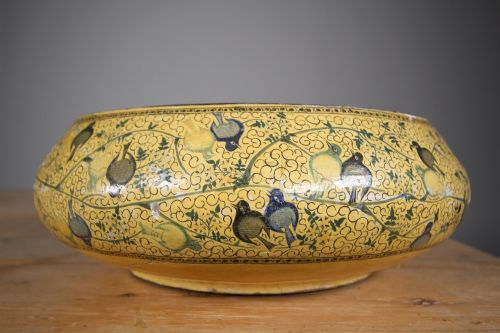
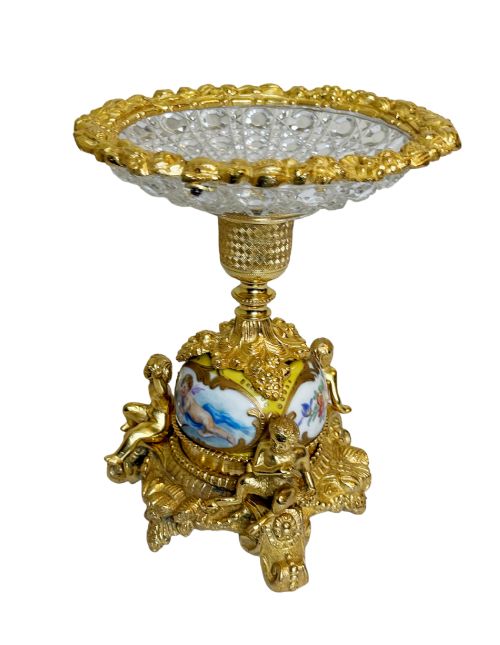
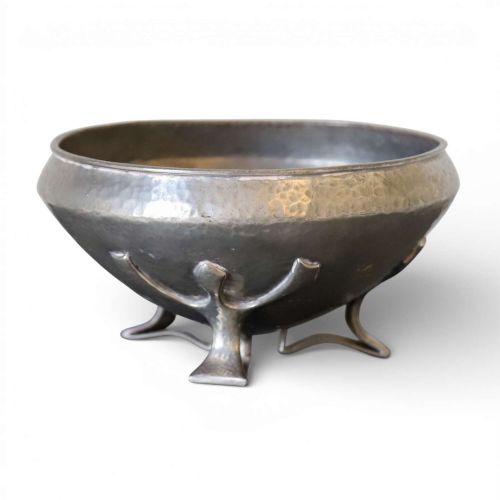
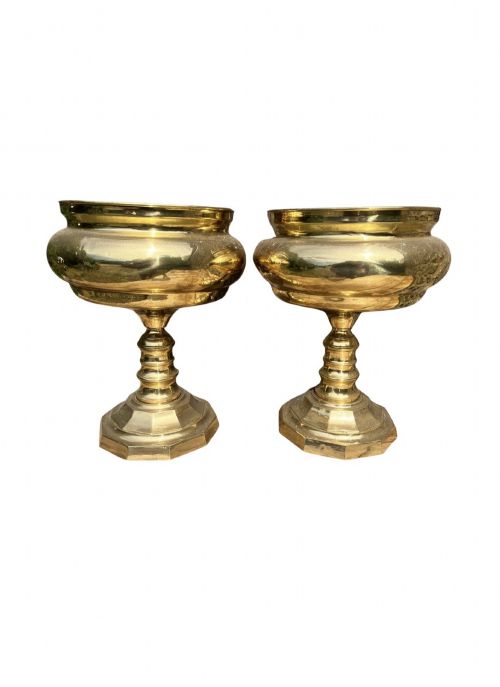
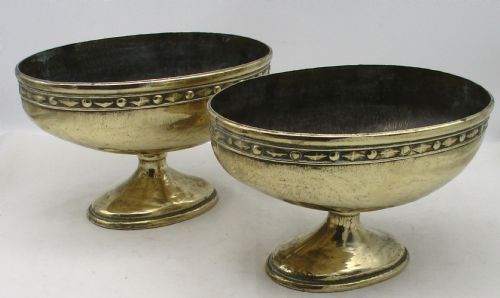
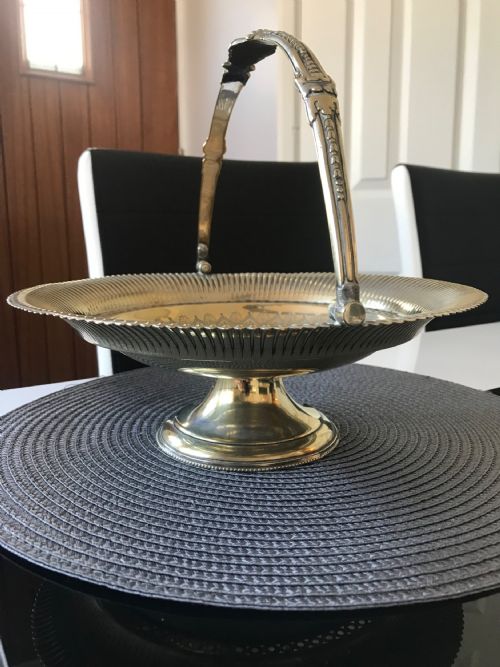
An antique metal centrepiece bowl serves as a table focal point, taking the form of decorative vessels, tazzas, pedestal bowls, and fruit baskets. When searching for an antique metal centrepiece bowl, buyers encounter diverse iterations spanning the nineteenth and early twentieth centuries.
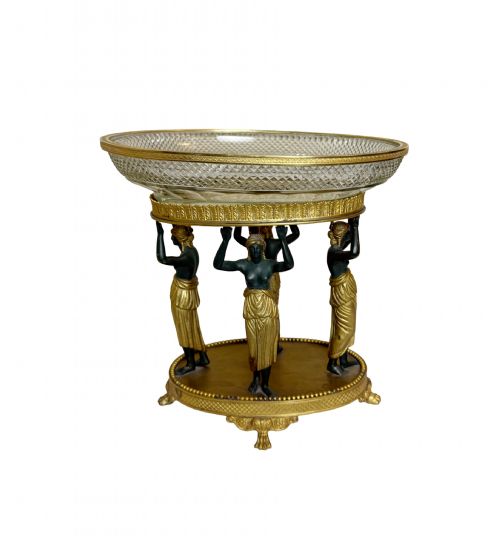
The selection encompasses French Empire, Art Nouveau, Arts and Crafts, and Neoclassical designs. Objects range from heavy cast bronze and gilt brass to hammered pewter and silver plate.
Origins stretch across Europe and Asia, featuring works from English workshops, French foundries, Italian studios, and Chinese export makers.
Materials and construction
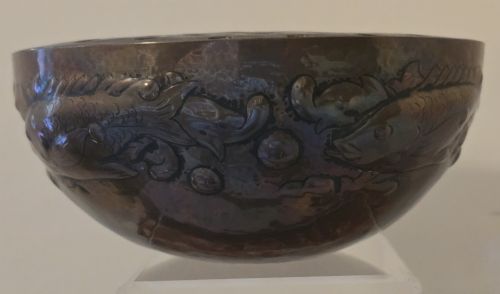
Metals such as brass, copper, bronze, and pewter form the primary structure, often shaped through casting, hammering, or spinning. Silver plating provides a reflective surface over base metals, while gilding adds rich surface colour to bronze components.
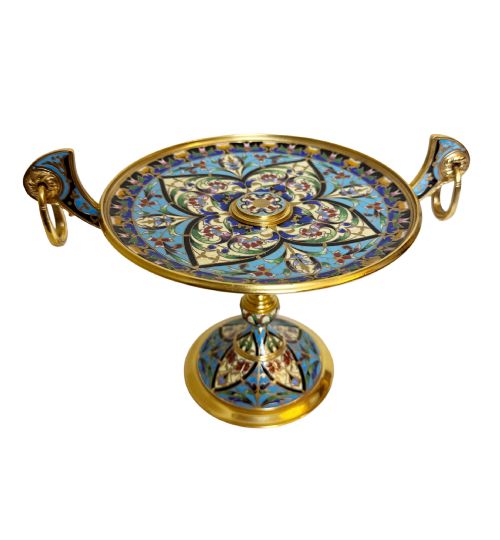
Decorative detailing incorporates champleve enamel, cut crystal inserts, agate cabochons, and ceramic elements like Ruskin cabochons. Assembly methods combine riveted joints, threaded fittings, and lost-wax casting for figural elements.
Several pieces incorporate winged cherubs, lion masks, or hidden clover flowers right along the rim.
Assessing quality
Quality rests in the crispness of the casting and the depth of hand-finishing on chased surfaces. Heavier gauge metals and substantial weight indicate superior structural integrity in pedestal bowls and tazzas.
The integration of secondary materials, such as genuine hardstone cabochons, hand-cut crystal, or enamel work, distinguishes ambitious studio pieces from standard production items.
Liberty & Co·Oliver Baker·Lerolle Fres·WMF·Newlyn Copper
The Antique Metal Centerpiece Bowl Glossary
- Tazza
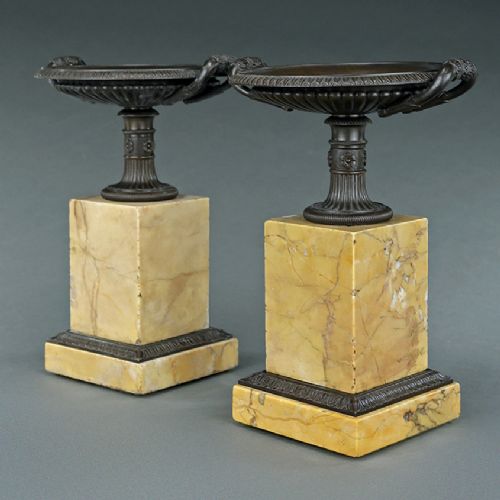
- A shallow bowl or cup mounted on a stem and foot, designed for serving fruit or sweets on a table. This pedestal format elevates the display above the table surface.
- Champleve
- An enamelling technique where troughs or cells are sunk into the surface of a metal object and filled with vitreous enamel before firing. The surrounding metal lines frame the coloured glass design.
- Jardiniere
- A large ornamental pot or bowl intended to hold growing plants or floral arrangements. These vessels often feature waterproof liners or heavy metal construction to handle moisture.
- Cabochon
- A gemstone or piece of glass shaped and polished smooth rather than faceted. These rounded stones are frequently set en cabochon into Arts and Crafts metalwork.
- Epergne
- An elaborate table centrepiece featuring a central bowl with multiple branching arms or holders for smaller dishes. They create symmetrical displays of fruit, flowers, or sweetmeats.
Antique Metal Centerpiece Bowl: Frequently Asked Questions
What is a tazza?
A tazza is a shallow display vessel raised on a central stem and foot. It functions primarily as a decorative serving piece for fruit or confectionery.
In period settings, these pedestal bowls stood centrally on dining tables to add height and architectural structure to table arrangements.
How do I clean antique brass?
Antique brass benefits from gentle dusting and minimal intervention to preserve its historic surface appearance. Aggressive chemical cleaning strips the patination accumulated over generations.
Consult a metal conservation specialist if deep cleaning becomes necessary to remove harmful corrosion.
What is pewter?
Pewter is a durable metal alloy composed principally of tin, historically mixed with copper and antimony. It yields a soft, silvery grey finish that responds well to hammering.
Arts and Crafts makers utilised pewter extensively for domestic vessels, valuing its subdued lustre over bright reflective surfaces.
How were centrepieces used?
Dining tables featured centrepieces as focal points for formal meals, holding seasonal fruits, sweetmeats, or floral displays. They anchored the table setting and reflected candlelight.
Outside the dining room, similar vessels served as jardinieres for indoor plants or decorative display objects on sideboards.
What is Champleve?
Champleve is an enamel technique where metal surfaces are hollowed out to create recessed channels. These areas receive coloured glass paste before kiln firing.
The resulting glazed patterns contrast sharply with the polished metal framework surrounding them.