

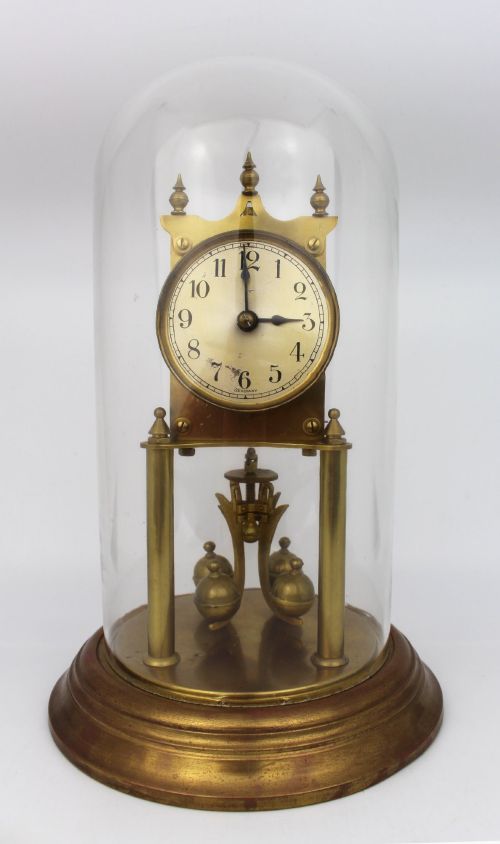
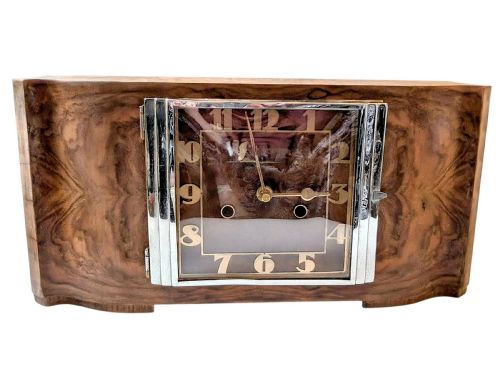
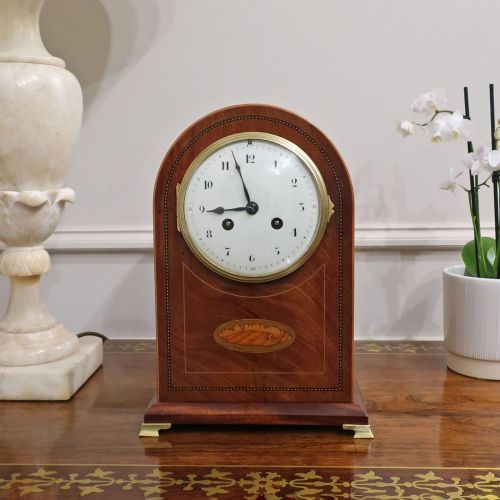
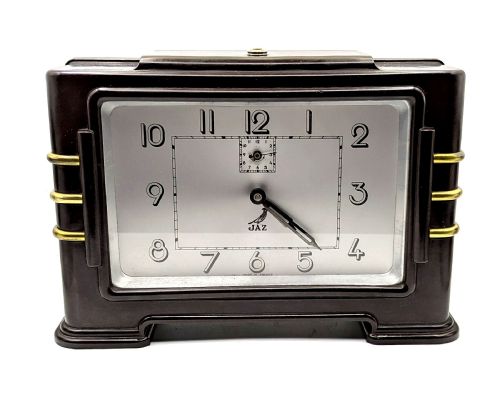


Antique Mechanical Shelf Clock
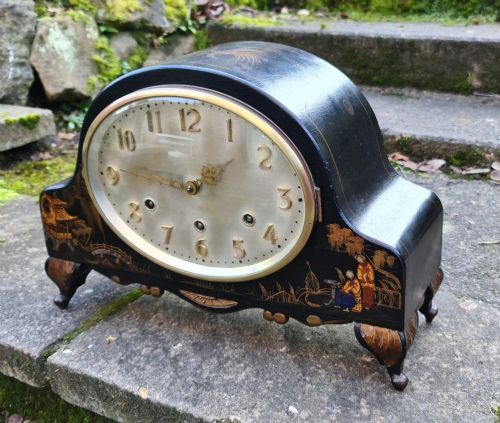
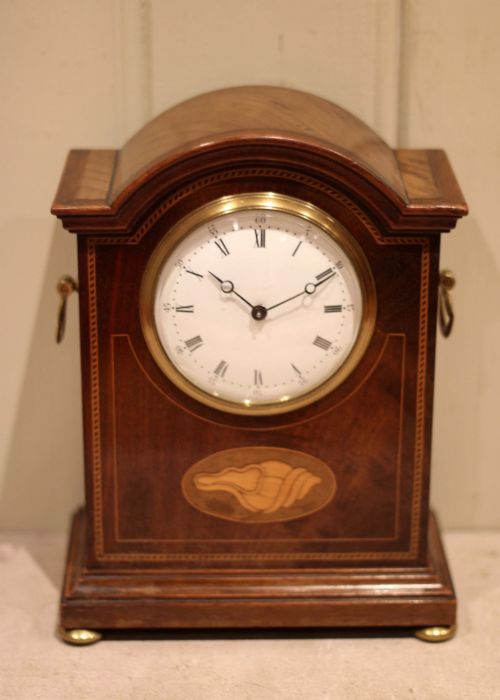
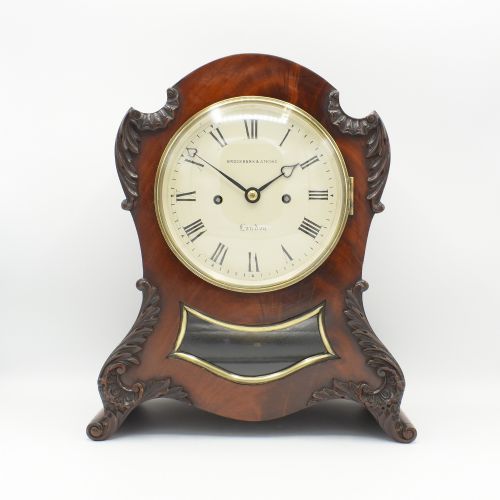
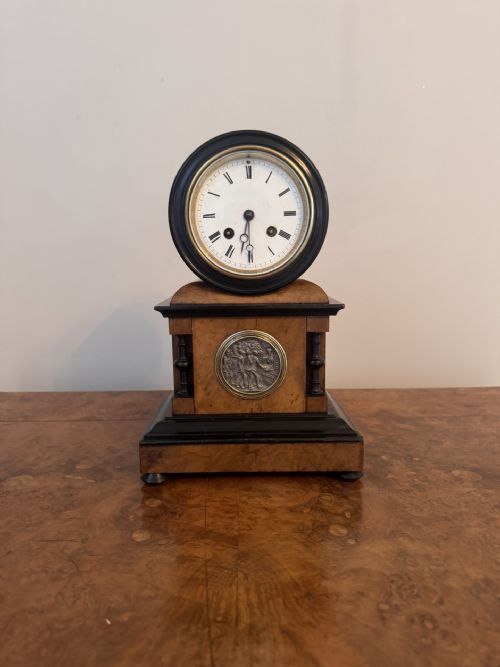
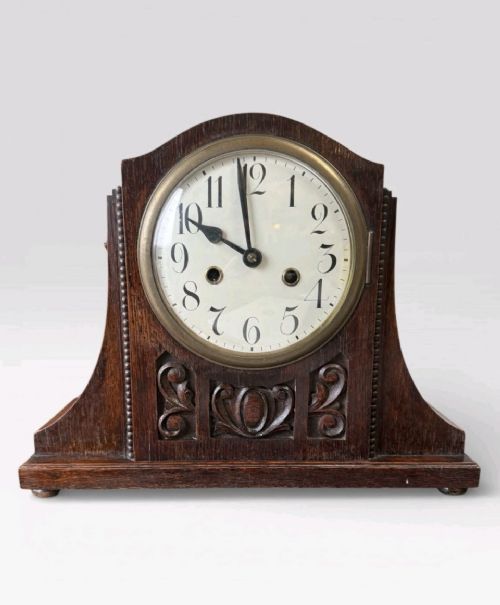
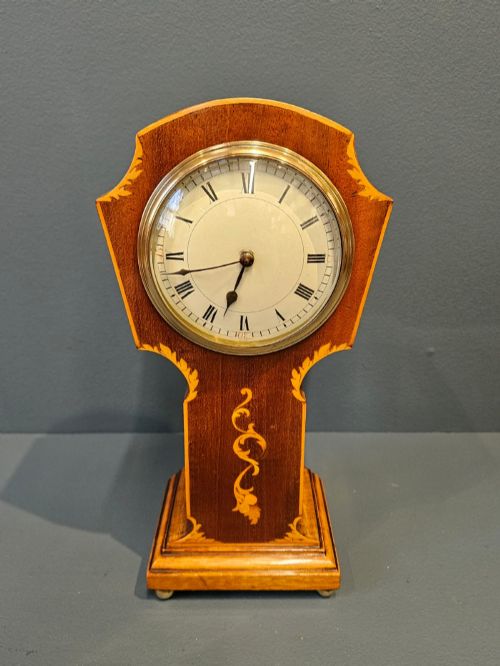
An antique mechanical shelf clock sits squarely on the timber, driven by weights or springs to mark the hours.

Antique Mechanical Shelf Clock
These pieces are timekeepers designed to sit upon a mantelpiece, shelf, or bracket, bringing mechanical movement into daily domestic spaces. When you search for an antique mechanical shelf clock, you encounter forms ranging from simple timepieces to striking bracket clocks and heavy architectural marble cases.
The versions most commonly met on this page span the Victorian era, the Edwardian period, and the geometric lines of Art Deco. Materials vary from rich mahogany and walnut to polished brass, slate, and glass, reflecting the shifts in interior taste from the nineteenth century onward.
Makers and regional workshops across England, France, and Germany produced these mechanisms, housing them in cases that range from inlaid Edwardian woods to bold French Belle Epoque designs. Every piece relies on a mechanical gear train rather than quartz, demanding regular winding to maintain its rhythm.
Materials and construction
Cases utilise cabinet timbers such as mahogany, walnut, and rosewood, frequently enhanced with marquetry inlay or brass mounts. Heavy architectural styles rely on black slate, faux marble, and cast bronze to create substantial visual weight for the mantel.
Internal movements combine brass plates and wheels with steel arbors and escapements, driven either by coiled mainsprings or suspended weights. Dials feature white enamel cartouche numerals, silvered brass chapters, or painted porcelain set behind protective glass bezels.
Some Edwardian dials come decorated with painted poppies, bringing a touch of the garden directly onto the clock face.
Markers of quality
The distinction between standard production and superior work lies in the execution of both case and movement. Finely made pieces feature robust fusee movements or crisp striking trains housed in densely grained timber cabinets with neat marquetry and cast bronze fittings.
Lesser examples employ simpler spring-driven time-only platforms inside pressed brass bezels and plain veneered boxes. The presence of a signed backplate from a recognised maker elevates the piece, as does an uncompromised dial free from hairline cracks.
Brockbanks and Atkins·John Bull of Bedford·Samuel Marti·Japy Freres·Henry Marc
The Antique Mechanical Shelf Clock Glossary
- Fusee
- A conical pulley connected to the mainspring by a chain or cord, designed to equalise the declining power of the spring as it unwinds. This mechanism ensures even torque is delivered to the gear train throughout the winding cycle.
- Bracket clock
- A portable spring-driven clock originally designed to sit on a matching wall bracket or a furniture shelf. These cases often feature arched tops and carrying handles.
- Enamel dial
- A metal face coated with fused powdered glass, providing a smooth, durable surface for painted numerals. Hairline cracks often develop around the winding holes due to tension in the metal underneath.
- Striking clock
- A movement that sounds the hours or quarters on a bell, gong, or rod using a separate gear train. The countwheel or rack system dictates the correct number of strikes.
- Pendulum
- A suspended weight that swings to regulate the speed of the clock's escapement. Proper adjustment of the pendulum length ensures the timekeeping remains accurate.
Antique Mechanical Shelf Clock: Frequently Asked Questions
How often should I wind my mechanical clock?
Most spring-driven shelf clocks require winding once a week or every eight days, while fusee models and fourteen-day variants follow their own specific intervals. Regular attention keeps the tension steady across the mainspring.
Avoid over-winding the movement past the point of firm resistance, as this places unnecessary strain on the internal springs and click mechanism.
Why does my clock gain or lose time?
Temperature changes, uneven placement on the shelf, and natural wear within the brass gear train can alter the beat. Adjusting the pendulum regulator up or down typically corrects minor discrepancies.
If the swings remain uneven or the beats sound irregular, the clock likely requires professional servicing to clean old oils from the pivots.
Where should I place a heavy slate clock?
Heavy slate and marble cases demand a sturdy, level surface capable of supporting considerable weight without sagging. Placing the clock on a solid wooden mantel or a secured wall bracket prevents the case from shifting.
A level foundation ensures the pendulum swings with equal force to the left and right, maintaining a steady beat.
How do I identify the period of a shelf clock?
Case design offers the clearest guide to age, shifting from heavy Victorian architectural stone and ornate French gilt brass to Edwardian inlaid mahogany and streamlined Art Deco walnut. Examining the style of the numerals and the shape of the hands confirms the era.
Opening the back door reveals the movement shape and any maker stamps, helping narrow down the exact decade of manufacture.