




Antique Mechanical Instrument
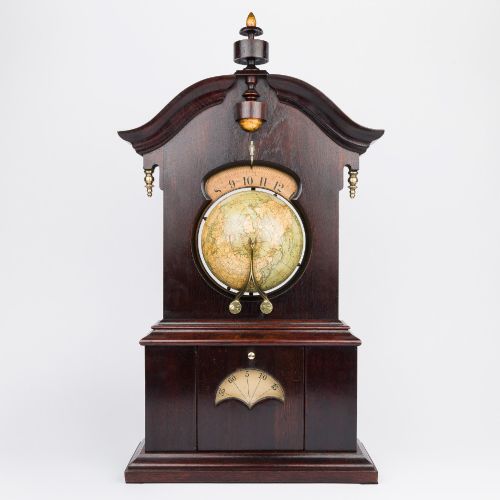
These antique mechanical instruments are intricate functional devices of brass, steel, and glass built to measure, calculate, and demonstrate.
Antique Mechanical Instrument
An antique mechanical instrument encompasses everything from scientific apparatus and barographs to novelty pencils and educational models. When searching for an antique mechanical instrument, buyers encounter Victorian industrial gauges, Edwardian weather-recording barographs, and precision calculating devices.
Most examples originate from the nineteenth century through the early twentieth century, spanning periods such as Victorian, Edwardian, and the interwar years. These pieces reflect an era when complex tasks relied entirely upon physical gearing, graduated dials, and spring-driven movements.
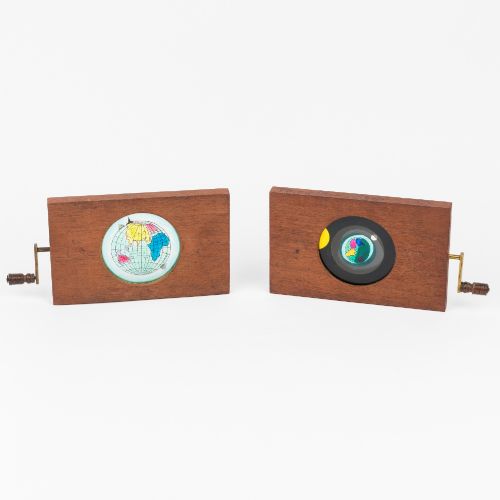
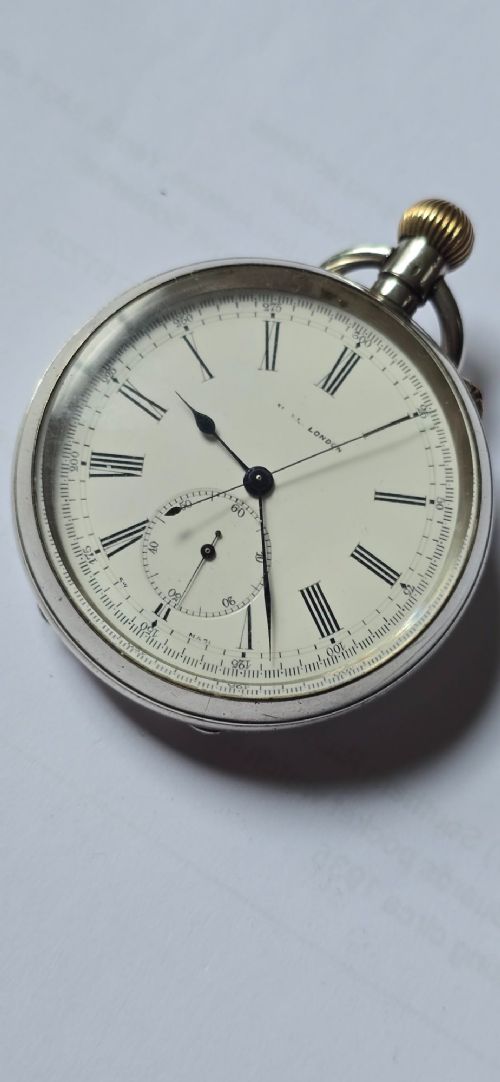
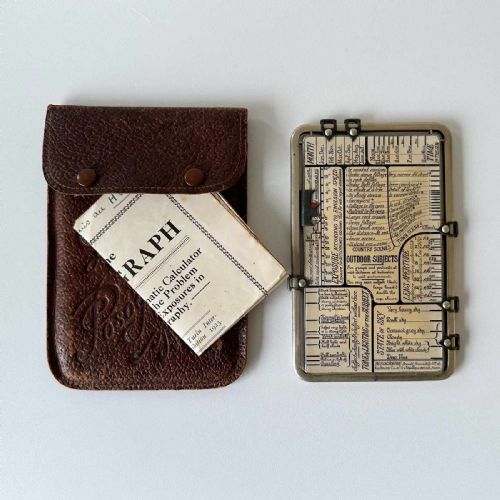
The selection ranges from pocket-sized watch type slide rules and pedometers to cased desk instruments like anemometers and demonstration steam engines. Each object serves a specific utilitarian or instructional purpose rooted in the technology of its day.
Materials and construction methods
Makers utilised brass, steel, and glass as foundational materials, housing sensitive components within fitted mahogany or oak cases. Brass provided durable frames for gears and dials, while bevelled glass protected delicate barograph drums and indicator needles.
Surface finishes include polished nickel and patinated brass, paired with leather detailing or paper charts. Precision engraving marked the graduated scales, ensuring accurate readings for barometers, revolution counters, and pressure gauges.
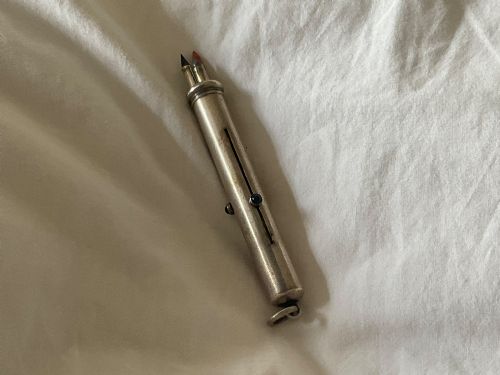
Even a pocket-sized silver pig could hold a lead pencil, proving Victorians loved their machinery wrapped in whimsy.
Distinctions in quality and execution
Quality rests in the precision of the mechanical movement and the legibility of engraved scales. Finer examples display crisp calibration marks, smooth gearing, and robust housing that maintains alignment over decades of use.
The integration of materials also defines the tier of a piece, such as thick bevelled glass panes fitted securely into heavy oak or mahogany cases rather than lightweight secondary woods.
Parkes And Hadley·Sampson Mordan·Hamilton And Co·Negretti And Zambra·Auguste Robert Kauffman·Merkelbach And Co·Max Kohl·Short And Mason·Dobbie Son And Hutton
The Antique Mechanical Instrument Glossary
- Barograph
- A self-recording barometer that graphs atmospheric pressure onto a paper chart over time. It typically uses an aneroid mechanism housed in a glass and wood case.
- Pantograph
- A mechanical linkage connected in a parallelogram based on scaling principles. Draughtsmen utilised it to accurately copy and scale drawings or maps.
- Orrery
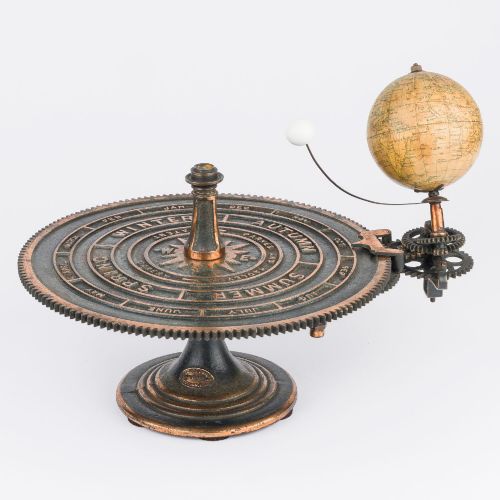
- A mechanical model of the solar system that illustrates the relative positions and motions of planets and moons. These are driven by clockwork gearing.
- Anemometer
- An instrument used for measuring wind speed and pressure. Portable examples feature rotating cups connected to calibrated dials.
- Pedometer
- A pocket device designed to count steps taken by detecting bodily motion. Victorian versions often resemble small pocket watches with internal spring-loaded weights.
Antique Mechanical Instrument: Frequently Asked Questions
How do barographs function?
A barograph operates through stacked aneroid metal capsules that expand or contract with shifting atmospheric pressure changes. Connected levers translate this movement into a precise ink trace upon a rotating paper chart.
Enclosed within glass and mahogany cases, these instruments recorded continuous weather patterns over weekly cycles.
What is a pocket slide rule used for?
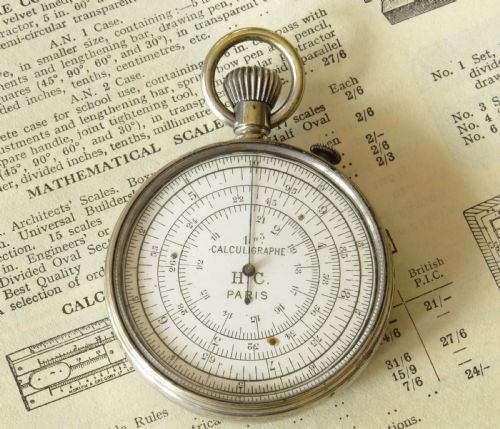
A pocket slide rule functions as a mechanical analogue computer for rapid mathematical calculations. Users aligned logarithmic scales to multiply, divide, and compute roots without electronic assistance.
Formed like pocket watches in brass housings, these circular calculators offered portability for engineers and navigators.
How do I care for mechanical instruments?
Maintenance requires keeping movements clean and free from dust by ensuring wooden and glass cases remain sealed. Avoid over-winding spring mechanisms and handle delicate brass linkages with care.
Display environments should maintain stable humidity levels to protect exposed brass, paper charts, and fitted wooden boxes.
Are educational models still operational?
Many educational models, such as engine demonstrations and orreries, retain their working mechanical gear trains. They were built to demonstrate physical principles clearly in classrooms and lecture halls.
Gentle manual operation usually confirms the movement of pistons, gears, and rotating planetary spheres.
What distinguishes Victorian scientific instruments?
Victorian scientific instruments combine functional precision with deliberate aesthetic choices in brass, mahogany, and engraved detailing. They represent an era of rapid industrial expansion and empirical measurement.
Makers focused on robust mechanical reliability, resulting in heavy, durable apparatuses designed for professional laboratories and field use.