

Antique Match Safe Holder
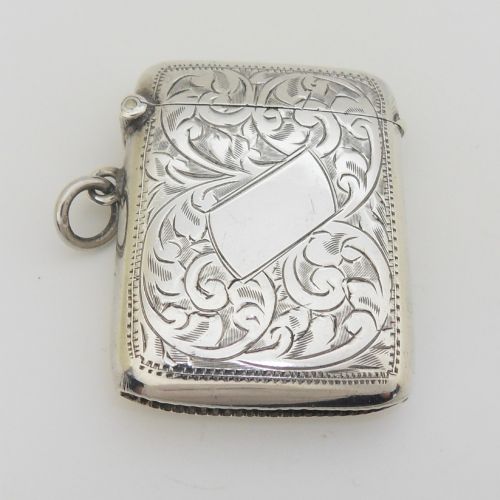
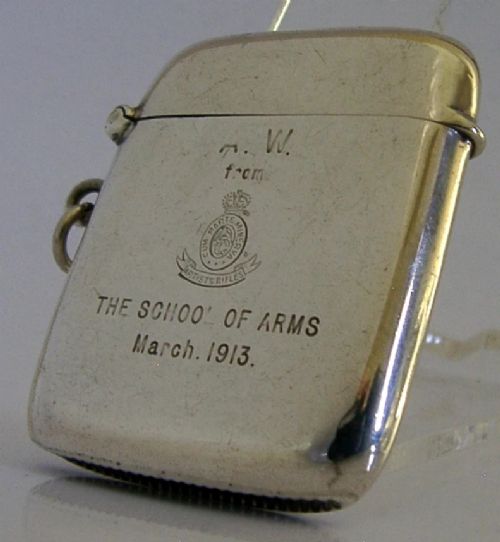
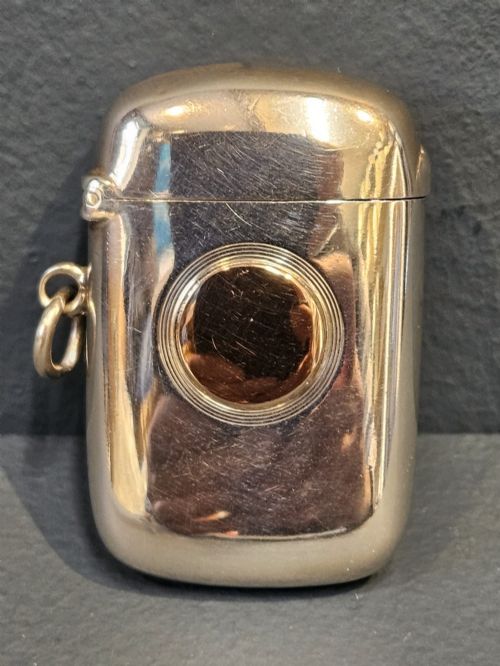
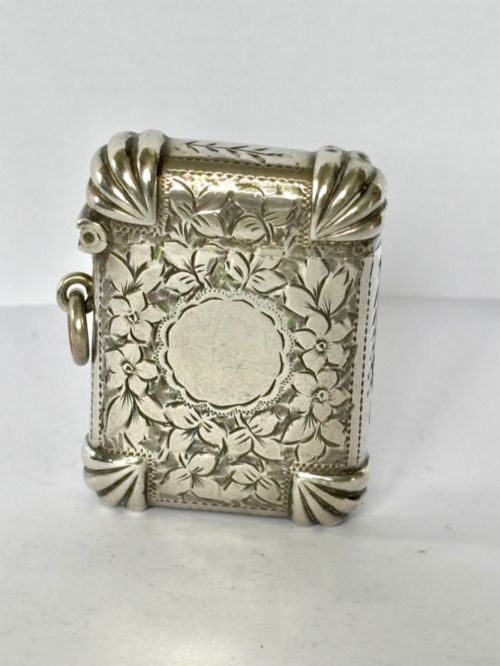
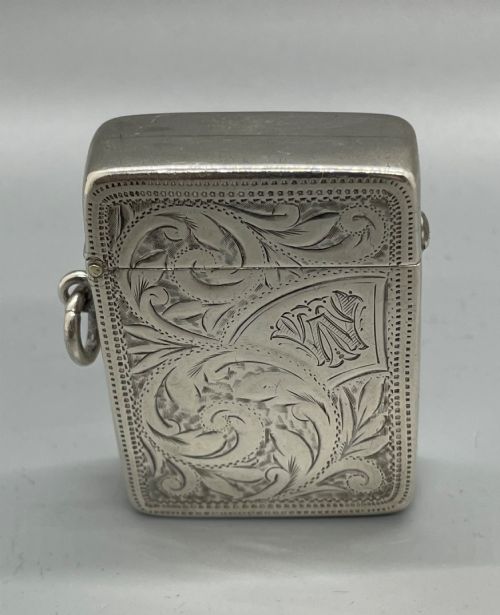
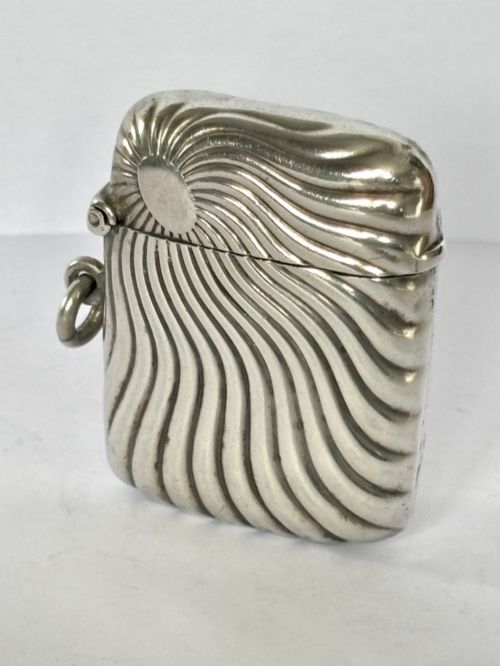
An antique match safe holder, frequently termed a vesta case, is a pocket container designed to safely store friction matches before the widespread availability of safety matches.
Antique Match Safe Holder
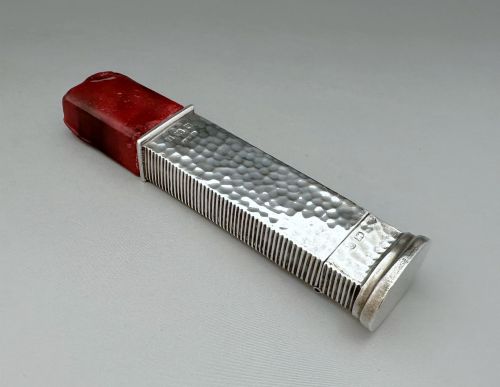
When searching for an antique match safe holder, buyers encounter small pocket containers designed to hold wax vestas and provide a striking surface on the base or side. The vast majority of these items date from the Victorian and Edwardian periods, stretching into the early decades of the twentieth century.
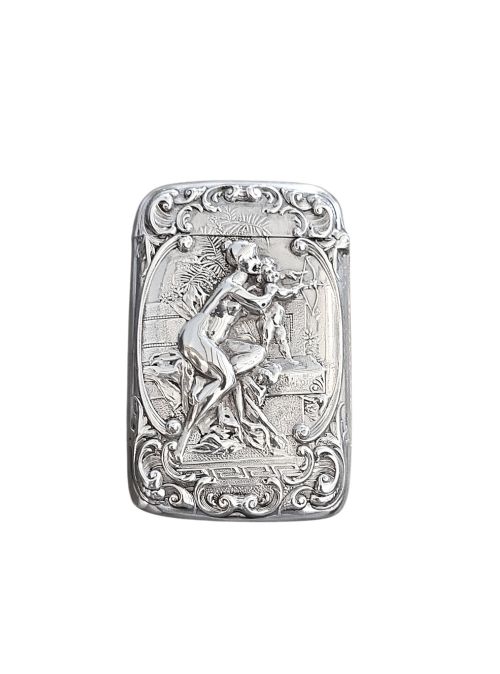
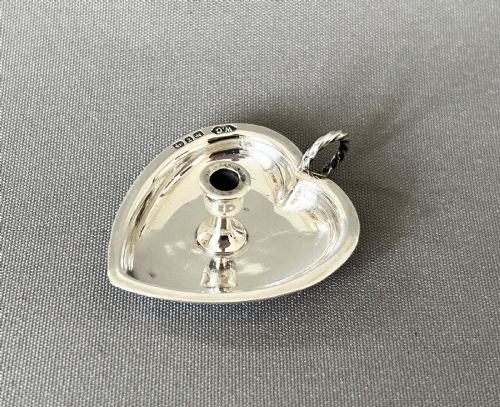
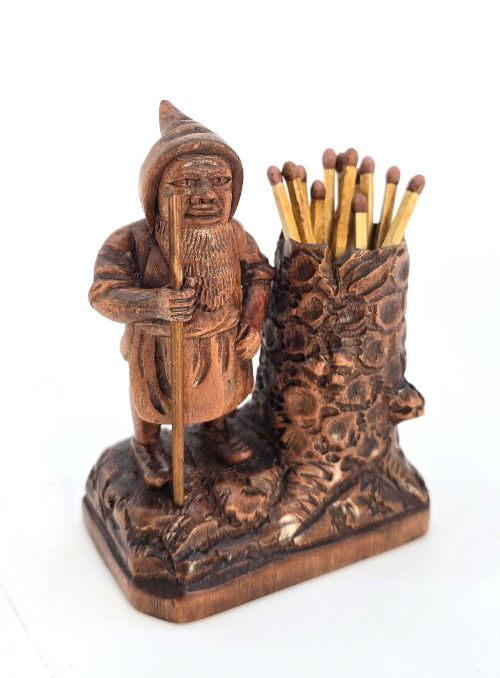
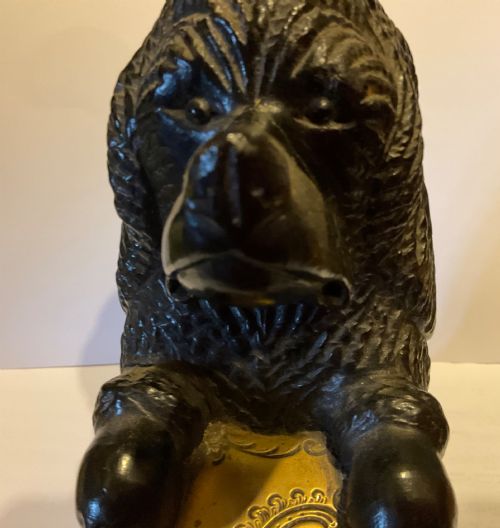
Forms range from simple rectangular sterling silver boxes to elaborate novelty shapes depicting animals, human figures, and architectural motifs. Pocket varieties dominate the selections, alongside occasional desk containers, matchbox covers, and wall-mounted folk art pieces.
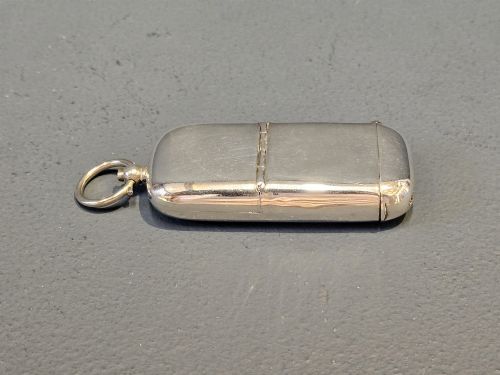
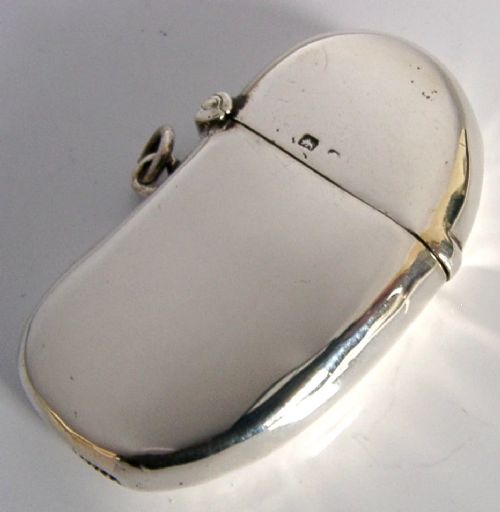
Origins span British silversmithing hubs such as Birmingham and Chester, alongside continental workshops producing brass and enamel variations. Collectors find standard curved pocket cases most frequently, while combination pieces incorporating sovereign holders or wax tapers appear less often.
How they were made
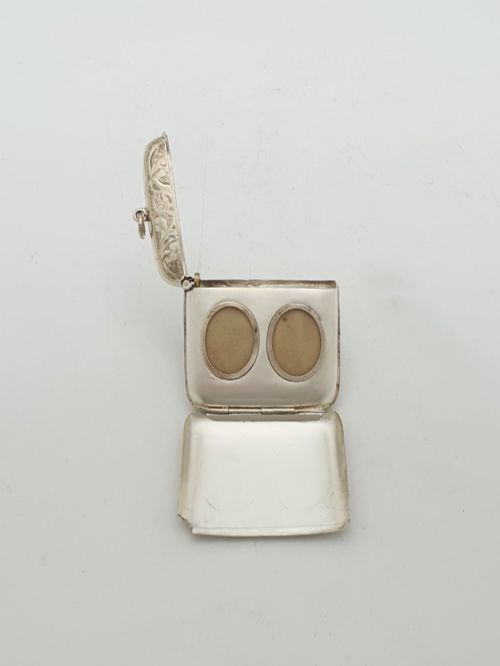
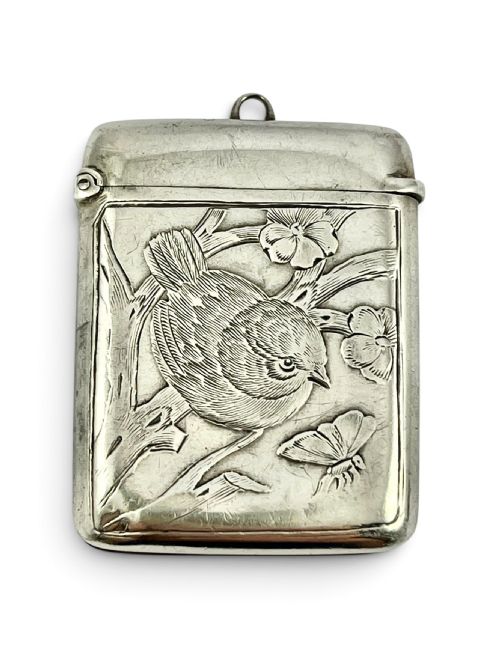
Silversmiths constructed most metal match holders from sterling silver using stamping, pressing, and hand-engraving techniques to apply scrolling foliage, crests, or engine-turned patterns. Hinged lids fitted with internal springs ensured the case remained securely closed while carried in a pocket or waistcoat.
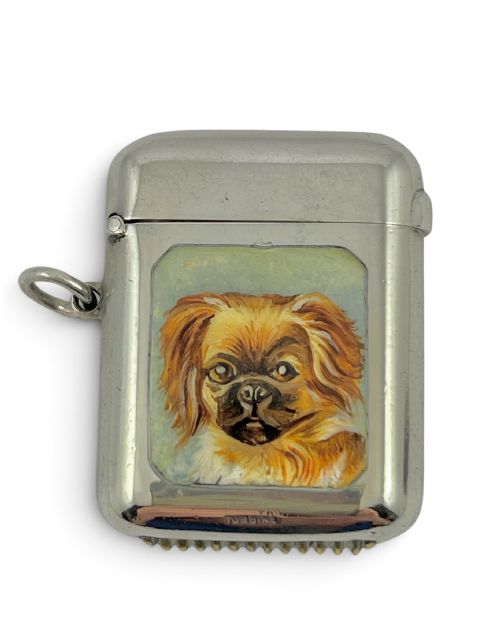
Enamel work added polychrome decoration to silver bases, utilising hand-painted scenes of dogs, human figures, or floral sprays fired onto a vitreous glass surface. Wood and limewood examples relied on hand carving to shape folk art figures, gnomes, and animals with integrated match receptacles and strikers.
Antique Match Safe Holder Retail Price Guide 2026
Typical asking prices for match safe holder among the pieces listed under this phrase on Sellingantiques today, from the lower quarter to the upper quarter. They describe what is for sale here now, not the wider market.
Makers represented include prominent Birmingham and London silversmiths producing novelty animal forms and sovereign combination cases.
What varies in quality
The distinction between ordinary and exceptional pieces rests upon the crispness of the original chasing, the complexity of the form, and the presence of specialist decorative arts. Standard engine-turned silver boxes meet basic functional requirements, whereas hand-painted enamel portraits or intricate cast novelty shapes demand advanced artisan skill.
Maker attribution elevates desirability, with pieces bearing the marks of specialised silversmiths commanding closer attention. Furthermore, the integrity of the hinge mechanism and the survival of original gilding or crisp hallmarks dictate the overall preservation standard of the object.
Sampson Mordan Co·EV Pledge Son·Robert Chandler·A J Zimmerman·William Neale·Robert Pringle·J B Bennet·William Hair Haseler·Alfred Clark
The Antique Match Safe Holder Glossary
- Vesta case
- A small pocket container designed to hold matches and protect them from moisture. These devices typically feature an integrated serrated strip at the bottom for striking.
- Sterling silver
- An alloy consisting of silver and other metals, usually copper, standardised at 925 parts per thousand. British items bear hallmark stamps verifying this metallic standard.
- Hallmark
- A system of official marks stamped on precious metals in the United Kingdom to indicate the maker, standard of purity, assay office, and year of production.
- Castle top
- A specialised form of silver box featuring a detailed high-relief engraving of a historic building or landmark on the lid. Windsor Castle is a frequent subject on Edwardian pieces.
- Wax taper
- A thin wax-coated wick stored inside specialised combination cases to provide a sustained flame for lighting cigars or lamps. These inserts slide out from the main body of the container.
Antique Match Safe Holder: Frequently Asked Questions
What is a vesta case?
A vesta case is a small pocket container used in the nineteenth and early twentieth centuries to carry matches safely. They were essential accessories before safety matches became common.
Most versions feature a spring-loaded lid and a ribbed striking surface on the bottom. Gentlemen and ladies carried them in pockets or attached them to chatelaines.
How do you use a match safe?
To use the container, a person flips open the hinged lid to retrieve a match from the internal compartment. The match is then drawn rapidly across the textured striking surface at the base.
Many antique pieces include interior divisions or specialised holders for wax tapers and sovereigns. The sturdy metal construction protected fragile matches from accidental ignition.
Are all match holders made of silver?
While sterling silver is the most common material seen in British examples, makers utilised a wide variety of alternatives. Brass, gold, carved limewood, and painted enamel appear frequently across the periods.
Continental European workshops often produced pieces in lower silver purities or combined brass with enamel. Folk art versions carved from wood showcase animal and gnome forms instead of metal.
How do you identify the date of a silver vesta?
British silver pieces carry hallmarks that allow collectors to determine the exact year of manufacture. Assay office marks from Birmingham or Chester indicate where the item was tested.
Date letters change annually according to specific alphabetic cycles used by each assay office. Additional maker's marks identify the individual silversmith or firm responsible for production.
What is a novelty vesta case?
A novelty vesta case is a match holder shaped to resemble an animal, human figure, or everyday object. Popular Victorian and Edwardian examples depict pug dogs, jockey caps, books, and kidney beans.
Some novelty pieces incorporate trick mechanisms or double-ended designs requiring specific maneuvers to open. These items reflect the Victorian taste for whimsical and entertaining portable accessories.