
Antique Match Case
An antique match case brings functional Victorian and Edwardian pocket history into daily reach.
Antique Match Case
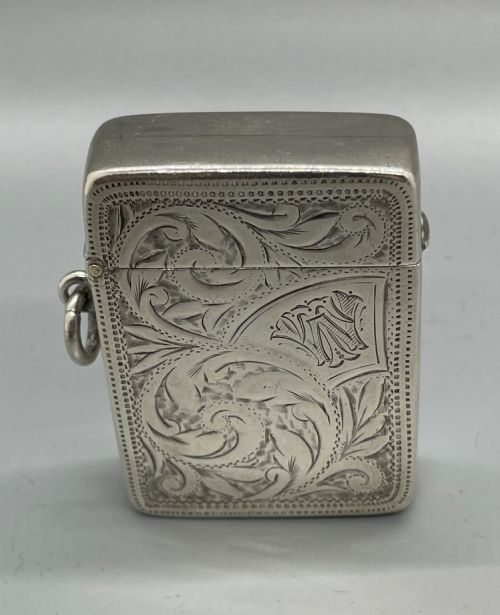
An antique match case, often termed a vesta case or match safe, is a small pocket container designed to safely carry matches and strike them on an integrated serrated base. The pieces seen here span the Victorian, Edwardian, and George V periods, reflecting an era when carrying loose matches required secure storage.
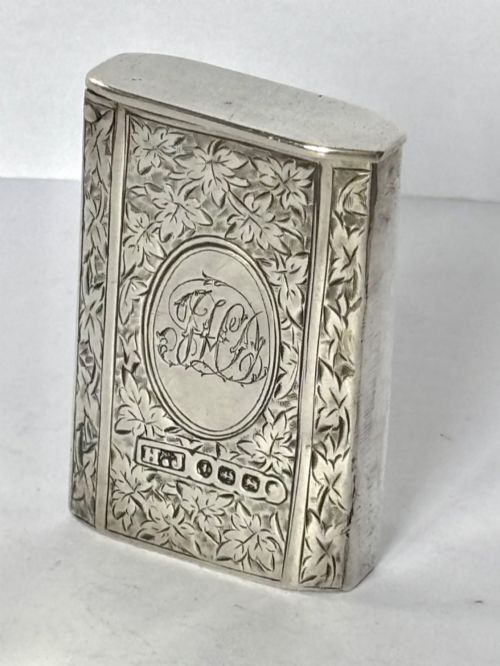
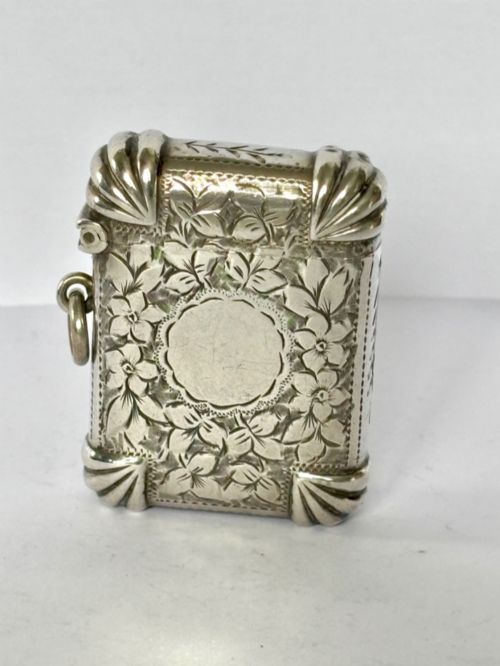
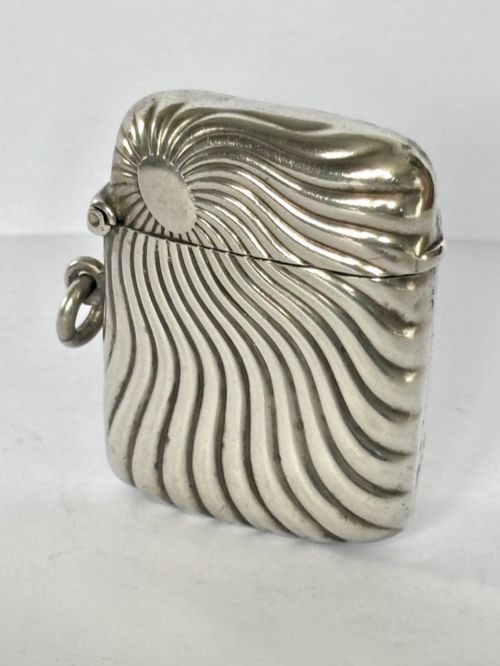
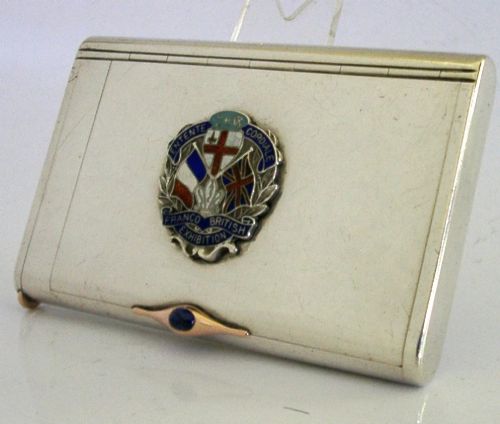
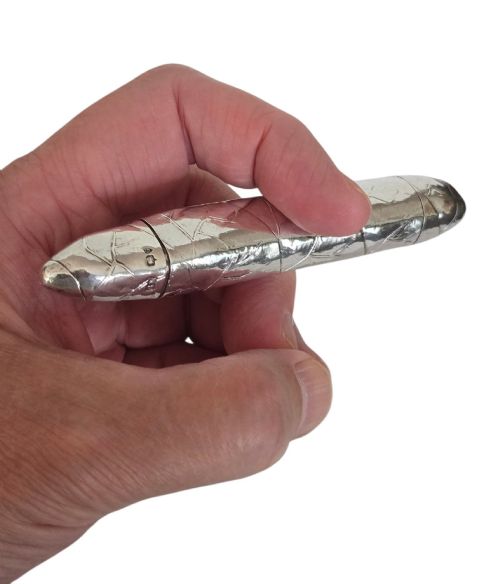
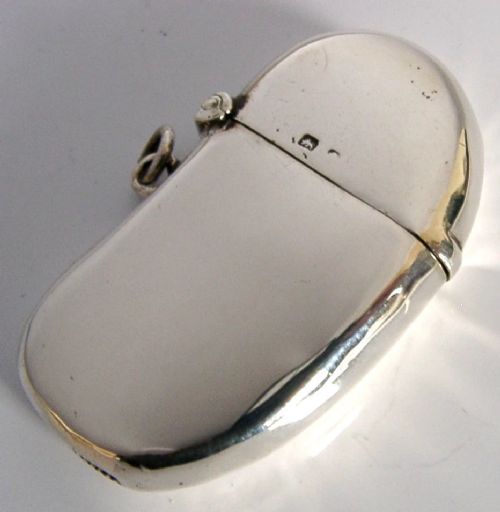
Most items on this page are sterling silver vesta cases, frequently hallmarked in Birmingham or Chester from the late nineteenth and early twentieth centuries. Alongside standard pocket rectangular forms, collectors encounter novelty shapes such as animals, fish, books, and double-ended designs.
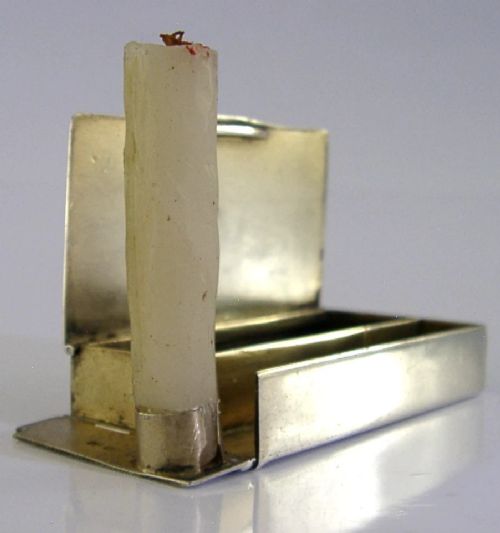
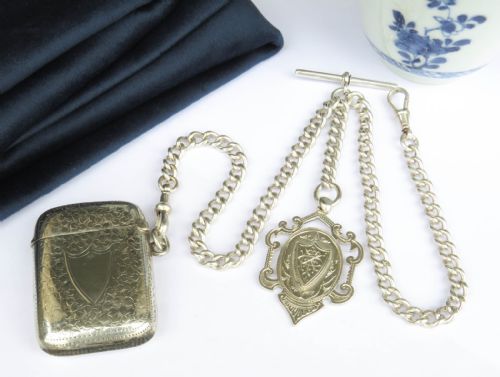
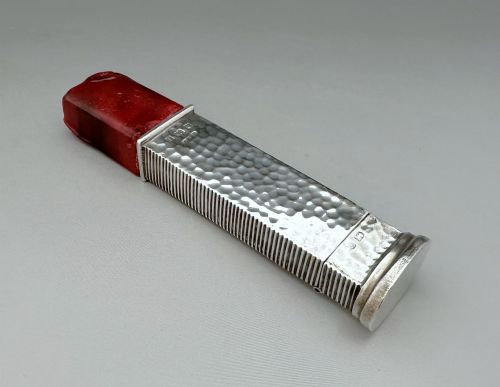
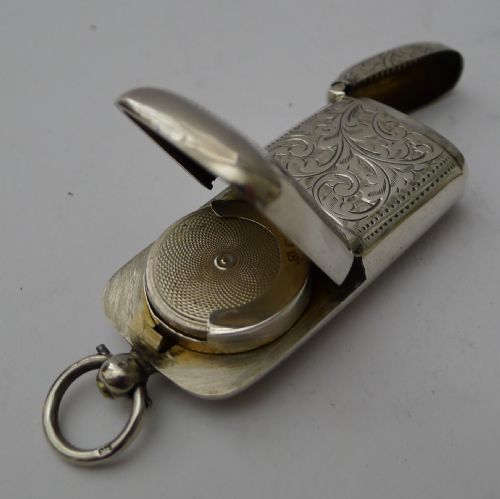
Combination pieces also appear frequently, pairing the core match holder with sovereign cases, stamp compartments, watch chains, or sealing wax holders. Tabletop match strikers and matchbook boxes represent the larger domestic variants utilised in the home.
What varies in quality
The distinction between standard pocket containers and exceptional pieces rests upon maker attribution, decorative complexity, and structural ingenuity. Recognised makers such as Sampson Mordan or A & J Zimmerman command attention through superior weight, crisp hallmarks, and complex mechanisms.
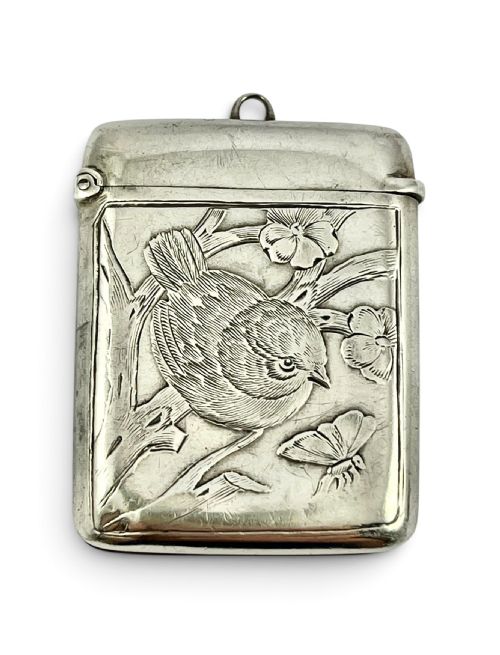
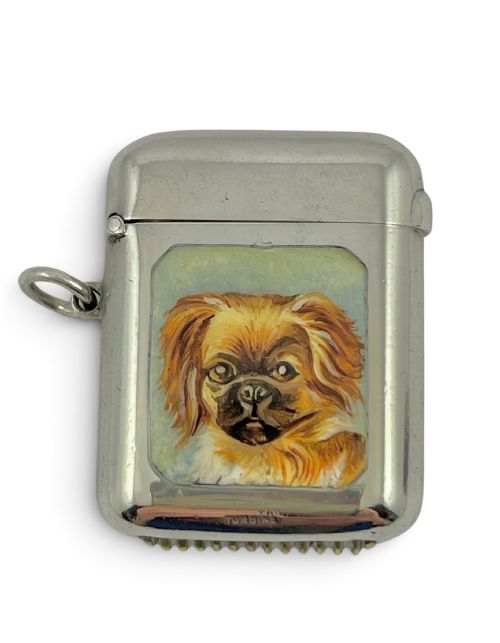
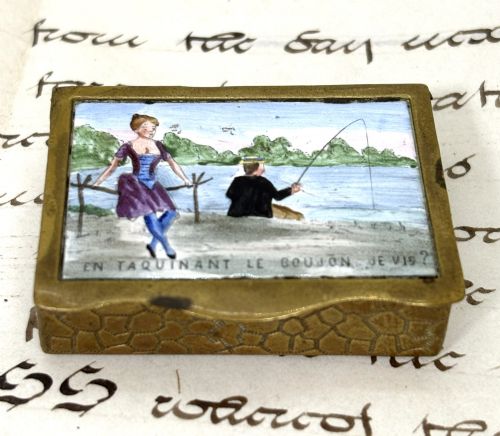
Surface ornamentation dictates visual hierarchy, moving from plain planished silver to polychrome enamel portraits, detailed animal novelties, and multi-use combination vessels. The tightness of the spring-loaded lid and the preservation of original gilding further separate ordinary surviving examples from premier collector pieces.
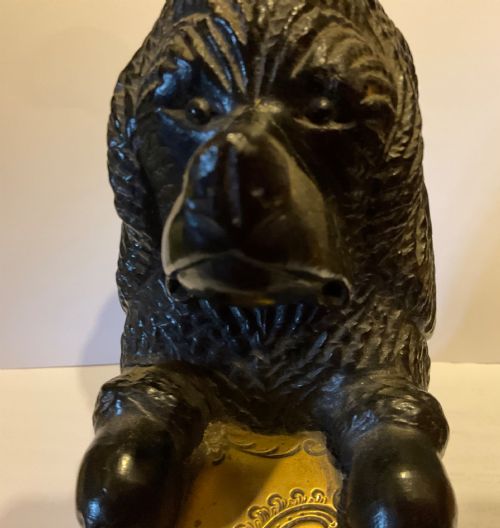
Some Victorian silver match holders take the surprising form of carved wooden begging dogs and brass owls.
Howard James Birmingham·EV Pledge And Son·Robert Chandler·Sampson Mordan And Co·A And J Zimmerman·William Neale·Robert Pringle·Stephen J Rose·Ramsden And Carr
The Antique Match Case Glossary
- Vesta
- A small match named after the Roman goddess of the hearth. These cases were specifically designed to house them safely in pockets.
- Hallmark
- An official stamp indicating the metal standard, assay office, and year of manufacture. British silver examples carry these small indented marks.
- Sovereign case
- A circular pocket container made to hold British gold sovereigns. They often appeared combined directly with match holders.
- Match striker
- The corrugated or grooved section located on the exterior base of the case used to ignite safety matches. Textures vary from plain file cuts to textured glass.
- Vernis Martin
- A type of simulated Japanese lacquer utilised on European furniture and display items. It involves layered translucent varnishes over painted decorations.
Antique Match Case: Frequently Asked Questions
What is the difference between a vesta and a match safe?
The terms describe the exact same pocket container for matches. Vesta is predominantly used in British collecting circles, referencing early wax matches, while match safe is common in American terminology.
Both items served the same portable function in the nineteenth and twentieth centuries to prevent accidental ignition in pockets.
How do you date an antique silver match case?
Dating relies on the assay office hallmarks stamped directly onto the metal body or inside the lid. These date letters, combined with maker's marks, pinpoint the exact year of production.
Stylistic indicators like Art Nouveau curves or Edwardian proportions offer a secondary visual guide when hallmarks are rubbed.
Can you still use these match cases today?
Most antique match cases remain fully functional with modern safety matches, provided the hinge and spring mechanism stay strong. Collectors usually test them gently to preserve the antique metal and internal linings.
Standard wooden matches often fit standard Victorian dimensions quite comfortably for everyday display or occasional use.
Why do some match cases have loops on them?
The small suspension loops or rings allowed the case to attach to a watch chain, chatelaine, or pocket albert. This kept the container secure and accessible on the owner's clothing.
Many silver watch chains included integrated vestas as part of a gentleman's daily attire.