





Antique Mary Sculpture
An antique mary sculpture brings centuries of devotional devotion into a room through carved wood, terracotta, and gilt surfaces.
Antique Mary Sculpture
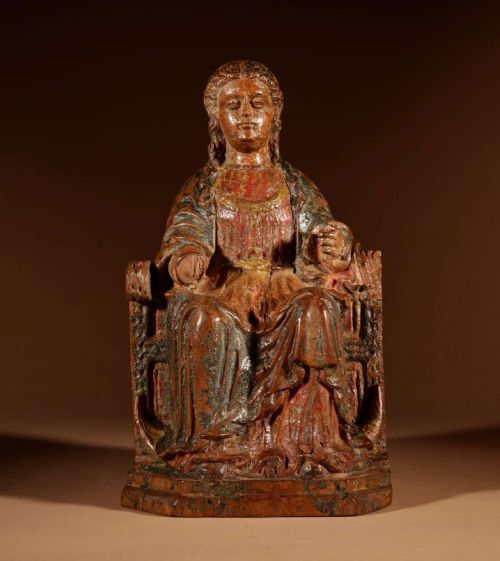
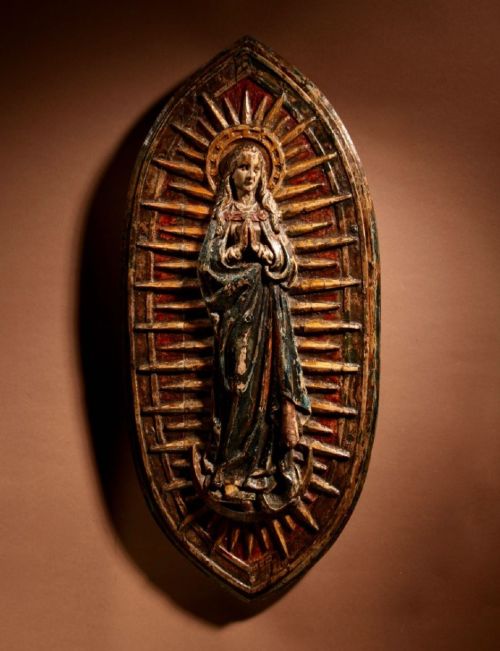
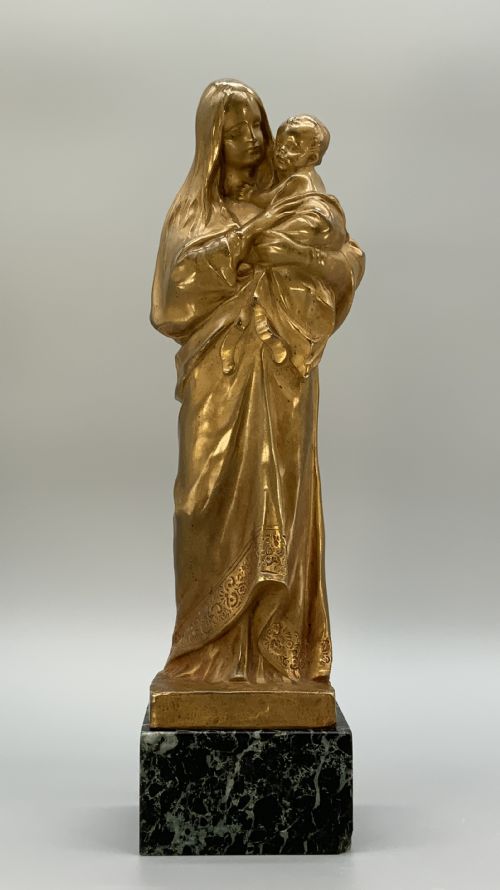
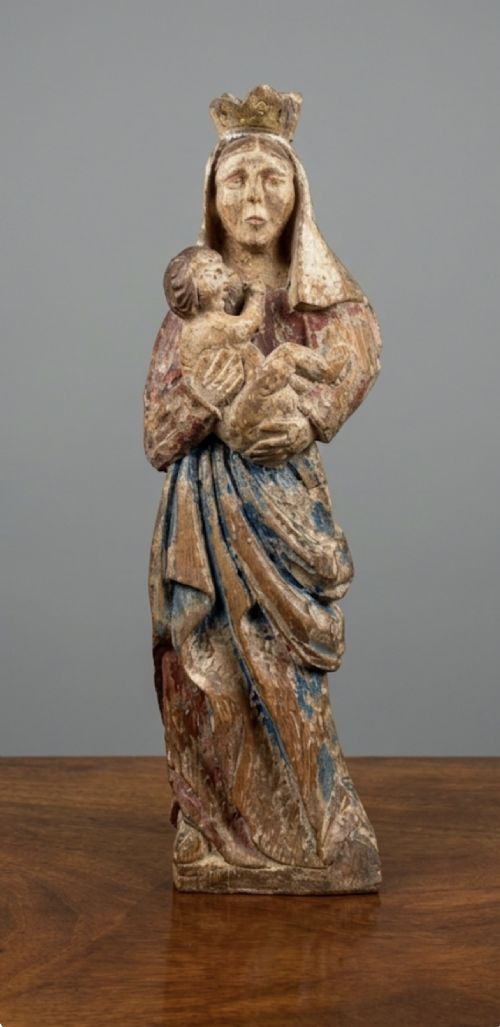
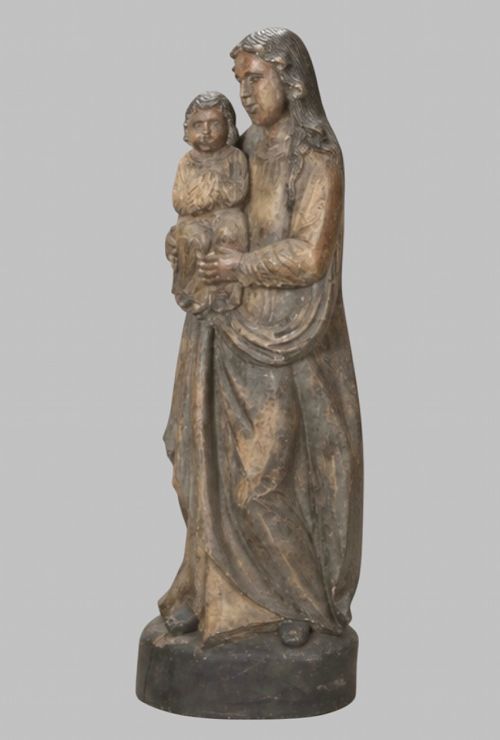
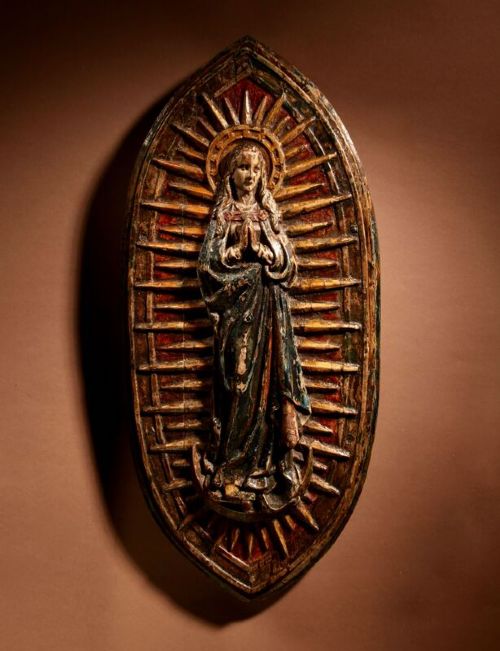
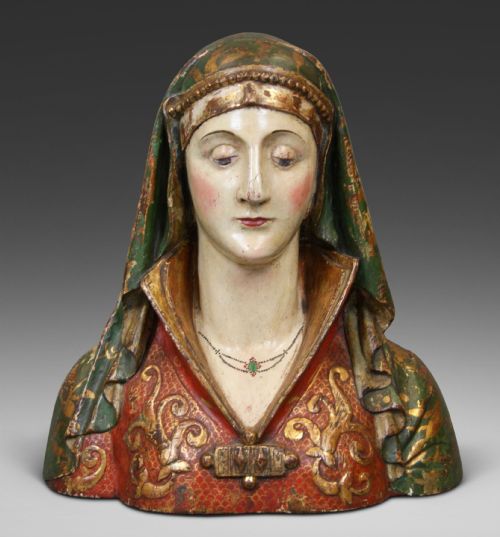
An antique mary sculpture encompasses devotional figures of the Virgin Mary, often depicted with the Christ child, seated on thrones, or forming part of larger altarpieces. These pieces span from the medieval period through the nineteenth century, taking the form of freestanding statues, wall sculptures, and detailed wood reliefs.
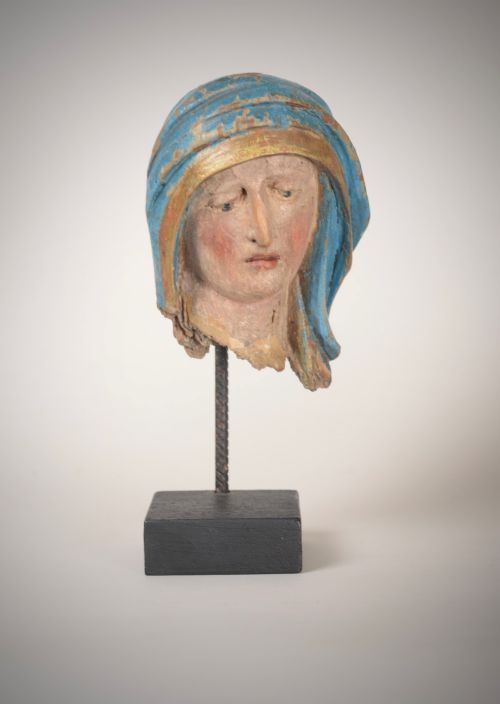
Buyers encountering this group will frequently find oak and polychrome wooden carvings originating from sixteenth-century workshops, alongside later nineteenth-century interpretations in terracotta, painted wood, and parianware. The selection ranges from intimate devotional panels to monumental church figures depicting scenes like the Pieta or the Madonna and child.
Materials and construction
Later nineteenth-century pieces introduced alternative mediums including terracotta and parianware, allowing for smooth contours and uniform coloration while maintaining the traditional devotional subject matter.
Antique Mary Sculpture Retail Price Guide 2026
Typical asking prices for mary sculpture among the pieces listed under this phrase on Sellingantiques today, from the lower quarter to the upper quarter. They describe what is for sale here now, not the wider market.
Listings span from pre-sixteenth century Gothic works to twentieth-century terracotta figures, utilising oak, walnut, giltwood, and polychrome paint.
What separates the best pieces
Quality rests in the sculptural depth and the survival of original surface treatments like polychrome paint and gilding. Pieces that retain their unstripped wood patina or early pigment show the maker's hand more clearly than those sanded down or heavily repainted in later centuries.
Hans Müller·Compton Potters Art Guild·George Kemper
The Antique Mary Sculpture Glossary
- Polychrome
- Decorated in multiple colours. This term describes wooden sculptures painted with pigments to render lifelike flesh tones and coloured garments.
- Pieta
- A subject depicting the Virgin Mary supporting the body of the dead Christ. It appears frequently in medieval and eighteenth-century European woodcarvings.
- Gesso
- A plaster mixture used as a smooth base for paint or gold leaf. It was applied to carved wooden figures before gilding or colouring.
- Parianware
- A fine-grained porcelain resembling marble, developed in the nineteenth century. Figures in this material offer a smooth, matte finish.
- Altarpiece
- A structured artwork set above an altar. Central panels often feature carved wooden figures of the Virgin Mary.
Antique Mary Sculpture: Frequently Asked Questions
How do I date a wooden figure?
Dating relies on tool marks, timber choice, and stylistic cues in the drapery and facial carving. Earlier pieces often display adze marks and Gothic stylistic conventions.
Comparative analysis with documented church sculpture helps narrow the century of production.
Were these figures originally painted?
Most medieval and Renaissance wooden sculptures received layers of gesso and polychrome paint or gold leaf. Over time, many pieces were stripped down to bare wood during later stylistic revivals.
Traces of original pigment often survive in the recesses of the carvings.
How should I display a wall sculpture?
Heavy wooden panels and wall sculptures require secure fixing directly into masonry or wall studs to bear the weight. Placing them away from direct sunlight and heat sources protects the timber and any remaining gesso.
Stable indoor humidity prevents the wood from splitting over time.
What is the difference between a statue and a panel?
Statues are carved fully in the round or as substantial reliefs meant to stand independently on altars or brackets. Panels typically formed part of a larger altarpiece structure, carved flat on the reverse.
Panels often depict specific narratives like the Annunciation or the Madonna standing on a crescent moon.