
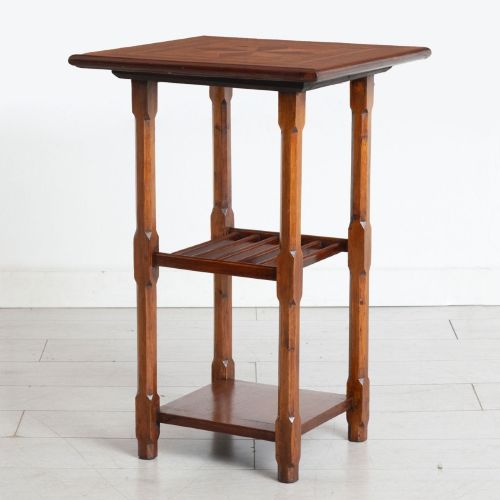
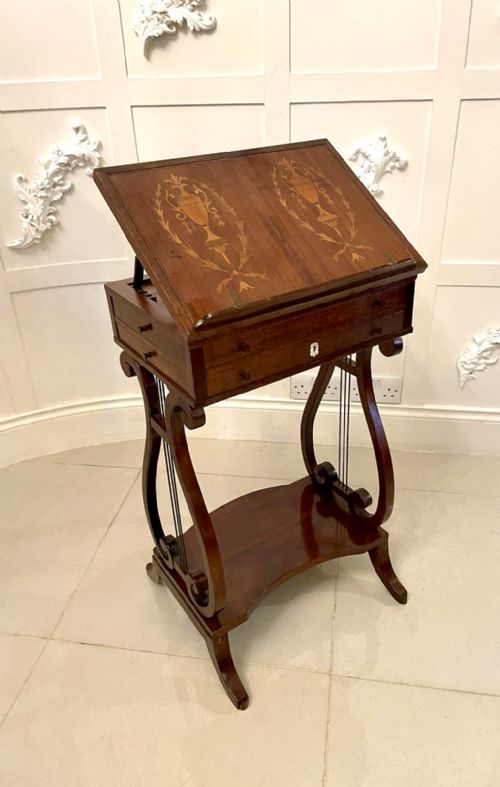
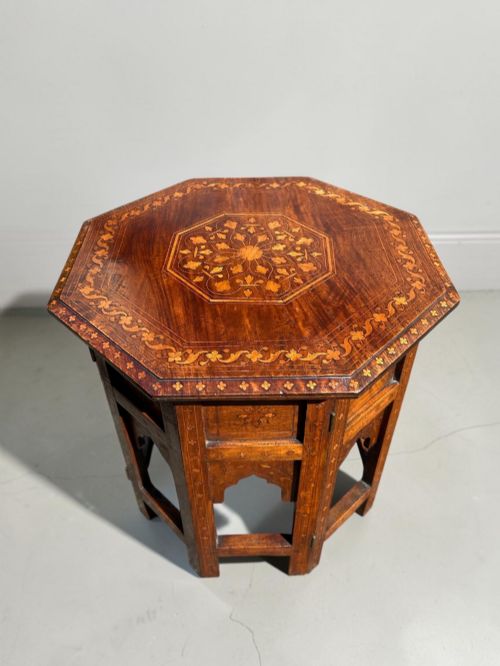
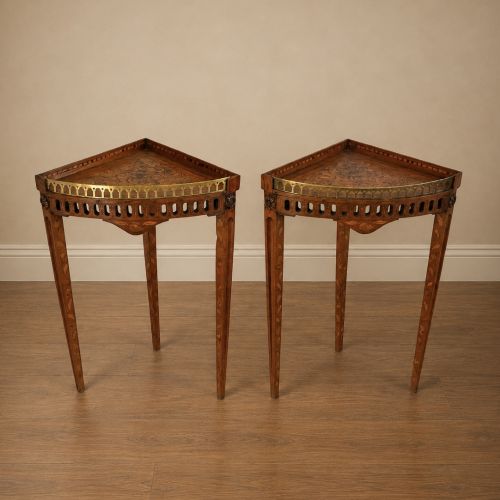
Antique Marquetry Stand
An antique marquetry stand brings together patterned wood veneers and elevated surfaces, offering both decorative presence and practical display.
Antique Marquetry Stand
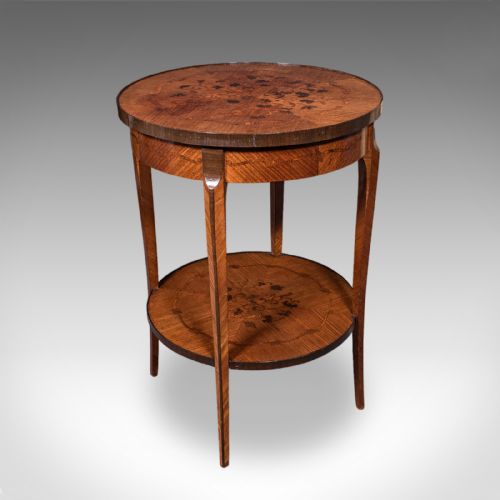
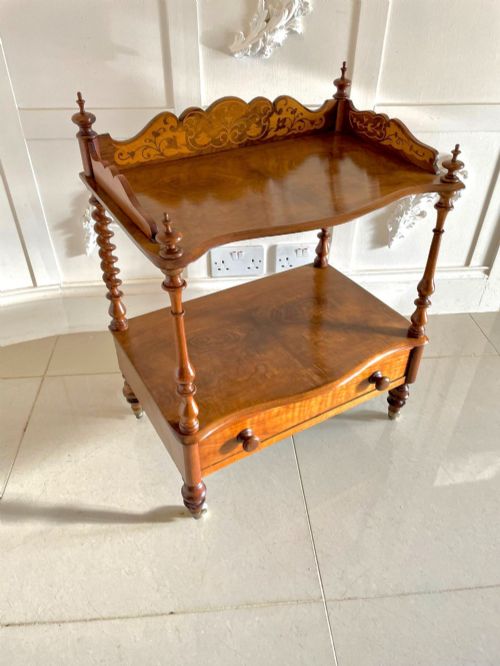
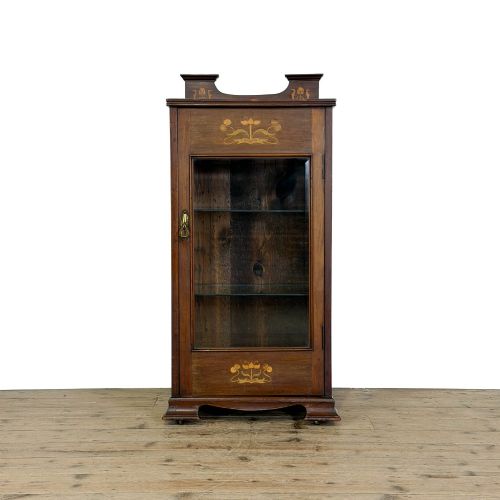
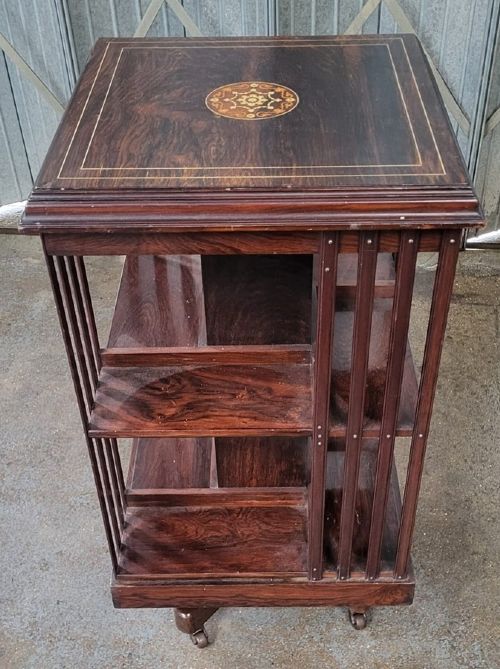
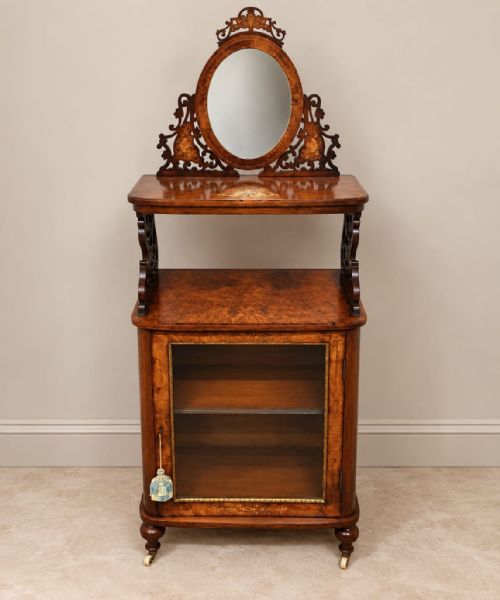
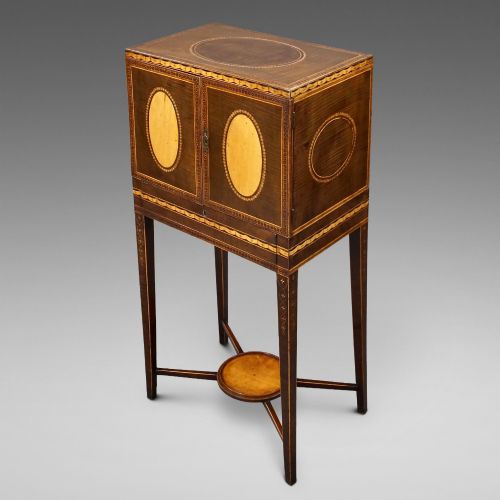
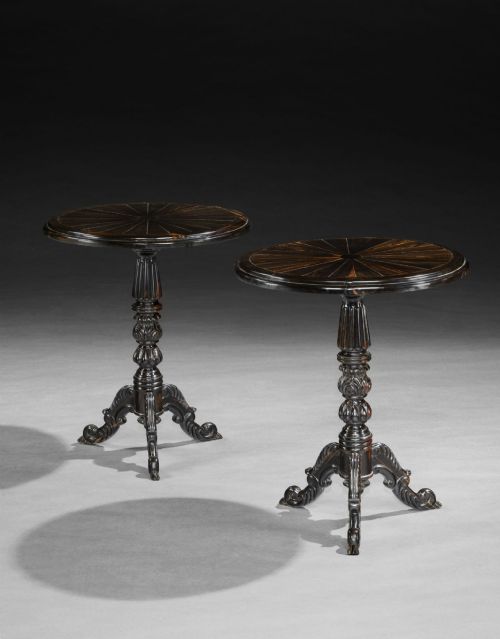
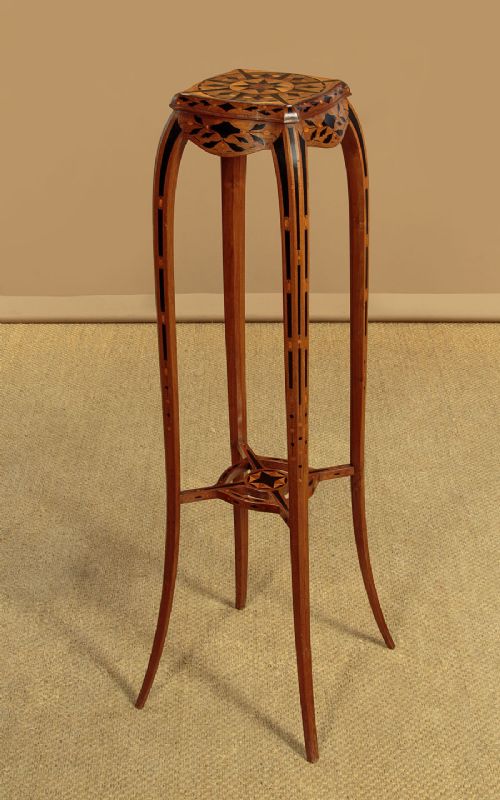
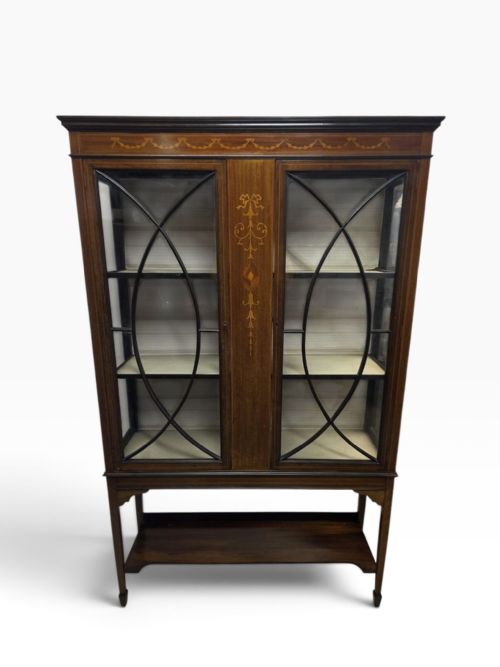
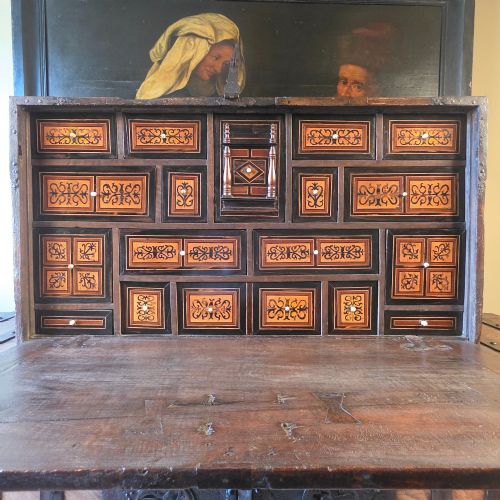
The term antique marquetry stand encompasses a range of elevated furniture types designed for display, including occasional tables, lamp tables, torcheres, plant stands, and cabinets on stands. These pieces emerge across the seventeenth, eighteenth, and nineteenth centuries, with strong representation from Victorian and Edwardian periods alongside Dutch and French origins.
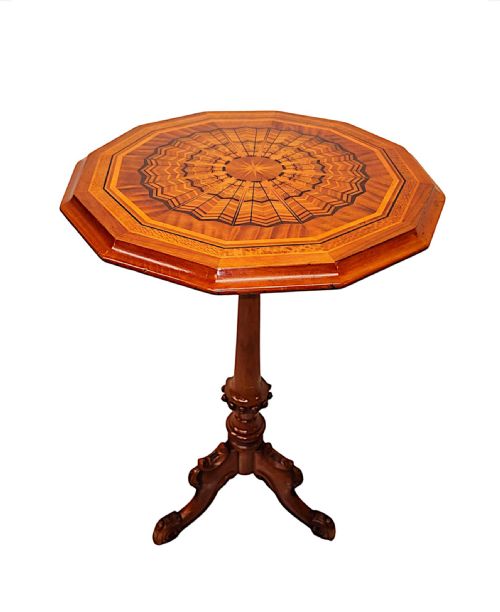
Buyers frequently encounter walnut, burr walnut, and mahogany structures embellished with floral and geometric wood veneers. Smaller pedestal forms and tripod tables dominate the selection, often serving specialised uses like holding lamps, plants, or decorative items.
Regional variations span from Dutch floral marquetry to English Sheraton Revival interpretations and French Napoleon III designs. This diversity allows collectors to select specific stylistic periods while maintaining the core decorative focus of patterned wood inlay.
Markers of Excellence
Quality rests upon the precision of the veneer cutting and the complexity of the timber selection, where tight burr figures and harmonious colour contrasts elevate a piece. Master cabinetmakers achieve seamless joints between diverse wood types, ensuring the surface reads as a unified picture rather than a disjointed puzzle.
The integrity of the underlying structure and the retention of original mounts, such as brass galleries or gilt-bronze ornaments, dictate the standing of an example. Finer pieces demonstrate meticulous attention to secondary timbers and interior construction, whereas lower tiers rely on simpler painted details or loose veneer alignment.
Some nineteenth-century plant stands include lift-off lids, offering hidden storage for the muddy trowels of Victorian gardeners.
Collinson & Lock·Gillows·Liberty & Co.
The Antique Marquetry Stand Glossary
- Marquetry
- Decorative veneer work forming pictures or patterns by assembling small pieces of coloured wood, shell, or ivory onto a structural carcase. This technique differs from parquetry through its pictorial and curvilinear designs.
- Torchiere
- A tall, slender stand originally designed to hold a candle or torch, later adapted as a plant stand or lamp table. These pieces often feature tripod bases and decorative wood tops.
- Burr Walnut
- Wood taken from the abnormal growth of a walnut tree, yielding highly figured, swirling grain patterns prized for decorative table tops and cabinet fronts. It forms a primary surface material in nineteenth-century examples.
- Ormolu
- Gilt-bronze mounts applied to furniture edges and feet, providing metallic contrast and protection to vulnerable corners. The technique involves treating brass or bronze with an amalgam of gold.
- Etagere
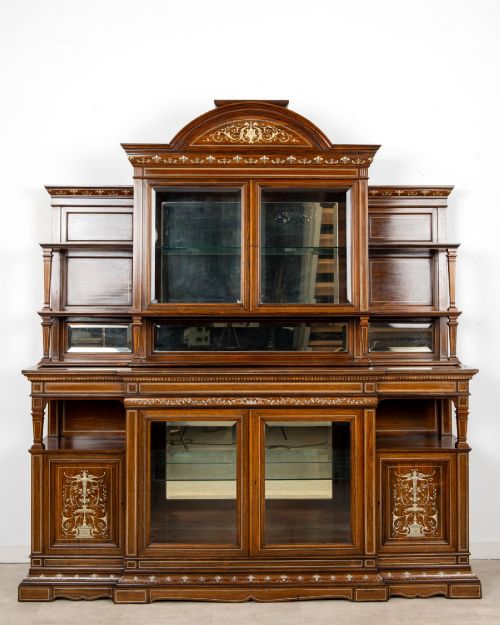
- A set of open shelves for displaying small ornaments, supported by slender columns or uprights. These freestanding pieces frequently incorporate inlaid surfaces and mirrored backs.
Antique Marquetry Stand: Frequently Asked Questions
What is the difference between a torchere and an occasional table?
A torchere is typically taller and narrower, designed specifically to elevate a single lamp, urn, or plant rather than to provide a general surface. Its footprint remains compact to fit corners or narrow spaces.
An occasional table offers a wider top intended for everyday use beside seating or against walls. While both incorporate marquetry tops, their proportions dictate their original placement in a room.
How do I care for a marquetry surface?
Keep inlaid furniture away from direct sunlight and heat sources to prevent the delicate wood veneers from shrinking, cracking, or lifting. Maintaining stable indoor humidity preserves the old animal glues beneath the surface.
Apply a microcrystalline wax periodically to clean and protect the timber without building heavy layers of residue. Avoid harsh chemical cleaners or excessive moisture during routine maintenance.
How can I tell Dutch marquetry from English work?
Dutch marquetry often displays dense, flamboyant floral and urn motifs executed in contrasting woods like walnut, maple, and fruitwood on oak carcases. These pieces frequently date to the seventeenth or eighteenth centuries and exhibit an exuberant pictorial depth.
English interpretations, particularly during the Sheraton Revival period, tend toward more restrained neoclassical symmetry, incorporating satinwood, harewood, and delicate stringing lines. The underlying mahogany or satinwood carcases reflect domestic British furniture standards.
Where should I place an antique stand in a modern room?
Use a slender lamp table beside a reading chair to introduce warm wood tones and textured veneer patterns into a neutral seating arrangement. The compact size allows it to function without overwhelming the floor plan.
Place a plant stand or torchere in an empty corner to add vertical interest and display decorative objects at eye level. Their small footprints make them versatile accents in hallways, bedrooms, or living spaces.