


Antique Marquetry Center Table
An antique marquetry centre table is a freestanding statement piece designed to anchor a room, uniting intricate wood inlay with functional elegance.
Antique Marquetry Center Table
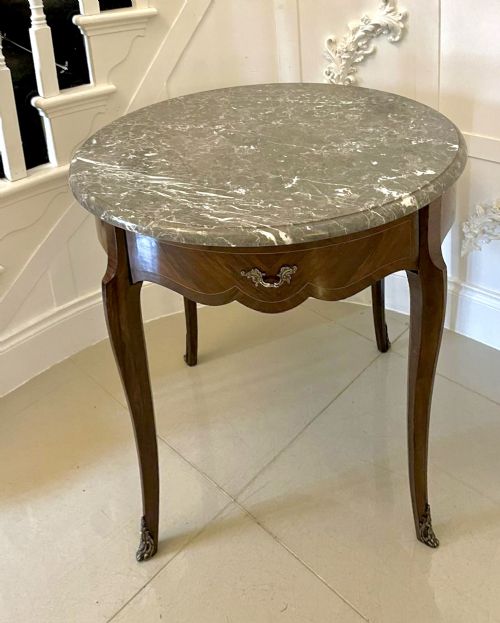
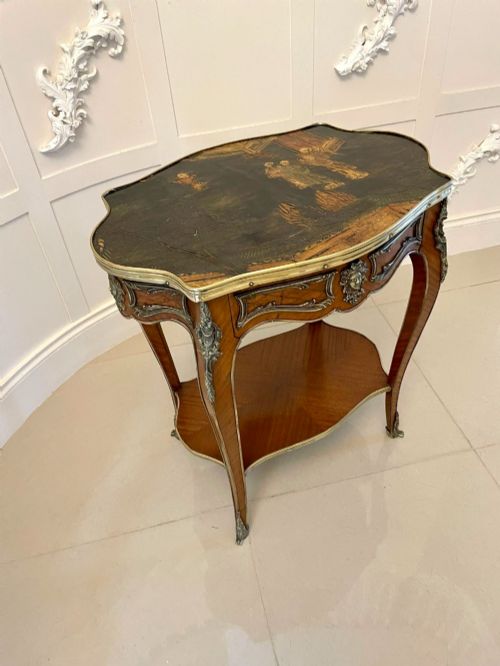
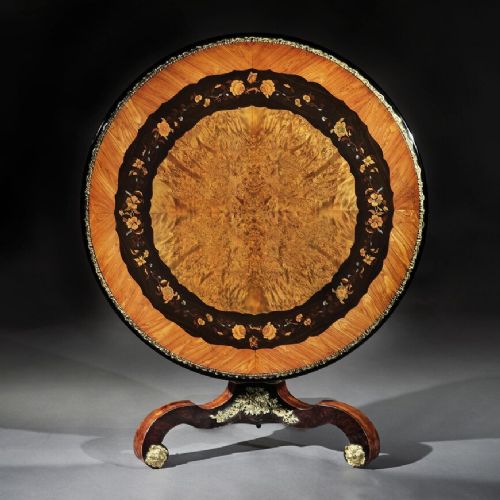
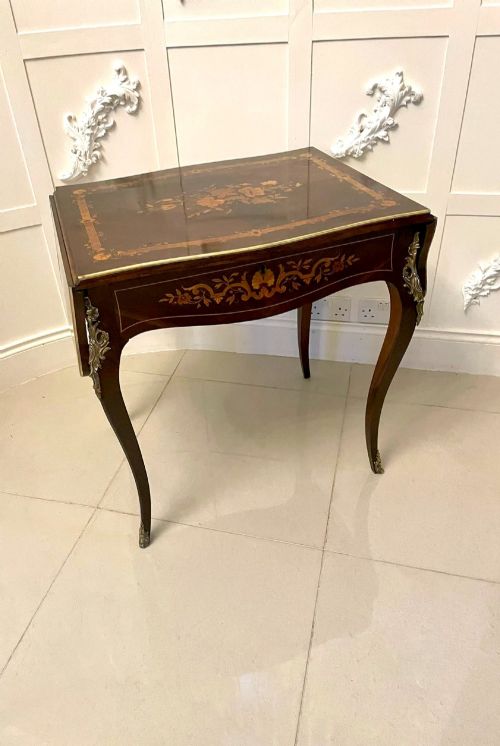
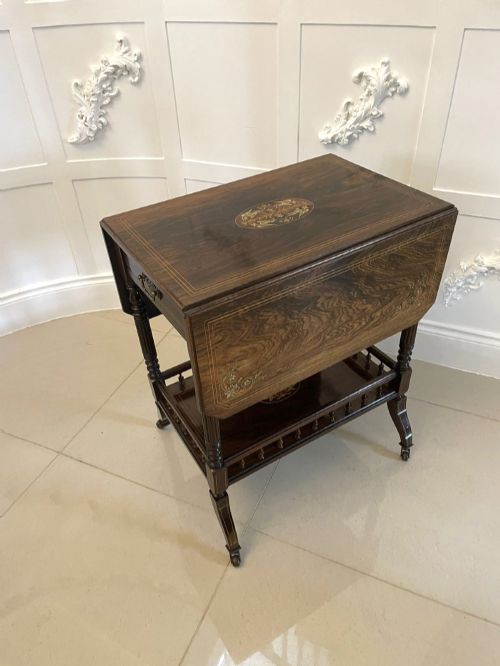
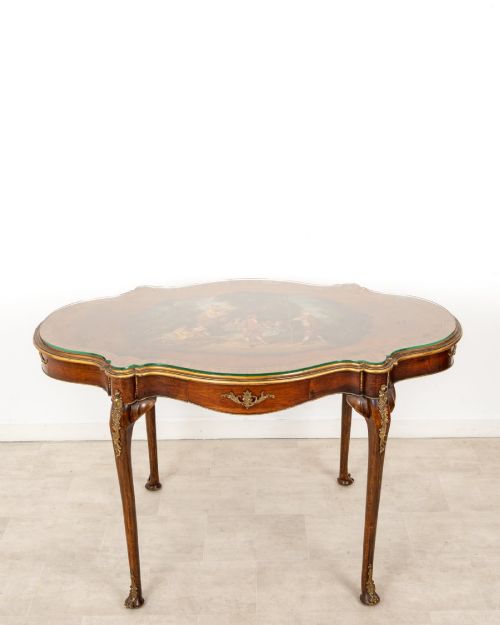
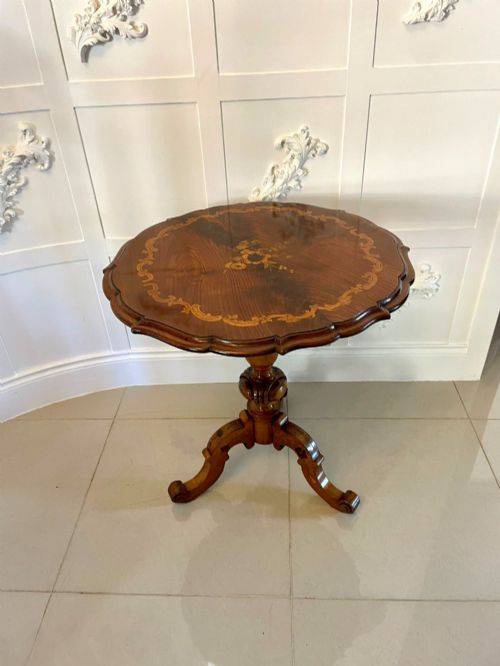
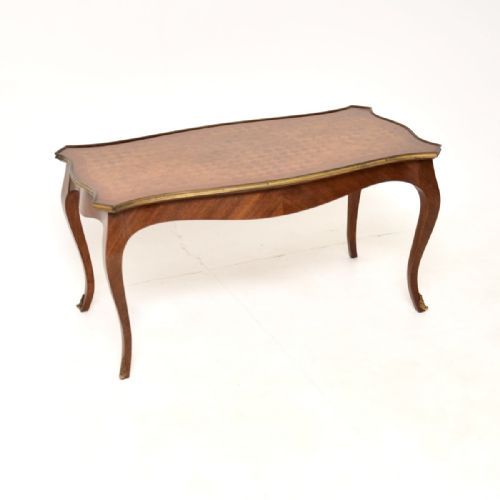
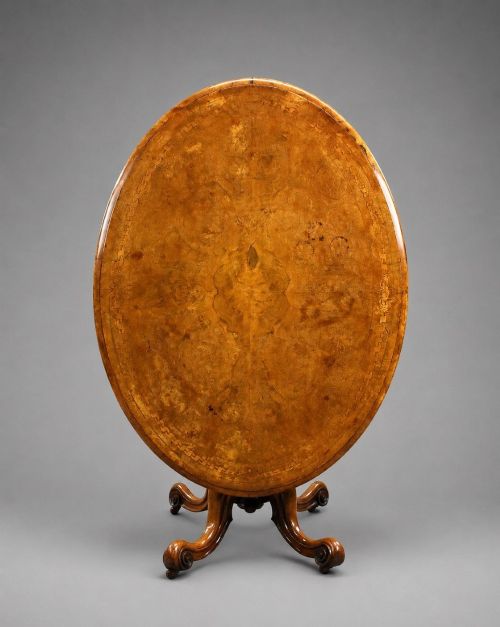
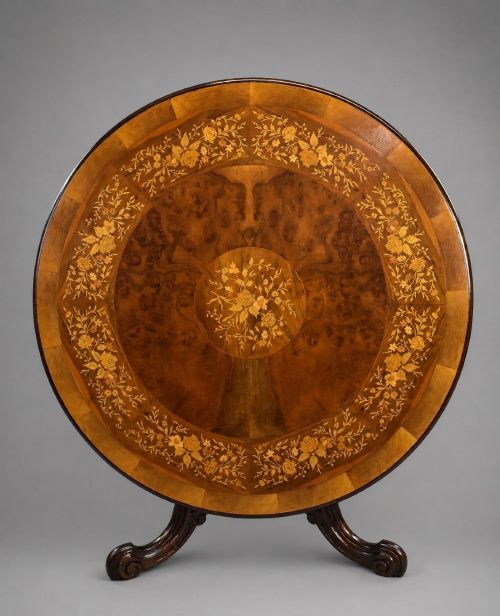
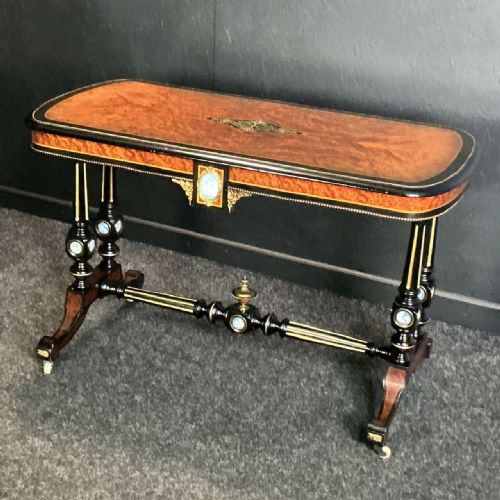
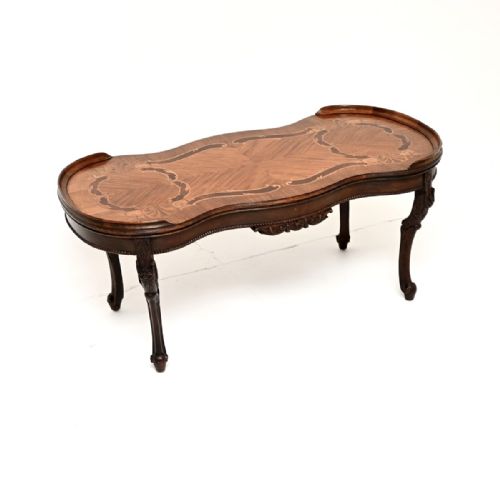
An antique marquetry centre table is typically encountered as a freestanding nineteenth-century Victorian or French revival piece designed to be viewed from all sides. These tables appear in walnut, burr walnut, rosewood, and kingwood, taking forms that range from oval and circular lamp tables to larger octagonal and rectangular shapes. Makers utilised contrasting timbers to create elaborate floral, geometric, or pictorial surface designs.
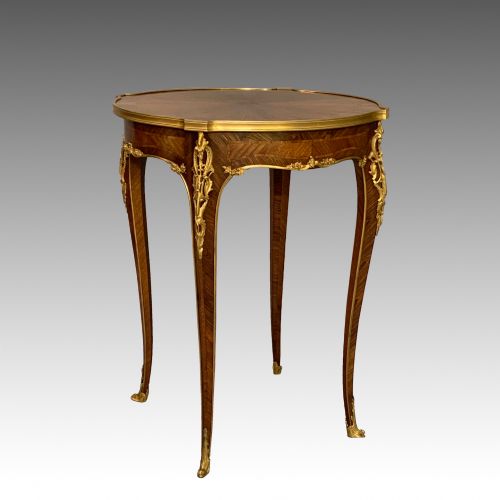
The selection on this page spans seventeenth-century examples through to Edwardian interpretations, including Louis XV and Louis XVI styles alongside Anglo-Indian colonial and Chinese export works. Alongside traditional centre tables, the listings include occasional tables, coffee tables, and writing desks sharing the same detailed inlay tradition. Buyers select these forms to serve as functional centerpieces in drawing rooms and reception spaces.
What Varies in Quality
The distinction between standard production and the finest work lies in the depth and precision of the timber inlay. Master workshops employed finer veneers and tighter shading techniques, creating pictorial depth that cheaper pieces lack. The complexity of the carcass shape, such as serpentine or bombés curves, also signals higher craftsmanship.
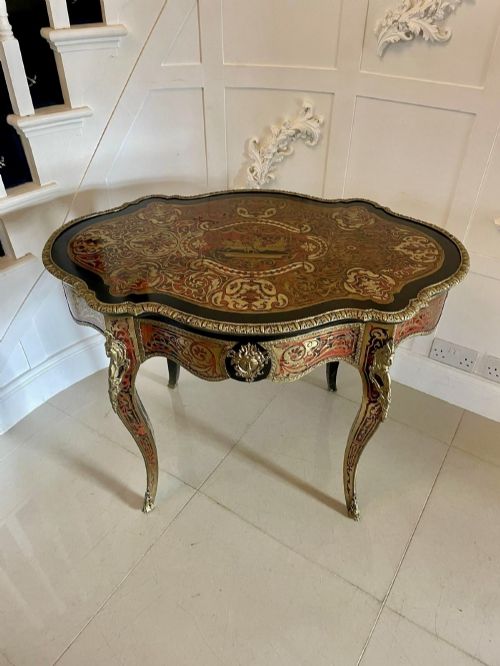
Metalwork further separates the tiers of production. Heavy, finely chased ormolu and gilt bronze mounts indicate superior workshop output compared to simpler brass stampings. The choice of primary and secondary timbers, from humble mahogany to dense calamander and burr yew, directly reflects the ambition of the original commission.
Some tables travelled from as far as Galle and Qing China, meaning your antique English style might have spent its youth looking at palm trees.
Edward Holmes Baldock·Joseph-Emmanuel Zwiener·Edwards and Roberts·Anton Seuffert·Maples and Co
The Antique Marquetry Center Table Glossary
- Marquetry
- The art of applying decorative veneer pieces to a structure to form pictorial or geometric patterns. It differs from parquetry through its use of curved and organic pictorial designs rather than repeating geometric tiles.
- Ormolu
- Gilt bronze ornamentation applied to the mounts, feet, and edges of fine furniture. This technique involves coating cast bronze with a mercury and gold amalgam before heating.
- Parquetry
- A geometric mosaic of wood pieces used for surface decoration. This technique creates regular patterns like cubes, chequers, and triangles.
- Freestanding
- A descriptor for furniture finished on all sides so it can sit away from walls in the middle of a room. These pieces require detailed inlay and polishing across every visible angle.
- Stringing
- Thin lines of contrasting wood or metal inlaid into channels in the furniture surface. It defines borders and highlights the geometric contours of the table top.
Antique Marquetry Center Table: Frequently Asked Questions
Where should I place a centre table?
These tables are designed to stand away from walls where their inlaid tops can be seen from all angles. They suit large hallways, drawing rooms, or as a central anchor in a spacious study.
Ensure there is enough walking space around the perimeter so the piece functions properly without obstructing movement through the room.
How do I care for antique marquetry surfaces?
Protect the polished wood and delicate veneer by keeping the table away from direct sunlight and heat sources like radiators. Use dry, soft cloths for dusting and avoid silicone-based polishes that can damage old French polish.
Applying microcrystalline wax occasionally helps nourish the wood and protects the inlaid veneers from drying out over time.
What is the difference between marquetry and parquetry?
Marquetry uses varied wood veneers to create pictorial scenes, florals, and flowing scrolls across the table top. It requires cutting organic shapes that fit together like a jigsaw puzzle.
Parquetry relies on geometric shapes such as cubes, diamonds, and squares to build repeating, architectural patterns across the surface.
How can I tell a Victorian piece from an Edwardian one?
Victorian tables from the mid to late nineteenth century often feature dense burr walnut or rosewood with heavy carving and robust proportions. They lean toward ornate revival styles including French Rococo and Louis XV influences.
Edwardian interpretations tend to show lighter satinwood or mahogany construction with refined, delicate inlay work often inspired by earlier eighteenth-century designs.