




Blond Wood Occasional Table
A blond wood occasional table brings bright, pale grain and clean Scandinavian or Art Deco lines directly into a modern room.
Blond Wood Occasional Table
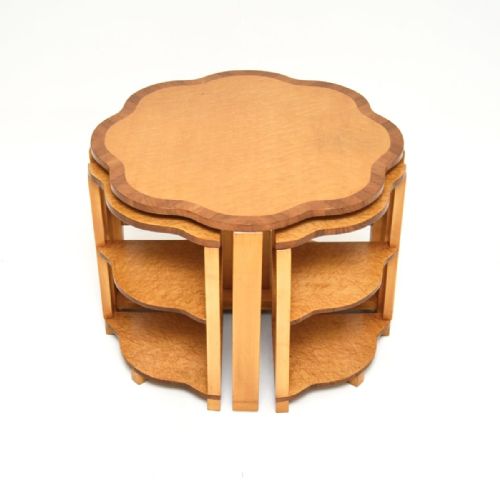
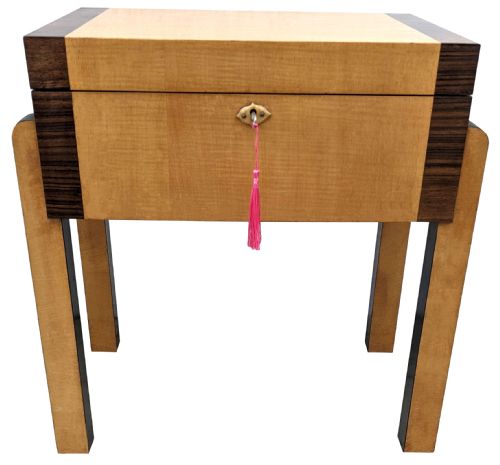
When buyers search for a blond wood occasional table, they find compact surfaces that serve beside a sofa or chair without dominating the floor space. These pieces range from side tables and nesting coffee tables to lyre-form occasional tables and lamp tables.
The selections span the nineteenth century through the Art Deco era of the nineteen-thirties, taking in Biedermeier, Karl Johan, and Scandinavian country traditions. Birch, maple, and satinwood dominate the forms, offering pale timber tones that bring light to an interior.
Most examples meet specific functional needs through nest of tables formats, sofa tables, or octagonal centre tables. The nineteen-thirties pieces favour geometric Art Deco layouts, while the nineteenth-century pieces showcase inlaid birch and burr maple figures.
How they were made
Cabinetmakers utilised pale indigenous hardwoods like birch, satinwood, and birds eye maple, often laid as veneers over firmer carcass timbers. Burr elm and Karelian birch appear where distinct figuring was desired for table tops.
Surface decoration relies heavily on the natural grain pattern itself, supplemented by contrasting ebonised details or delicate inlay work. Construction methods range from nineteenth-century lyre forms to twentieth-century nesting frames.
Birds eye maple lets tiny trapped knots mimic a flock of watching eyes across your coffee table.
What varies in quality
The distinction between ordinary and exceptional pieces rests on the choice of timber figure and the precision of the veneer work. Select examples display symmetrical grain matching across birds eye maple or burr birch surfaces.
Structural harmony also separates standard pieces from the finest output, particularly in complex forms like nests of tables or lyre-form bases. Maker attribution, such as pieces produced by the Hille Furniture Company, elevates the standing of an Art Deco example.
The Hille Furniture Company
The Blond Wood Occasional Table Glossary
- Biedermeier
- A Central European style spanning the nineteenth century that prioritised clean lines and warm, pale woods over heavy ornamentation. It remains a primary influence for many mid-nineteenth-century tables.
- Birds Eye Maple
- A figure in maple wood where small knots give the appearance of tiny bird eyes dotting the surface. Cabinetmakers prized this timber for decorative table tops.
- Karelian Birch
- A distinctive northern European birch variety known for its dense, twisted grain patterns resembling miniature flames. It creates highly decorative surfaces on twentieth-century tables.
- Satinwood
- A hard, durable timber with a natural golden sheen and smooth texture. It serves frequently in fine inlay and decorative occasional tables.
- Sofa Table
- A long, narrow table traditionally designed to stand directly in front of or behind a sofa. These pieces often feature drop leaves or small drawers.
Blond Wood Occasional Table: Frequently Asked Questions
How do I style a blond wood table?
The pale tones of birch and maple suit both minimalist modern rooms and traditional interiors. Use them beside seating areas to hold lamps or books.
Their neutral grain allows them to sit comfortably alongside darker woods without visual conflict.
Are nesting tables practical?
Nesting tables offer multiple surfaces that tuck neatly beneath one another to save floor space. They provide flexibility when entertaining guests.
Art Deco examples in birds eye maple combine this utility with striking decorative grain.
What distinguishes Biedermeier tables?
Biedermeier pieces focus on architectural simplicity and the natural beauty of wood grain rather than heavy carvings. They often utilise birch and other pale timbers.
Nineteenth-century examples set a standard for understated elegance.
How do I identify nineteenth-century birch?
Nineteenth-century birch exhibits a warm, pale yellow tone with subtle grain movement or pronounced figuring like burr. Tables from this era often feature hand-turned pedestals or delicate inlay.
Swedish pieces from this period frequently display simple, functional geometries.