

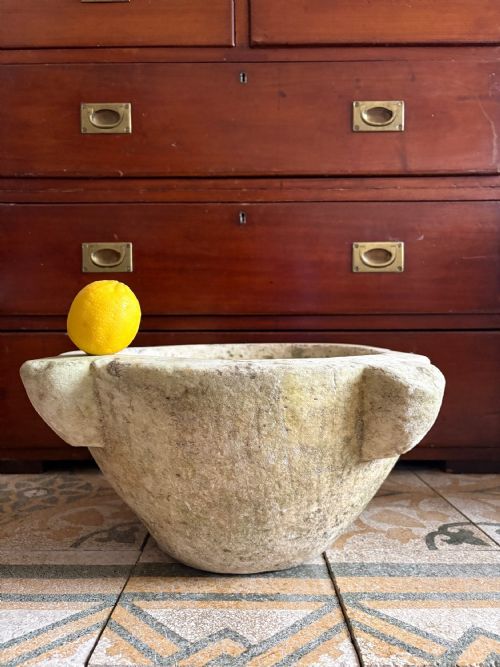


Antique Marble Vessel
These antique marble vessel selections bring classical form and enduring stone into a room with quiet presence.
Antique Marble Vessel
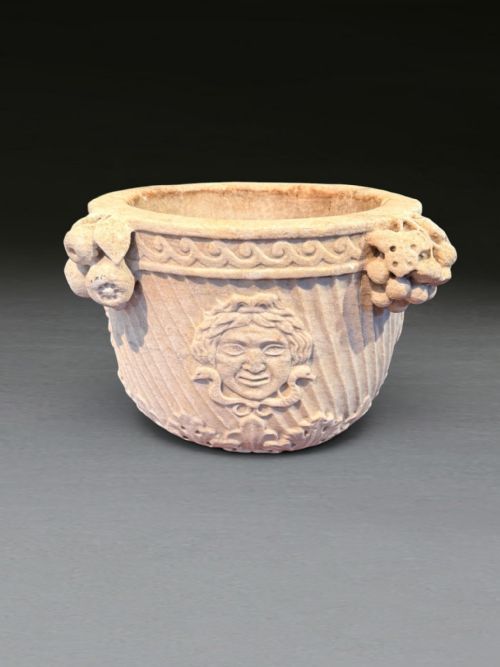
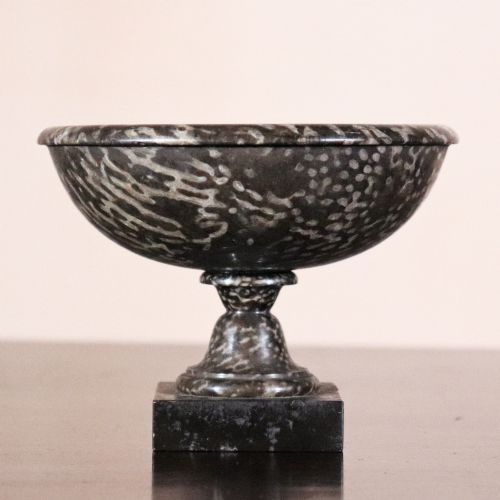
An antique marble vessel encompasses urns, tazzas, mortars, and vases carved from mineral-rich stones across several centuries. When exploring this group, buyers frequently encounter Grand Tour souvenirs and neoclassical display pieces originating from Italy and Britain during the nineteenth century.
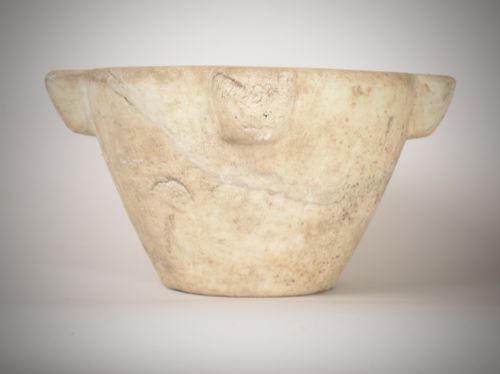
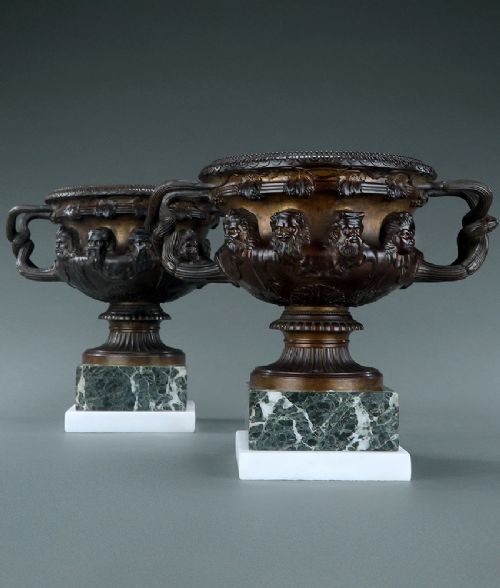
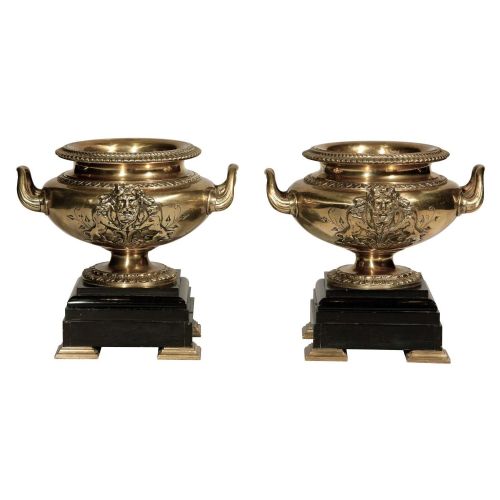
The assortment ranges from substantial kitchen mortars in white marble to decorative urns mounted on gilt bronze or ormolu bases. Pieces span the sixteenth to the early twentieth century, reflecting shifting tastes in classical revival and regional stone working traditions.
Materials and construction methods
Makers shaped these objects using dense natural minerals including white marble, green marble, rosso antico, and serpentine, often combining the stone with cast bronze and ormolu mounts. Stonemasons turned vessels on lathes or carved them by hand to achieve classical profiles like the Albani vase and low tazzas.
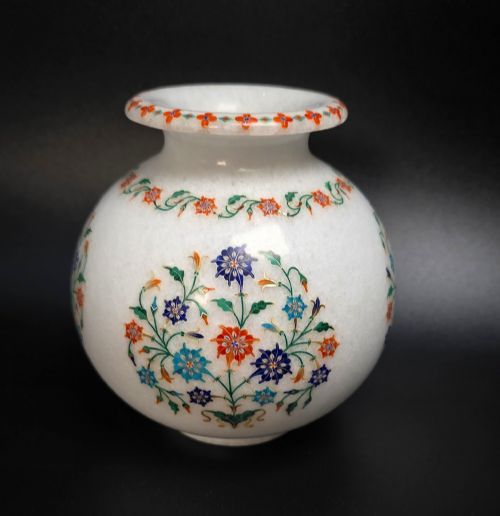
Inlaid techniques such as pietra dura appear in regional works from the Raj period, while Ashford specimens utilise local decorative minerals set into geometric patterns. Metal components are cast and chased separately before securing to the stone bases.
Some nineteenth-century French artisans carved entirely unexpected luxury yachts out of sycamore wood, just so they could mount them upon solid marble bases.
Assessing quality in carved stone
The distinction between ordinary and exceptional pieces rests upon the crispness of the carving and the natural variegation of the mineral. Superior specimens display well-defined classical motifs and harmonious veining without distracting structural faults in the stone.
The integration of secondary materials, such as finely chased gilt bronze mounts or complex pietra dura inlay, elevates the status of a work. Weight, symmetry, and the fidelity of proportion to historical archetypes further separate standard souvenirs from masterworks.
Benedetto Boschetti·Selim Bright·Vincenzo Gemito
The Antique Marble Vessel Glossary
- Tazza
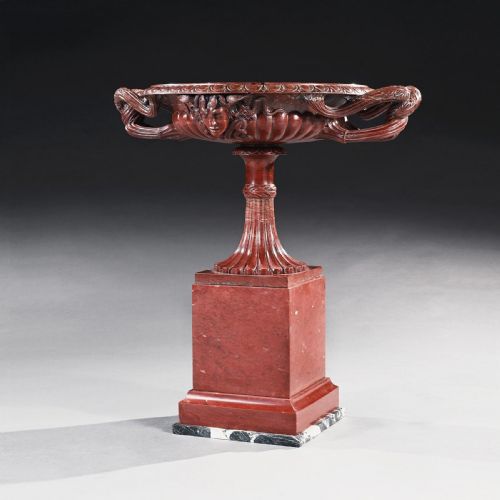
- A shallow saucer or cup on a stem and foot, frequently employed as a decorative centrepiece in neoclassical collections. These vessels often utilise coloured marbles like rosso antico or malachite.
- Grand Tour
- A traditional trip of Europe undertaken by upper-class young men in the eighteenth and nineteenth centuries to study arts and antiquity. Souvenirs purchased along the route included miniature bronze and marble vases.
- Pietra dura
- An artistic technique of using cut and fitted, highly polished coloured stones to create images or geometric decoration. This method appears on inlaid marble vases from the Raj period.
- Ormolu
- Gilt bronze mounts applied to furniture, clocks, and decorative vessels during the eighteenth and nineteenth centuries. The technique involves coating bronze in a mercury-gold amalgam.
- Rosso antico
- A deep red marble favoured by the ancient Greeks and Romans, later revived by nineteenth-century Italian stonemasons for classical souvenir vessels and tazzas.
Antique Marble Vessel: Frequently Asked Questions
What is a Grand Tour marble vessel?
A Grand Tour vessel is a souvenir acquired by travellers visiting classical sites in Italy during the eighteenth and nineteenth centuries. These pieces replicated famous antique sculptures and architectural ruins found abroad.
Craftsmen utilised local stones like serpentine, malachite, and rosso antico, often mounting the carved stone on bronze bases for domestic display back home.
How do I clean an antique marble vessel?
Dusting the stone gently with a soft, dry cloth is the safest method for routine maintenance. Avoid acidic cleaners, water, or abrasive materials that can etch the polished surface of the marble.
If the piece includes bronze or ormolu mounts, keep moisture away from the junction between metal and stone to prevent corrosion or staining.
Where were nineteenth century marble tazzas made?
Many of these tazzas originated in Italian workshops catering to foreign travellers, particularly in Rome and Florence. Artisans utilised regional mineral deposits to create high-status decorative objects.
Other production centres included Britain, where specialists in Ashford utilised local fluorites and dark marbles to produce inlaid specimens.
How can I tell an older mortar from a vase?
Mortars were designed for practical kitchen use, featuring thick walls, heavy white marble construction, and wide rims intended for grinding ingredients. Vases and urns prioritize decorative slender proportions.
An antique mortar often bears surface wear consistent with pestle use, whereas decorative vessels display crisp exterior carving and ornamental mounts.