
19th Century Classical Urns
These 19th century classical urns bring sculptural dignity and ancient forms to interior and garden spaces through enduring Neoclassical and Grand Tour designs.
19th Century Classical Urns
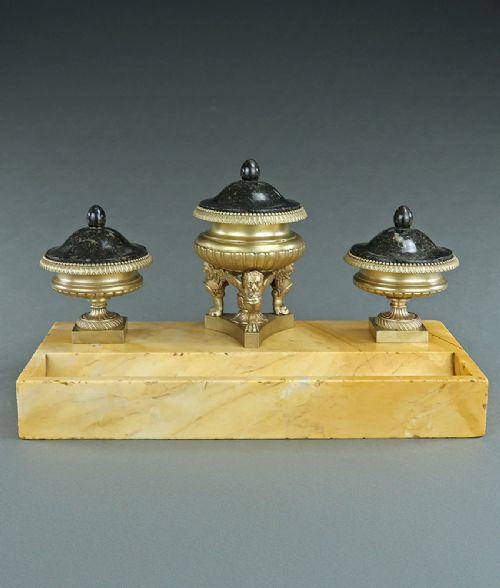
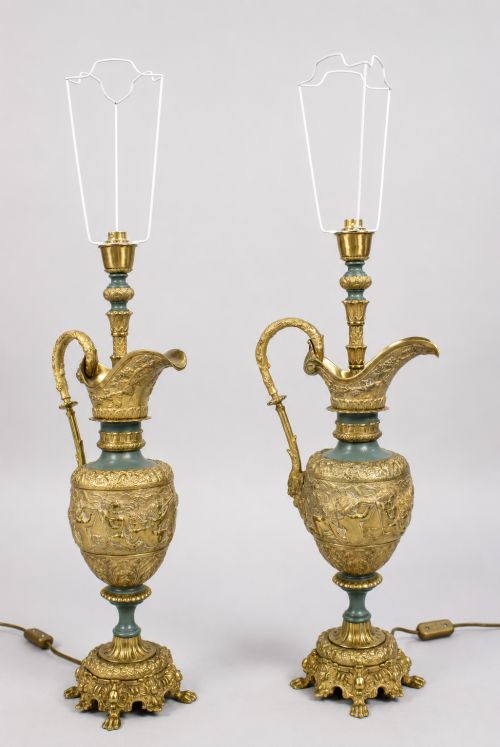
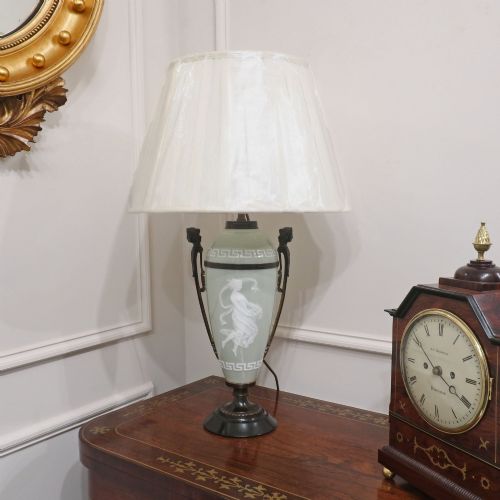
When searching for 19th century classical urns, buyers encounter decorative vessels and garden ornaments inspired by ancient Greece and Rome. The selection includes cabinet pieces, large garden planters, and objects adapted into table lamps.
Most examples date across the nineteenth century, from the early decades through to 1900. French and English makers dominate the selection, utilising styles such as Louis XVI, French Empire, and Victorian Neoclassical.
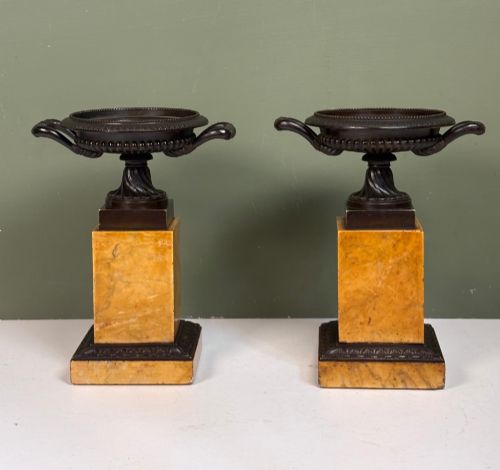
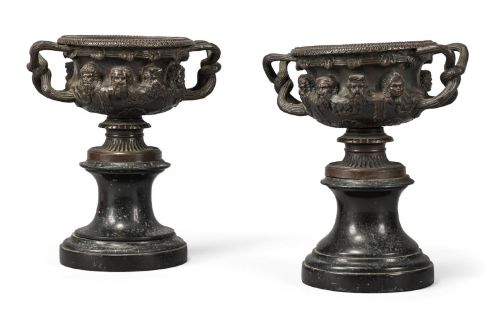
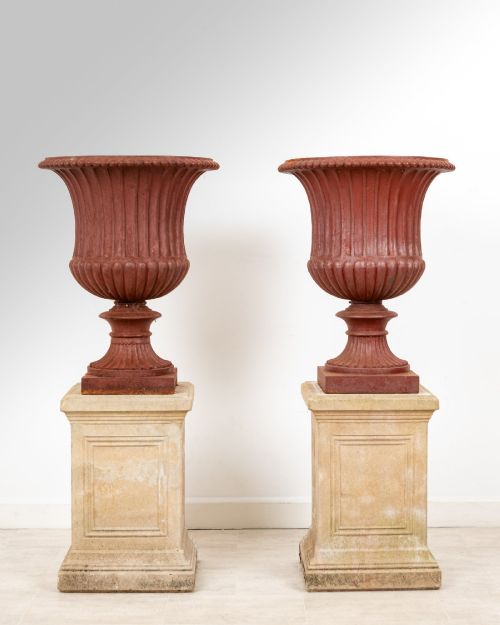
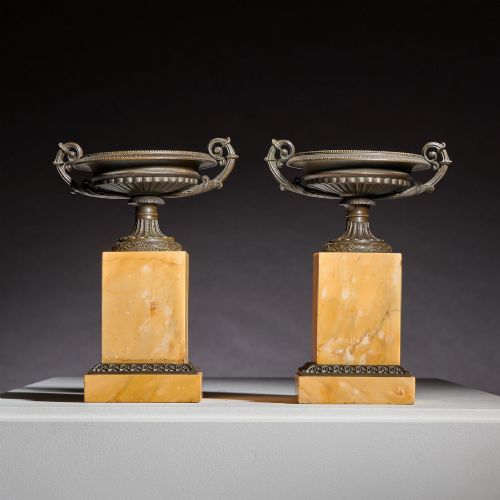
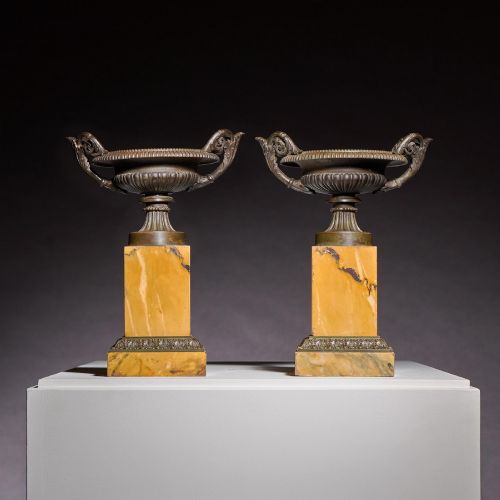
Forms span from campana urns and tazzas to ewers and reductions of famous antiquities like the Warwick vase. Buyers find both monumental cast iron garden pieces and delicate porcelain or bronze decorative objects.
How they were made
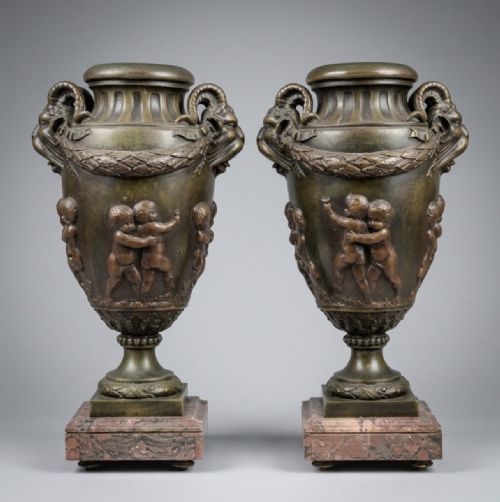
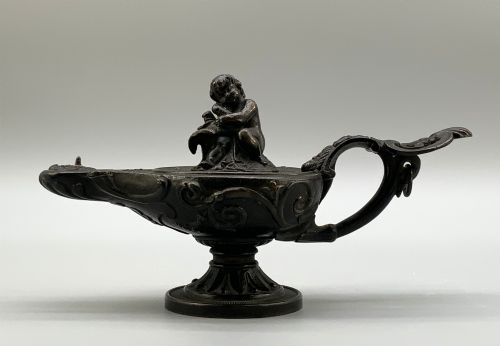
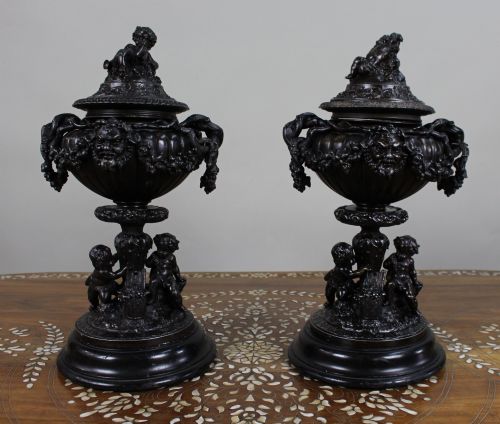
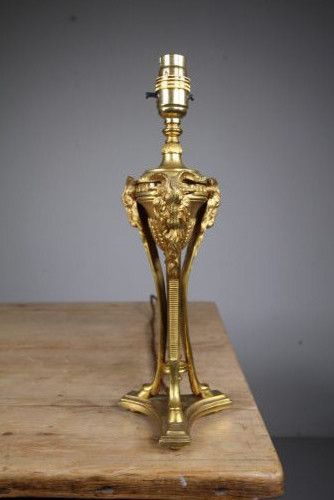
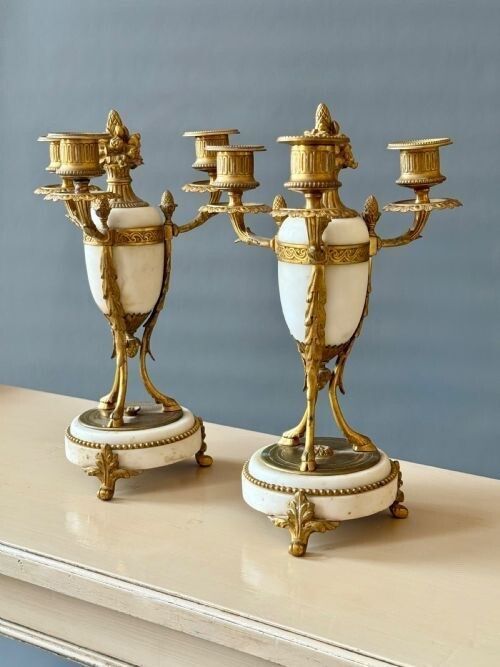
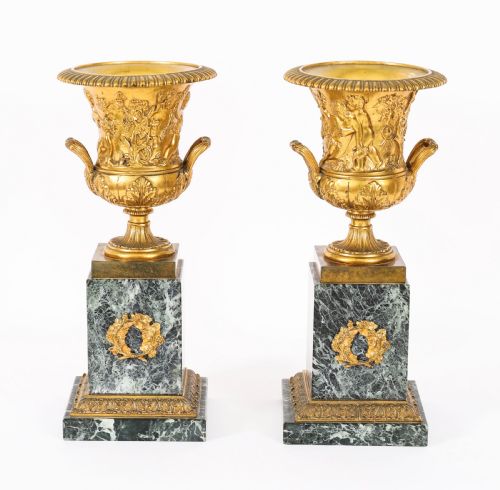
Metalwork forms a core category, utilising bronze, gilt bronze, ormolu, brass, and cast iron. Foundry techniques involve casting metal details, such as bacchic masks and putti, which are then patinated or gilded.
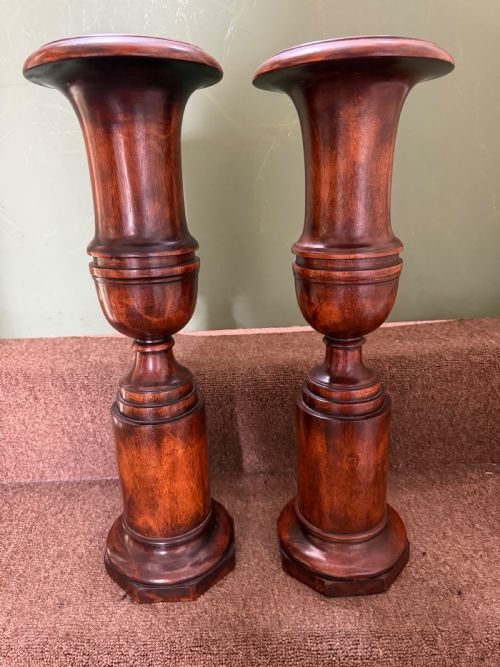
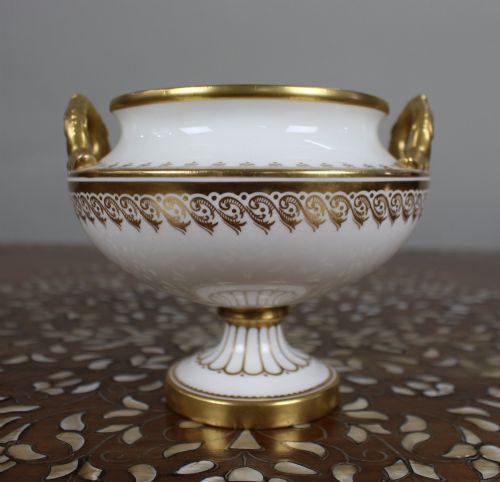
Stone and ceramic materials include various marbles, white onyx, terracotta, and porcelain. Skilled artisans turned marble and soft stone on lathes or painted porcelain bodies with intricate details including pate sur pate designs.
Bacchic masks and playful putti frequently peer out from nineteenth-century bronze handles.
What varies in quality
Quality reveals itself in the crispness of the casting and the depth of the metal patina or gilding. Superior bronze and ormolu pieces display sharp relief work on decorative handles and classical motifs.
In stone and marble examples, the choice of material and the precision of the turning elevate the piece. Finer items integrate distinct mineral figuring in the marble and well-executed figural mounts.
Andrew Handyside·Boschetti·Meissen·Balling for Versailles
The 19th Century Classical Urns Glossary
- Campana urn
- A bell-shaped vessel with a flaring rim and a footed base, frequently cast in iron or bronze for gardens and interiors.
- Ormolu
- Gilt bronze mounted onto decorative objects and furniture, popular in French Neoclassical and Louis XVI style pieces.
- Grand Tour
- Souvenirs and miniature reductions of classical antiquities collected by travellers during the eighteenth and nineteenth centuries.
- Tazza
- A shallow saucer-like vessel resting on a stem and foot, often fashioned from bronze, marble, or porcelain.
- Pate sur pate
- A ceramic technique where a relief design is built up in successive layers of liquid white clay on a darker body.
19th Century Classical Urns: Frequently Asked Questions
What are campana urns?
Campana urns are bell-shaped classical vessels designed with a wide, flaring rim and a footed pedestal. They originate from ancient pottery and metal forms.
During the nineteenth century, makers cast these urns in iron, bronze, and stone for both grand gardens and interior display.
What is a Grand Tour urn?
Grand Tour urns are nineteenth-century reductions and interpretations of famous ancient sculptures and ruins found in Italy. Travellers collected them as sophisticated mementos of their travels.
These pieces were typically cast in bronze or carved in marble to replicate historic antiquities on a smaller scale.
How are antique urns used today?
Antique urns function primarily as focal decorative objects on mantelpieces, consoles, and pedestals. Larger cast iron versions serve as traditional garden planters and architectural ornaments.
Some nineteenth-century examples were historically wired as table lamps or candelabra while retaining their classical silhouette.
Which materials appear most often?
Metal varieties include bronze, gilt bronze, ormolu, brass, and cast iron. These materials allowed intricate casting of classical motifs and figural handles.
Stone and ceramic options feature various marbles, onyx, terracotta, and porcelain, often paired with metal mounts.