

Antique Mantelpiece Wall Mirror
An antique mantelpiece wall mirror brings architectural scale and reflected light to a room, drawing the eye naturally to the hearth below.
Antique Mantelpiece Wall Mirror
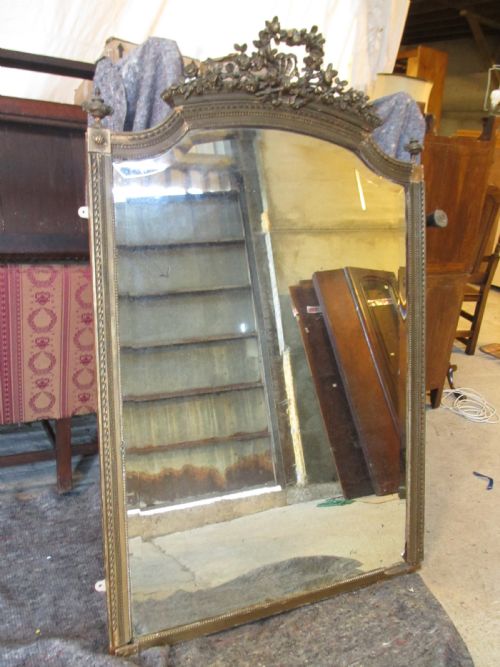
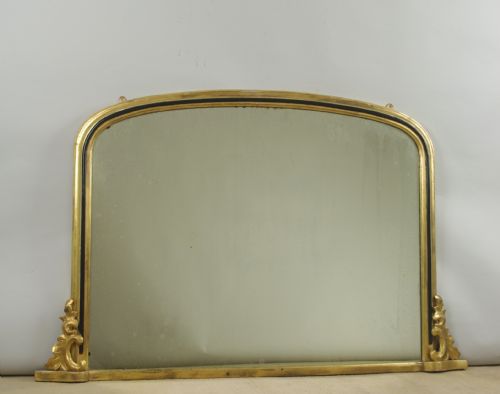
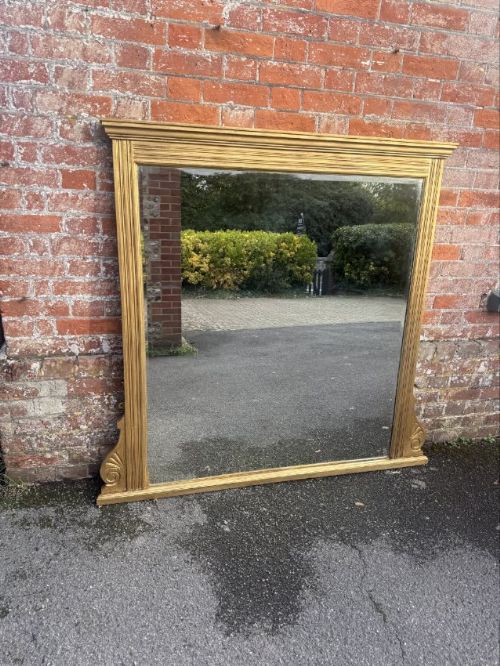
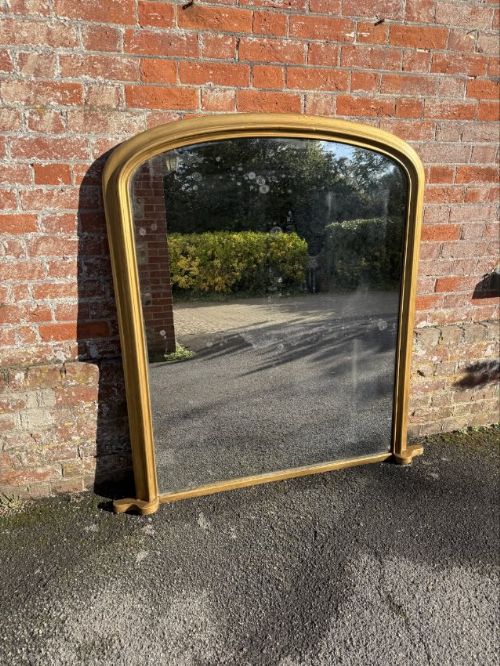
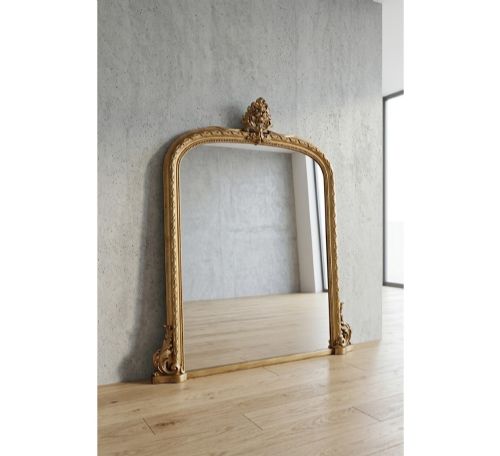
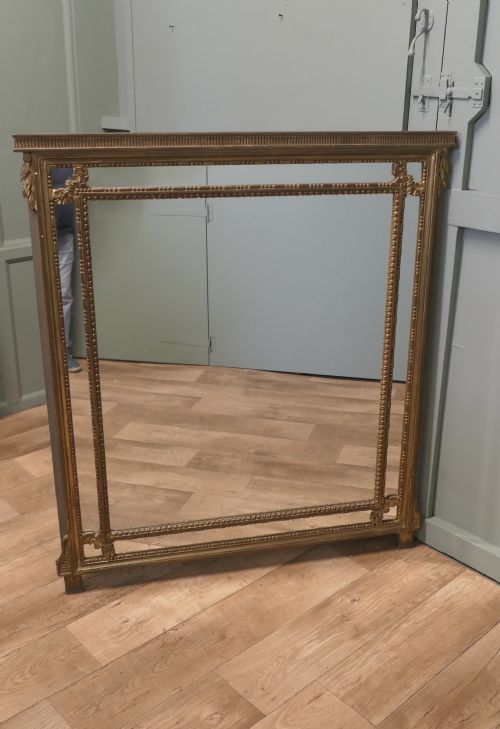
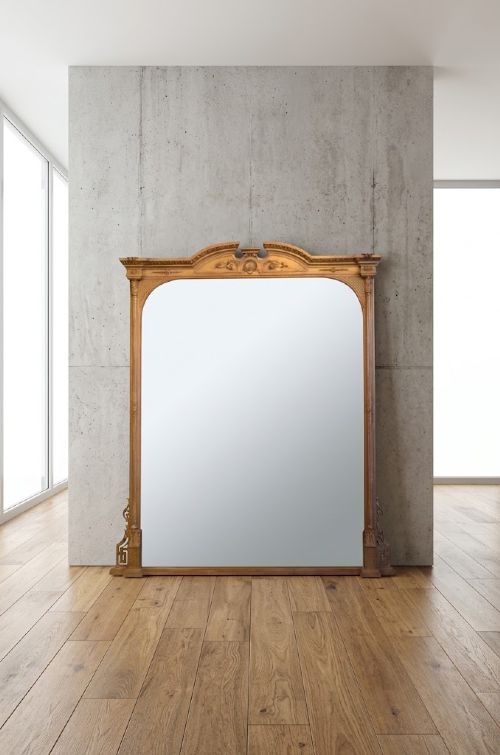
An antique mantelpiece wall mirror is principally designed to sit above a fireplace, anchoring the chimney breast with presence and height. These items span periods from the eighteenth century through to the early twentieth century, encompassing Victorian, Regency, and French styles.
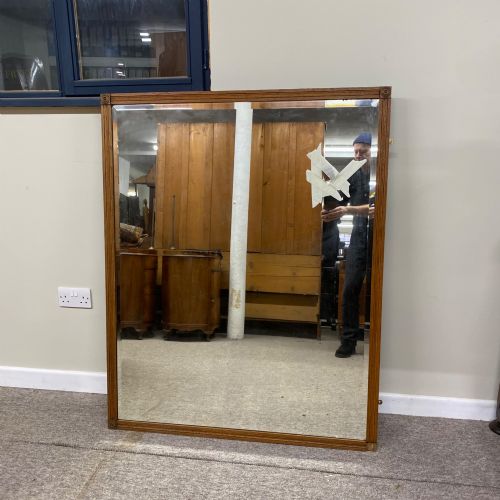
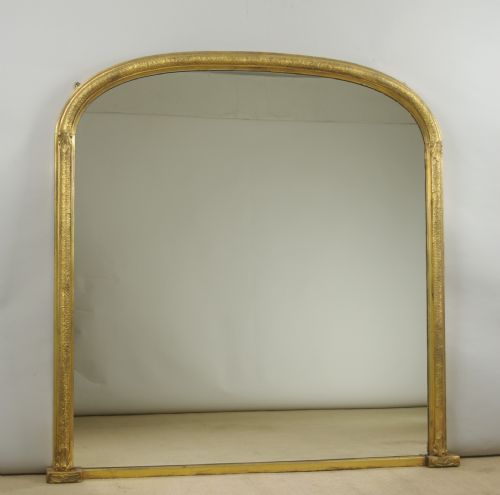
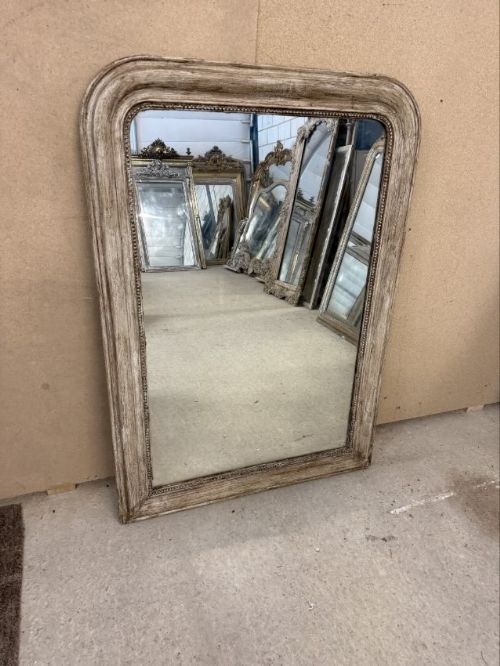
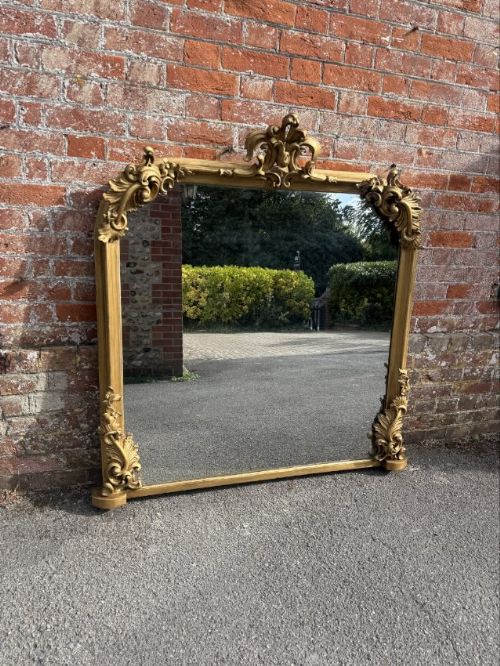
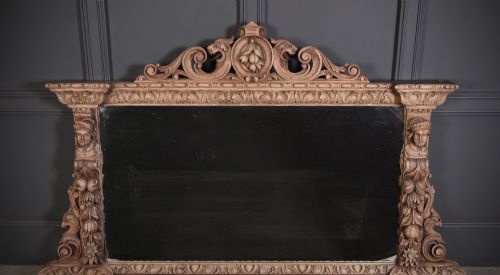
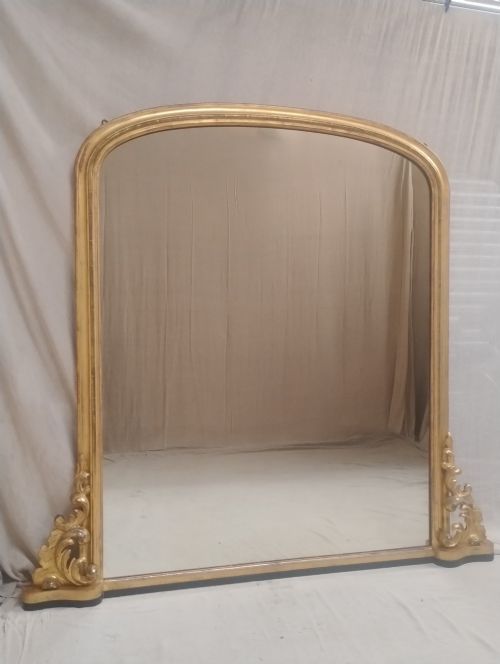
The most common formats on this page are overmantels and large wall mirrors featuring arched, shaped, or rectangular tops. English and French workshops produced these pieces in substantial proportions to suit high-ceilinged reception rooms.
Makers utilised wood, gesso, and glass to create functional decoration that dominated domestic interiors. Surviving examples range from simple painted pine frames to heavily gilded and carved showpieces.
How They Were Made
Carved wood and moulded composition, or gesso, form the structural frames of these mirrors. Artisans applied thin layers of gold leaf or paint over these substrates to achieve the desired lustrous or coloured finish.
Mirror glass of the period was set into frames either as a single large plate or divided into multiple sections, such as triple plate configurations. Joinery techniques included solid oak or pine backboards secured behind the primary decorative moulding.
Antique Mantelpiece Wall Mirror Retail Price Guide 2026
Typical asking prices for mantelpiece wall mirror among the pieces listed under this phrase on Sellingantiques today, from the lower quarter to the upper quarter. They describe what is for sale here now, not the wider market.
Some nineteenth-century mirrors feature hidden pencil inscriptions from gilders who marked their secret work on the bare wood behind the frame.
What Varies in Quality
The depth and crispness of the carved detail separate standard production pieces from masterwork examples. Hand-carved wooden enrichment holds sharper definition than moulded composition pressed into shape.
The preservation of the original mercury or silvered mirror plate and the integrity of the gilding dictate desirability. Superior specimens retain their original glass with authentic foxing alongside undisturbed giltwood surfaces.
The Antique Mantelpiece Wall Mirror Glossary
- Overmantel
- A large mirror specifically proportioned to hang on the wall directly above a fireplace mantelpiece. These pieces often incorporate horizontal formats or arched tops to follow the architectural lines of the chimney breast.
- Gesso
- A plaster-like mixture applied to wood frames and smoothed before gilding or painting. It accepts deep relief moulding and detailed carving work.
- Giltwood
- Timber, commonly pine or softwoods, that has been coated in gold leaf. This finish provided a rich, reflective quality suited to formal nineteenth-century drawing rooms.
- Triple plate
- A mirror construction where the glass is divided into three distinct vertical or horizontal sections within one frame. This technique was favoured during the Regency period to break up large expanses of reflection.
- Cartouche
- An ornamental frame resembling a scroll or paper sheet with rolled edges, frequently seen on French revival designs. It adds elaborate curves and sculptural movement to the mirror silhouette.
Antique Mantelpiece Wall Mirror: Frequently Asked Questions
How do I hang a heavy overmantel mirror safely?
These mirrors carry substantial weight due to their dense wood frames and thick glass plates. Secure the piece directly into masonry or wall studs using heavy-duty brackets rated for the load.
Many examples include original iron fixing rings on the reverse. Distribute the weight evenly across multiple points to protect both the antique frame and the wall structure.
Were these mirrors always meant for fireplaces?
While the overmantel format specifically developed to occupy the wall space above a hearth, similar large wall mirrors hung in grand hallways and between windows. Pier mirrors, for instance, occupied the narrow wall space between two window openings.
Regardless of placement, their primary domestic function remained the amplification of natural daylight within candlelit or gas-lit rooms.
How do I distinguish a Victorian piece from a Regency one?
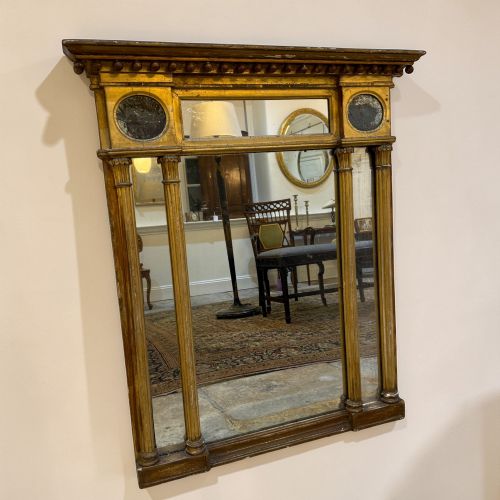
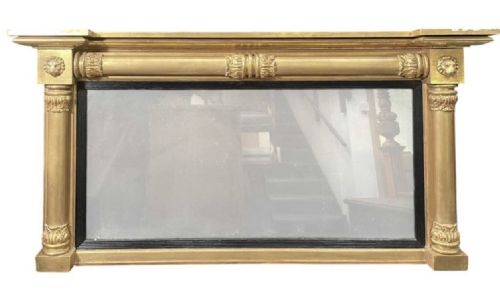
Regency mirrors often display restrained neoclassical influence with strict symmetry, reeded columns, and ball-accented friezes. They lean towards architectural clarity and balanced proportions.
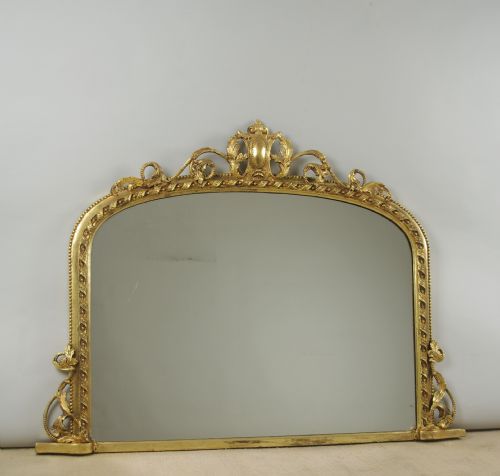
Victorian examples, particularly those influenced by the Rococo Revival, introduce exuberant asymmetry, heavy scrollwork, and elaborate cartouche crests. The carving becomes deeply undercut and visually dense.
Should I replace foxed or aged mirror glass?
Original mirror glass frequently develops dark spots, oxidation, and foxing over the decades. Collectors generally prefer to keep the original glass because it proves the age and untouched character of the piece.
Replacing the plate with modern, flawless glass removes part of the historic patina and alters the soft reflection characteristic of antique mercury or early silvered plates.