






Antique Mahogany Wall Unit
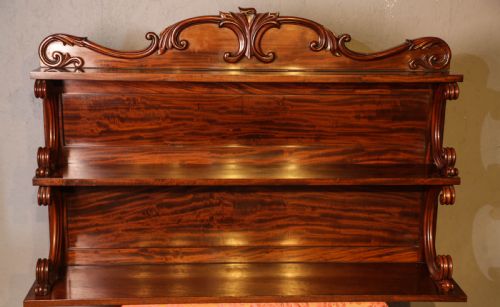
An antique mahogany wall unit brings warmth and architectural order to a room, offering clever storage that preserves valuable floor space.

Antique Mahogany Wall Unit
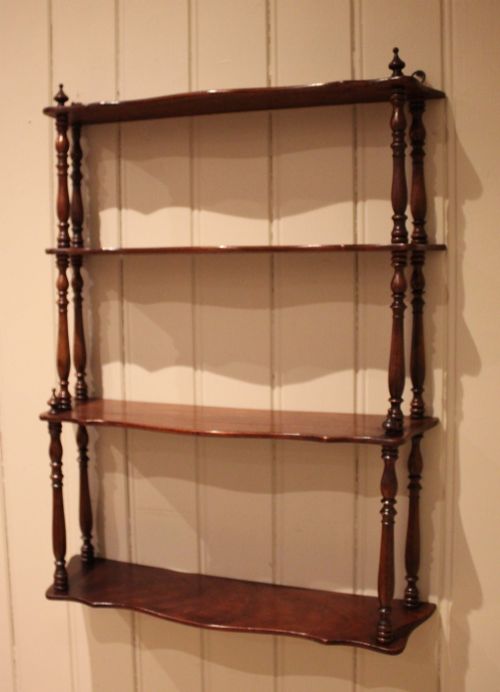
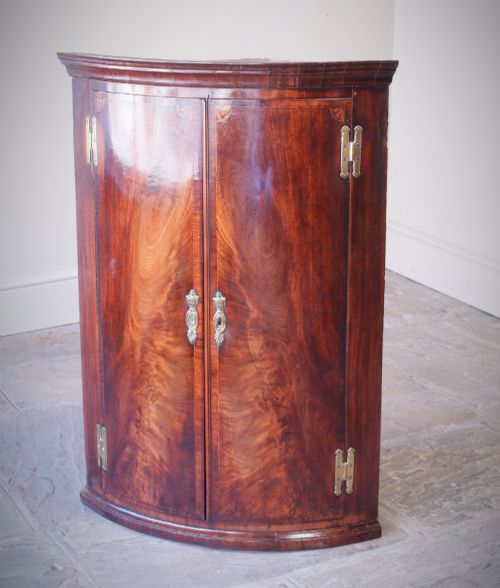
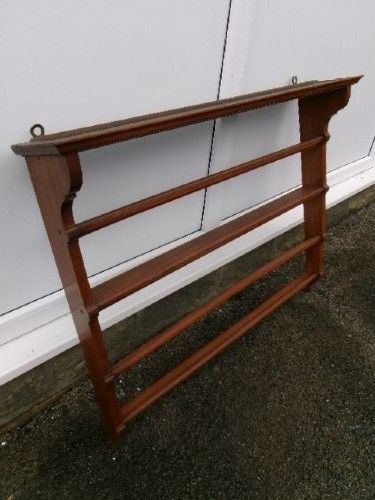
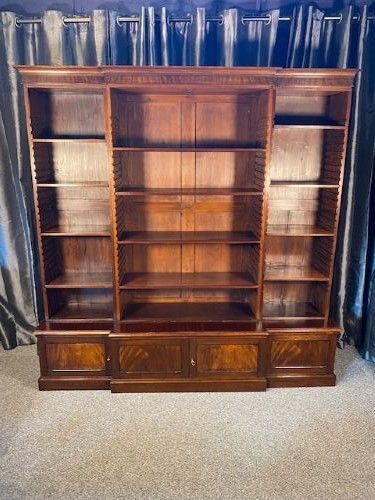
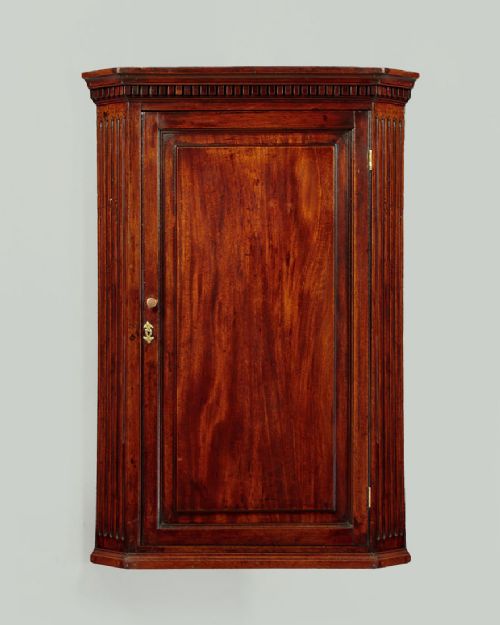
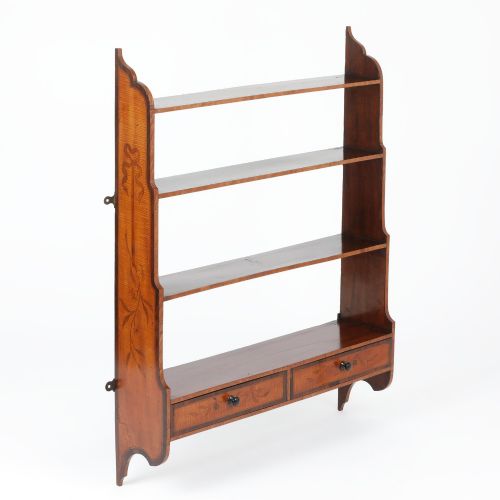
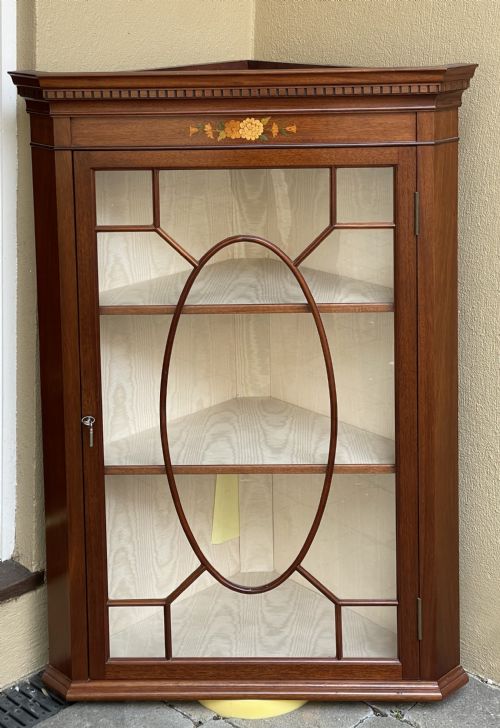
When you search for an antique mahogany wall unit, you encounter a variety of hanging shelves, corner cupboards, and wall-mounted display cabinets designed to utilise vertical space efficiently.
The pieces appearing on this page span several centuries, with Georgian and Regency corner cupboards alongside Victorian and Edwardian hanging shelves dominating the selection.
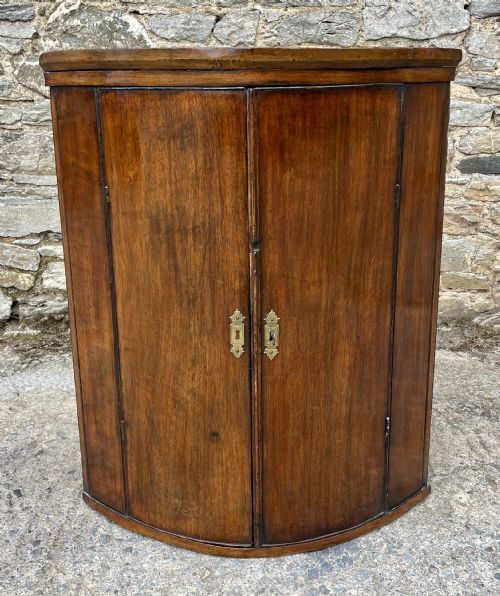
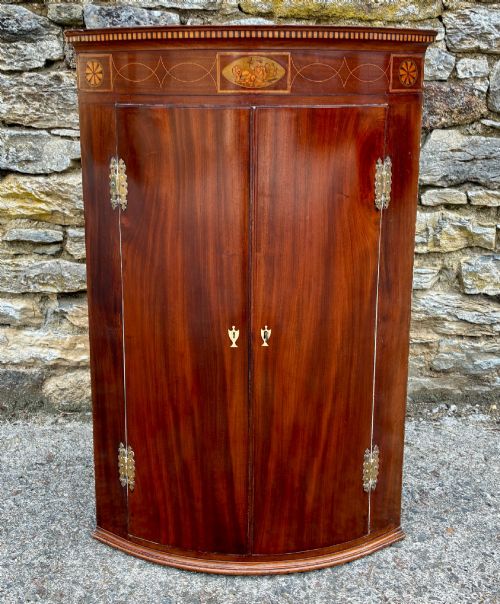
Forms range from simple open book shelves to bow-front cupboards with intricate stringing, offering practical solutions for books, china, and small collections.
Materials and construction methods
Cabinet makers utilised solid mahogany and flame mahogany veneer over secondary timbers such as oak, often applying boxwood and satinwood inlay to create decorative contrast on door panels and friezes.
Glass doors appear on display cabinets while brass fittings, including hinges, escutcheons, and hanging brackets, provide both structural support and visual accent.
Joinery techniques such as dovetailed drawer construction and pegged frames ensure the rigidity required for pieces suspended on walls or fitted into corners.
Antique Mahogany Wall Unit Retail Price Guide 2026
Typical asking prices for mahogany wall unit among the pieces listed under this phrase on Sellingantiques today, from the lower quarter to the upper quarter. They describe what is for sale here now, not the wider market.
Materials recorded across the selection combine solid mahogany and flame mahogany veneer with brass, glass, oak, satinwood, and boxwood inlay.
Distinguishing quality and craftsmanship
The grade of mahogany timber and the choice of veneer figure set superior examples apart from plainer utilitarian storage.
Subtleties in proportion, such as the elegance of a broken arch pediment or the precision of string inlay, separate workshop productions from standard regional items.
The Antique Mahogany Wall Unit Glossary
- Bow front
- A convex, curved front typical of many Georgian and Edwardian corner cupboards. This curved profile softens the angles of a room.
- Pediment
- The decorative structure crowning the top of a cabinet or cupboard. Examples include broken arch designs that draw the eye upward.
- Tambour
- A sliding door made of narrow vertical strips of wood glued to a canvas backing. This mechanism allows access in confined spaces.
- Whatnot
- An open set of multi-tiered shelves used for displaying ornaments and books. These pieces became particularly popular during the Victorian and Edwardian periods.
Antique Mahogany Wall Unit: Frequently Asked Questions
How do I hang a heavy wall cupboard safely?
Wall-mounted cabinets require secure fixing directly into wall studs or masonry using appropriate brackets and screws. Ensure the weight is distributed evenly to protect the historic timber.
Consult a professional installer if you feel uncertain about the wall structure or the weight of the specific cabinet.
Where should I place a corner cupboard?
Corner cupboards fit naturally into unused room junctions, transforming empty angles into functional display areas. They work well in dining rooms for china or in studies for small volumes.
Consider the door swing direction and room traffic flow before fixing the piece to the wall.
How do I distinguish Georgian from Victorian pieces?
Georgian pieces often display restrained classical proportions with fine mahogany veneers and boxwood stringing. Victorian examples tend to be heavier, sometimes incorporating more elaborate carving or darker finishes.
Examine the secondary timbers and interior construction details to confirm the period of manufacture.
How do I care for mahogany surfaces?
Dust regularly with a soft, dry cloth and avoid placing wooden furniture in direct sunlight or near heat sources. Maintaining stable room humidity prevents the timber and veneer from splitting.
Apply a microcrystalline wax polish occasionally to nourish the finish without building up greasy residues.